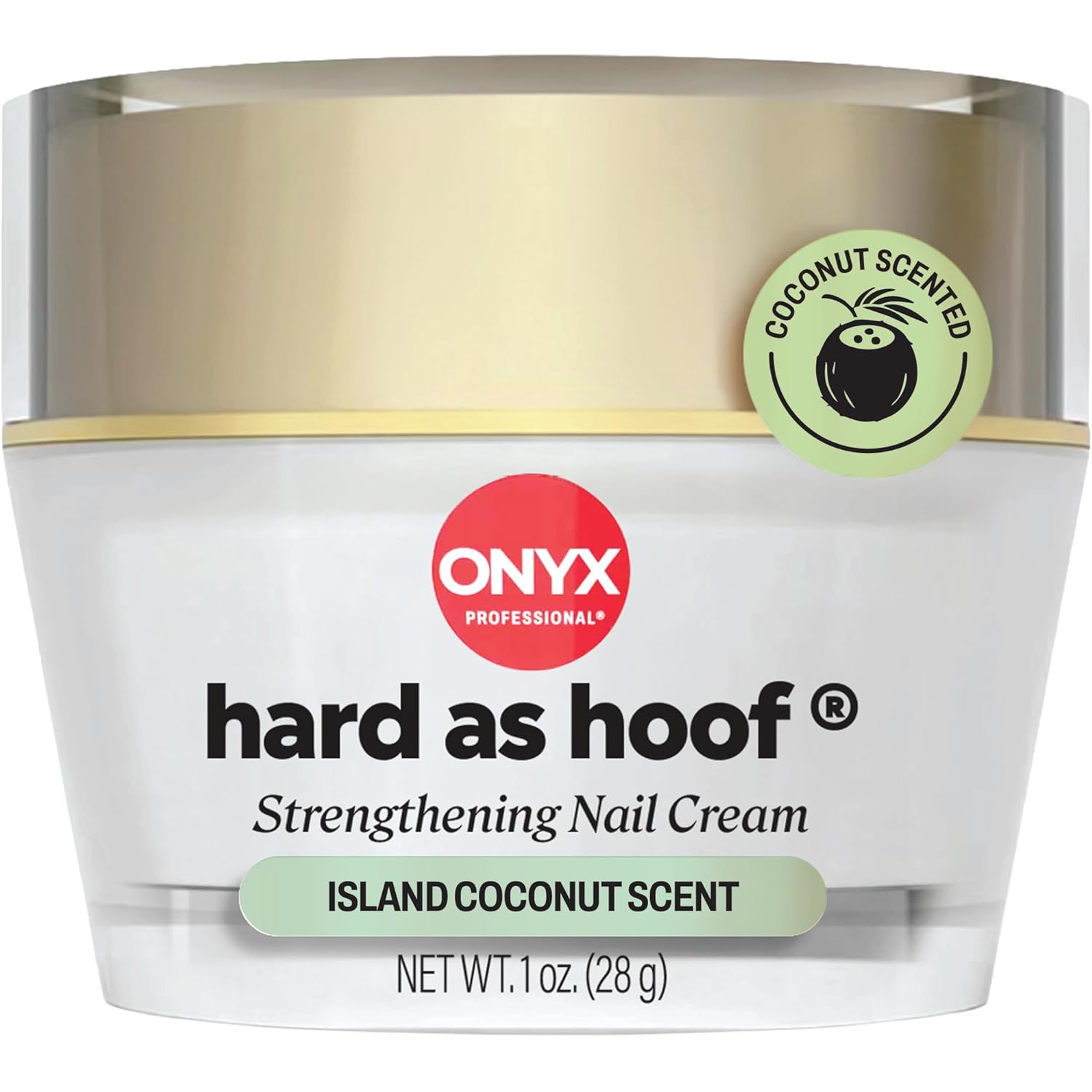
Best Healthy Nail Routine for Stronger Shinier Nails

The best healthy nail routine is a simple mix of daily moisture, gentle shaping, and protection from water and harsh products. With consistency, most people can reduce breakage, peeling, and dullness over time.
If you want the best healthy nail routine, the goal is not perfection or a glossy salon look every day. It is building small habits that help natural nails stay smoother, stronger, and less prone to peeling or breakage.
- Daily moisture: Use cuticle oil and hand cream consistently.
- Gentle shaping: File softly and avoid over-buffing.
- Protection matters: Wear gloves for chores and cold weather.
- Smart products: Choose simple, nail-friendly formulas you will actually use.
Best Healthy Nail Routine: What “Stronger, Shinier Nails” Really Means in 2026
In 2026, a healthy nail routine is still based on the basics: moisture, gentle shaping, protection, and smart product choices. You do not need a complicated system to see better-looking nails over time.
Search intent: a practical, beginner-friendly routine for healthier natural nails
Most readers searching for the best healthy nail routine want something realistic they can do at home. That usually means a routine that fits into daily life, works for natural nails, and does not depend on constant salon visits.
If you are just getting started, it helps to understand the basics first. NailPrime’s beginner nail care routine guide is a useful companion if you want more detail on tools and troubleshooting.
What this routine can realistically improve: breakage, peeling, dullness, and dry cuticles
A good routine can help reduce everyday damage from water, friction, and harsh removers. It can also improve the look of dull nails by keeping the surface smoother and better hydrated.
What it cannot do is completely change nail texture overnight. If your nails are naturally thin, very soft, or damaged from previous enhancements, results may be gradual and depend on how consistently you care for them.
Step 1: Start With a Nail Health Reset Before You Build a Routine
Before adding oils or strengtheners, it helps to reset nails that are already rough, over-filed, or covered in old product buildup. Think of this as a clean starting point, not a dramatic treatment.
Remove old polish safely and avoid over-buffing the nail plate
If you are wearing old polish, remove it gently instead of scrubbing it off. Harsh rubbing and aggressive scraping can leave the nail plate looking dry and uneven.
Buffing can help smooth minor ridges, but too much buffing thins the surface and may make nails feel weaker. If you are trying to improve nail shine, use the lightest touch possible.
Over-buffing can make nails look temporarily smoother, but it may also increase sensitivity and breakage over time. Keep buffing occasional and very light.
Trim, file, and shape nails to reduce snags and splits
Shorter nails are often easier to protect while you are rebuilding strength. A gentle shape also helps reduce edge catches that can turn into splits.
File in one direction when possible and avoid sawing back and forth aggressively. A soft, controlled motion is usually kinder to weak or peeling nails.
Example reset routine for nails that are brittle, soft, or peeling
Start by removing polish, washing hands, and drying nails completely. Then trim any uneven edges, lightly file the tips, and apply cuticle oil and hand cream right away.
For very fragile nails, keep them short for a few weeks and avoid frequent polish changes. A simple reset like this can help the nail edge stop catching and splitting while you build better habits.
Step 2: Daily Care Habits That Make the Biggest Difference
Daily habits matter more than occasional treatments. The most effective routines are usually the ones that protect nails from repeated dryness and impact.
Hydration routine: cuticle oil, hand cream, and when to apply each
Cuticle oil helps support the skin around the nail and can make the nail area look healthier and less dry. Hand cream helps lock in moisture after washing and throughout the day.
A simple rule is to apply cuticle oil first, then hand cream, especially at night. After handwashing, reapply cream if your hands feel tight or dry.
Keep a small cuticle oil bottle near your bed, desk, or sink so it becomes part of your routine instead of an extra step.
Protective habits: gloves for dishes, cleaning, and cold weather
Water exposure and cleaning products can dry out nails and make them more flexible in a bad way. That flexibility often leads to peeling and weak edges.
Wear gloves for dishwashing and household cleaning when possible. In cold, windy weather, gloves also help protect both skin and nails from extra dryness.
Small lifestyle factors that affect nail strength, shine, and growth
Nails can reflect overall habits like hydration, nutrition, and how often your hands are exposed to stress. Even small changes, such as drinking enough water and avoiding frequent picking, can help.
If your nails keep breaking, it may be worth looking at the bigger picture. NailPrime also covers why nails break easily if you want a deeper look at common causes.
Step 3: The Best Weekly Healthy Nail Routine at Home
A weekly routine is where you clean up the details and keep nails looking polished without overdoing it. This is usually enough for most natural nails.
Gentle cleanse, soak-free prep, and one-file-per-direction shaping
Wash hands with mild soap, dry them fully, and clean under the free edge with a soft nail brush if needed. Try to avoid long soaking, since repeated soaking can make nails swell and then dry unevenly.
When shaping, use light strokes and stay consistent with the direction of the file. The goal is a smooth edge, not thinning the nail tip.
Soaking is not required for a healthy nail routine. For many people, a soak-free approach is easier on dry or peeling nails.
Light buffing vs. over-buffing: how to get shine without damage
If you want a natural shine, a very gentle buffer can help smooth the surface for a cleaner look. Use only a few passes and stop as soon as the nail looks even.
A glossy top coat or nourishing base coat can also create shine without removing nail layers. That is often a better option than frequent buffing.
Weekly treatment options: strengthening base coat, nail masks, or oil packs
Once a week, you can use a strengthening base coat, a hydrating nail mask, or an oil pack around the nail area. Choose one treatment that matches your main issue instead of layering everything at once.
If your nails are thin from frequent polish changes or enhancements, it may help to learn more about product removal. NailPrime’s guide on whether nail polish remover can remove gel explains why removal method matters for nail condition.
Products and Tools That Support a Healthy Nail Routine
The best products are not always the most expensive. What matters most is whether they support gentle care, hydration, and safe maintenance.
What to look for in a nail strengthener, base coat, and cuticle oil
Look for a nail strengthener that is designed for natural nails and use it as directed. Some formulas are better for temporary support, while others are more about protecting the surface.
For base coats, choose one that helps polish grip without making removal too harsh. For cuticle oil, a simple, comfortable formula you will actually use is often better than a fancy bottle that sits unused.
- Does the product match your nail type?
- Will you be able to use it consistently?
- Does it support gentle removal and hydration?
Tools worth using: glass file, soft buffer, orangewood stick, nail brush
A glass file can be a good option for shaping because it is usually gentle and precise. A soft buffer helps smooth minor roughness, while an orangewood stick can help with careful cleanup around the nail.
A small nail brush is useful for removing dust and debris after filing. Clean tools matter, especially if you are trying to keep nails and surrounding skin healthy.
Comparison: budget routine vs. salon-level routine for results and upkeep
A budget routine can still work very well if you keep it simple: file, oil, cream, and protect. A salon-level routine may add more polish options, professional shaping, and longer-lasting finishes, but upkeep may be more expensive and time-sensitive.
| Option | Best For | Note |
|---|---|---|
| Budget at-home routine | Beginners and natural nails | Lower upkeep, easy to repeat, good for consistency |
| Salon-level routine | People who want polished results | May vary by salon, technique, and nail condition |
Common Mistakes That Keep Nails Weak, Dull, or Peeling
Many nail problems come from habits that seem harmless at first. The good news is that these mistakes are usually easy to correct.
Picking polish, filing aggressively, and using nails as tools
Picking at polish can lift layers of the nail surface and leave the nail rough. Aggressive filing can do the same, especially near the corners.
Using nails to open cans, scrape labels, or pry things up creates stress that weak nails do not need. A small tool is always safer than your nail edge.
Skipping moisture because nails “feel oily enough”
Nails can feel fine on the surface while still being dry underneath. If you only moisturize occasionally, the nail plate and cuticle area may still become brittle.
Regular moisture is especially important after handwashing, cleaning, or cold-weather exposure. That is when nails lose water fastest.
Using harsh removers or constant gel/press-on wear without breaks
Frequent use of strong removers or back-to-back enhancements can make natural nails look tired and thin. The damage is often from repeated prep and removal, not just the product itself.
If you wear enhancements often, give your nails breaks when needed and follow safe removal steps. If you want more guidance, NailPrime’s article on safe fake nail removal can help you avoid common mistakes.
When Nail Problems Need a Nail Tech or Health Professional
Not every nail issue is a routine problem. Some signs point to damage, infection, or an underlying health issue that needs more than home care.
Warning signs: persistent splitting, discoloration, lifting, pain, or infection
Watch for nails that keep splitting despite gentle care, or for color changes that do not grow out normally. Lifting, pain, swelling, bleeding, or drainage should not be ignored.
Avoid salon services if the nail area is bleeding, swollen, painful, infected, or reacting badly to a product.
When to ask a nail tech for a safer service plan or repair strategy
A licensed nail tech can often suggest a gentler file shape, a shorter length, or a lower-stress service plan. That can be helpful if your nails are delicate but you still want a polished look.
Ask for a service that minimizes pressure on the nail plate and be honest about past breakage or sensitivity. Good communication usually leads to better results.
When to see a dermatologist or doctor instead of treating it as a cosmetic issue
If you notice persistent pain, spreading discoloration, thickening, separation, or signs of infection, it is time to see a healthcare professional. Cosmetic care should not replace medical evaluation when symptoms are serious.
Contact a dermatologist or healthcare professional if nail changes are ongoing, painful, or accompanied by swelling, bleeding, fungus-like changes, or allergic reactions.
Final Recap: The Best Healthy Nail Routine for Stronger, Shinier Nails
The best healthy nail routine is simple enough to repeat and gentle enough to protect the nail plate. Most of the progress comes from consistent moisture, careful shaping, and avoiding damage.
Simple daily, weekly, and monthly routine summary
Daily: apply cuticle oil and hand cream, and wear gloves for chores. Weekly: clean, shape, lightly buff if needed, and use one treatment product that fits your nail needs.
Monthly: assess whether your nails are improving, trim back damage if needed, and take a break from harsh products if your nails feel stressed. If you want more basic guidance, the routine tools and troubleshooting guide can help you stay organized.
Expected timeline for visible improvement and realistic maintenance costs
Some people notice less dryness and better shine within days, while breakage and peeling may take weeks to improve. The timeline depends on your starting nail condition, daily habits, and whether you keep exposing nails to damage.
Maintenance costs also vary. At-home routines are usually the most flexible, while salon upkeep depends on your location, service type, and how often you book appointments.
Key takeaway: consistency matters more than expensive products
You do not need a huge product collection to get healthier-looking nails. A few well-chosen habits, repeated regularly, are usually what create the strongest long-term results.
Frequently Asked Questions
Most people benefit from daily cuticle oil, especially after handwashing or before bed. If your nails are very dry, you may apply it more often as needed.
Ask for a gentle shape, shorter length, and a service plan that avoids heavy filing or harsh removal. Be clear about any sensitivity, lifting, or past breakage.
Some strengtheners can be too drying if overused or applied without breaks, depending on the formula. Check the label and stop if your nails feel more brittle.
Staining from polish usually grows out with the nail and improves after a break from color. If discoloration persists, spreads, or comes with pain or lifting, contact a dermatologist or healthcare professional.
Use light buffing only when needed and keep it very gentle. A glossy base coat or top coat is often a safer way to add shine without removing layers.
Dryness can improve quickly, but breakage and peeling often take several weeks to calm down. Growth and visible strength depend on your nail condition and how consistent your routine is.