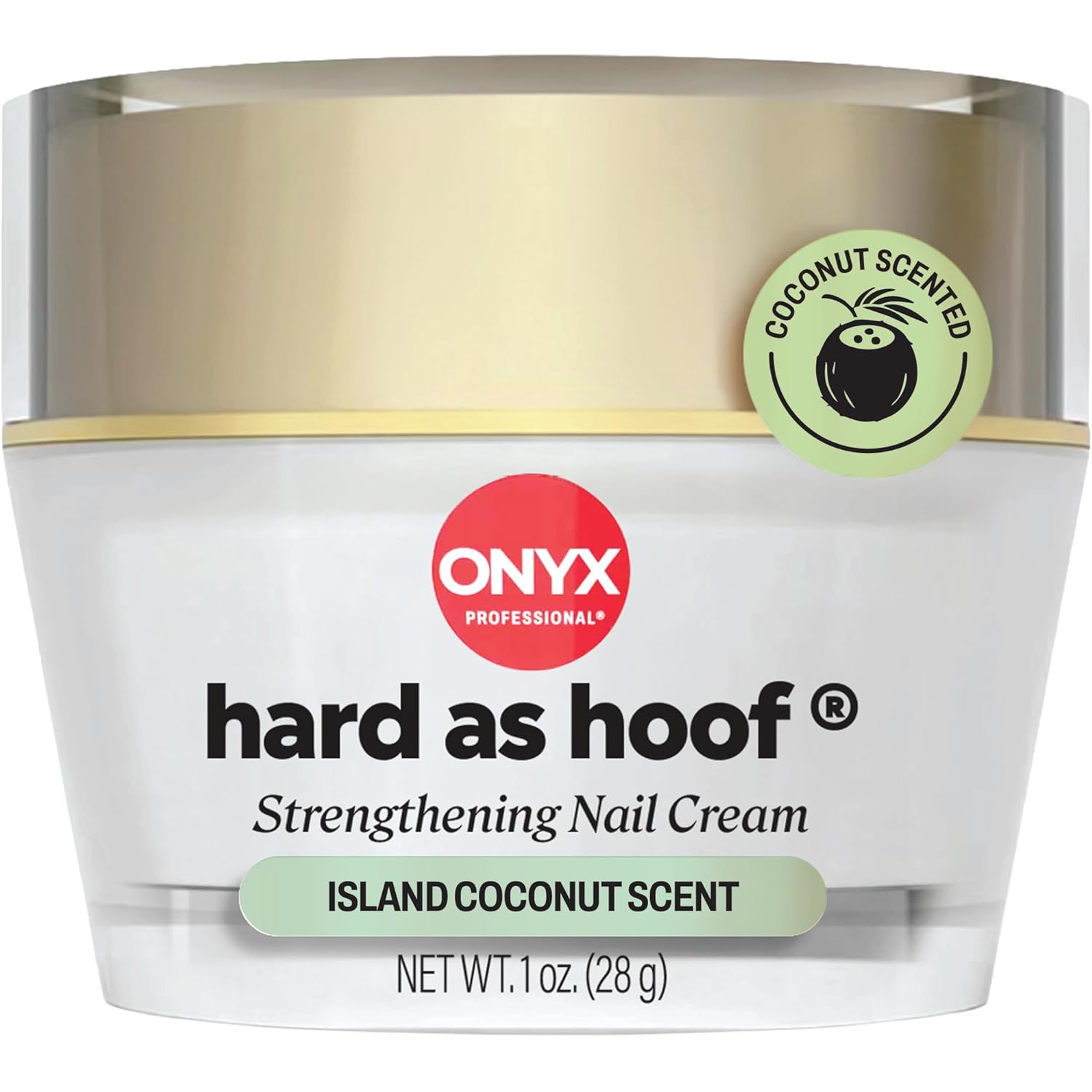
Budget nail growth works best when you focus on moisture, gentle filing, and daily protection from breakage. Affordable basics used consistently can help nails look longer and stronger without salon spending.
If you want a budget friendly how to grow nails routine, the goal is not magic speed. It is reducing breakage, keeping nails hydrated, and protecting the free edge long enough for natural growth to show.
In 2026, the smartest approach is still simple: use low-cost care consistently, avoid damage, and choose products that support your nails instead of overwhelming them. For readers who also deal with peeling or weak tips, our guide on why nails break easily can help you spot the most common causes.
- Moisture first: Hand cream and cuticle oil help reduce dryness and peeling.
- Protect the tips: Gloves, gentle handling, and smooth filing prevent breakage.
- Start simple: A few basic products are enough for most at-home routines.
- Avoid damage: Picking, over-filing, and harsh removers slow progress.
Budget Friendly How to Grow Nails Fast and Strong: What “Fast” Really Means in 2026
When people say they want nails to grow fast, they usually mean they want visible length sooner and fewer breaks along the way. That is realistic, but it helps to set expectations: nails grow gradually, and the biggest win is often keeping what you already grow.
Budget nail growth is less about buying a long list of products and more about protecting the nail plate every day. If you stop splitting, peeling, and snagging, your nails can look longer much sooner than if you keep starting over.
The Cheapest Nail Growth Basics That Actually Work at Home
The most effective low-cost nail care habits are often the simplest ones. Moisture, protection, and gentle handling do more for nail length than most trendy treatments.
Daily moisturizing with hand cream, cuticle oil, and petroleum jelly
Dry nails are more likely to peel and snap, so daily moisture matters. A basic hand cream, a simple cuticle oil, and a little petroleum jelly can help keep the nail area flexible and less prone to cracking.
You do not need an expensive formula to get started. Apply hand cream after washing your hands, use cuticle oil once or twice a day if you can, and seal extra-dry areas with petroleum jelly at night.
Keep a small hand cream in your bag and a cuticle oil by your bed so moisturizing becomes automatic.
Low-cost nail protection habits that reduce breakage
Protection is one of the cheapest nail-growth tools you have. Gloves for cleaning, careful opening of packages, and avoiding nails as tools can prevent tiny tears that turn into big breaks.
It also helps to keep nails at a length you can manage while they strengthen. Shorter nails with a smooth edge often grow better than longer nails that keep catching on fabric, zippers, or keys.
Even a great nail routine cannot fully overcome repeated trauma, so daily habits matter as much as products.
Simple diet and hydration support for healthier nail growth
Nails are not repaired overnight by food alone, but overall nutrition still plays a role. A balanced diet with enough protein, iron, healthy fats, and fluids supports healthier nail growth over time.
If you are often dehydrated or skipping meals, your nails may show it through dryness or brittleness. Water, regular meals, and a steady routine are low-cost ways to support the body that grows the nails.
Step-by-Step Budget Routine for Longer Nails Without Salon Spending
A budget routine works best when it is easy enough to repeat. The following steps are simple, low-cost, and designed for natural nails that need more strength and less breakage.
Morning and night nail care routine
Wash gently, dry well, and apply hand cream around the nails and cuticles.
Wear gloves for cleaning or dishwashing and avoid using nails to scrape or pry.
Massage in cuticle oil, then seal very dry areas with a thin layer of petroleum jelly.
This routine is inexpensive because it uses products you can find in most drugstores or even already have at home. The real value comes from doing it regularly, not from using the most expensive version.
Weekly shaping, filing, and gentle cuticle care
Once a week, check your nail edges for snags and smooth them with a fine file. File in one direction or with light, controlled strokes to reduce splitting and rough edges.
Cuticle care should stay gentle. Push back only what is loose and softened after a shower or hand soak, and avoid cutting living skin unless a licensed nail professional is handling it safely.
Aggressive cuticle cutting, rough filing, or peeling off product can thin the nail and make breakage worse.
Budget-friendly product swaps: drugstore vs. salon products
Drugstore products can work well for basic nail maintenance, especially for moisturizing and shaping. Salon products may offer a nicer texture, a wider shade range, or a more specialized formula, but they are not always necessary for healthy growth.
If your main goal is length retention, focus on simple, reliable items first: hand cream, cuticle oil, a quality file, and a protective base coat. More expensive products may be useful, but they are not a requirement for progress.
| Option | Best For | Note |
|---|---|---|
| Drugstore hand cream | Daily moisture | Affordable and easy to replace |
| Basic cuticle oil | Dry cuticles | Look for simple, non-irritating ingredients |
| Salon-strength treatment | Some weak nails | May help, but results vary by nail condition |
Best Affordable Products and Tools for Nail Growth Support
You do not need a full nail kit to support growth. A few affordable tools can cover most of what your nails need at home.
Cuticle oils, strengthening base coats, and nail creams
Cuticle oil helps reduce dryness around the nail, while a strengthening base coat may help some people protect weak tips under polish. Nail creams can be useful if your hands get dry often from washing or weather.
Check labels for simple use instructions and avoid products that sting, burn, or cause redness. If a product seems too harsh, it may not be the right fit for your nail type or skin sensitivity.
Low-cost files, buffers, and nail brushes
A good nail file is one of the best budget purchases for natural nail care. A fine-grit file helps smooth edges without being overly rough, and a small nail brush makes it easier to keep nails clean.
Buffers can be useful in moderation, but too much buffing can thin the surface. If you already have soft or peeling nails, use a buffer sparingly and focus more on moisture and gentle shaping.
Many nail breaks start as tiny edge snags, which is why a smooth file can be more helpful than a long list of treatments.
What to skip to save money and avoid damage
Skip products that promise instant transformation, especially if they encourage over-buffing, harsh scraping, or frequent removal. Those shortcuts may cost more in the long run if they cause weak, peeling nails.
It is also smart to avoid buying several treatments at once. Start with the basics, then add one product at a time so you can see what actually helps.
Common Mistakes That Slow Nail Growth and Waste Money
Some of the most expensive nail problems come from small habits repeated over time. If you want longer nails, avoiding damage is often more important than chasing faster growth.
Over-filing, picking at polish, and using nails as tools
Over-filing can make nail edges thin and fragile. Picking at polish or gel can pull layers from the nail plate, leaving the surface weaker and more likely to peel.
Using nails to open cans, scrape labels, or pry things apart also creates stress at the tip. These habits may seem minor, but they can erase days or weeks of growth in seconds.
Too much acetone, harsh removers, and frequent gel removal
Acetone can be useful for removing some products, but too much exposure can dry the nails and surrounding skin. Harsh removers and repeated gel removal can also leave nails feeling rough or brittle.
If you wear enhancements often, be gentle during removal and avoid forcing product off. For readers who use enhancements regularly, our guide on what gel nails are explained can help you understand how product choice affects natural nail care.
Ignoring dryness, peeling, and early signs of breakage
Dryness is easier to fix early than after the nail starts splitting. If you notice peeling, rough edges, or white stress marks, treat those as signs to moisturize more and reduce pressure on the nails.
When you ignore early damage, the nail may keep catching and splitting. A small adjustment now is usually cheaper and easier than repairing repeated breakage later.
The nail keeps peeling at the tip or side.
Fix
File the edge smooth, moisturize daily, and keep the nail shorter until it feels stronger.
When Nail Growth Problems Need a Nail Tech or Medical Help
Most slow growth and breakage problems are cosmetic and can improve with better care. But some nail changes need professional attention, especially if pain or infection signs are involved.
Signs of fungal infection, lifting, discoloration, or pain
Watch for thickening, yellow or green discoloration, nail lifting, odor, swelling, or pain. These signs can point to infection, trauma, or another issue that should not be treated like a simple dryness problem.
If the nail area is painful, bleeding, swollen, or reacting badly to a product, do not keep using the same treatment. Contact a licensed nail technician, dermatologist, or healthcare professional for guidance.
Get medical advice if you suspect fungus, infection, allergy, or a nail injury that is not improving.
When a nail tech can help with shaping, overlays, or repair
A licensed nail tech can be helpful if your nails need a cleaner shape, a protective overlay, or a repair after a break. This can sometimes give you a better chance of growing out the damaged area without constant snagging.
Choose a salon that follows strong hygiene practices and uses clean tools. If you are unsure about a service, ask how the tools are sanitized and what they recommend for weak natural nails.
How do I ask a nail tech for help without sounding picky?
Try saying you want a gentle, natural-nail-friendly service and you are trying to reduce breakage while growing your nails. A good tech should understand that request and suggest a safe option.
When to seek medical advice for brittle or slow-growing nails
If your nails suddenly become very brittle, change color, separate from the nail bed, or hurt without a clear reason, medical advice is a good idea. Slow growth alone is not usually urgent, but sudden changes can point to a health concern.
Avoid salon services if the nail area is bleeding, swollen, painful, infected, or reacting badly to a product.
Cost and Time Comparison: Budget Nail Growth vs. Salon-Heavy Routines
Budget nail growth is usually more affordable because it relies on a few reusable basics instead of repeated appointments or frequent add-ons. Salon-heavy routines can be great for convenience or special looks, but they are not always necessary for natural nail growth.
Estimated monthly cost of a basic at-home nail growth routine
A simple at-home routine may include hand cream, cuticle oil, a file, and a base coat. The monthly cost can vary widely depending on what you already own, how often you replace items, and which brands you choose.
How long it typically takes to see length and strength improvements
Some people notice less peeling within a few weeks of better care, while visible length changes usually take longer. Timing depends on your nail condition, daily habits, and whether you keep breaking the tips before they grow out.
Consistency matters more than speed. A routine you can stick with for months usually beats a more expensive routine you only do occasionally.
Why consistency beats expensive treatments for most readers
Most nails improve when they are protected, moisturized, and left alone enough to grow. That means a steady budget routine often delivers better results than a costly product lineup used inconsistently.
If you want a simple way to stay on track, focus on one daily habit, one weekly habit, and one damage-prevention habit. That combination is easy to maintain and usually enough for healthier-looking nails.
Final Recap: The Smartest Budget Friendly How to Grow Nails Strategy
The best budget friendly how to grow nails plan is simple: moisturize daily, protect your nails from breakage, file gently, and avoid habits that cause damage. You do not need a salon-level budget to get stronger-looking nails.
Start with the basics, keep your routine consistent, and pay attention to warning signs like pain, lifting, or discoloration. If something seems serious, reach out to a licensed nail tech, dermatologist, or healthcare professional instead of trying to push through it.
Frequently Asked Questions
Focus on daily moisturizing, gentle filing, and protecting your nails from breakage. Small habits often matter more than expensive treatments.
Cuticle oil and hand cream are usually the most useful low-cost basics because they help reduce dryness. A fine nail file and a protective base coat can also help.
File only when you see rough edges or snags, usually about once a week for many people. Use gentle strokes so you do not thin the nail.
They can make nails feel drier or weaker if used too often or removed too aggressively. Gentle removal and regular moisturizing can help reduce that risk.
See a dermatologist if you notice pain, swelling, lifting, discoloration, bleeding, or signs of infection. Sudden brittle changes also deserve medical attention.
A soft square or rounded shape often works well because it reduces sharp corners that catch and break. The best shape depends on your nail width and daily habits.