
Can You Get HIV from a Nail Salon Cut? What the Real Risk Looks Like

If you were cut during a manicure or pedicure and you’re now worried about HIV, the short answer is this: a typical nail salon cut is considered extremely unlikely to transmit HIV. That reassurance matters because a small nick, even one that bleeds a little, is not the same thing as a high-risk blood-to-blood exposure.
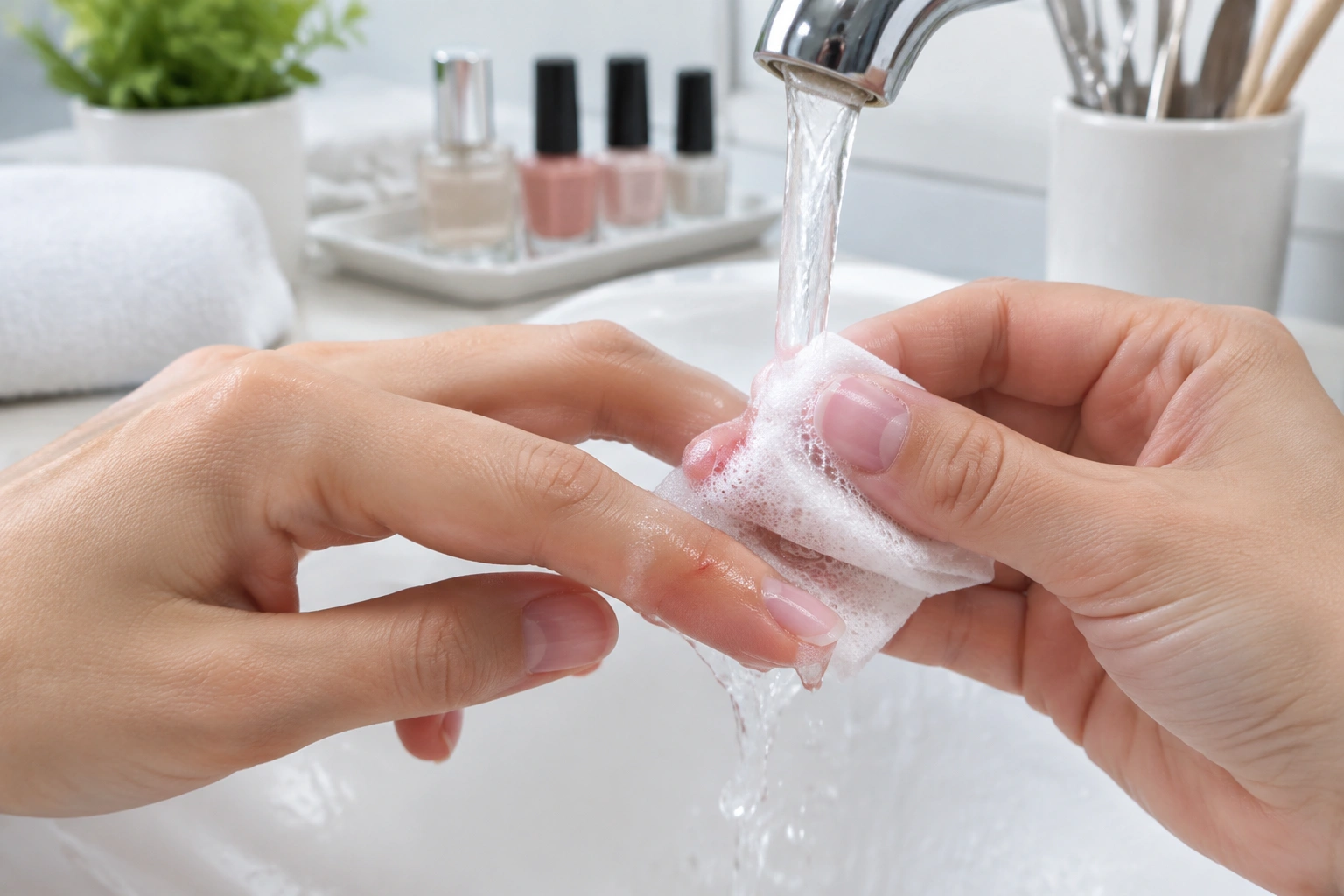
Quick decision framework: if the cut is minor and superficial, home care is usually enough; if the cut is deep or there was visible contaminated blood, seek medical advice promptly.
What usually causes the anxiety is the word “blood.” But HIV transmission has very specific requirements, and most salon cuts do not create the kind of exposure HIV needs. The more realistic concern after a nail salon injury is usually a local bacterial infection, not HIV.
That said, a cut should still be taken seriously. Clean it properly, watch it closely, and get medical advice if the wound was deep, bleeding heavily, or involved clearly contaminated tools. Practical care is the goal here: calm, not panic.
How HIV Is Actually Transmitted
HIV spreads through specific body fluids entering the body in a way that allows infection. In everyday terms, that usually means significant exposure to blood, sexual fluids, or breast milk through routes like sex, shared needles, or from parent to baby during pregnancy, birth, or breastfeeding.
What HIV does not do is spread through ordinary contact, like touching a surface, sharing a room, or having intact skin contact with someone who has HIV. HIV also does not pass through skin that is unbroken. The CDC’s HIV basics explain these transmission routes clearly, and that framework is the key to understanding salon risk.
A useful way to think about it: HIV needs a path in. Intact skin blocks that path. A tiny surface nick may be concerning for infection in general, but it is not usually enough on its own to make HIV transmission realistic.
Why “blood” alone is not the whole story
People often assume that any blood contact equals HIV risk. In reality, the details matter:
- Was there fresh, visible blood?
- Did the blood enter a fresh open wound?
- Was there a meaningful blood-to-blood exposure, not just a tiny cut?
- Was the tool actually contaminated with infectious blood?
Those questions matter because HIV transmission requires a very specific chain of events. If that chain is broken anywhere along the way, the risk drops sharply.
For a salon cut, blood on intact skin is not the same as blood entering a fresh wound. A little blood on the surface of the skin is not enough by itself; HIV would need a route into the bloodstream, usually through a significant open wound or substantial blood-to-blood contact.
For a plain-language overview of what does and doesn’t transmit HIV, HIV i-Base is a helpful reference. It notes that a cut has to be open to be a risk, which is one reason healed skin and superficial contact are not the concern people often fear.
Why a Nail Salon Cut Is Usually Not a Realistic HIV Exposure
A manicure nick or pedicure scrape is usually small, shallow, and quickly cleaned. That matters because HIV is not a hardy germ that thrives on counters, clippers, or air exposure. Once outside the body, it becomes far less stable than many other infection-causing organisms.
The salon scenario people worry about usually looks like this: a tool touches blood, then that same tool cuts the next client. In theory, that sounds concerning. In practice, the risk is still considered very low because several things have to line up at once:
- The tool would need to carry fresh infectious blood.
- The blood would need to remain viable long enough to matter.
- The next person would need a fresh open wound.
- Enough virus would need to reach the bloodstream.
That is a lot of conditions. It is one reason public-health discussions of salon exposures tend to focus more on bacterial, fungal, and hepatitis B risks than on HIV.
A salon can reduce risk further through proper disinfection, disposable items, and gloves when blood is present. The FDA’s cosmetic safety guidance is a good place to understand why tool hygiene matters, especially for reusable implements.
Superficial nick versus deeper bleeding wound
Not all cuts are equal. A tiny nick at the cuticle is very different from a deep wound that keeps bleeding.
A superficial cut:
– often stops bleeding quickly
– is less likely to create meaningful exposure
– is more likely to be an irritation or local skin issue
A deeper bleeding wound:
– may need pressure, cleaning, and medical advice
– has a higher chance of bacterial contamination
– is the kind of injury that deserves closer attention if the tool or surface was visibly dirty
This distinction matters because it helps you decide whether you need reassurance and wound care, or a clinician visit.
What to Do Right Away After Being Cut
If you were cut in a nail salon, don’t wait and worry. Take care of the wound immediately.
Simple first aid steps
-
Wash the area with soap and running water.
This is the most useful first step. It lowers the chance of a routine skin infection and helps you see the wound clearly. -
Apply gentle pressure if it’s bleeding.
Use clean gauze or tissue. Hold steady pressure for several minutes rather than checking constantly. -
Cover the cut if the skin is still open.
A small bandage can protect it from dirt and friction. -
Do not scrub aggressively.
Harsh cleaning can make a small wound worse. -
Watch the area over the next day or two.
Mild tenderness is common. Increasing redness, warmth, swelling, or pus is not.
If you want to be more prepared for future appointments, it helps to know what to ask for at a salon, especially when sanitation or tool handling matters. You can also review what to ask for at a nail salon so you know how to speak up calmly before service begins.
When the Situation Needs Medical Advice
Most small nail salon cuts can be handled at home. Some situations deserve a clinician’s opinion.
Get medical advice sooner if:
- the cut is deep or keeps bleeding
- the tool or surface had visible blood on it
- the wound was caused by a reused or clearly unclean tool
- the area becomes more painful instead of less painful
- redness spreads beyond the immediate cut
- you see swelling, warmth, pus, or streaking
- you have a condition that makes infections harder to fight
In those cases, the main concern is often a skin infection, not HIV. But a clinician can assess whether testing, wound care, or other treatment is appropriate.
When urgency is higher
Urgency rises if the exposure involved a deeper wound plus clearly contaminated blood. That is the kind of situation where a medical professional may talk through HIV testing, hepatitis risk, and whether any post-exposure steps are needed. Timing matters, especially if PEP is being considered.
A deeper cut may also raise routine wound-care questions such as whether tetanus protection is up to date. That is usually part of general wound care, not an HIV-specific issue, but it is worth mentioning to a clinician if the injury was more than superficial.
Do You Need HIV Testing or PEP?
For a routine salon nick, HIV testing is often not necessary because of the cut alone. But if the exposure was unusual, deeper, or clearly involved contaminated blood, a clinician may recommend testing based on the details.
A practical decision rule
Consider medical evaluation if all or most of these are true:
- the wound was open and bleeding
- there was visible blood on the tool or surface
- the tool may not have been properly disinfected
- the exposure happened very recently
- you are unsure whether the cut was deep enough to matter
What about PEP?
PEP, or post-exposure prophylaxis, is a time-sensitive medication course used for certain higher-risk exposures. It is not something to guess about at home. If a clinician thinks the exposure is high enough to warrant it, PEP needs to be started quickly.
For a minor salon cut with no meaningful blood-to-blood exposure, PEP is generally not indicated. It is typically only considered when there is substantial blood exposure, especially if the source is known or likely to have HIV, and a clinician recommends it after reviewing the details.
If a clinician advises HIV testing
If testing is recommended, the exact timeline depends on the exposure and the test used. A clinician may suggest:
– a baseline test soon after the exposure
– follow-up testing later if needed to confirm the result
Do not self-schedule testing based only on anxiety if the exposure was a minor nick. A clinician can tell you whether testing is actually useful in your case.
What Infections Are More Likely Than HIV
This is where many people get surprised: after a nail salon cut, the more realistic concern is often bacteria or, less commonly, fungal contamination.
That does not mean every cut becomes infected. It means the infections you should actually watch for are usually local skin infections, not HIV.
Signs that point more toward a local infection
- redness that expands over time
- warmth around the wound
- swelling
- throbbing pain
- pus or cloudy drainage
- tenderness that gets worse after the first day
These symptoms suggest the cut is irritated or infected at the skin level. They do not point to HIV by themselves.
The nail industry has long recognized that bacteria, viruses, and hepatitis B are more plausible salon-to-client concerns than HIV. Nails Magazine has covered this safety issue for years, and the general takeaway is consistent: sanitation matters most for routine infection prevention.
How Salon Sanitation Changes the Risk
Good sanitation does not just make a salon look professional. It reduces the chance that a tool carries germs from one client to another.
What good practice looks like
- single-use items used once and discarded
- reusable tools that are properly disinfected
- clean work surfaces
- gloves used when there is visible blood or broken skin
- fresh liners or cleaned pedicure basins
If a salon is careful with sanitation, the risk of any bloodborne exposure drops. If a salon uses visibly dirty tools, skips cleaning steps, or ignores blood exposure, the bigger concern is often not HIV specifically, but the broader risk of infection.
What to notice during a visit
A salon does not need to be sterile like a hospital, but it should look organized and hygienic. A technician who changes tools between clients, cleans the station, and handles a cut promptly is giving you a much safer experience than one who brushes off blood or reuses questionable implements.
Clear signs sanitation may be poor
Be more cautious if you notice any of these:
– the same file or buffer being used on multiple clients
– tools that look used but are not removed from sealed packaging
– dirty footbaths or visible residue in pedicure basins
– clippers, nippers, or pushers left exposed on a station without cleaning
– a technician moving from one client to another without obvious disinfection or glove change after blood contact
If you are thinking about future appointments, it can also help to understand the service itself. For example, what a full set at a nail salon involves can help you decide whether you want a more involved service or a simpler one that may mean less filing and less skin contact.
How to Protect Yourself During Future Nail Appointments
You do not need to avoid salons altogether. You just need a few habits that lower the chance of cuts and infection.
Smart prevention steps
- Ask how tools are cleaned.
- Choose salons that use sealed, disposable items when appropriate.
- Speak up if a technician is working too aggressively around the cuticles.
- Avoid services if you already have broken skin around the nail.
- Leave if you see a tool used on another client without proper cleaning.
A calm, direct question is enough. You are not being difficult; you are protecting your skin.
If you often get sensitive cuticles or small tears, consider asking for gentler prep. A service that uses a careful prep cleanser and controlled filing can reduce unnecessary trauma. You can read more about nail prep cleanser use if you want to understand how prep products fit into a cleaner, more controlled service.
When Symptoms Should Not Be Ignored
Most minor cuts heal without issue. But don’t ignore warning signs that suggest the wound is becoming infected.
Call a clinician if you notice:
- spreading redness
- increasing swelling
- heat around the wound
- pus
- worsening pain after the first day
- fever or feeling unwell
- red streaks moving away from the cut
Those are not signs of HIV. They are signs the skin around the wound may need medical attention.
When to See a Nail Technician or Dermatologist
If the injury happened because a technician was too rough, used questionable tools, or ignored visible blood, it is reasonable to choose a different salon next time. Good technique and good sanitation should go together.
A dermatologist can help if:
– the cut is not healing
– you keep getting irritated cuticles
– the area looks infected
– you are not sure whether the wound is normal healing or something more
For recurring skin irritation, it may also help to ask for a more conservative service approach at your next appointment.
Frequently Asked Questions
Can you get HIV from a nail salon cut if it bled?
A typical small bleeding cut is still considered very low risk for HIV. The main question is whether there was a substantial blood-to-blood exposure, not whether the wound bled a little.
What if the tool had blood on it?
Visible blood is worth taking seriously, but it does not automatically mean HIV exposure. Clean the wound, watch for infection, and ask a clinician if the tool was clearly contaminated and the cut was deep.
Should I get tested for HIV after a salon cut?
Usually not for a minor nick alone. Testing may be discussed if the wound was deep, the tool was visibly contaminated, or a clinician thinks the exposure details justify it.
Do I need PEP after a nail salon cut?
PEP is generally reserved for higher-risk exposures and must be started quickly. It is usually not recommended for routine nail salon cuts unless there is substantial blood-to-blood exposure and a clinician advises it.
How long should I wait to worry?
Do not wait if the wound looks infected or was clearly contaminated. For HIV specifically, the exposure details matter more than early symptoms.
Is a pedicure cut riskier than a manicure cut?
Only if the wound was deeper or the tool contamination was worse. The location matters less than the depth of the cut and the cleanliness of the tool.
Should I go back to the same salon?
If the salon handled the injury well and the tools appeared properly cleaned, you may feel comfortable returning. If the staff ignored the cut, reused tools improperly, or seemed careless about sanitation, switching salons is the safer choice.
What is the most likely problem after a nail salon cut?
Usually a local skin infection or irritation, not HIV. Watch for redness, swelling, warmth, pus, or worsening pain.
What should I do next?
Clean the wound, monitor for infection, seek care if the cut was deep or contaminated, and consider HIV testing only if a clinician advises it based on the exposure details.
A small salon cut can feel alarming in the moment, but most of the time the right response is simple: clean it, protect it, and watch it. If the injury was deeper or the sanitation looked poor, get medical advice rather than guessing.

