
Chipping a tooth can be a stressful and alarming experience. In a panic to smooth out a jagged edge, or inspired by viral DIY beauty trends on social media, you might be tempted to reach into your manicure kit. But can you nail file a chipped tooth safely at home?
As experts in nail care tools, we understand the appeal of a quick, at-home fix. However, using beauty tools on your teeth crosses a dangerous line. In this comprehensive guide, we will explain exactly why nail files should never enter your mouth, what happens to your dental health if you try this trend, and how you should actually be using your favorite manicure tools. We will cut through the internet noise and give you the facts you need to protect both your smile and your nails.
Quick Answer
Can you nail file a chipped tooth? No, you should absolutely never use a nail file on a chipped tooth. Nail files are highly abrasive and will permanently destroy your tooth enamel. Unlike fingernails, teeth cannot grow back. Filing your teeth can lead to extreme sensitivity, severe nerve damage, and costly dental procedures. Always visit a dentist for tooth repairs.
The Dangerous Allure of DIY Tooth Filing
Social media platforms are flooded with “life hacks” and beauty shortcuts. Over the last few years, a terrifying trend emerged where users demonstrated themselves taking standard emery boards to their uneven or chipped teeth.
The logic seems simple to a non-expert: if a nail file can smoothly grind down a jagged fingernail, why couldn’t it buff away a sharp edge on a tooth?
Unfortunately, this logic ignores fundamental human biology. Fingernails and teeth are made of completely different materials and react to friction in drastically different ways. Attempting to file a tooth is not a beauty hack; it is a fast track to permanent physical damage.
What Actually Happens When You File a Tooth?
When you drag a nail file across a chipped tooth, several dangerous things happen simultaneously:
- Permanent Enamel Loss: You are instantly grinding away your tooth’s protective outer shell.
- Micro-Fractures: The heavy vibration and aggressive grit of a nail file can cause tiny, invisible cracks deep within the tooth structure.
- Nerve Exposure: Once the enamel is breached, the sensitive dentin underneath is exposed, leading to excruciating pain when consuming hot or cold foods.
- Toxin Introduction: Nail files contain industrial glues and abrasive chemicals that are not safe for human ingestion.
Fingernails vs. Teeth: Why the Tools Don’t Mix
To understand why this is such a bad idea, we need to look at the science behind our bodies. Fingernails are made of keratin, a tough protein that continuously grows from the nail matrix. If you file a nail too short or damage it, you simply have to wait a few weeks for a new, healthy nail to grow out and replace it.
Teeth are coated in enamel, which is a highly mineralized substance made mostly of hydroxyapatite. Enamel is the hardest substance in the human body, but it contains no living cells. This means that once enamel is scraped away by a nail file, it is gone forever. It will never grow back, heal, or repair itself.
According to the American Dental Association’s guidelines on oral health, damaged enamel leaves the living tissue inside your tooth completely vulnerable to decay and infection.
Helpful Table: Nails vs. Teeth Comparison
| Feature | Human Fingernails | Human Teeth |
|---|---|---|
| Material | Keratin (Protein) | Enamel & Dentin (Minerals) |
| Regeneration | Yes, continuously grows back | No, damage is permanent |
| Pain Sensitivity | None on the free edge | High (contains living nerves) |
| Correct Smoothing Tool | Emery board, glass file, metal file | Professional dental drill/polisher |
| Result of Over-Filing | Sore nail bed, temporary thinning | Permanent nerve damage, tooth loss |
The Hidden Chemicals in Your Nail Tools
Beyond the physical damage to your enamel, you must consider what a nail file is actually made of. Whether you use a cheap drugstore emery board or a heavy-duty acrylic file, these tools are manufactured for external cosmetic use only.
Abrasive Materials
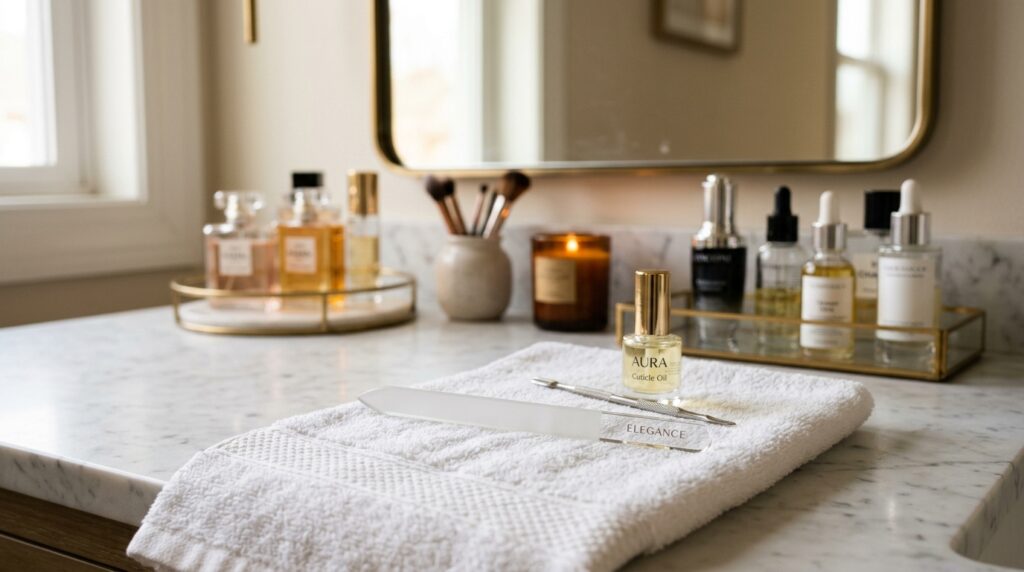
Most standard emery boards are made by gluing abrasive particles to a cardboard or plastic core. These particles are usually:
- Aluminum Oxide: A sharp, synthetic abrasive used in sandpaper and grinding wheels.
- Silicon Carbide: An extremely hard compound used for heavy-duty metal sanding.
Unsafe Adhesives and Dyes
The glues holding these abrasive sands to the cardboard core are not food-safe. When you wet a nail file with your saliva and rub it against a sharp tooth, those glues break down. You end up swallowing industrial adhesives, synthetic dyes, and micro-plastics.
The FDA guidance on cosmetic nail products clearly regulates these items strictly for external application on the nails. They are never tested for internal oral safety or heavy metal leaching inside the mouth.
What to Do Instead If You Chip a Tooth
If you have a jagged tooth cutting your tongue, resist the urge to visit your manicure drawer. Instead, follow these medically safe, numbered steps:
- Rinse Your Mouth: Gently rinse with warm salt water to clean the area and soothe any exposed nerves.
- Use Dental Wax: If the chipped edge is sharp and cutting your cheek or tongue, cover it with a small piece of sugarless gum or over-the-counter orthodontic wax.
- Take a Pain Reliever: Take an over-the-counter anti-inflammatory medication if you are experiencing swelling or pain.
- Eat Soft Foods: Avoid chewing on the side of your mouth with the damaged tooth.
- Call Your Dentist Immediately: Only a licensed dental professional has the sanitized, diamond-tipped micro-tools required to safely smooth enamel or apply a composite bonding resin.
The Correct Way to Fix a Chipped Nail
Now that we have firmly established that nail files are for nails only, let’s talk about how to actually use them for their intended purpose. If you have a chipped fingernail, an emery board or glass file is exactly what you need.
Choosing the Right Grit
Nail files are categorized by their “grit” number. The lower the number, the coarser and harsher the file.
- 80 to 100 Grit: Extremely coarse. Only use these for taking down the length of artificial acrylic or hard gel extensions. Never use these on natural nails.
- 180 Grit: Medium coarse. Ideal for shaping the free edge of natural nails or prepping the nail for gel polish.
- 240 Grit and Higher: Fine and gentle. Perfect for finishing natural nails, buffing away tiny snags, and sealing the edge to prevent peeling.
Expert Tip: Always file your natural nails in one single direction. “Sawing” back and forth back violently creates micro-tears in the keratin layers, leading to peeling, splitting, and future chips.
When to See a Nail Technician or Dermatologist
While a dentist is the only person who should handle a chipped tooth, there are times when your nail issues require professional help as well. Proper tool hygiene is paramount in the beauty industry.
If you have used your teeth to bite your nails, or if you accidentally put beauty tools near your mouth, you introduce aggressive mouth bacteria (like Streptococcus) to your nail beds. This can result in painful paronychia (nail infections).
You should book an appointment with a professional nail technician or a board-certified dermatologist if you experience:
- Severe Nail Splitting: If your nails are cracking vertically down into the pink nail bed, a standard file won’t fix it. You may need a professional overlay or a dermatologist’s assessment for vitamin deficiencies.
- Signs of Infection: Redness, throbbing pain, swelling, or pus around the cuticle requires immediate medical attention, not a manicure.
- Fungal Issues: Thick, yellow, or crumbly nails need medicated treatments. Following proper hygiene guidelines, like those outlined by the Centers for Disease Control and Prevention (CDC), ensures you do not spread infections from dirty tools to your skin.
A professional nail technician knows exactly which grit to use to safely restore a damaged nail without thinning out your natural nail bed.
Common Mistakes to Avoid
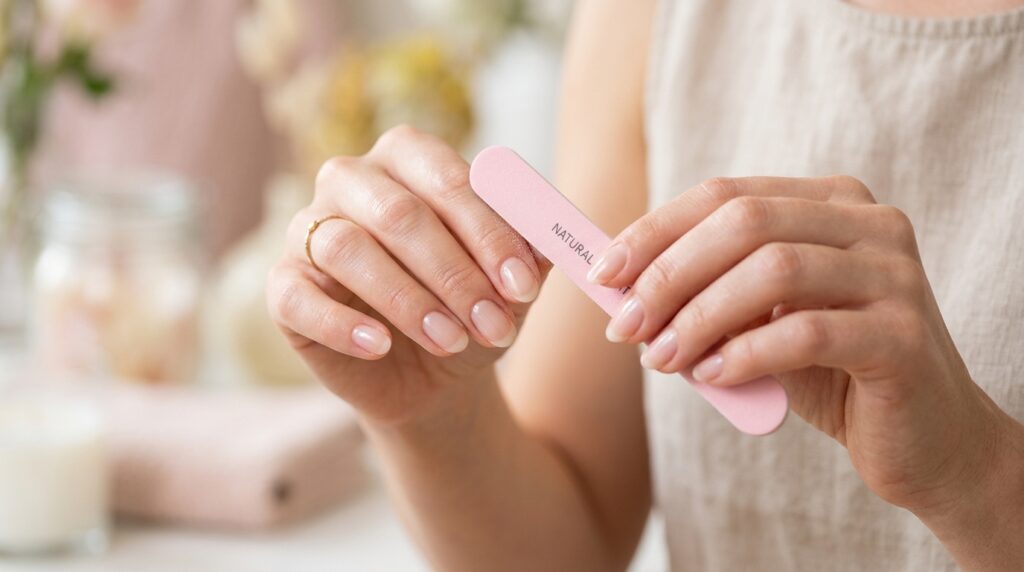
Whether you are doing a quick touch-up at home or an intricate DIY gel manicure, avoid these common filing pitfalls to keep your hands healthy:
- Filing Wet Nails: Never file your nails immediately after a shower or a bath. Wet nails are swollen with water and highly prone to tearing and bending. Always file them when completely dry.
- Using Dirty Tools: Nail files harbor dead skin cells and bacteria. Replace cheap emery boards frequently, and wash glass or metal files with warm water and antibacterial soap after every use.
- Over-buffing the Surface: Buffing the top plate of your nail too aggressively to remove ridges will leave the nail paper-thin, sensitive, and prone to breaking.
- Using Too Harsh a Grit: Keep the 100-grit files far away from your natural nails. Sticking to 180-grit or higher prevents unnecessary trauma.
- Trying to Fix Non-Nail Issues: As discussed, never use your manicure tools for DIY dentistry, carpentry, or skin removal (like calluses), unless the tool is specifically designed for it.
FAQs
Can I use a glass nail file on a chipped tooth?
No. Even though glass nail files feel smoother and gentler than cardboard emery boards, they are still abrasive tools made of tempered glass. They will irreversibly scrape away your tooth enamel and cause permanent damage.
What happens if I accidentally swallow dust from a nail file?
Ingesting a tiny trace amount of dust from a nail file is unlikely to cause severe poisoning, but it is not safe. Nail files contain synthetic abrasives and industrial glues that can irritate your throat and stomach.
Is there any beauty tool safe to use on teeth?
No cosmetic beauty tools meant for hair, skin, or nails should ever be used on your teeth. Only specialized, sterile dental instruments utilized by a licensed professional are safe for altering tooth structure.
How can I smooth a sharp tooth at home temporarily?
You cannot safely smooth a tooth at home. Instead of trying to file it down, cover the sharp edge with a piece of sugar-free chewing gum or dental wax from the pharmacy to protect your tongue until you can see a dentist.
Can I use a nail file to remove tartar or plaque?
Absolutely not. Using a nail file to scrape your teeth will destroy the enamel, severely cut your gums, and likely lead to a dangerous oral infection. Always see a dental hygienist for tartar removal.
What is the best type of nail file for easily chipped nails?
If your natural fingernails chip or peel easily, switch to a high-quality crystal or glass nail file. These seal the keratin layers together at the edge of the nail, preventing moisture from entering and causing further splitting.
Conclusion
The internet is full of creative beauty hacks, but asking can you nail file a chipped tooth reveals a trend that is incredibly dangerous. Under no circumstances should you ever use a nail file, emery board, or any other manicure tool on your teeth. Doing so guarantees permanent enamel destruction, invites severe nerve pain, and risks exposing your mouth to toxic cosmetic adhesives.
Instead, keep your beauty tools exactly where they belong: in your manicure kit. By understanding the proper use of different nail file grits and techniques, you can achieve beautiful, healthy fingernails safely at home. If you are dealing with a jagged tooth, prioritize your health and make an appointment with your dentist immediately. Making smart, informed decisions about how you use your cosmetic tools is the best way to protect both your smile and your natural nails.
