
Can You Wear Nail Polish Every Day? A Beginner’s Guide to Safe, Simple Wear

Yes — for most healthy nails, you can wear nail polish every day. The bigger issue is not that your nails need to “breathe,” but that constant polish, removal, and rubbing can leave nails drier, stained, or more brittle if you do it carelessly.
If your nails are in good shape and you use a gentle routine, daily polish wear is usually a cosmetic choice rather than a serious health concern. The key is to protect the nail plate, remove polish without peeling it off, and pay attention to signs that your nails need a break.
Quick Answer: Can You Wear Nail Polish Every Day?
For most people, yes, daily wear is fine.
Nail polish sits on the nail plate, which is made of keratin. It does not block oxygen the way skin does, so the idea that nails must “breathe” is a myth. What nails do need is moisture balance and careful handling. That matters more than whether polish is on them.
The main trade-offs of wearing polish every day are simple:
- You may see more staining, especially with dark shades.
- Nails and cuticles can feel drier after frequent remover use.
- Rough removal can make the surface of the nail feel thin or flaky.
If you want polished nails most of the time, the safest approach is usually not to avoid polish completely. It is to wear it in a way that reduces damage.
What Daily Nail Polish Can Do to Your Nails
Daily polish wear does not automatically damage nails, but it can create a few common problems over time.
Staining
Some colors, especially deeper reds, blues, and dark shades, can leave color behind on the nail plate if you skip base coat. That staining is usually cosmetic, but it can make nails look yellow or dull even after polish is removed.
A base coat helps create a barrier between the pigment and the nail. If you love dark polish, this is one of the easiest habits to keep nails looking cleaner between manicures.
Dryness
The polish itself is not usually the main problem. Dryness often comes from remover, repeated scrubbing, and frequent hand washing after removal.
Acetone works quickly, but it can leave nails and surrounding skin feeling drier. Non-acetone remover is often gentler, though it may need more time and a little more rubbing. If you already have dry hands, that difference matters.
Brittleness and peeling
If polish is left on too long and starts chipping badly, people often peel it off. That pulling can lift layers from the nail surface and make nails feel rough or split at the edges.
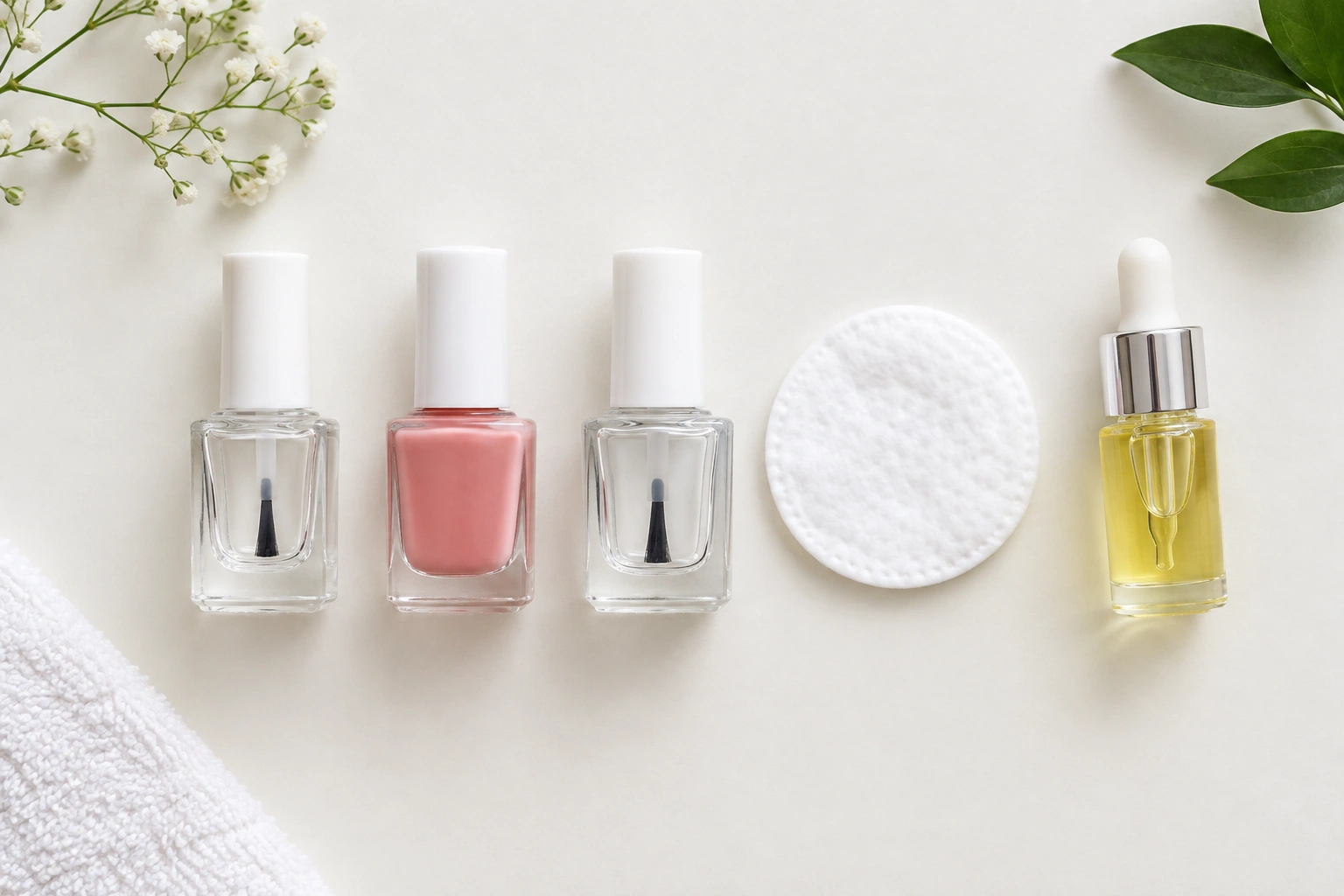
The nail itself is not “soft” in the same way skin is, but it can still become fragile when it is repeatedly stressed. If your nails begin peeling or splitting, the issue is usually the wear-and-removal cycle, not the polish color.
For a deeper look at polish texture and when old polish becomes hard to use, see why nail polish gets clumpy and how to revive old nail polish.
Do Nails Need a Break to “Breathe”?
Not in the literal sense.
Nails do not breathe like skin. They get no benefit from being “open to air” the way people sometimes imagine. What they do benefit from is a break from harsh removal, heavy rubbing, and repeated dryness.
A polish break is useful when:
- the nail surface looks rough or flaky
- your cuticles feel irritated
- the color stain is getting worse instead of fading
- your nails seem thinner than usual
So the goal is not to give nails air. The goal is to give them less stress.
How Long Can You Keep Nail Polish On?
There is no single universal deadline, but a practical beginner rule is to change or remove polish every 5–7 days, or sooner if it chips, lifts, or starts looking worn enough that you would be tempted to peel it.
Leaving polish on for weeks is not automatically harmful, but the longer it chips and lifts, the more likely you are to pick at it or scrub harder during removal. That is usually where the real damage happens.
If you wear polish continuously, a simple routine helps:
- Keep a base coat under color.
- Add a top coat to slow chipping.
- Remove polish gently when it starts to wear down.
- Reapply after moisturizing the nails and cuticles.
That approach usually works better than letting polish stay on far past its best-looking stage.
If you are unsure about drying and wear time, this guide on how long nail polish takes to dry completely can help you plan your routine.
Best Way to Wear Polish Often Without as Much Damage
If you want to wear polish every day, the safest routine is simple and repeatable.
Use a base coat every time
A base coat does two jobs: it helps polish grip better, and it gives the nail a protective layer against staining. For frequent polish wear, that small extra step is worth it.
Finish with a top coat
A top coat helps seal the color and reduce chips. Fewer chips usually means fewer emergency touch-ups, less picking, and less remover use.
Remove polish gently
Do not scrape or peel. Soak a cotton pad with remover, press it on the nail for a few seconds, then wipe in a few controlled passes. If the polish resists, reapply remover instead of forcing it off.
Moisturize after removal
After you remove polish, apply hand cream and cuticle oil if you have it. This is one of the easiest ways to offset the dryness that can come from remover.
Keep the nail surface calm
If your nails are already fragile, avoid stacking too many “strengthening” products at once. More hardening products do not always mean healthier nails. Sometimes they just make nails drier and more likely to crack.
Acetone vs. Non-Acetone Remover: Which Is Better for Frequent Use?

Both removers have a place, but they work differently.
| Option | Best for | Dryness level | Removal speed | Beginner note |
|---|---|---|---|---|
| Acetone remover | Fast removal, stubborn polish, glitter | More drying | Faster | Good when you need efficiency and can moisturize afterward |
| Non-acetone remover | Regular polish, drier nails, gentler routine | Usually less drying | Slower | Better if your nails and skin get dry easily |
Use acetone if you want quick, effective removal and your nails tolerate it well. Use non-acetone if dryness is your main concern and you do not mind a slower process.
If your nails are already peeling, splitting, or feeling fragile, start with non-acetone remover and keep the routine as gentle as possible. Save acetone for stubborn polish, glitter, or times when you need faster removal and can follow up with moisturizer.
For everyday wear, many beginners do well with non-acetone remover for normal polish and keep acetone for the times when polish is stubborn.
Regular Polish vs. Gel Polish for Everyday Wear
If you wear polish often, regular polish and gel polish solve different problems.
| Type | Wear time | Removal | Maintenance | Good for |
|---|---|---|---|---|
| Regular polish | Shorter wear | Easier at home | More touch-ups | Beginners who want simple changes and easier removal |
| Gel polish | Longer wear | Harder and more involved | Less frequent repainting | People who want a longer-lasting finish and are comfortable with careful removal |
Regular polish is usually easier on a beginner’s routine because it is simpler to remove and change. Gel can last longer, but removal is where people often run into trouble if they pick or peel it.
If your main goal is everyday color with low hassle, regular polish is often the easier choice. If your main goal is fewer chips and you are willing to be careful with removal, gel may fit better.
When to Take a Break From Polish
A break is most useful when your nails are showing signs of stress.
Pause polish use if you notice:
- peeling layers at the tip
- splitting or cracking
- roughness that does not improve after removal
- persistent staining that keeps getting worse
- irritated cuticles or skin around the nails
A short break does not need to be dramatic. Even a few days without polish, plus moisturizer and gentle filing, can help you see whether the nail surface is recovering.
Between manicures, keep the routine simple: avoid buffing the nail surface, keep nails trimmed if they are peeling, and use cuticle oil regularly. If the damage looks mild, trim the nail edges and keep them smooth so they do not catch and split further.
If the damage keeps returning, change the routine: use polish less often, switch to gentler removal, and avoid peeling or scraping it off.
Signs Your Nails Need Extra Care or a Professional Check
Some changes are more than normal polish wear.
Cosmetic issues that are usually not medical emergencies include light staining, dryness, and mild surface roughness after removal. Those often improve with a break, moisturizer, and gentler handling.
See a nail technician or dermatologist if you notice:
- pain around the nail
- swelling or redness
- lifting of the nail from the nail bed
- yellowing that does not improve after polish removal
- thickening, crumbling, or ongoing discoloration
These signs can point to irritation or a nail problem that is not solved by simply taking off polish. If something looks unusual and does not clear up, it is better to ask a professional than to keep covering it.
For official guidance on nail and skin irritation concerns, you can also review general consumer advice from the FDA and basic nail-care safety information from the CDC.
A Simple Everyday Routine for Frequent Polish Wear
If you want a low-stress habit, keep it this simple:
- Apply base coat before color.
- Use thin polish layers.
- Finish with top coat.
- Remove polish gently when it starts to chip.
- Moisturize nails and cuticles after removal.
- Take a short break if nails start peeling or feeling rough.
That routine is usually enough for beginners who want polished nails most days without turning nail care into a project.
FAQ: Daily Nail Polish Use
Can I leave nail polish on for weeks?
You can, but it is not the best habit if the polish is chipping, lifting, or making you want to peel it off. Refreshing it sooner is usually kinder to the nail surface.
Do nails really need to “breathe” between manicures?
No. Nails do not breathe. They do, however, benefit from moisture and from avoiding harsh removal.
Is acetone bad for everyday use?
Not automatically, but it can be drying. If your nails or skin feel stripped after removal, switch to gentler removal when possible and moisturize afterward.
Which is safer for regular wear: regular polish or gel?
Regular polish is usually easier for beginners because removal is simpler. Gel lasts longer, but the removal process can be more damaging if done poorly.
What if my nails look yellow after polish?
That can happen from staining, especially with dark colors. Try a base coat next time. If the discoloration does not improve, take a break and have it checked if needed.
Final Takeaway
Yes, you can wear nail polish every day if your nails are healthy and your routine is gentle. The real habits that protect your nails are simple: use a base coat, remove polish without peeling, and pay attention to dryness or damage before it gets worse.
