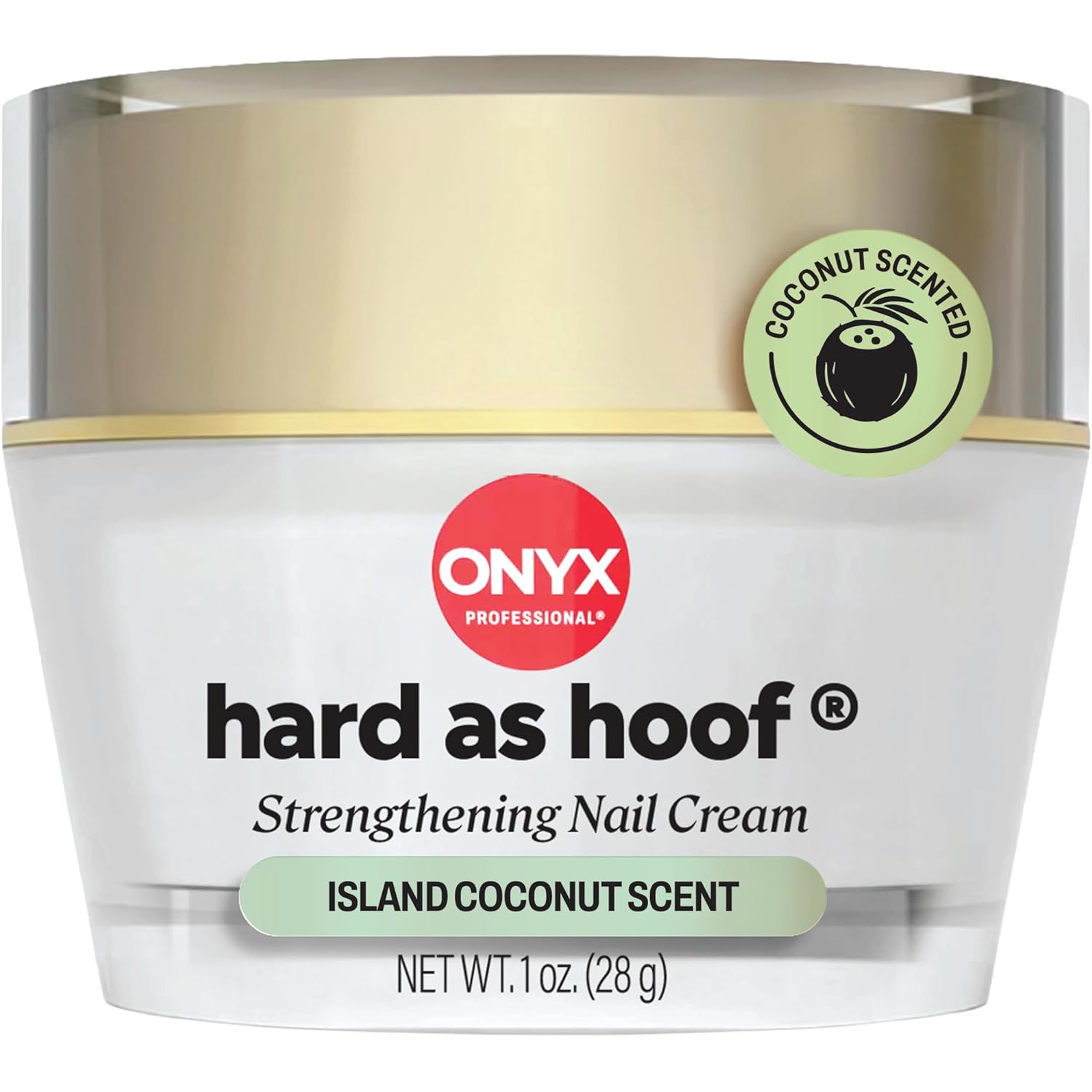
Daily healthy fingernail care works best when you keep nails clean, dry, moisturized, and protected from harsh daily tasks. A simple routine plus good nutrition can help reduce breakage, peeling, and dryness over time.
Daily healthy fingernail care does not have to be complicated. In 2026, the best routines are still the ones people can repeat every day: keep nails clean and dry, protect them from harsh tasks, and support them with moisture and good nutrition.
For NailPrime readers, the goal is simple stronger nails with fewer splits, peels, and breaks. If your nails seem fragile, it often comes down to everyday habits, product choices, and how much stress your hands take at home, at work, and on the go.
- Clean and dry: Moisture and harsh washing can weaken nails over time.
- Moisturize daily: Hand cream and cuticle oil help reduce dryness and brittleness.
- Protect nails: Gloves and gentle habits prevent many common breaks.
- Eat well: Protein and key nutrients support healthier nail growth.
- Watch for warning signs: Pain, discoloration, lifting, or swelling need professional attention.
Daily Healthy Fingernail Care: What It Means in 2026 and Why It Matters
Healthy fingernail care today is less about perfect salon nails and more about consistency. A few small habits repeated daily can make nails feel smoother, look more polished, and hold up better between manicures.
It also helps you spot problems earlier. Changes in color, texture, or shape can be easier to notice when you already pay attention to your nails during a simple daily routine.
How daily nail habits affect strength, growth, and breakage
Nails grow slowly, so damage builds up over time. If your nails are often wet, filed too aggressively, or used like tools, they may split or peel before new growth can catch up.
On the other hand, gentle shaping, regular moisturizing, and protection from water and chemicals can help nails stay more flexible. Flexible nails usually break less easily than dry, brittle ones.
What readers are looking for: simple routines, not salon-only solutions
Most people do not want a 12-step routine or a salon visit every week. They want practical nail care they can do before work, after washing hands, or while getting ready for bed.
That is why simple tools like a nail file, hand cream, and cuticle oil are so useful. If you want to learn more about oils, NailPrime also covers healthy nail oils and how they fit into a basic routine.
Build a 5-Minute Morning Fingernail Routine for Stronger Nails
A short morning routine can help you start the day with cleaner, smoother, better-protected nails. You do not need salon-level products to make a real difference.
Wash hands gently, then dry nails fully, including around the edges.
Look for snags, peeling, redness, or rough cuticle areas before they get worse.
Apply hand cream and a small amount of cuticle oil to seal in hydration.
File only if needed, using light pressure and one direction.
Clean, dry, and inspect: the first step before polish or work tasks
Clean nails are easier to care for, but they should also be dry. Moisture trapped under the free edge or around the cuticle area can leave nails softer and more prone to bending.
A quick look at your nails each morning helps you catch a rough edge before it turns into a full break. If one nail is already splitting, filing it early is better than waiting for it to snag.
Moisturize nails and cuticles with the right products
Dryness is one of the biggest reasons nails look dull or peel at the tips. A basic hand cream helps, but cuticle oil can add extra support around the nail plate and surrounding skin.
If you are choosing between products, look for something that feels comfortable enough to use daily. NailPrime’s guide to the best essential oils for nail health may also help if you prefer a more natural-feeling option.
Moisturizer works best when used consistently. Applying it once in a while is helpful, but daily use is what usually makes nails feel less dry over time.
File gently in one direction to prevent splitting
Filing back and forth aggressively can rough up the nail edge and encourage peeling. A fine or medium file used in one direction is usually gentler for daily care.
If your nails are already weak, keep them slightly shorter until they recover. That reduces leverage and makes accidental breaks less likely.
Daily Habits That Protect Fingernails at Home, Work, and on the Go
The biggest nail stress often comes from normal life: washing dishes, typing, gardening, cleaning, and reaching for packages. Protecting nails in those moments can prevent a lot of damage.
Use gloves for dishes, cleaning, gardening, and cold weather
Water, detergent, soil, and cold air can all dry out nails and the skin around them. Gloves create a simple barrier that helps reduce repeated exposure.
If you wash dishes often, even short sessions can add up. The same is true for cleaning products and outdoor work, where nails can chip or bend without much warning.
Repeated wetting and drying can make nails feel softer and more fragile, which is why protection matters even when your hands are only in water for a few minutes at a time.
Avoid using nails as tools for opening cans, labels, or packaging
Using your nails to pry, scrape, or peel can cause tiny cracks that grow into splits. If you need to open packaging often, keep a small tool nearby instead of relying on your fingertips.
This habit matters even more if you wear extensions or overlays. For readers who use enhancements, learning about proper removal is important, and NailPrime has a guide on safe fake nail removal at home when salon removal is not available.
Choose nail-friendly hand sanitizers and limit repeated soaking
Hand sanitizer can be useful, but repeated use may leave hands feeling dry. That dryness can also show up in the nails and cuticles, especially if you skip moisturizer afterward.
Soaking nails in water for long periods can also soften them too much. Short contact is normal, but frequent soaking without drying and moisturizing afterward may make nails more prone to peeling.
If a product stings, burns, or causes redness, stop using it and check the ingredient list. Sensitivity or allergy can happen with nail products, sanitizers, or removers.
What to Eat and Drink for Better Nail Health from the Inside Out
Topical care helps, but nails also reflect what is happening inside the body. A balanced diet and enough fluids can support the nail growth cycle and help reduce dryness-related brittleness.
Key nutrients linked to stronger fingernails: protein, biotin, iron, zinc, and omega-3s
Nails are made mostly of keratin, a protein, so protein intake matters. Biotin, iron, zinc, and omega-3 fats are also commonly discussed in nail care because they support normal body functions tied to hair, skin, and nails.
Supplements are not always necessary, and results vary. If you suspect a deficiency, it is better to ask a healthcare professional before starting anything new, especially if you have other health concerns.
Hydration and how dryness shows up in brittle nails
Dry nails may feel rough, peel at the ends, or break more easily. While water alone will not “fix” nail health, staying hydrated supports your overall skin and nail condition.
Think of hydration as part of the bigger picture. It works best alongside moisturizer, protection, and a balanced diet.
Practical meal examples for a nail-supportive day
A nail-supportive day does not need special recipes. A breakfast with eggs or yogurt, a lunch with beans or chicken, and a dinner with salmon, tofu, or lean meat can help cover protein and other useful nutrients.
Add colorful vegetables, nuts, seeds, and fruit when you can. These foods support overall wellness, which often shows up in better-looking nails over time.
Can a nail tech tell if my nails need more than basic care?
A licensed nail tech can often notice surface damage, dryness, or product-related wear and suggest safer salon services. If the nail looks infected, painful, or unusually discolored, a medical professional is the better first stop.
Common Fingernail Care Mistakes That Cause Weakness and Peeling
Many nail problems come from trying to “fix” nails too hard. The more you push, pick, buff, or remove product aggressively, the more likely the nail becomes thin and irritated.
Over-buffing, aggressive cuticle cutting, and picking at hangnails
Buffing can make the surface look smoother, but too much of it can thin the nail. Cuticles also protect the nail area, so cutting them aggressively may leave skin more vulnerable.
Picking at hangnails is another common mistake. It can tear skin, cause bleeding, and make the area sore or inflamed. A clean clip and a little oil is usually safer than pulling.
Ragged edges, sore skin, or tiny tears near the cuticle.
Fix
Trim carefully with sanitized tools, then moisturize and leave the area alone while it heals.
Frequent gel removal, acetone overuse, and skipped recovery time
Gel manicures can look polished and last well, but repeated removal can be hard on nails if done too often or too roughly. Acetone can also dry nails and surrounding skin if used without aftercare.
If you wear gel often, recovery time matters. A break between services may help nails bounce back, especially if they already feel thin or soft. For more context, see NailPrime’s article on what gel nails are before choosing a routine that fits your lifestyle.
Why “clean” nails can still be damaged by too much washing or sanitizing
Clean nails are not always healthy nails. Washing too often, scrubbing hard, or using sanitizer repeatedly without moisturizing can leave nails and skin dry and irritated.
The fix is balance: keep hands clean, but follow with moisture and avoid unnecessary harshness. That is often the difference between nails that merely look clean and nails that stay strong.
Avoid salon services if the nail area is bleeding, swollen, painful, infected, or reacting badly to a product.
When to See a Nail Tech or Medical Professional About Nail Problems
Some nail concerns are cosmetic, but others deserve prompt attention. If the change is sudden, painful, or spreading, do not assume it is just dryness.
Warning signs: discoloration, pain, lifting, ridges, thickening, or sudden shedding
Look out for green, yellow, brown, or dark discoloration, especially if it appears with odor, pain, or lifting. Thickening, severe ridges, or nails that suddenly shed can also be signs that need more than home care.
These symptoms may have different causes, and some can overlap with infection, trauma, allergy, or other health issues. A proper evaluation matters more than guessing.
What a licensed nail tech can safely help with versus what needs medical attention
A licensed nail tech can often help with shaping, gentle maintenance, moisturizing treatments, and safer product choices. They can also tell you when a service is not appropriate for the condition of the nail.
However, pain, swelling, bleeding, pus, or strong discoloration should be checked by a dermatologist or healthcare professional. Nail services should not replace medical care when the nail area looks unhealthy.
Contact a licensed nail tech, dermatologist, or healthcare professional if your nail pain is worsening, the nail is lifting, or you suspect fungus, infection, or an allergic reaction.
When home care is not enough and delaying help can make things worse
If you keep treating a problem as simple dryness when it is actually something else, the nail may get more damaged over time. Delaying help can also make it harder to tell what started the issue in the first place.
When in doubt, start with a professional opinion. It is usually safer than trying multiple products on an irritated nail.
Time, Cost, and Product Comparison: Budget-Friendly Daily Nail Care vs. Salon Maintenance
Daily nail care can be very affordable, especially if you focus on a few essentials. Salon maintenance can still be worthwhile, but the best choice depends on your nail condition, schedule, and budget.
Low-cost essentials: nail file, cuticle oil, hand cream, and protective gloves
These basics cover most daily needs. A good file shapes the edge, cuticle oil supports flexibility, hand cream helps with dryness, and gloves protect nails during chores.
Comparing daily at-home care with regular salon services for long-term nail strength
At-home care is best for consistency. It lets you moisturize and protect nails every day without waiting for an appointment.
Salon services can help with shaping, maintenance, and product application, especially if you prefer polished nails or wear enhancements. The right balance depends on how much upkeep you want and how your nails respond to products.
| Option | Best For | Note |
|---|---|---|
| At-home care | Daily maintenance and prevention | Low effort, low cost, highly repeatable |
| Salon maintenance | Shaping, polish, and enhancement upkeep | Results vary by service, technique, and nail condition |
How to choose products that fit a realistic 2026 routine without overspending
Choose products you will actually use. A simple routine with a reliable file and a moisturizing product is more valuable than a shelf full of items you forget about.
If you wear polish or enhancements, make sure removers and treatments match your nail type and current condition. For example, readers who use at-home removers may want to review NailPrime’s guide to whether nail polish remover can remove gel before trying to force a product off.
Final Recap: The Best Daily Healthy Fingernail Care Habits to Keep Nails Strong
The best daily healthy fingernail care is simple: clean gently, dry thoroughly, moisturize often, and protect nails from unnecessary stress. Those basics matter more than occasional rescue treatments.
The easiest routine to remember and repeat every day
Think of it as a three-part habit: clean, condition, protect. If you do those steps most days, your nails are more likely to stay smooth and less likely to split or peel.
Top takeaways for stronger, smoother, healthier fingernails over time
Use gloves for wet work, avoid using nails as tools, and keep cuticles calm instead of picking at them. Pair that with balanced meals, enough hydration, and careful product choices.
Healthy nails are usually the result of small choices repeated consistently. That is the most realistic path to stronger fingernails over time.
Frequently Asked Questions
Most people benefit from daily moisturizing, and some need it more often after handwashing or sanitizer use. Consistent use matters more than using a large amount at once.
It is usually safer to file nails when they are dry, since wet nails can be softer and more prone to tearing. Use light pressure and file in one direction.
Pain, swelling, bleeding, strong discoloration, lifting, thickening, odor, or sudden shedding are all reasons to seek medical advice. If symptoms are worsening, do not rely on home care alone.
Cuticle oil can be helpful if it encourages daily moisture and feels comfortable to use. Look for a product you will apply consistently and stop using anything that irritates the skin.
You can say your nails are fragile and ask for minimal filing, gentle cuticle care, and a service that avoids over-thinning the nail. A good nail tech should be able to adjust the service or tell you if it is not a safe time for treatment.
Check the ingredient list, intended use, and whether the product matches your current nail condition. If you have sensitivity, damaged nails, or a history of reactions, choose carefully and consider professional guidance.