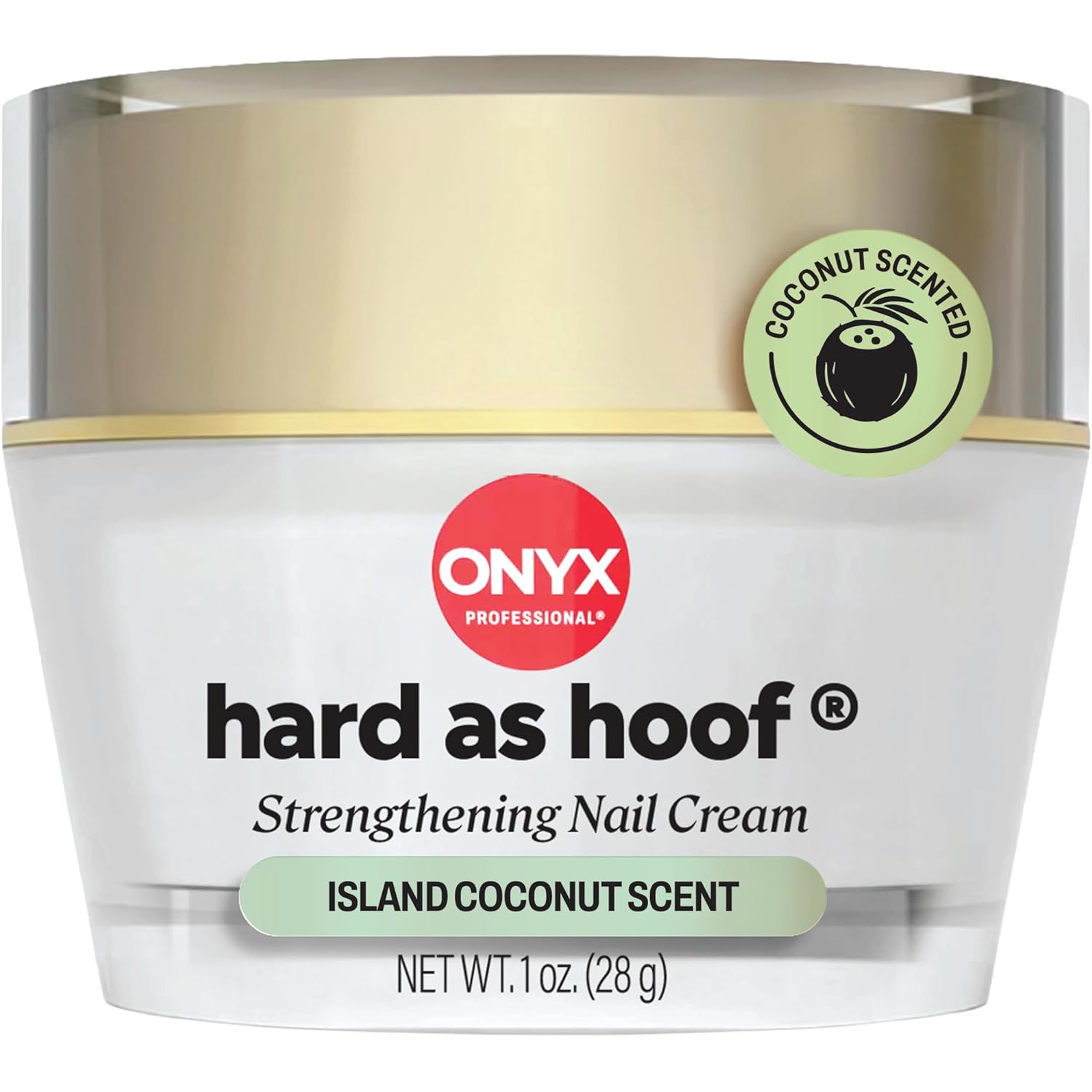
Healthy nail growth is mostly about preventing breakage, keeping nails moisturized, and supporting them with good nutrition. The fastest visible results usually come from gentle care, gloves for wet work, and stopping habits that thin or split the nail.
Strong, longer nails usually come from a mix of better habits, less breakage, and a routine that protects the nail plate while it grows. If you want effective healthy nail growth tips that actually fit real life, the goal is not to force nails to grow faster — it is to help them grow with fewer splits, peels, and snaps.
- Protect first: Less breakage means more visible length.
- Moisturize daily: Cuticle oil and hand cream help reduce dryness.
- Eat well: Protein and key nutrients support stronger nails.
- Choose gentle products: Safe prep and removal matter more than trends.
Effective Healthy Nail Growth Tips: What Actually Helps Nails Grow Stronger in 2026
Search intent: quick, practical advice for readers who want longer, less breakable nails
Most readers searching for nail growth tips want simple changes they can start today. That usually means fewer harsh products, more moisture, better nutrition, and a manicure routine that does not create new damage.
What “healthy nail growth” really means: growth speed vs. growth quality
Nails grow continuously, but many people think their nails “won’t grow” when the real issue is breakage. Healthy nail growth is less about making nails appear overnight and more about helping them stay intact long enough to reach length.
Key nail insight: breakage often matters more than speedIf nails keep splitting, your growth routine should focus on protection first
Build the Nail Growth Basics: Nutrition, Hydration, and Daily Habits
Protein, biotin, iron, zinc, and omega-3s: the nutrients most tied to stronger nails
Nails are made of keratin, a protein, so a balanced diet with enough protein is a practical starting point. Biotin, iron, zinc, and omega-3s are also commonly discussed in nail care because low intake of these nutrients may be linked with weaker-looking nails in some people.
That does not mean supplements are automatically needed. For many readers, the best first step is improving meals and checking with a healthcare professional before starting anything new, especially if nail changes are sudden or severe.
How dehydration, crash diets, and low-calorie routines slow nail progress
Dry nails tend to bend, peel, and break more easily, which can make growth feel stalled. Crash diets and very low-calorie routines can also leave less room for the nutrients your body uses to support healthy skin, hair, and nails.
If you are eating less on purpose, pay attention to whether your nails are getting more brittle. That can be a sign that your routine needs more balance, not just more nail products.
Simple real-life examples: meal swaps and hydration habits that support growth
Small swaps can be more realistic than a strict “nail diet.” For example, adding eggs, yogurt, beans, salmon, nuts, leafy greens, or tofu can make a better everyday base than relying on snacks alone.
Hydration also matters in a practical way. Keeping a water bottle nearby, drinking a glass with each meal, and using hand cream after washing can support a less dry nail environment.
If your nails split easily, pair better nutrition with daily moisture. Food supports the nail from the inside, while oil and cream help reduce surface dryness.
Protect Nails From Breakage Before They Reach Length
Why weak nails often “stop growing” because they keep snapping
Many nails are growing just fine underneath, but the free edge keeps breaking before it becomes noticeable. That is why the best healthy nail growth tips usually focus on preventing everyday damage first.
When you reduce breakage, you give nails time to appear longer without needing aggressive treatments or constant salon upkeep.
Best everyday protection: gloves, avoiding over-wetting, and reducing friction
Wear gloves for dishes, cleaning, gardening, and any task that exposes nails to water, detergents, or rough surfaces. Repeated wetting and drying can make nails more prone to peeling and softening.
Try to reduce friction too. Typing, opening cans, scraping labels, and rubbing nails against hard surfaces can all add up over time.
Common mistakes: using nails as tools, peeling polish, and aggressive buffing
Using nails to pry, scratch, or peel things is one of the fastest ways to create chips and layers that flake apart. Peeling off polish can also pull at the top layers of the nail plate.
Aggressive buffing may make nails look smooth for a moment, but too much can thin the surface. If you want length, gentler is usually better.
If nails are lifting, painful, or changing color, do not keep filing or peeling at them. That can make the damage worse and hide a bigger issue.
Choose a Nail Care Routine That Supports Growth, Not Damage
Cuticle oil, hand cream, and gentle filing: the routine that helps retain length
A simple routine can go a long way. Cuticle oil helps soften the skin around the nail and can support a more flexible, less dry nail edge, while hand cream helps keep the whole area comfortable and protected.
Gentle filing is better than rough shaping. File in one direction when possible and smooth the edges before a tiny snag becomes a full break.
If you want to compare oil options, NailPrime readers often also look at guides like cuticle oil for growth and strength and jojoba oil for nail growth for more moisture-focused routines.
How often to trim, file, and moisturize for different nail types
There is no single perfect schedule for everyone. Very fragile nails may do better with light filing as needed, while stronger nails can usually handle regular shaping and occasional trimming.
Moisturizing is the most flexible step, and it can be done daily or even multiple times a day if your hands are dry. The more often your hands are washed, the more often moisture tends to help.
Comparison: glass file vs. emery board vs. clipping for fragile nails
Different tools work better for different nail conditions. Fragile nails often do best with the least harsh approach that still keeps the edge smooth.
| Option | Best For | Note |
|---|---|---|
| Glass file | Fragile or peeling nails | Usually smoother on the edge and helpful for gentle shaping |
| Emery board | Quick at-home shaping | Can work well, but rougher grit may be too aggressive for weak nails |
| Clipping | Longer nails that need a reset | Best when followed by careful filing to prevent snags |
Many nail breaks start as tiny edge snags. Smoothing the corner early can help you keep length longer than waiting until the tear gets bigger.
Manicure and Product Choices That Can Make or Break Growth
Base coats, strengthening treatments, and breathable polish: what to look for
For growth goals, it helps to choose products that support the nail instead of drying it out. A good base coat can create a buffer between polish and nail, while strengthening treatments may help some people manage weak nails better.
“Breathable” polish is often marketed for comfort and nail-friendly wear, but results vary by formula and nail condition. If your nails are already dry or peeling, keeping the routine simple is often safer than layering on several treatments at once.
Gel, acrylic, press-ons, and natural nails: which option is best for growth goals
Each option has tradeoffs. Gel, acrylic, and press-ons can help some people protect their natural nails from daily wear, but they can also cause damage if removal is rushed or the product is applied poorly.
Natural nails may be best if your main goal is to reduce product-related stress. If you prefer enhancements, proper prep and safe removal matter more than the style itself.
Readers comparing enhancement choices may also find it useful to understand what gel nails are and how removal affects nail condition before committing to a long wear cycle.
How can I ask a nail tech for growth-friendly nails?
Ask for a shape that reduces snagging, a gentle prep, and a removal method that does not involve peeling or force. If your nails are fragile, say that clearly so the tech can adjust the service and product choice.
Cost and time comparison: at-home care vs. salon maintenance for healthier growth
At-home care is usually more flexible and easier to maintain daily, while salon care can be helpful if you want a polished look or need expert shaping. Which one is better depends on your schedule, budget, and how much upkeep your nails need.
When Nail Problems Are More Than a Cosmetic Issue
Warning signs that need a nail tech, dermatologist, or medical professional
Some nail changes are more than dryness or bad polish. If you notice pain, swelling, bleeding, infection, sudden thinning, or nail lifting that keeps getting worse, it is time to get help from a licensed nail tech, dermatologist, or healthcare professional.
Red flags: splitting, lifting, discoloration, pain, ridges, or sudden thinning
Deep splitting, green or dark discoloration, unusual ridges, and rapid changes in thickness can point to product damage, trauma, fungus, or another issue. These signs should not be ignored if they are new or persistent.
For example, if a fake nail leaves the natural nail looking green, that can be a sign to stop using the product and get proper guidance rather than covering it up. NailPrime also covers related topics like why a nail turns green after fake nails for readers trying to understand possible causes.
Why “home remedies” can delay treatment for underlying issues
Home care can help with mild dryness, but it cannot replace proper treatment for infections, allergies, or more serious nail damage. Waiting too long can make recovery harder and may also spread the problem.
Contact a dermatologist or healthcare professional if you have pain, swelling, bleeding, pus, nail lifting, sudden color changes, or repeated breakage that does not improve with gentle care.
Healthy Nail Growth Tips That Fit a Real 2026 Lifestyle
Best habits for busy schedules, frequent handwashing, and digital-heavy work
Modern routines can be rough on nails, especially if you wash your hands often or spend all day typing. The best strategy is to build small protective habits into things you already do, like applying hand cream after washing or keeping a file at your desk.
A quick nail check at the end of the day can catch snags before they become tears. That is especially useful for people who work on a keyboard, use touchscreens, or handle lots of packaging.
Seasonal adjustments for winter dryness, summer exposure, and travel
Winter often calls for more moisture, since cold air and indoor heat can leave nails drier. In summer, sunscreen, pool water, salt water, and more outdoor activity can mean more exposure and more wear.
Travel can interrupt routines, so a tiny kit with hand cream, cuticle oil, and a file can help you stay consistent even away from home.
Practical weekly mini-routine for consistent progress without overload
You do not need a complicated schedule to support nail growth. A simple weekly routine is usually easier to keep up with than a long list of steps you forget after a few days.
Apply hand cream after washing and use cuticle oil when nails feel dry.
Look for snags, chips, or polish lifting and smooth the edge early.
Trim or file only as needed, then reapply a base coat or treatment if you wear polish.
- Are your nails snapping at the same spot each week?
- Do your hands feel dry after washing?
- Are you using nails as tools without noticing?
- Is your manicure removal gentle enough?
Final Recap: The Most Effective Healthy Nail Growth Tips to Start Using Now
Top takeaways for stronger, longer-lasting nails
The most effective healthy nail growth tips are usually the simplest ones: eat enough protein and key nutrients, keep nails moisturized, protect them from water and friction, and avoid habits that cause breakage. Growth looks better when the nail can stay intact long enough to show length.
What to prioritize first for the fastest visible improvement
If you want the quickest visible change, start with cuticle oil, hand cream, gentle filing, and better breakage prevention. Then build from there with balanced meals, safer manicures, and professional help if your nails show warning signs that need attention.
- Focus on preventing breakage, not just chasing faster growth.
- Use moisture, gloves, and gentle filing to protect length.
- Choose nail products and removals that do not thin the nail plate.
- Get professional help for pain, discoloration, lifting, or sudden damage.
Frequently Asked Questions
The fastest visible improvement usually comes from preventing breakage. Moisturize daily, wear gloves for wet work, and avoid peeling polish or using nails as tools.
Cuticle oil can help support a healthier nail environment by reducing dryness around the nail. It is especially useful if your nails split or peel easily, but results vary by nail condition and routine.
Ask for gentle prep, a shape that reduces snagging, and careful removal if you wear enhancements. Mention that your nails are fragile so the service can be adjusted to fit your needs.
Get checked if you notice pain, swelling, bleeding, lifting, discoloration, or sudden thinning. These can point to damage, infection, allergy, or another issue that needs proper care.
The best option depends on your nail condition and how the product is applied and removed. Any enhancement can help or harm growth goals depending on technique, wear time, and removal method.
Use a base coat, keep nails dry during chores, and avoid picking at chips. Gentle removal matters just as much as wear time, so do not peel off polish or enhancements.