
How to Stop Kids from Biting Their Nails: Practical Steps That Actually Help

Nail biting in children can be frustrating to watch, especially when it leads to sore fingers, ragged cuticles, or embarrassed little hands hiding under sleeves. The good news is that this habit is usually manageable with calm, consistent strategies that help the child do something different rather than simply “stop.”
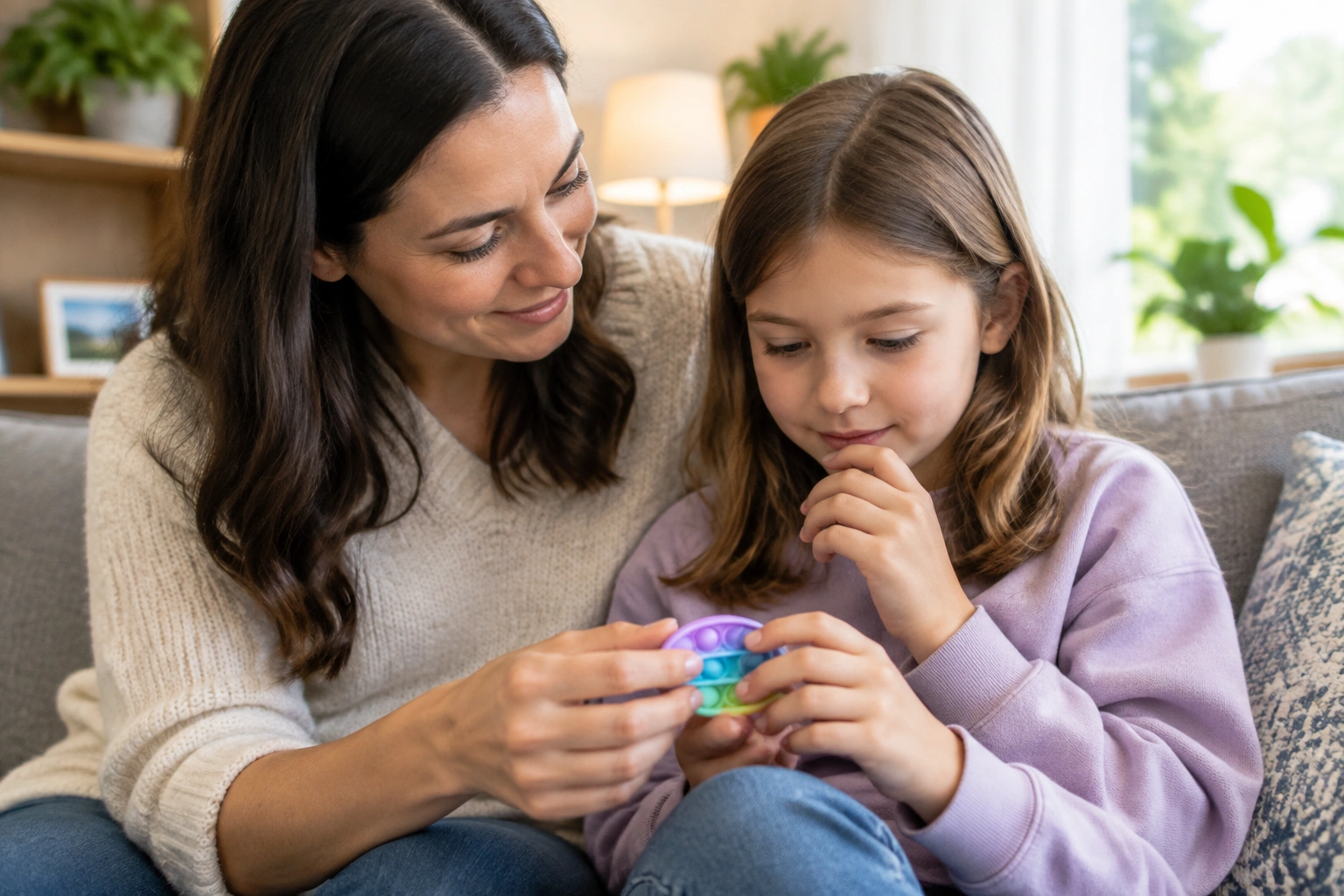
As a nail technician, I always think in terms of access, triggers, and replacement. If a child can reach the nails easily, feels bored or tense, and has nothing else to do with their hands, the habit tends to keep showing up. That means the solution is rarely one single product. It’s usually a small system that makes biting less automatic.
Nail biting can be a normal habit in many children, but it can also be linked to stress, boredom, anxiety, or attention issues. That does not mean the child is being defiant.
Why Kids Bite Their Nails
Children bite their nails for different reasons, and the reason matters because it shapes the fix.
Some kids do it when they are bored, such as during car rides, screen time, or homework. Others bite when they feel nervous, overstimulated, or unsure what to do with their hands. For some, it becomes a self-soothing habit, much like twirling hair or chewing on a sleeve. In other cases, it’s simply automatic: the child may not even notice they are doing it until you point it out.
A useful way to think about it is this: if the biting happens most during quiet, idle moments, boredom may be the main driver. If it shows up before school, tests, social events, or bedtime, stress may be part of the pattern. If it happens all day long without a clear trigger, the habit may have become deeply automatic.
That distinction helps you choose a response that fits the child instead of adding more pressure.
Is Nail Biting Normal or a Problem?
Occasional nail biting is common enough that many families see it as a passing habit. It becomes more concerning when it is frequent, painful, or causing visible damage.
A practical rule is this: if the child’s nails are mostly intact and the habit is occasional, you can usually begin with home strategies. If the fingers are bleeding, the cuticles are torn, the skin looks irritated, or the child seems unable to stop despite repeated efforts, it’s time to take it more seriously.
Also watch for signs that the habit is affecting daily life. A child who hides their hands, avoids school activities, complains of pain, or keeps reopening the same skin areas may need more support than a simple reminder.
If you notice swelling, pus, worsening redness, or pain around the nail, treat that as a health issue, not just a behavior issue. In those cases, a pediatrician or dermatologist should evaluate the area.
Start With the Most Effective Home Strategy
The most useful first step is usually not punishment. It’s awareness plus a replacement behavior.
That means helping the child notice when the hand is moving toward the mouth, then giving them a specific action to do instead. This approach is often called habit replacement.
For a mild case, keep the plan simple:
- Notice the pattern.
- Interrupt it gently.
- Replace the behavior.
- Reinforce progress.
For example, if your child bites nails while watching TV, give them a small fidget, a stress ball, or a soft putty to keep in their hands during that activity. If the biting happens during homework, try a pencil grip, a textured eraser, or a brief hand break between tasks.
What matters most is consistency. One calm plan used every day works better than several different tactics used only when you remember them.
Use Habit Replacement Instead of Just Saying “Don’t Bite”
Telling a child not to bite often stops at the warning. It does not tell them what to do instead.
A better replacement behavior should be simple, immediate, and physically incompatible with nail biting. Good options include squeezing a stress ball, folding hands under the table for a few seconds, holding a fidget toy, or placing both hands flat on the thighs until the urge passes.
The replacement needs to match the child’s age and setting. A school-age child may do well with a small fidget tucked in a backpack. A younger child may need something more obvious, like a toy they can hold during screen time. A preteen may prefer something discreet, such as a ring, putty, or a pen they can click or twist.
The goal is not perfection. It’s to interrupt the automatic motion long enough for the child to build a new pattern.
Make It Easier to Succeed With Nail Care and Simple Barriers
A clean, low-friction nail routine can reduce both temptation and damage.
Kaiser Permanente recommends keeping a child’s nails trimmed and filed, and moisturizing the cuticles. Short, smooth nails and soft cuticles are less tempting to bite. In practice, that means trimming nails regularly so there is less rough edge for the child to pick at, then smoothing any sharp corners with a file.
How to Take Care of Kids’ Nails Safely can help if you want a simple routine that keeps nails in better shape while you work on the habit.
Some families also use low-risk barriers such as bandages or finger covers. These can be helpful when a child bites the same finger repeatedly or when a specific nail is healing. The trade-off is that barriers may be uncomfortable, easy to remove, or awkward in school. They work best as short-term reminders, not long-term solutions.
Use barriers carefully with younger children, and make sure they are not a choking or skin-irritation risk. If the child hates the barrier, the stress may outweigh the benefit.
How to Use Praise, Rewards, and Reminders the Right Way
Positive reinforcement usually works better than scolding. A child who feels watched, corrected, or embarrassed may bite more, not less.
Keep the praise specific. Instead of “Good job,” say, “I noticed you kept your hands busy during the movie,” or “You remembered to use your fidget while doing homework.” Specific praise teaches the child what success looks like.
A simple sticker chart can also help, especially for younger children. You might reward nail-free mornings, school days without biting, or times when the child used a replacement behavior instead of biting. The reward does not need to be large. Extra story time, choosing dessert, or a small privilege can be enough.
What to avoid? Constant reminders, teasing, or code words that feel like a public correction. If you need a cue, make it quiet and neutral, like a hand signal or a private phrase you both agree on.
Should You Use Bitter Nail Polish?
Bitter nail polish can help some children, but it is not a complete plan.
Think of it as a reminder, not a cure. If the child bites without noticing, a bitter taste may interrupt the habit long enough for awareness to kick in. That can be useful for a child who responds well to clear feedback. But if the child is highly anxious, upset by the product, or likely to ignore the taste after a few tries, the polish may not do much on its own.
For children, bitter polish is usually best used with adult supervision and only when the child is old enough to understand what it is for and not put the fingers in the mouth for other reasons. Check the product label for age guidance and directions before using it.
Safety matters more than convenience. Do not apply bitter polish to broken skin, torn cuticles, open sores, or irritated areas. If your child has eczema around the fingers, sensitive skin, or a history of reacting to cosmetics, ask a pediatrician or pharmacist first.
If the polish causes stinging, redness, rash, or more irritation, wash it off and stop using it. The goal is to reduce biting, not create a skin problem.
Here is the practical comparison:
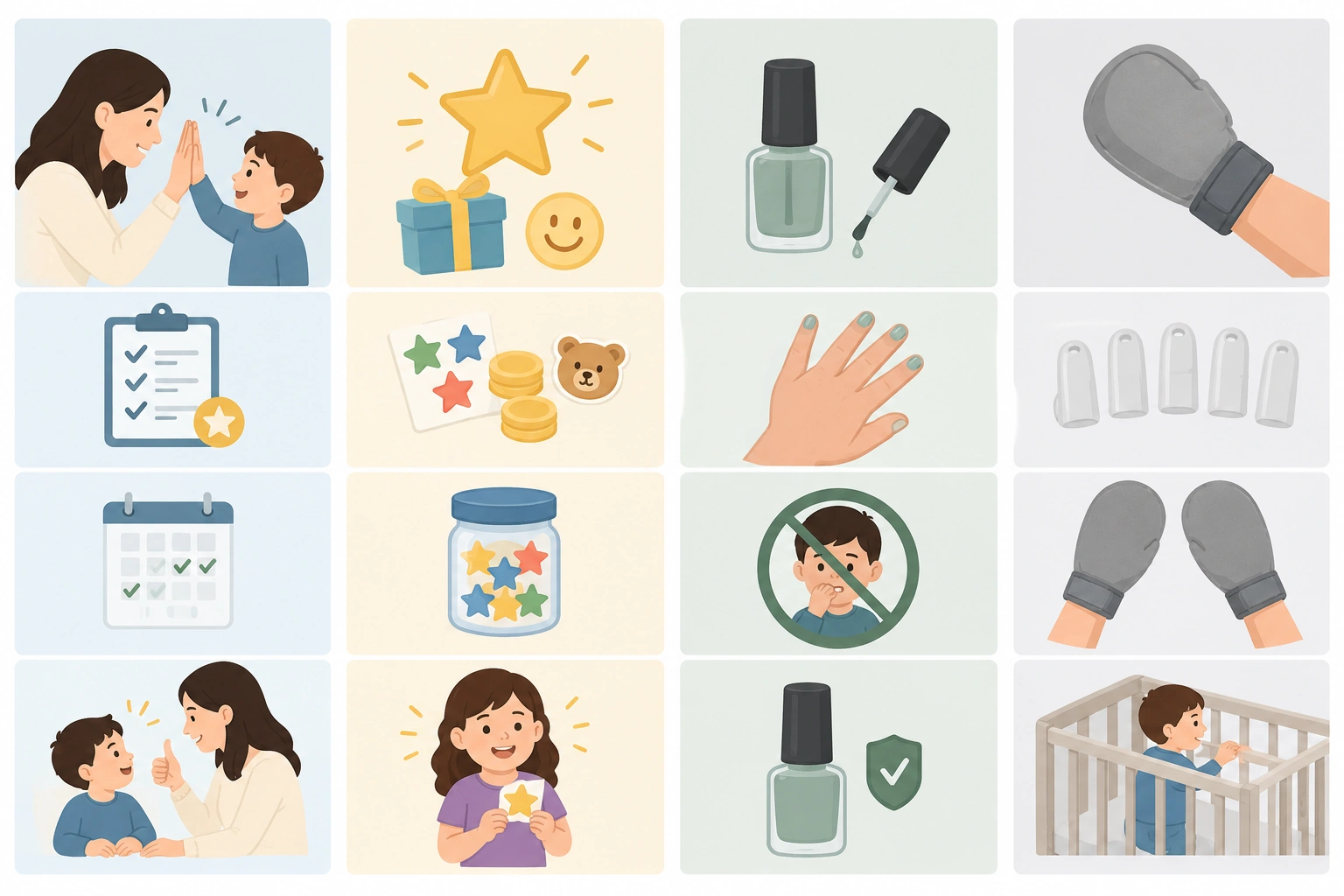
- Behavior-based methods build the long-term habit change.
- Bitter polish gives an immediate cue, but may fade in effect.
- Rewards motivate progress and keep the child engaged.
- Barriers protect the skin and reduce access, but are temporary.
If you want the most balanced approach, combine one deterrent with one replacement habit and one reward system.
Reduce the Triggers That Keep the Habit Going
Once you know when the biting happens, you can often lower the trigger itself.
If boredom is the issue, give the hands a job during predictable idle times. That might mean a fidget during TV, a drawing pad in the car, or a small building toy after school.
If homework stress is the trigger, break work into shorter blocks with hand breaks in between. A child who bites during reading may do better with a five-minute reset between assignments than with one long, tense session.
If anxiety seems to be driving the habit, keep the response calm and avoid turning the nails into a daily battle. A child who bites before school may need a steadier morning routine, earlier bedtime, or a few minutes of quiet before leaving the house.
The key is to remove the “automatic moment” whenever you can. The fewer chances the child has to drift into the habit, the easier it becomes to change.
Age-Appropriate Tips for Toddlers, School-Age Kids, and Preteens
The best strategy changes with age.
Toddlers
For toddlers, keep it simple and low-pressure. Focus on trimming nails, smoothing edges, and redirecting the hands with toys or sensory objects. Toddlers usually need help from the environment more than from a reward chart they cannot yet understand.
School-age children
School-age kids often respond well to sticker charts, fidgets, and clear routines. They can usually understand, “When your hand goes to your mouth, squeeze the ball instead.” This age group may also like visible progress, such as coloring in a chart or tracking nail-free days.
Preteens
Preteens may care more about appearance and privacy, which can work in your favor. They may prefer a discreet fidget, a private reminder system, or a bitter polish they can apply themselves. They also may be more sensitive to embarrassment, so avoid public comments and keep the conversation respectful.
What to Do If There Is Bleeding, Pain, or Infection
Once nail biting starts damaging the skin, the plan needs to shift from habit coaching to protection and healing.
Clean any broken skin gently and keep the area dry. If the child has a habit of biting the same finger until it bleeds, cover it while it heals and make the replacement behavior easier to access. That may mean keeping a fidget in the same room, not in a drawer across the house.
Watch for warning signs: redness that spreads, swelling, warmth, pus, increasing pain, or a child who avoids using the finger. Those signs can suggest infection or a more serious skin problem.
If the nail or surrounding skin is repeatedly damaged, don’t wait for it to “grow out of it.” Ongoing injury can make the habit harder to break and can create more discomfort, which feeds the cycle.
When to Talk to a Pediatrician, Dentist, or Child Psychologist

A nail technician can help with safe nail shaping and smoothing rough edges, but they should not be the main resource for a child who is struggling with persistent nail biting.
See a pediatrician, dentist, or child psychologist if:
- the biting is causing repeated bleeding or infection
- the child has pain, swelling, or pus around the nail
- the habit is affecting school, sleep, or daily comfort
- the child also shows signs of significant anxiety, attention problems, or other behavior concerns
- the biting is affecting the teeth or mouth
- home strategies have not helped after a consistent trial
A pediatrician can help rule out medical issues and guide next steps. A dentist may be helpful if the habit is affecting teeth or bite alignment. A child psychologist can support children whose nail biting is tied to anxiety, stress, or broader behavior patterns. A nail technician may be an optional support for gentle nail shaping or maintenance, but not as a substitute for medical or behavioral care.
How Long It Usually Takes to Break the Habit
There is no universal timeline. Some children improve quickly once they have a replacement behavior and a consistent routine. Others need a longer stretch of practice, especially if the habit has been present for a while.
A useful way to set expectations is to look for small wins first. Fewer biting episodes during one activity, less damage to one finger, or a child remembering to use the fidget once or twice a day are all signs the plan is working.
Progress is usually gradual. The habit may improve, then flare again during a stressful week, a school change, or a long car ride. That does not mean the plan failed. It means you may need to tighten the routine around the trigger.
A Simple Plan You Can Use This Week
If you want a straightforward place to begin, try this:
- Trim and file the nails.
- Choose one replacement behavior.
- Pick one trigger moment to target first.
- Add one reward for follow-through.
- Use one neutral reminder, not repeated scolding.
That small plan is often enough to get momentum going. Once the child starts noticing the habit and has something else to do with their hands, the rest becomes easier to manage.
FAQ
Is nail biting in kids a sign of defiance?
Usually, no. Nail biting is often a habit linked to boredom, stress, anxiety, or attention issues rather than deliberate misbehavior.
Should I punish my child for biting their nails?
Punishment usually does not help and can make the habit more stressful. A calm plan with replacement behaviors and positive reinforcement is more effective.
Does bitter nail polish work for every child?
No. It can help some children notice the habit, but it is not a complete solution and should be used carefully, especially with sensitive skin or broken skin.
When should I call a doctor?
Call a pediatrician if there is bleeding that keeps happening, signs of infection, pain, swelling, or if the habit is affecting daily life. A dentist or child psychologist may also help depending on the concern.

