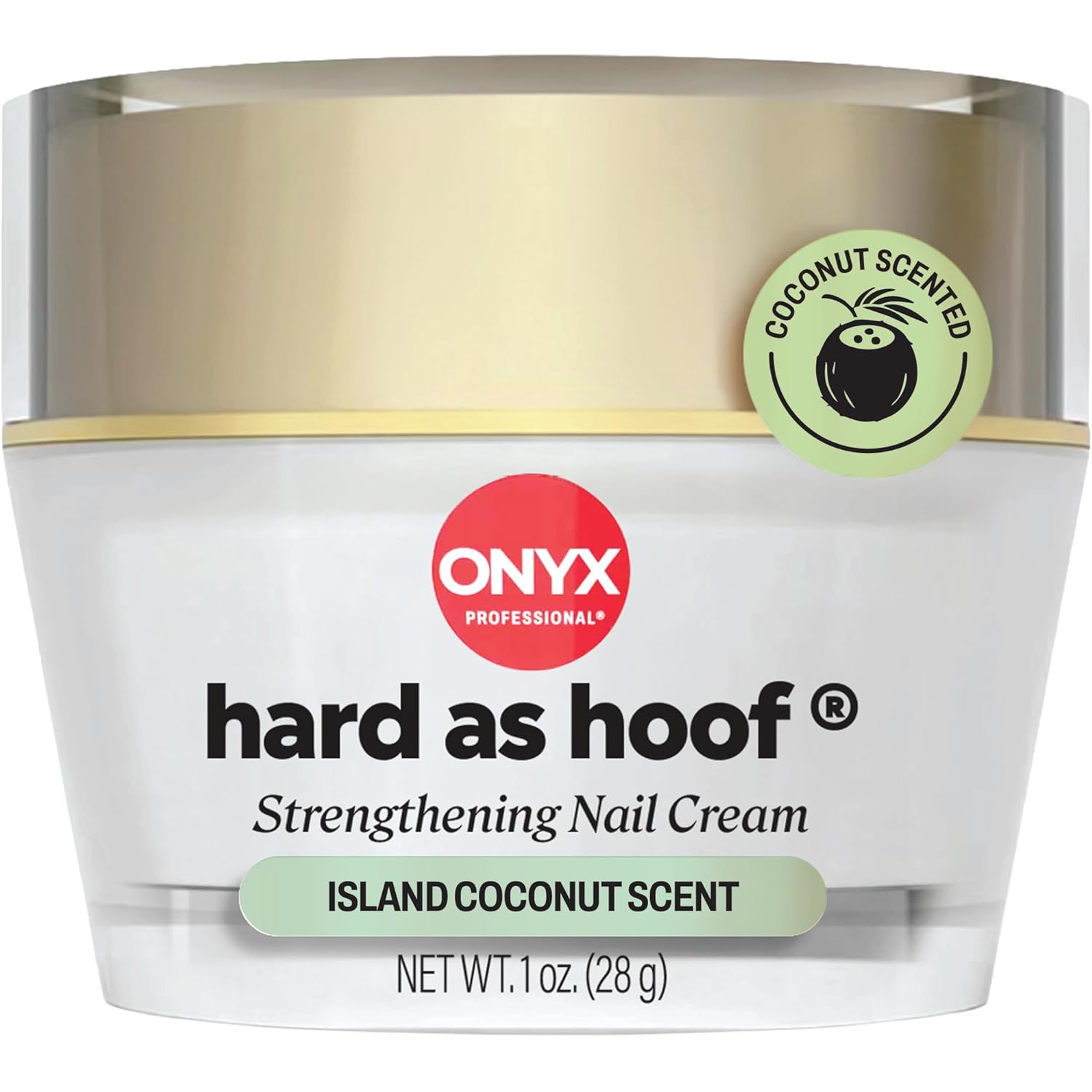
Healthy nails stay stronger when you protect them daily with gentle filing, regular moisturizing, and careful product removal. If you notice pain, swelling, discoloration, or persistent damage, get professional or medical advice instead of trying to cover it up.
Healthy nails do not need to look perfect, but they should feel resilient, smooth, and balanced. The best nail health tips focus on daily protection, smart product choices, and knowing when a problem is more than cosmetic.
- Daily care: Wash, dry, and moisturize consistently.
- Gentle shaping: File softly and avoid over-buffering.
- Smart habits: Don’t use nails as tools or pick at polish.
- Product safety: Remove gels and acrylics carefully, not forcefully.
Nail Health Tips: What Healthy Nails Actually Look and Feel Like
Healthy nails usually have a consistent color, a firm but flexible surface, and a free edge that does not split easily. They may still have minor ridges or changes over time, but they should not be painful, inflamed, or constantly peeling.
Signs of Strong Nails vs. Warning Signs of Damage
Strong nails tend to grow steadily, resist everyday wear, and feel smooth when you run a finger across them. Warning signs include frequent breakage, thinning, deep peeling, discoloration, tenderness, or nails that lift from the nail bed.
A little dryness is common, especially after washing hands often or using remover. But if your nails are cracking repeatedly or changing shape, that is a sign to adjust your routine rather than push through it.
How Search Intent Shapes This Guide: Prevention, Repair, and Daily Care
Most readers searching for nail health tips want practical prevention first, then simple repair advice, and finally a routine they can keep up with. That is why this guide focuses on daily habits, common mistakes, and safer salon decisions instead of quick-fix promises.
If you are trying to recover from damage, start with gentler care and fewer harsh treatments. For readers who just want stronger nails long term, the goal is to reduce stress before the nail becomes brittle in the first place.
Everyday Nail Health Tips That Protect Strength and Growth
Daily habits matter more than occasional intensive treatments. Small choices like how you dry your hands, how you file, and how often you moisturize can make a noticeable difference over time.
Simple Habits for Washing, Drying, and Moisturizing
Wash hands with a gentle cleanser, rinse well, and dry thoroughly, especially around the nail edges. Moisturize right after washing so the skin and nail plate do not keep losing water throughout the day.
Cuticle oil can be helpful when used consistently, but any nourishing oil or hand cream may support dryness-prone nails. If you like natural-style routines, you can also look into essential oil nail care as part of a moisturizing habit, as long as you avoid irritation and patch-test first.
Keep hand cream near sinks, your desk, and your bag so moisturizing becomes automatic instead of optional.
Best Practices for Filing, Trimming, and Cuticle Care
File in one direction with a fine or medium file to reduce edge splitting. Trim nails when they start catching on fabric or bending at the free edge, but avoid cutting so short that the skin feels tender.
Cuticles should be handled gently. Pushing them back lightly after a shower is usually enough for basic grooming, while cutting them too aggressively can leave the area irritated and more vulnerable to infection.
Cuticle care is about tidying and protecting the nail fold, not removing as much skin as possible.
Practical Examples: Workday, Gym, and Housework Routines
At work, keep nails short enough that typing, packaging, or handling tools does not cause pressure on the tips. If you work with your hands a lot, a protective hand cream after breaks can help reduce dryness.
At the gym, avoid using nails to pry open lockers, clips, or bottles. During housework, wear gloves for cleaning, dishwashing, or scrubbing so water and chemicals do not soften the nail plate repeatedly.
Wash, dry well, and apply hand cream or cuticle oil.
Reapply moisturizer after handwashing or sanitizer use.
Check for snags, file gently, and moisturize before bed.
Nutrition and Hydration: Supporting Nail Health From the Inside
Nail care is not only about what you put on your hands. Nails are made of keratin, so overall nutrition, hydration, and lifestyle habits all influence how strong or fragile they may become.
Key Nutrients Linked to Stronger Nails
Protein matters because nails are built from protein-based structures. Iron, zinc, biotin, and other nutrients are often discussed in nail care, but the most useful approach is a balanced diet rather than relying on one supplement alone.
If you are considering vitamins, check whether they are meant for general wellness or specifically for nail support, and remember that results vary. For readers comparing supplement-style options, nail vitamins for women may be worth reviewing, but they are not a substitute for a healthy diet or medical advice.
Hydration, Protein, and Lifestyle Factors That Affect Nail Quality
Dehydration can make nails and surrounding skin look dull or feel more fragile. Drinking enough water helps overall body function, while regular protein intake supports growth and repair.
Sleep, stress, and repeated exposure to harsh products can also affect nail quality. If your nails suddenly change a lot, it is worth looking at the bigger picture instead of assuming the issue is only cosmetic.
Common Nail Care Mistakes That Cause Peeling, Brittleness, and Breakage
Many nail problems are caused by good intentions taken too far. Over-filing, over-removing product, and picking at chips can slowly weaken nails even if your manicure looks fine at first.
Over-Buffering, Picking, and Using Nails as Tools
Buffering too often can thin the nail surface and make it easier to peel. Picking at polish, lifting edges, or using nails to scrape labels and open packages can cause small fractures that grow worse over time.
Your nails keep snagging, peeling, or splitting after a manicure.
Fix
Shorten the length, file gently, stop picking, and give the nail surface time to recover.
How Frequent Gel, Acrylic, and Polish Removal Can Weaken Nails
Repeated removal can be stressful, especially if product is scraped off or soaked too aggressively. Gel, acrylic, and other enhancements can be worn safely by many people, but the removal method matters just as much as the application.
If you want a better sense of what gel systems involve, it helps to understand how gel nails work before deciding how often to wear them. For removal, avoid forcing product off, because that is one of the fastest ways to thin the nail plate.
Signs You’re Overdoing At-Home Treatments
If your nails feel sore, look chalky, bend more than usual, or peel in layers, your routine may be too aggressive. The same is true if you are constantly filing, redoing polish, or removing enhancements without enough recovery time.
Stop using strong removers, rough files, or repeated scraping if the nail surface becomes thin, sensitive, or visibly damaged.
Salon and At-Home Nail Care: What to Choose and When
Both salon and at-home nail care can support healthy-looking nails when done well. The right choice depends on your nail condition, budget, time, and how much maintenance you want to manage yourself.
Comparing Professional Services vs. DIY Maintenance
At-home care is usually best for simple upkeep such as moisturizing, shaping, and keeping nails short and tidy. Salon services may be better when you want smoother shaping, safer product removal, or help with damaged nails that are hard to manage alone.
| Option | Best For | Note |
|---|---|---|
| At-home care | Daily upkeep and basic shaping | Low cost, but technique matters |
| Salon care | Enhancements, repair, and precise finishing | Quality and safety can vary by technician |
Typical Time and Cost Considerations for Healthy Nail Care in 2026
Time and cost vary by location, salon menu, nail condition, and the service you choose. Simple maintenance may be quick and affordable at home, while professional services can take longer and cost more depending on the design, removal, or repair needed.
When to Book a Nail Tech for Safer Restoration
Book a licensed nail tech if you need careful shaping, safe enhancement removal, or a break from damaging habits that are hard to correct alone. A skilled tech can also help you choose shorter lengths or simpler finishes while your nails recover.
How do I ask for healthier-looking nails without sounding picky?
Say you want a gentle service, minimal filing, and the safest removal method for your current nail condition. A good tech should understand that healthy nail goals matter more than extra thickness or aggressive shaping.
When Nail Problems Need a Professional or Medical Warning
Not every nail issue is caused by dryness or overuse. Some changes point to infection, fungus, allergic reaction, or an underlying health issue that should be checked by a professional.
Changes That May Signal Infection, Fungus, or Underlying Health Issues
Watch for green, yellow, brown, or white discoloration that does not improve, especially if the nail is lifting or smells unusual. Pain, swelling, pus, thickening, and sudden shape changes are also signs that deserve attention.
If you suspect fungus, it is better to get proper guidance than to keep covering the nail with polish. You can read more about nail fungus care, but persistent or spreading symptoms should be evaluated by a dermatologist or healthcare professional.
Red Flags That Should Not Be Treated With Cosmetic Fixes Alone
Do not try to hide bleeding, severe tenderness, open skin, or a rash with nail products. Cosmetic fixes may make the area look better for a moment, but they can delay proper care and make irritation worse.
Avoid salon services if the nail area is bleeding, swollen, painful, infected, or reacting badly to a product.
Why a Nail Tech Is Not a Substitute for Medical Advice
A nail technician can help with appearance, maintenance, and safer product choices, but they cannot diagnose medical conditions. If symptoms are severe, spreading, or painful, contact a medical professional rather than relying on nail care alone.
If you notice pain, swelling, bleeding, infection signs, or sudden nail changes, contact a licensed nail tech for cosmetic guidance and a dermatologist or healthcare professional for medical evaluation.
Seasonal and Lifestyle Nail Health Tips for Long-Term Results
Nails respond to weather, water exposure, and daily routines. The best long-term habits are the ones you can repeat through every season and in every part of your schedule.
Cold Weather, Hand Sanitizer, and Dry Indoor Air
Cold weather and dry indoor air can make nails and skin feel brittle. Frequent sanitizer use can also increase dryness, so it helps to reapply moisturizer after cleaning your hands.
In winter, gloves are a simple way to protect both hands and nails outdoors. Indoors, a richer cream or more frequent oil application may help reduce that tight, dry feeling around the nail folds.
Water Exposure, Sports, and Occupation-Related Nail Stress
Long water exposure can soften nails, which makes them more likely to bend or peel. Sports, gardening, cleaning, food service, healthcare work, and hands-on hobbies can all add repeated stress to the nail edge.
If your routine includes a lot of water or impact, keep nails shorter and use gloves when possible. Even small changes, like drying thoroughly after washing dishes, can support stronger nails over time.
Nails often break more from repeated wet-dry cycles than from one single event, which is why consistent protection matters.
Final Recap: The Most Effective Nail Health Tips for Stronger, Healthier Nails
The most effective nail health tips are usually simple: keep nails clean and dry, moisturize regularly, file gently, avoid picking, and treat product removal with care. Strong nails come from steady habits, not from doing more and more to them.
Quick Summary of Daily Priorities and Mistakes to Avoid
Focus on hydration, protection, and gentle grooming. Avoid over-buffering, using nails as tools, and removing gel, acrylic, or polish too aggressively.
- Moisturize after washing and before bed.
- File gently and keep lengths practical.
- Protect nails from water, chemicals, and picking.
- Get help for pain, discoloration, or swelling.
Action Plan for Building a Better Nail Routine
Start with one or two changes you can keep up with, such as using hand cream daily or switching to a gentler file. Then add better removal habits, glove use, and regular breaks from harsh treatments if your nails need recovery.
If you want longer-lasting results, think of nail care as maintenance, not rescue. A calm, consistent routine is usually the fastest path to healthier-looking nails.
Frequently Asked Questions
Moisturize after handwashing and again before bed if your hands feel dry. Cuticle oil or hand cream can help, but consistency matters more than the exact product.
The safest approach is to follow the product’s intended removal method and avoid scraping or peeling. If the nail feels thin or sore, a licensed nail tech can help with safer removal.
Temporary staining can happen from polish, but green, yellow, brown, or white changes that persist should be checked. Pain, lifting, swelling, or odor are stronger reasons to contact a dermatologist or healthcare professional.
They may help some people, but results vary and they are not a shortcut. It is smart to check ingredients, avoid overpromising claims, and focus on diet and overall health too.
Shorter, softer shapes like round or squoval usually reduce snagging and stress on weak edges. A gentle shape can be easier to maintain than very sharp or long styles.
Stop if the nail area is bleeding, swollen, painful, or reacting badly to a product. Cosmetic care should wait until a licensed nail tech, dermatologist, or healthcare professional says it is safe to continue.