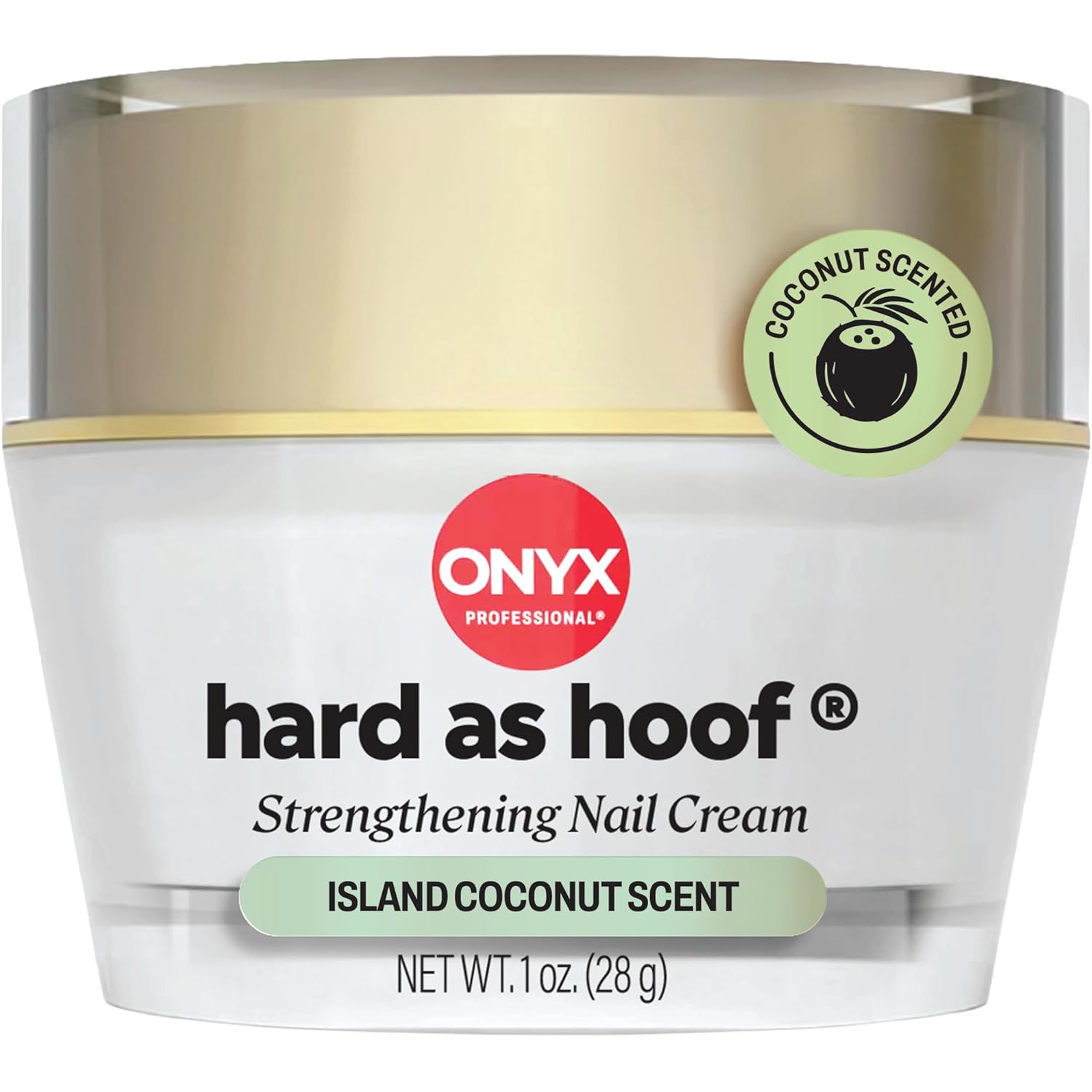
Natural healthy nail care works best with gentle filing, daily moisturizing, and protection from water and harsh products. If you notice pain, discoloration, lifting, or infection signs, get professional advice instead of trying to fix it at home.
If you want natural healthy nail care that actually makes a difference, the goal is simple: reduce daily damage and support the nail plate as it grows. Stronger nails usually come from consistent habits, not quick fixes, and that’s especially true if your nails peel, split, or feel dry.
- Moisture matters: Daily oil or cream helps reduce dryness and peeling.
- File gently: Use a fine file and smooth in one direction when possible.
- Protect nails: Gloves help during cleaning, dishwashing, and cold weather.
- Watch for warning signs: Pain, lifting, or discoloration needs professional attention.
Why Natural Healthy Nail Care Matters in 2026
Natural nail care has become more popular because many readers want nails that look neat and feel strong without relying on constant enhancements. In 2026, the focus is less on dramatic changes and more on routines that protect the nail surface, cuticle area, and surrounding skin.
For NailPrime readers, that usually means finding a routine that fits real life: work, cleaning, typing, gym sessions, and regular manicures. A natural approach can help you keep nails looking polished while also lowering the chance of dryness and breakage.
What readers searching for “natural healthy nail care” usually want to fix
Most people searching this topic are dealing with nails that split at the tip, peel in layers, or grow slowly and feel fragile. Others want to recover from gel, acrylic, or frequent polish removal and are looking for a gentler reset.
Some readers simply want their bare nails to look better without polish. In that case, the focus is usually on shaping, moisturizing, and keeping the nail edge clean and smooth.
How natural nail care supports strength, appearance, and long-term nail health
Nails are easier to maintain when they stay flexible, hydrated, and protected from repeated stress. That is why natural nail care often works better than aggressive strengthening products that can make nails feel hard but brittle.
Healthy-looking nails also reflect your routine. Gentle filing, regular oiling, and basic protection can improve shine, reduce rough edges, and help nails grow out more evenly over time.
Signs Your Nails Need a Healthier Routine
Not every nail issue is serious, but small changes are worth noticing. If your nails are constantly breaking or looking dull, your routine may be too harsh or too inconsistent.
Common concerns: peeling, splitting, ridges, dryness, and slow growth
Peeling and splitting often happen when nails are dehydrated or exposed to repeated water and chemical stress. Ridges can be harmless, but they can also become more noticeable when nails are dry or damaged.
Dry cuticles, rough edges, and slow growth are also common signs that your nails need more protection. A better routine usually starts with less friction and more moisture.
Your nails peel at the edges, snag easily, or look chalky and rough.
Fix
Use a gentle file, apply cuticle oil daily, and avoid over-buffing or frequent acetone exposure.
When nail changes may signal a deeper health issue
Some nail changes are cosmetic, but sudden discoloration, thickening, pain, lifting, or swelling may point to infection, injury, allergies, or another health issue. If one nail changes quickly while the others stay normal, that’s worth paying attention to.
For persistent symptoms, it is best to contact a dermatologist or healthcare professional. Nail care can support appearance, but it should not replace medical evaluation when something seems off.
If you notice pain, green or dark discoloration, nail lifting, bleeding, swelling, or signs of infection, contact a licensed nail tech, dermatologist, or healthcare professional.
Build a Natural Nail Care Routine That Actually Works
A good routine does not need a lot of steps. The most effective natural healthy nail care habits are usually the ones you can repeat every day without making your nails feel overworked.
Gentle cleansing, careful drying, and daily moisturizing
Wash hands with a mild cleanser, then dry thoroughly, including around the nail edges. Nails that stay damp for too long can become softer and more prone to tearing.
After washing, apply hand cream or a light oil to the nail plate and cuticle area. This helps reduce dryness from frequent handwashing, hand sanitizer, and weather changes.
Use gentle soap and avoid scrubbing the nail surface too hard.
Pat nails fully dry, especially near the cuticles and sidewalls.
Apply cuticle oil or hand cream at least once daily, and more often if nails feel dry.
Cuticle care without overcutting or aggressive pushing
The cuticle area helps protect the nail as it grows, so it should be treated gently. Instead of cutting deeply or pushing hard, soften the area first and only remove loose dead skin if needed.
If you go to a salon, ask for gentle cuticle work rather than aggressive trimming. Overcutting can leave the area irritated and may increase the chance of soreness or infection.
Healthy cuticle care is usually about neatness and protection, not removing as much skin as possible.
Safe filing habits: shape, grit, and direction
Filing is one of the easiest ways to prevent breakage, but only if it is done gently. A fine-grit file is usually better for natural nails than a rough one, especially if your nails are already thin or peeling.
File in one direction when possible and avoid sawing back and forth aggressively. The right shape depends on your nail length and lifestyle, but rounded or soft square edges are often easier to maintain.
If your nails keep snagging, shorten them slightly and smooth the free edge right away instead of waiting for a full break.
Best Natural Ingredients and Products for Stronger Nails
Natural products can be very helpful, but the best ones support hydration and flexibility rather than creating a fake sense of hardness. That difference matters if you want nails that bend a little instead of snapping.
Jojoba oil, vitamin E, shea butter, and plant-based hand creams
Jojoba oil is a popular choice because it feels lightweight and easy to use around the nail area. Vitamin E and shea butter are also common in hand creams and balms meant to soften dry skin and support the nail edge.
Plant-based hand creams can work well if they are rich enough for your skin type. Look for formulas that feel comfortable enough to use often, because consistency matters more than a fancy ingredient list.
Oiling the nail and cuticle area regularly can help nails look smoother and less dry, especially after washing hands often.
How to choose a natural nail strengthener versus a harsh hardener
A natural strengthener should help support the nail without making it feel stiff, dry, or overly sealed. Harsh hardeners may seem effective at first, but some can leave nails more brittle if they are used too often.
Check the texture and instructions before buying. If a product promises dramatic results very quickly, it may be better to use it cautiously or skip it if your nails already feel dry.
If a product stings, causes redness, or makes your nails feel tighter and more brittle, stop using it and switch to a gentler option.
At-home examples: simple oiling and overnight repair routines
A simple at-home routine can be as easy as applying oil after handwashing and sealing it with cream at night. If your nails are very dry, a thicker hand balm before bed can help reduce moisture loss overnight.
For a low-effort reset, keep oil by your sink and bedside. That makes it easier to stay consistent without turning nail care into a chore.
Everyday Habits That Protect Nail Health
Even the best products cannot fully offset rough daily habits. The way you clean, cook, type, and remove polish affects how your nails look and feel.
Glove use for cleaning, dishwashing, and cold weather
Gloves are one of the simplest ways to protect nails from water, detergents, and cold air. Repeated soaking and drying can weaken the nail edge and make peeling more likely.
If you wash dishes often or clean with strong products, gloves can help preserve both your manicure and your natural nail strength. In cold weather, they also help prevent dryness around the hands and cuticles.
How diet, hydration, and protein intake support nail growth
Nails grow from the body, so overall nutrition matters. Hydration, balanced meals, and enough protein all support healthy growth, even though no single food will transform nails overnight.
If your diet has been inconsistent, your nails may show it through dryness, weakness, or slower growth. A steady routine with enough water and protein is a practical place to start.
Manicure habits that help or hurt: polish breaks, acetone, and buffing
Giving nails a break from polish can help you check for dryness or damage, but you do not always need to go bare for long periods. The key is paying attention to how your nails feel between manicures.
Acetone can be useful for removal, but frequent use may be drying, especially on already fragile nails. Buffing can smooth the surface, but too much can thin the nail plate and make it more sensitive.
Should I ask for a polish break at the salon?
Yes, if your nails feel dry, thin, or overworked. A good nail tech can help you choose a gentler service and may suggest a simpler manicure while your nails recover.
Common Mistakes That Weaken Nails
Most nail damage comes from repeated stress, not one bad manicure. The good news is that many weakening habits are easy to spot once you know what to look for.
Overusing gel, acrylic, or frequent removal without recovery time
Gel and acrylic can look great, but repeated wear and removal may leave natural nails feeling thinner or drier if there is no recovery time. The issue is often not the enhancement itself, but the cycle of application and removal.
If you wear enhancements often, build in maintenance breaks and keep the nail area moisturized. That can make a noticeable difference in how your natural nails feel underneath.
Picking polish, biting nails, and using nails as tools
Picking at chipped polish can lift layers of the nail plate. Nail biting and using nails to open cans, scrape labels, or pry things apart can also create cracks and weak points.
If you need a habit replacement, keep a nail file nearby and use tools instead of fingertips for small tasks. Small changes like that can prevent a lot of damage.
Why “more strengthener” is not always better
It is tempting to keep adding strengthener when nails still feel weak, but too much of the wrong product can make them brittle or dry. More product is not always the same as better care.
Instead of layering on more treatments, step back and look at the whole routine: filing, moisture, removal habits, and daily protection. That is usually where the real fix starts.
When to See a Nail Tech or Medical Professional
Some nail concerns are best handled in a salon, while others need medical attention. Knowing the difference can save time and prevent more damage.
What a qualified nail tech can safely help with in a salon setting
A qualified nail tech can help with shaping, gentle cuticle work, polish application, and a cleaner-looking natural manicure. They may also suggest services that are better suited to your nail condition than a more aggressive enhancement.
If you are unsure what to book, describe your nail concerns clearly and ask what service is appropriate. A careful consultation can help you avoid a treatment that is too harsh for your nails right now.
Warning signs that need medical attention: pain, discoloration, lifting, infection, or sudden changes
Pain, swelling, bleeding, nail lifting, thick debris, or sudden discoloration should not be ignored. These can be signs of infection, trauma, allergy, or another issue that needs medical advice.
If the problem is worsening or spreading, contact a dermatologist or healthcare professional rather than trying to cover it with polish or enhancements.
Avoid salon services if the nail area is bleeding, swollen, painful, infected, or reacting badly to a product.
How to explain your nail concerns clearly during a consultation
Be specific about what you see and feel: peeling, soreness, lifting, dryness, or breakage. Mention when it started and whether you recently changed products, removed enhancements, or had an injury.
That kind of detail helps a nail tech or medical professional decide what is safe next. Clear communication also makes it easier to choose the right service or treatment plan.
Natural Nail Care Compared: DIY Routine vs Salon Support
There is no single best approach for everyone. Some people do well with a simple home routine, while others benefit from occasional salon support to keep their nails shaped and protected.
Typical time commitment for home care each week
A basic at-home routine may take only a few minutes a day, plus a little extra time for filing and moisturizing once or twice a week. The biggest time saver is consistency, not complexity.
If you keep your tools simple and your routine realistic, home care can fit into an existing skincare or self-care habit without much effort.
Cost comparison: basic natural routine, salon maintenance, and repair-focused care
At-home care usually costs less because you can reuse tools and buy only a few essentials. Salon maintenance and repair-focused services may cost more, and prices can vary by location, nail length, product type, and technician experience.
If your nails need recovery after damage, a salon visit may be worth it for guidance and a cleaner finish. If your nails are healthy and you mostly want upkeep, DIY care may be enough.
Which approach fits different nail goals and lifestyles
If you want low-maintenance nails and prefer a natural look, home care is often the easiest path. If you enjoy polished nails, need help with shaping, or want a more consistent finish, salon support may fit better.
Many readers use both: simple care at home and periodic salon visits for shaping or a more refined manicure. That blended approach is often the most realistic for long-term nail health.
Final Recap: The Simplest Path to Stronger, Healthier Nails
Natural healthy nail care works best when it is gentle, consistent, and realistic. You do not need a complicated routine to see improvement; you need habits that protect the nail plate, keep the cuticle area comfortable, and reduce daily stress.
Key takeaways for building a sustainable natural healthy nail care routine
Focus on moisture, careful filing, and sensible protection from water and chemicals. Choose products that support flexibility instead of making nails feel overly hard or dry.
Keep an eye on changes that do not look normal, and do not hesitate to ask for professional help when something seems painful or unusual.
Most important habits to start today for visible improvement over time
Start with daily oil or cream, gentler filing, and glove use for cleaning. Then reduce habits that chip away at nail strength, like picking polish, biting nails, and over-buffing.
With time, those small changes can make natural nails look smoother, feel stronger, and recover better between manicures.
Frequently Asked Questions
Daily is a good starting point, and more often if your hands get washed a lot. Cuticle oil or hand cream can help keep nails from feeling dry and brittle.
A finer grit is usually gentler on natural nails than a rough file. It helps smooth the edge without creating extra peeling or splintering.
Gel polish is not automatically bad, but repeated wear and removal can be drying for some nails. If your nails already feel thin or fragile, a recovery break may help.
Tell the nail tech that you want minimal cuticle trimming, gentle filing, and a natural finish. It also helps to mention any peeling, soreness, or recent product damage.
See a dermatologist if you have pain, swelling, infection signs, green or dark discoloration, nail lifting, or sudden changes. Those symptoms may need medical evaluation.
Look for a formula that supports flexibility and does not leave nails feeling overly hard or dry. If your nails are sensitive, test it carefully and stop if it causes irritation.