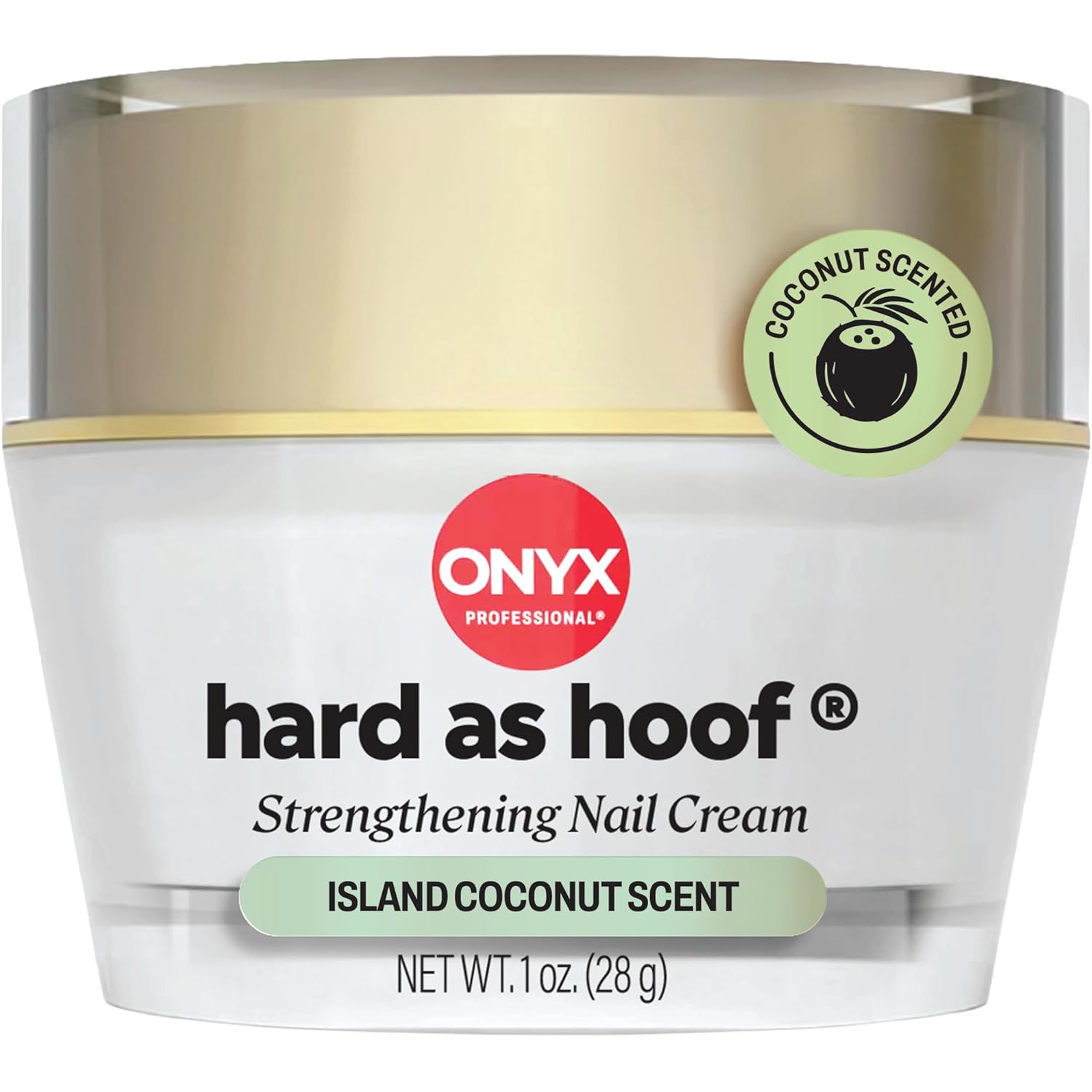
Safe nail health tips focus on gentle cleaning, regular moisturizing, careful filing, and cautious use of polish or enhancements. If you notice pain, swelling, discoloration, or lifting, stop at-home fixes and contact a licensed nail tech or healthcare professional.
Healthy nails usually start with simple habits, not complicated routines. If you want safer, stronger nails, the goal is to protect the nail plate, avoid unnecessary damage, and notice early warning signs before they turn into bigger problems.
- Moisturize daily: Cuticle oil and hand cream help reduce dryness and peeling.
- File gently: Use light strokes and avoid harsh back-and-forth sawing.
- Remove safely: Never peel or pry off polish, gel, or acrylic.
- Watch for warning signs: Pain, swelling, discoloration, or lifting need attention.
Safe Nail Health Tips: What “Healthy Nails” Really Means in 2026
“Healthy nails” does not mean perfectly glossy, long, or salon-fresh all the time. It usually means nails that grow without constant splitting, peeling, pain, discoloration, or irritation around the skin.
In 2026, many readers are balancing polish, gel, press-ons, and at-home care, so the safest routine is the one you can repeat consistently. That means choosing gentle tools, using products carefully, and knowing when a nail issue needs professional attention.
Search intent: what readers want to know before changing their nail routine
Most people searching for safe nail health tips want practical answers: what to do daily, what to stop doing, and how to tell if a product is making things worse. They usually want guidance that fits real life, not a perfect spa routine.
If you are changing your nail routine, start by asking whether your current habits are helping your nails stay flexible and protected. A good routine should reduce dryness, prevent breaks, and avoid overexposure to harsh removers or aggressive filing.
Signs of strong nails vs. signs of damage, dehydration, or infection
Strong nails often look smooth, feel firm but not brittle, and grow with fewer splits at the edges. The surrounding skin should also look calm, without redness, swelling, or tenderness.
Damage usually shows up as peeling layers, white rough patches from friction, thin edges that snag easily, or nails that bend and break too fast. Discoloration, thickening, lifting, pain, drainage, or swelling can point to infection or another issue that should be checked by a licensed nail tech or healthcare professional.
Daily Safe Nail Health Tips for Stronger, Healthier Nails
The safest daily nail care is gentle, consistent, and boring in the best way. You do not need to scrub, buff, or soak your nails constantly to keep them looking neat.
How to clean, dry, and protect nails without overdoing it
Wash hands with mild soap, rinse well, and dry thoroughly, including around the nail edges. Wet nails that stay damp for long periods can become softer and more prone to peeling or lifting.
Protect nails from repeated water exposure when doing dishes, cleaning, or gardening. Gloves can help, especially if you use detergents or soak your hands often.
Dry hands fully after washing, then apply a small amount of hand cream or cuticle oil to help seal in moisture.
Moisturizing the nail plate and cuticles: oils, creams, and timing
Moisture matters because dry nails are more likely to split, peel, and feel rough. Cuticle oil, hand cream, or a thicker balm can help support the skin around the nail and reduce the look of dryness.
Apply moisture after handwashing, after sanitizing, and before bed. If your nails are very dry, layering oil first and then cream can help, though results vary by product and nail condition.
Nails do not “breathe” in the way skin does, but they still benefit from breaks, moisture, and less exposure to harsh chemicals.
Practical examples: after handwashing, before bed, after chores
After handwashing, pat nails dry instead of rubbing them aggressively. Then use a light moisturizer to reduce the dryness that often builds up from soap and water.
Before bed, use cuticle oil or cream so the product has time to sit on the nail area overnight. After chores, reapply if your hands were exposed to water, cleaners, or friction from tools.
Dry carefully and apply a light hand cream.
Use cuticle oil or a richer balm around the nails.
Check for dryness, snags, or rough edges and treat them gently.
Safe Nail Filing, Shaping, and Trimming Techniques
Filing and trimming can either protect nails or weaken them, depending on how you do it. The main goal is to smooth edges without creating more peeling or stress.
Best file grits and why gentle direction matters
A finer file is usually safer for natural nails than a very rough one, because it removes less material at once. Gentle strokes in one direction are often easier on the nail edge than aggressive back-and-forth sawing.
If your nails split easily, slow down and file only when needed. Over-filing can thin the edge and make nails more fragile over time.
Different nail types respond differently to files, so what feels gentle for one person may still be too rough for another.
How to trim nails safely to reduce splits and snags
Trim nails when they are dry and use clean, sharp clippers. Cutting slowly helps reduce jagged edges that can catch on clothing, hair, or fabric.
After trimming, lightly smooth the edge with a file so there are no sharp corners. This can help prevent small tears from turning into bigger breaks.
Common mistakes: sawing back and forth, over-buffing, cutting too short
Sawing back and forth can fray the nail edge, especially if nails are already weak. Over-buffing can also make nails look smooth temporarily while removing too much surface layer.
Cutting nails too short may increase discomfort and make the fingertips feel exposed or sore. A little free edge is often easier to maintain than trimming all the way down.
If filing or trimming causes pain, bleeding, or repeated splitting in the same area, stop and reassess your tools or technique.
Safer Polish, Gel, and Acrylic Habits: What to Choose and What to Avoid
Polish, gel, and acrylic can all be part of a healthy-looking manicure routine, but each comes with tradeoffs. The safest choice depends on your nail condition, how often you wear enhancements, and how carefully you remove them.
Comparison of regular polish, gel, and acrylic for nail health
Regular polish is often the easiest to change and remove, which makes it a simple option for people who want less commitment. Gel and acrylic can last longer, but they may involve more prep, more removal steps, and more risk if they are picked off or removed roughly.
| Option | Best For | Note |
|---|---|---|
| Regular polish | Easy changes and lower-maintenance wear | Usually gentler to remove, depending on the remover used |
| Gel | Longer wear and a glossy finish | Can be harder on nails if removed incorrectly |
| Acrylic | Length and structure | Best handled carefully to avoid thinning or lifting issues |
When to take breaks from enhancements and how long recovery can take
Breaks can help if your nails feel thin, tender, or constantly dry under enhancements. Some people only need a short break, while others may need longer depending on damage, product use, and how fast their nails grow.
Recovery time varies widely. If nails are significantly weakened, it can take weeks or longer for the damaged portion to grow out.
Red flags from products, removers, and DIY removal methods
Watch for stinging, redness, itching, or a burning feeling after product use. These can be signs of irritation or sensitivity, and they are worth taking seriously.
DIY removal methods that involve peeling, prying, or forceful scraping can lift layers of the natural nail. If you need help removing gel or enhancements, it may be safer to follow a careful removal process or ask a professional rather than rushing it.
If you have swelling, strong pain, a rash, or a suspected allergy after product use, contact a dermatologist or healthcare professional. A licensed nail tech can also help you choose a gentler service or removal method.
Nutrition and Lifestyle Habits That Support Nail Strength
Nails are affected by more than polish and filing. Diet, hydration, sleep, and stress can all influence how your nails grow and how resilient they feel.
Key nutrients linked to nail growth and resilience
Protein matters because nails are made from keratin, a protein structure. Iron, zinc, and certain B vitamins are also commonly discussed in nail health, though the best approach is a balanced diet rather than chasing one single nutrient.
If you suspect a deficiency, it is better to speak with a healthcare professional than to guess. Supplements may help some people, but they are not a universal fix and can vary in usefulness.
Changes from nutrition usually show up slowly because nails grow gradually. Expect steady improvement over time, not overnight results.
Hydration, sleep, and stress as overlooked nail health factors
Hydration supports the skin and nail area, especially if your hands are often washed or sanitized. Sleep and stress also matter because overall body care affects how well nails grow and recover.
When stress is high, people often pick, bite, or over-groom their nails more often. Reducing those habits can protect nail edges just as much as any product.
What results to expect realistically over weeks, not days
Healthy nail changes take time because the damaged part has to grow out. You may notice less dryness or fewer snags first, while visible growth and improved thickness usually take longer.
Be cautious of products that promise instant transformation. Real nail care is usually about gradual improvement and consistent maintenance.
When Nail Problems Need a Nail Tech or Medical Help
Some nail issues can be managed with better care, but others should not be ignored. A skilled nail tech can help with safe shaping, gentle service choices, and basic maintenance, but not every problem belongs in the salon chair.
What a skilled nail tech can safely fix versus what should be referred out
A nail tech may be able to smooth a rough edge, adjust a shape, or remove a service carefully when the nail plate is otherwise healthy. They can also help you avoid habits that keep causing breaks or lifting.
Anything involving infection, major pain, bleeding, or suspicious discoloration should be referred out. A salon is not the place to treat medical nail conditions.
Warning signs: pain, lifting, discoloration, thickening, swelling, or infection
Persistent pain, green or dark discoloration, thickened nails, swelling around the nail, or lifting that keeps getting worse are all reasons to pause your routine. These signs may point to trauma, fungus, irritation, or another issue that needs evaluation.
If you notice drainage, warmth, or spreading redness, do not try to cover it with polish or enhancements. That can trap the problem and make it harder to manage.
Avoid salon services if the nail area is bleeding, swollen, painful, infected, or reacting badly to a product.
Why ignoring persistent changes can make nail damage worse
Small issues can become bigger when they are repeatedly filed, covered, or picked at. A nail that keeps lifting or splitting may need a break from services and a closer look at the cause.
If a change lasts longer than expected or keeps coming back, it is safer to treat it as a real problem rather than a temporary annoyance. That is especially true if only one nail is affected.
Safe Nail Care on a Budget: Time, Cost, and Routine Comparison
You do not need a big budget to care for your nails well. A few basic tools and a consistent routine can go a long way, especially if you focus on prevention.
Low-cost at-home nail care vs. salon maintenance: what each usually includes
At-home care usually includes trimming, filing, moisturizing, and basic polish removal. Salon maintenance may include shaping, cuticle work, polish, gel, acrylic, or repairs, depending on the service and the salon’s approach.
Costs and service details vary by location, nail condition, and technique. If you are comparing options, think about what you actually need rather than assuming the most expensive service is the safest.
Time-saving routines for busy readers who still want healthy nails
Keep a small nail kit where you already spend time, such as by your bed or near your hand lotion. That makes it easier to moisturize and fix a snag before it turns into a break.
If you are busy, aim for a short routine instead of skipping care entirely. Even one minute of oil, cream, and gentle filing can help maintain better nail condition.
- Do you have a file that is gentle enough for natural nails?
- Are your hands and cuticles getting moisture daily?
- Are you removing enhancements without peeling or prying?
- Do you know when to stop and seek help for pain or discoloration?
Which habits give the biggest payoff for the least cost
Moisturizing, wearing gloves for chores, and filing gently are some of the most cost-effective habits you can build. They are simple, inexpensive, and often more helpful than buying many treatment products.
For many readers, the biggest payoff comes from avoiding damage in the first place. That means less breakage, fewer salon corrections, and fewer emergency fixes later.
Final Recap: The Most Effective Safe Nail Health Tips to Start Today
The best safe nail health tips are the ones you can stick with. Gentle cleaning, regular moisture, careful filing, and cautious product use can make a real difference over time.
Quick summary of the highest-impact habits for stronger, healthier nails
Keep nails dry after washing, moisturize daily, file gently in one direction, and remove polish or enhancements without force. If you wear gel or acrylic, give your nails breaks when they feel thin or irritated.
Common mistakes to stop immediately
Stop peeling off product, sawing aggressively with a file, cutting nails too short, and ignoring pain or swelling. These habits often create more damage than they solve.
Simple next steps for a safer, more consistent nail care routine
Start with one or two habits this week, such as nightly cuticle oil and gentler filing. Then build from there based on how your nails respond, remembering that lasting improvement usually comes from consistency, not intensity.
Frequently Asked Questions
Tell them you want to protect nail health and prefer a gentle filing and removal approach. You can also mention any past irritation, lifting, or sensitivity so they can adjust the service.
Look for clean tools, tidy workstations, and a technician who washes or sanitizes hands between clients. If something seems unsanitary or rushed, it is okay to leave and choose another salon.
They can if they are applied or removed roughly, or if your nails are already weak. Many people wear them safely, but the key is careful prep, proper removal, and breaks when needed.
Stop wearing enhancements on the area and do not cover the problem with polish. See a licensed nail tech or healthcare professional, especially if there is pain, odor, swelling, or spreading discoloration.
Simpler products with fewer steps are often easier to tolerate, but sensitivity varies a lot. Check ingredient lists, avoid anything that stings or causes a rash, and ask a professional if you have a history of reactions.
Short rounded or soft square shapes are often easier to maintain because they are less likely to snag. The best shape still depends on your nail width, length, and how much edge strength you naturally have.