
Square vs Coffin Nails Which Shape Is Better for You

Square nails are better if you want a simple, low-maintenance shape that works well on shorter nails and everyday routines. Coffin nails are better if you want a longer, more dramatic look with extra style impact.
When comparing square vs coffin nails, the right choice usually comes down to how much length you want, how much upkeep you can handle, and the kind of look you want your manicure to create. Square nails are the simpler, more classic option, while coffin nails lean longer, sharper, and more fashion-forward.
Square nails suit readers who want a clean, practical shape with easy upkeep. Coffin nails suit readers who want a longer, more dramatic silhouette for modern styles and nail art.
- Square: Easier to wear, maintain, and recognize on short nails.
- Coffin: Better for longer sets and more dramatic nail art.
- Durability: Both can wear well if shaped and balanced correctly.
- Maintenance: Coffin usually needs more filing and upkeep.
Square vs Coffin Nails: Which Shape Is Better for You?
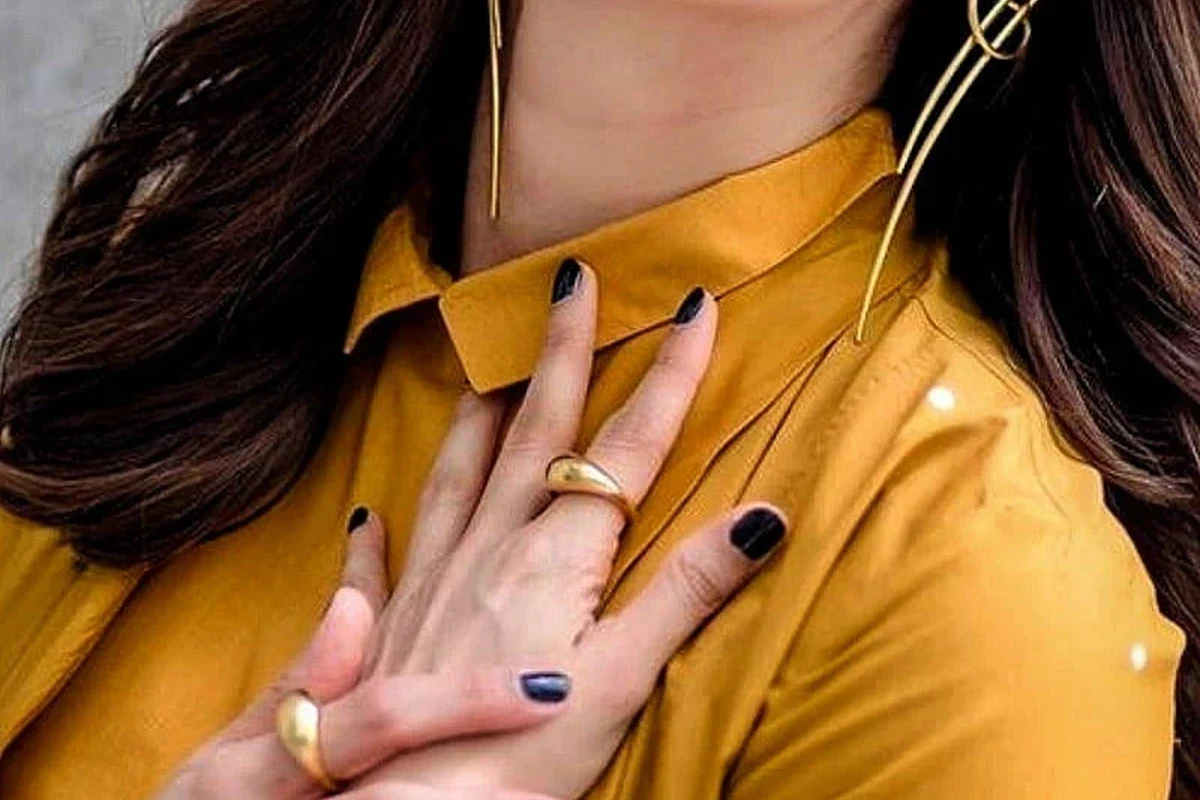
Visual guide: Square vs Coffin Nails: Which Shape Is Better for You?
Quick direct answer: when square wins, when coffin wins
Square usually wins if you want a straightforward shape that works well on shorter nails, feels easy to maintain, and looks neat in everyday settings. It is often the more practical choice for people who type a lot, prefer low-maintenance routines, or want a timeless manicure.
Coffin usually wins if you want a more elongated, trend-driven look and you are comfortable with more length, more shaping, and a little more upkeep. It tends to suit extensions and statement manicures better than very short natural nails.
Clean and structured
Best for shorter nails, classic styles, and readers who want a simple shape that is easy to wear every day.
VS
Long and tapered
Best for longer extensions, dramatic styling, and readers who want a modern silhouette with more visual impact.
What this comparison will cover for NailPrime readers in 2026
This guide focuses on the practical differences that matter most: how each shape looks, how it affects hand appearance, how it holds up in daily wear, and what maintenance usually feels like. We also cover which shape fits different lifestyles, nail lengths, and salon habits.
If you are also trying to understand how shape choice affects breakage, it can help to read about why nails break easily and how the nail’s edge and sidewalls change stress points. Shape is only one part of wear, but it has a noticeable effect.
Square Nails vs Coffin Nails: Side-by-Side Comparison
Shape, silhouette, and edge structure
Square nails have straight sidewalls and a flat, blunt tip. The result is a crisp outline that looks balanced and simple, especially on shorter lengths.
Coffin nails taper inward along the sides and finish with a flat end. That taper creates a slimmer, more elongated silhouette, but it usually needs more length to look intentional.
How each shape changes the look of the hand and fingers
Square nails can make the nail bed look wider and more grounded. On some hands, that gives a polished, tidy effect; on others, it can make fingers look shorter or broader than they actually are.
Coffin nails usually create more length illusion. Because the sides narrow before the tip, they can make fingers appear longer and more slender, especially when the nail itself is extended enough to show the taper clearly.
Side-by-side comparison table: appearance, durability, upkeep, and styling flexibility
| Feature | Square Nails | Coffin Nails |
|---|---|---|
| Appearance | Clean, classic, and structured | Modern, tapered, and more dramatic |
| Best for | Short to medium nails, simple looks | Longer nails, extensions, statement styles |
| Durability | Often more forgiving on shorter lengths, but corners can snag | Can be strong when shaped well, but longer length increases break risk |
| Upkeep | Usually easier to maintain and refill | Usually needs more careful filing and more frequent shape correction |
| Styling flexibility | Works well for minimal, office-friendly, and classic manicures | Works well for bold art, glam finishes, and trend-led designs |
Key Differences Between Square and Coffin Nails
Shape profile: flat tip vs tapered tip with a squared end
The biggest difference is the outline. Square nails keep the same width from side to side and end in a straight edge. Coffin nails narrow toward the tip, then finish with a flat top.
That taper changes the whole visual effect. Square looks solid and direct, while coffin looks slimmer and more sculpted.
Practical wear: how each shape handles daily tasks
Square nails are often easier for everyday tasks because the shape is straightforward and predictable. Still, the corners can catch on clothing, hair, or textured surfaces if they are left too sharp.
Coffin nails may feel smoother at the sides because of the taper, but the longer length often makes them less forgiving in busy routines. The shape can be practical, but only when the length and structure are balanced.
Length dependence: why coffin nails usually need more length to read clearly
Coffin nails usually need more length because the taper is what makes the shape recognizable. On very short nails, coffin can look closer to a soft square or a narrow rectangle.
Square nails, by contrast, read clearly even at shorter lengths. That is one reason they are often easier for beginners or for people who want a shape that still looks finished without extensions.
Square may suit shorter natural nails and lower-maintenance routines, while coffin may suit stronger extensions or clients who want a longer shape with more style payoff.
Both shapes are removed based on the enhancement type, but coffin sets can take more time to file down because of the extra length and taper.
Maintenance differences: filing frequency, break risk, and regrowth visibility
Square nails usually need less shaping time, but the corners may need regular softening to prevent snagging. Regrowth is also easy to notice because the shape is so defined.
Coffin nails can hide some width changes well, but they may need more frequent refinement to keep the taper even on both sides. Longer coffin sets can also show wear at the tip more quickly if the nail is used heavily.
Best For: Which Nail Shape Fits Different Lifestyles and Looks
Square nails are best for short nails, low-maintenance routines, and clean classic styles
Square nails are a strong fit if you like simple manicures, neat edges, and a shape that does not demand much styling to look complete. They are especially useful when you want a tidy finish on natural nails or short enhancements.
If your routine is already busy, square can be easier to live with because it does not depend on length to look intentional. It also pairs well with minimal color, sheer polish, and office-friendly looks.
Coffin nails are best for longer extensions, fashion-forward looks, and dramatic nail art
Coffin nails are usually the better fit when you want your manicure to feel more styled and more noticeable. The shape gives nail art extra surface area and makes longer sets look sleek rather than bulky.
This shape is also popular for glam finishes, bold color blocking, and designs that need a strong silhouette. If you enjoy a more editorial look, coffin is often the more expressive option.
You prefer short or medium nails, want less shaping time, and like a classic manicure that works in most settings.
You like longer nails, enjoy nail art, and want a shape that looks modern and elongated.
Which shape suits wide nail beds, slim fingers, or everyday office wear
Square can work well for wide nail beds because it keeps the shape open and balanced. It can also suit people who want a more natural, straightforward look in professional environments.
Coffin often flatters slimmer fingers or anyone who wants a lengthening effect. It can still work in office wear, but the final look depends on how long and sharp the set is.
Practical examples: gym routines, typing-heavy jobs, special events, and content-creator styles
For gym routines or hands-on work, square is often the easier shape to manage because it is simpler and less likely to feel overly long. That said, any shape can be troublesome if it is too extended or poorly balanced.
For typing-heavy jobs, square is usually the more comfortable choice. For special events, photos, or content-creator styles, coffin often gives more visual drama and tends to photograph well because of its tapered outline.
Can the same nail set be reshaped from square to coffin?
Sometimes, yes, if there is enough length and the enhancement structure allows it. A licensed nail tech can tell you whether the current set can be safely reshaped or whether a new application would look more balanced.
Pros and Cons of Square Nails vs Coffin Nails
Square nails: strengths in simplicity, structure, and ease of upkeep
- Easy to recognize on short nails
- Classic and versatile
- Usually simpler to file and maintain
- Corners can snag or chip
- Less lengthening effect
- Can look boxy if over-filed wide
Square nails: drawbacks such as corner snagging and a less elongated effect
Square is not always the most flattering option if your goal is to make the fingers look longer. On some hands, the blunt edge can emphasize width rather than balance it.
The corners are also the most vulnerable point. If they are too sharp, they may catch on fabric or chip faster than the rest of the nail.
Coffin nails: strengths in style versatility, length illusion, and modern appeal
- Creates a longer, slimmer look
- Works well for bold nail art
- Feels modern and fashion-forward
- Usually needs more length
- Can take longer to shape
- May feel less practical for busy hands
Coffin nails: drawbacks such as higher break risk, more shaping time, and more upkeep
Coffin can be beautiful, but it is not always the easiest shape to keep neat. The taper needs to stay even, and the long edge can show wear if you use your hands a lot.
Because the shape usually depends on more length, it can also feel less forgiving if one nail breaks or grows out unevenly.
Safety, Removal, and Maintenance Considerations
How nail shape affects stress points, chipping, and lifting
Shape influences where pressure lands on the nail. Square nails tend to concentrate stress at the corners, while coffin nails can place more stress along the tapered sides and the free edge if the set is too long.
Neither shape is automatically better for nail health. The safer option is usually the one that matches your natural nail strength, lifestyle, and the skill of the application.
Removal and refill considerations for natural nails, gel extensions, and acrylic sets
Removal depends more on the enhancement type than the shape itself, but shape can affect how much filing is needed before soaking or rebalance work. Longer coffin sets may take more time to shorten or refine during maintenance.
If you are learning about enhancement options, it may help to read what gel nails are explained so you can better understand how shape, structure, and removal all connect.
Nail tech warning: when the shape is too sharp, too thin, or too long for the client’s nail plate
A shape should never force the nail into a weak or unstable structure. If the sidewalls are too thin, the tip is too sharp, or the length is too ambitious for the nail plate, breakage becomes more likely.
A licensed nail technician can adjust the shape to suit the nail instead of copying a style that is not structurally realistic for that hand.
If you notice bleeding, swelling, severe pain, green discoloration, or signs of infection, stop filing or covering the nail and contact a licensed nail tech, dermatologist, or healthcare professional.
Cost and time variation: why coffin shaping may take longer than square shaping
Coffin shaping often takes more time because the sides need to be tapered evenly before the end is squared off. Square is usually quicker because the outline is more direct.
Salon pricing and service time may vary by location, nail condition, product type, and the complexity of the set. A more detailed shape can also mean more maintenance at refills.
Common Mistakes People Make with Square and Coffin Nails
Choosing coffin nails without enough length for a balanced look
One of the most common mistakes is asking for coffin too early, before the nails are long enough to show the taper. When that happens, the result can look awkward or too close to another shape.
If the length is not there yet, a softer square or tapered square may be a better transitional choice.
Making square nails too wide, boxy, or harsh at the corners
Square nails can look heavy if the free edge is too wide or the corners are left too sharp. That can make the manicure feel less polished and more prone to snagging.
The goal is a clean edge, not a blocky outline. Even small adjustments at the corners can improve the finish.
Ignoring hand shape, nail-bed width, and lifestyle needs
Not every shape flatters every hand in the same way. A shape that looks great in a photo may feel impractical if your routine is busy or your natural nails are prone to breakage.
Choosing based only on trend can lead to disappointment, especially if the shape does not match your nail bed width or daily habits.
Over-filing, uneven sidewalls, and incorrect apex placement
Over-filing can weaken both square and coffin nails. Uneven sidewalls make the shape look crooked, and incorrect apex placement can affect balance and durability.
This is especially important with longer sets, where small shaping mistakes are easier to notice and more likely to affect wear.
Final Recommendation: How to Choose Between Square and Coffin Nails
Simple decision guide based on maintenance, style preference, and nail health
Choose square if you want a cleaner, simpler shape that works well on shorter nails and fits easily into everyday life. It is usually the better choice for low-maintenance wear, office settings, and people who prefer a classic manicure.
Choose coffin if you want more length, a slimmer silhouette, and a shape that supports dramatic styling. It is usually the better choice for extensions, statement looks, and readers who do not mind extra upkeep.
Square is usually the safer everyday pick for beginners, short nails, and low-maintenance routines, while coffin is the stronger style choice for longer sets and more dramatic nail art. The better option depends on your nail strength, your daily habits, and how much upkeep you are comfortable managing.
Final recap: the clearest reasons to choose square or coffin in 2026
In 2026, the choice is still mostly about practicality versus impact. Square gives you structure, simplicity, and easy wear, while coffin gives you length, trend appeal, and a more sculpted finish.
If you are still unsure, start with the shape that best matches your current nail length and lifestyle. You can always move toward a more dramatic shape later if your nails and routine can support it.
If your nails are weak or damaged, shape choice may matter less than recovery time, gentle maintenance, and safe removal habits.
Frequently Asked Questions
Square nails can feel more practical on shorter lengths, but the corners may snag or chip. Coffin nails can be durable too, but they usually need more length and careful shaping to stay balanced.
Square nails are usually easier to maintain because the shape is simpler and faster to file. Coffin nails often need more shaping time to keep the taper even on both sides.
The removal method depends more on the enhancement type than the shape itself. Still, coffin sets can take longer to shorten or file down because they are often worn at greater length.
Square is usually better for short natural nails because it reads clearly without needing much length. Coffin usually needs more length to show its tapered silhouette.
Shape can affect stress points, break risk, and how much pressure the nail takes during daily wear. If you have pain, swelling, bleeding, or signs of infection, contact a licensed nail tech, dermatologist, or healthcare professional.
Square is often the easier choice for office wear and busy routines because it looks neat and stays simple. Coffin can still work, but it usually feels more dramatic and may need more upkeep.

