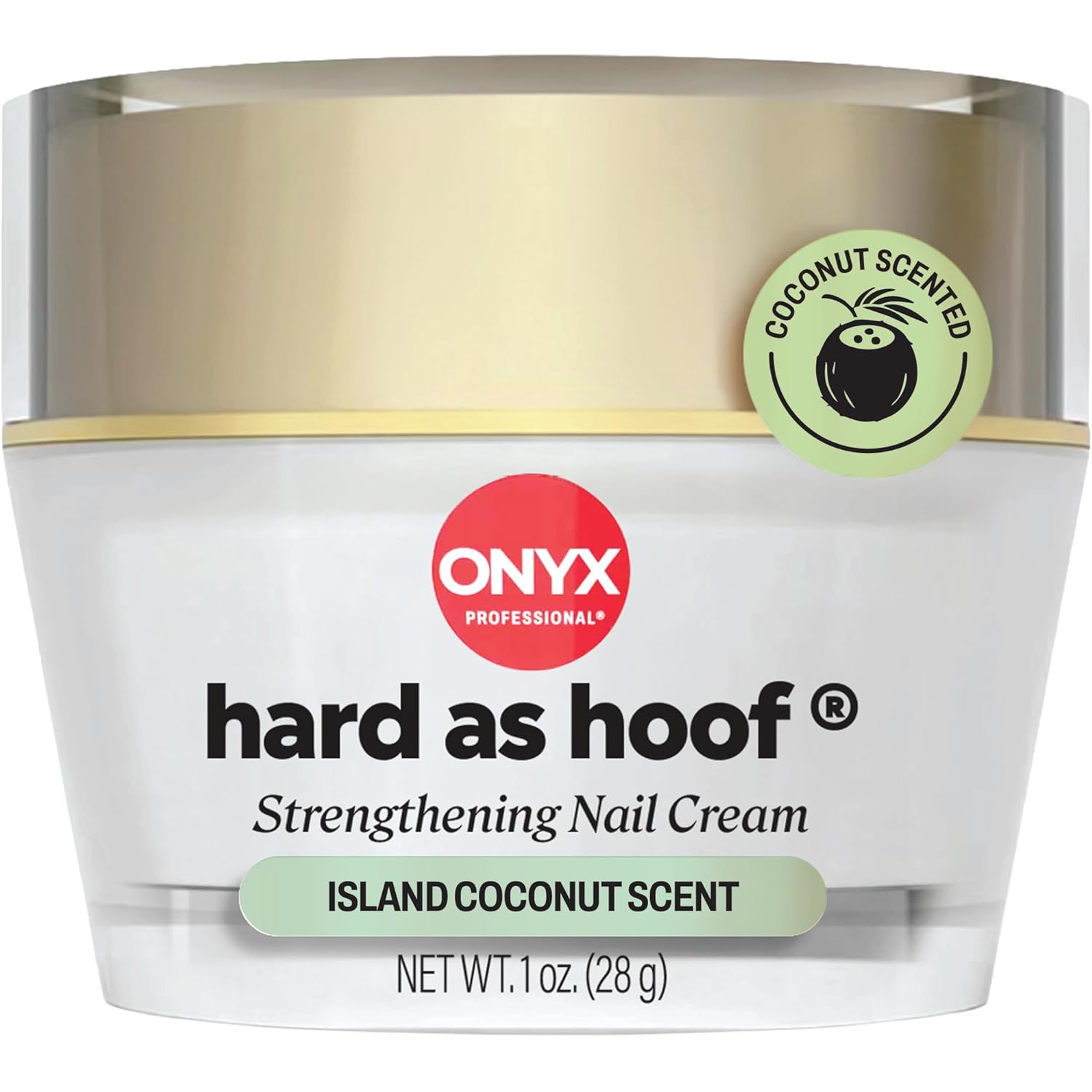
Hydration-first care is best for dry, peeling, or splitting nails, while protective base layers, gentle overlays, or salon services fit soft or severely weak nails better. If you want the easiest weekly routine, start with oil and gentle shaping; if your nails keep breaking, choose a method that adds more structure.
Weekly natural nail strengthening works best when it matches the nail problem you are actually trying to fix. Brittle, peeling, soft, or over-filed nails all respond differently, so the “best” method is usually the one that protects the nail while improving its condition over time.
If you want a simple starting point, hydration and gentle shaping help most dry or splitting nails, while protective coatings or salon-strengthening services tend to suit nails that need more structure. For readers comparing care styles, this guide also connects with basics like choosing the right natural nail file and building a consistent oil routine, since those habits affect almost every strengthening method.
Hydration-first routines focus on flexibility and preventing splits, while protective strengthening methods focus on adding support and reducing daily wear. The right choice depends on whether your nails need moisture, structure, or both.
- Dry nails: Hydration and oil help most when peeling or splitting is the main issue.
- Soft nails: Protective coatings or overlays usually give better support than moisture alone.
- Maintenance: At-home routines are simpler; salon methods often need more upkeep.
- Safety: Avoid over-filing, over-buffing, and aggressive removal.
Weekly Natural Nail Strengthening: Which Method Works Best for Different Nail Types?

Visual guide: Weekly Natural Nail Strengthening: Which Method Works Best for Different Nail Types?
Direct answer: the best weekly method depends on whether nails are brittle, peeling, soft, or over-filed
There is no single weekly natural nail strengthening method that works equally well for every nail type. Dry, peeling nails usually need moisture and less friction, soft nails often need a protective layer, and nails damaged by enhancements may need a more structured recovery plan.
That is why many nail routines combine two approaches instead of relying on one. A weekly oil-and-care habit may be enough for mild weakness, but nails that bend, tear, or split repeatedly may need a coating, a careful salon service, or both.
What “weekly natural nail strengthening” means in 2026 nail care routines
In current nail care routines, weekly natural nail strengthening usually means a repeatable plan that supports the nail plate without turning it into a heavily layered manicure. That can include cuticle oil, a strengthening base coat, gentle filing, protein-style treatments, or a light salon overlay depending on the nail’s condition.
The goal is not to make nails hard at all costs. The goal is to help them stay flexible enough to resist breaking while still giving them enough support to grow out with fewer snags and splits.
Side-by-Side Comparison of Weekly Strengthening Methods
Comparison table: oil-based care, protective base layers, gentle buffing, keratin-style treatments, and structured overlays
| Feature | Oil-Based Care | Protective or Structured Methods |
|---|---|---|
| Best for | Dry, peeling, splitting, or dehydrated nails | Soft, weak, over-filed, or high-wear nails |
| Maintenance | Simple weekly habit, often paired with daily use | Usually weekly refreshes or salon upkeep |
| Visible improvement | Often gradual and subtle | Usually more noticeable in shape and durability |
| Flexibility | High flexibility, less rigid support | More structure, less natural movement |
| Removal or reset | Easy to adjust or pause | May need careful removal or professional refresh |
Oil-based care is usually the least intrusive option, while overlays and salon strengthening services create the most noticeable reinforcement. Protective base layers and keratin-style treatments sit in the middle, offering support without the heavier feel of a structured enhancement.
Hydration-focused weekly care
Best for dry, peeling, or brittle nails that need flexibility more than hardness.
VS
Support-focused weekly reinforcement
Best for nails that bend, chip, or break easily under daily stress.
Key differences in flexibility, durability, upkeep, and visible improvement
Flexibility is the biggest dividing line. Hydration-first routines keep nails more supple, which can reduce splitting, while structural methods reduce bending and edge wear, which can help soft nails hold their shape longer.
Durability and upkeep also differ. A simple oil routine is easy to maintain, but it may not stop breaks on its own. Protective coatings, protein-style care, and overlays can last longer between touch-ups, but they usually need more careful removal and more attention to product buildup.
Hydration-first care may fit nails that fail from dryness, while structured methods may fit nails that fail from bending or impact.
Oil-based routines are easiest to change, while overlays and salon-strengthening services usually need more careful removal or professional upkeep.
Choose hydration-first care if your nails peel, split, or feel dry after washing, but choose protective layers or salon strengthening if your nails are soft, thin, or keep breaking from daily use. If you are unsure, start gently and build up only as much structure as your nails actually need.
How Each Weekly Method Supports Natural Nail Strength
Cuticle oil and hydration-focused routines for dry, splitting nails
Hydration-focused care helps nails that lose moisture quickly or start peeling at the edges. Weekly cuticle oil use supports the surrounding skin and can reduce the dryness that makes nails more prone to lifting, cracking, and rough texture.
This method is especially useful for readers who wash their hands often, use sanitizer regularly, or notice that nails feel rough after removal of polish or enhancements. It is gentle, low-risk, and easy to keep up with, which is why it works well as a foundation for many routines.
For dry nails, apply oil after washing hands and again before bed when possible. Small, repeated habits often help more than one heavy treatment once a week.
Ridge-filling or strengthening base coats for weak but intact nails
Ridge-filling or strengthening base coats are useful when nails are still intact but look uneven, feel thin, or chip at the tips. These coatings can create a smoother surface and a little extra protection against everyday wear.
They are a practical middle-ground choice for people who want visible improvement without committing to a full enhancement. The trade-off is that they can build up if layered too heavily, so weekly refreshes should stay light and balanced.
This fits nails that need moisture and flexibility more than a harder surface.
This fits nails that need a smoother, more durable surface for daily wear.
Gentle filing and shaping routines for reducing edge breaks
Gentle filing does not strengthen the nail plate itself, but it can reduce breakage by preventing rough corners and snags. A weekly shaping routine is especially helpful for people whose nails split at the free edge or catch on fabric and hair.
The key is to file lightly and in one direction rather than aggressively sawing back and forth. Over-filing can thin the nail and make weakness worse, so this method works best as maintenance, not correction.
Over-buffing and over-filing can make natural nails feel smoother for a day but weaker over time. If the nail plate is already thin, keep shaping minimal and gentle.
Protein or bond-support treatments for nails damaged by repeated enhancements
Protein-style or bond-support treatments are often considered when nails are recovering from repeated gel, acrylic, or heavy filing cycles. These methods aim to support the nail surface and reduce the feeling of fragility while the nail grows out.
They can be helpful for nails that feel overly flexible, soft, or surface-damaged, but they are not a shortcut to instant repair. Weekly use should be matched to the nail’s condition, because too much reinforcement can sometimes make nails feel stiff or less comfortable.
After enhancement removal, nail condition can vary a lot. Some nails need only hydration and rest, while others may need a more structured weekly plan and professional guidance.
Light overlays or salon strengthening services for severe weakness
Light overlays and salon strengthening services are usually the most supportive option for nails that repeatedly split, bend, or break despite home care. They can give the natural nail extra structure, which may help with length retention and day-to-day protection.
The trade-off is that these services often require more time, more maintenance, and more careful removal. They are best viewed as a support system for very weak nails, not a permanent fix for habits or damage that are still causing the problem.
Are salon strengthening services better than home care?
They can be better for severe weakness, but not every nail needs that level of support. Home care is often enough for dryness or mild peeling, while salon services may suit nails that need more structure or regular professional attention.
Best-For Situations: Matching the Method to the Nail Problem
Best for peeling nails
Peeling nails usually respond best to hydration-first routines, careful filing, and less friction. The main goal is to reduce dryness and stop the layers from lifting further, which makes oil and gentle maintenance more useful than heavy reinforcement alone.
Best for soft, bendy nails
Soft, bendy nails often need more structure than moisture. A strengthening base layer or a light overlay can help them resist bending at the tip, especially if the problem is caused by daily wear rather than simple dehydration.
Best for thin nails after gels or acrylic removal
Thin nails after enhancement removal often need a combination approach. Gentle hydration, minimal shaping, and a protective coating may all help while the nail grows out, but if the nail is painful or lifting, a licensed nail tech or dermatologist should assess it.
If you are also trying to understand safe removal habits, it helps to review how fake nails are removed at home or why some nails feel weak after product wear. That context can make your weekly routine more realistic and less damaging.
Best for active hands, frequent handwashing, or workplace wear
People who use their hands a lot often need a method that balances protection and convenience. Protective base layers or light overlays can help with day-to-day wear, while oil still matters because frequent washing can dry the nail and surrounding skin.
Many nails that seem “weak” are actually dealing with a mix of dryness, edge wear, and impact damage. That is why a single treatment rarely solves everything on its own.
Best for low-maintenance weekly routines at home
If you want a simple routine, oil-based care plus gentle shaping is usually the easiest place to start. It takes less time than salon services and is easier to adjust if your nails change with the season, work, or product use.
For most readers, the best weekly natural nail strengthening method is the one that matches the main cause of weakness: hydration for dryness, protective coatings for soft or weak nails, and salon-strengthening services for severe or repeated breakage. If your nails are painful, splitting deeply, lifting, infected, or reacting badly to a product, stop the routine and contact a licensed nail tech, dermatologist, or healthcare professional.
Pros and Cons of Weekly Natural Nail Strengthening Methods
Advantages of hydration-first approaches
Hydration-first routines are gentle, affordable in effort, and easy to keep consistent. They can improve comfort, reduce roughness, and support healthier-looking nails without adding much thickness or requiring complicated removal.
They also work well as a long-term base habit. Even if you use protective coatings or salon services, hydration is often still part of the picture because dry nails tend to break more easily.
- Supports flexibility and comfort
- Easy to maintain weekly
- Useful for dry, peeling nails
- Adds more visible structure
- May last better on soft nails
- Can help with frequent breakage
Advantages of protective coating methods
Protective coating methods can make nails feel more durable right away. They are helpful for readers who want a cleaner edge, less chipping, and a little more support without moving into a full salon enhancement.
They can also be easier to live with than heavier services because they usually look and feel more natural. The limitation is that they do not correct every cause of weakness, especially if the nail is dehydrated or repeatedly overworked.
Trade-offs of salon-based strengthening services
Salon-based strengthening services can be a strong choice for nails that need serious support, but they come with more upkeep. Depending on the technique used, they may require fills, refills, or careful removal, and that can affect time and cost.
They are also more dependent on application quality. A good service can help weak nails feel protected, while poor application or removal can create the opposite problem.
Where each method falls short in real-world use
Hydration-first care may not be enough for nails that bend or snap under pressure. Protective coatings may not help much if the real issue is dryness or repeated soaking, and salon services may feel like too much maintenance for someone who only needs mild support.
The most realistic approach is to match the method to the problem, then adjust over time. Weekly natural nail strengthening works best when it is flexible, not rigid.
Safety, Removal, and Maintenance Considerations
How to avoid over-buffing, over-filing, and dehydration
Over-buffing and over-filing can remove too much surface material and leave nails weaker. If you are shaping weekly, keep the motion gentle and stop as soon as the edge is smooth enough to prevent snagging.
Dehydration is another common issue. Stronger-looking nails are not always healthier nails, so it helps to avoid harsh removers, long water exposure, and repeated aggressive cleaning when possible.
Safe removal and refresh timing for weekly treatments
Weekly treatments should be refreshed according to how your nails look and feel, not by force. If a coating is lifting, rough, or catching, it is usually time to reassess rather than layer more product on top.
For at-home routines, keep removal gentle and avoid scraping. For salon services, ask how the technique is removed or maintained before committing, since that can affect whether the method fits your comfort level.
When a nail tech should be consulted for splitting, pain, or lifting
If a nail is splitting deeply, painful, lifting from the nail bed, or changing color in a concerning way, a professional should evaluate it. Those signs can point to damage that weekly care alone should not try to manage.
Contact a licensed nail technician, dermatologist, or healthcare professional if you notice swelling, bleeding, infection signs, fungus concerns, or a product reaction.
Maintenance differences between at-home care and salon care
At-home care is usually more flexible and easier to adjust as your nails change. Salon care can offer more structure, but it often depends on appointments, maintenance timing, and the condition of the existing enhancement or overlay.
Neither option is automatically better. The better choice is the one you can keep up with safely and consistently.
Common Mistakes That Slow Natural Nail Strengthening
Using strengthening methods without fixing water exposure habits
If hands are constantly soaked, washed, or exposed to cleaning products, strengthening methods may only do so much. Water and chemical exposure can weaken nails even when you are using the right treatment.
That is why weekly care works best when it is paired with practical habit changes, like drying hands well and protecting nails during chores when possible.
Skipping oil and expecting coatings alone to solve weakness
Many readers focus on coatings and forget moisture. But dry nails often need hydration support to stay flexible, and flexibility is a big part of break resistance.
Even if you prefer a structured method, oil can still be part of the routine because it supports the surrounding skin and helps keep the nail environment healthier.
Applying weekly treatments too often or removing them too aggressively
More is not always better. Applying treatments too often can create buildup or stiffness, while aggressive removal can strip away the progress you were trying to protect.
A steady weekly rhythm is usually more effective than frequent changes. If something is not working after a reasonable period, it may be the wrong method rather than a method that needs to be pushed harder.
Ignoring signs of damage that need professional assessment
Do not keep experimenting if the nail looks infected, painful, or unusually discolored. Those signs deserve professional attention, not more layering or filing.
This is especially important after enhancement removal or repeated breakage, when the nail plate and skin may already be stressed.
Final Recommendation: Choosing the Right Weekly Strengthening Method for Your Nails
Fast recap of which method suits which nail condition
If your nails are dry, peeling, or splitting, start with hydration-focused care and gentle shaping. If they are soft but intact, protective base layers or light overlays may give better support.
If your nails are thin after gels or acrylics, use a careful recovery routine and consider professional advice if the damage is painful or not improving. If your hands are busy or exposed to frequent washing, choose a method that balances protection with easy maintenance.
Practical weekly example routines for different nail goals
A simple at-home routine might include oil several times through the week, one gentle shaping session, and a light protective layer if needed. A more structured routine could pair hydration with a weekly coating refresh or salon support, depending on how much wear your nails face.
If your goal is low-maintenance improvement, keep the routine small and repeatable. If your goal is to rebuild weak nails after enhancement wear, expect slower progress and more careful monitoring of how the nails respond.
Bottom line for NailPrime readers: consistency matters more than intensity
Weekly natural nail strengthening is most effective when it is consistent, gentle, and matched to the nail’s actual condition. The strongest routine is not the heaviest one; it is the one you can maintain without causing extra damage.
Frequently Asked Questions
Peeling nails usually do best with hydration-focused care, gentle filing, and less friction. If the peeling is severe or painful, a licensed nail tech or dermatologist should assess it.
Protective base layers can help weak but intact nails feel more durable, while oil helps dry nails stay flexible. Many routines work best when they combine both instead of choosing only one.
Refresh timing depends on the method, nail growth, and how much wear your hands get. If a coating lifts, feels rough, or starts catching, it is usually time to reassess rather than keep layering.
Hydration-first routines are usually the easiest to maintain at home because they are simple and flexible. They work well for readers who want low-maintenance weekly care.
Salon services can last longer for some nail types, but results vary by technique, nail condition, and upkeep. They also usually need more careful maintenance and removal than at-home routines.
Stop and seek professional help if you notice pain, swelling, bleeding, infection signs, fungus concerns, lifting, or a bad product reaction. A licensed nail tech, dermatologist, or healthcare professional can help determine the safest next step.