
Why Nail Polish Chips So Quickly: A Beginner’s Guide to Longer Wear

If your manicure chips fast, the problem is usually not just “bad polish.” More often, it is a mix of nail prep, application technique, drying time, and daily wear. The good news is that most of these issues are easy to fix at home once you know what to look for.
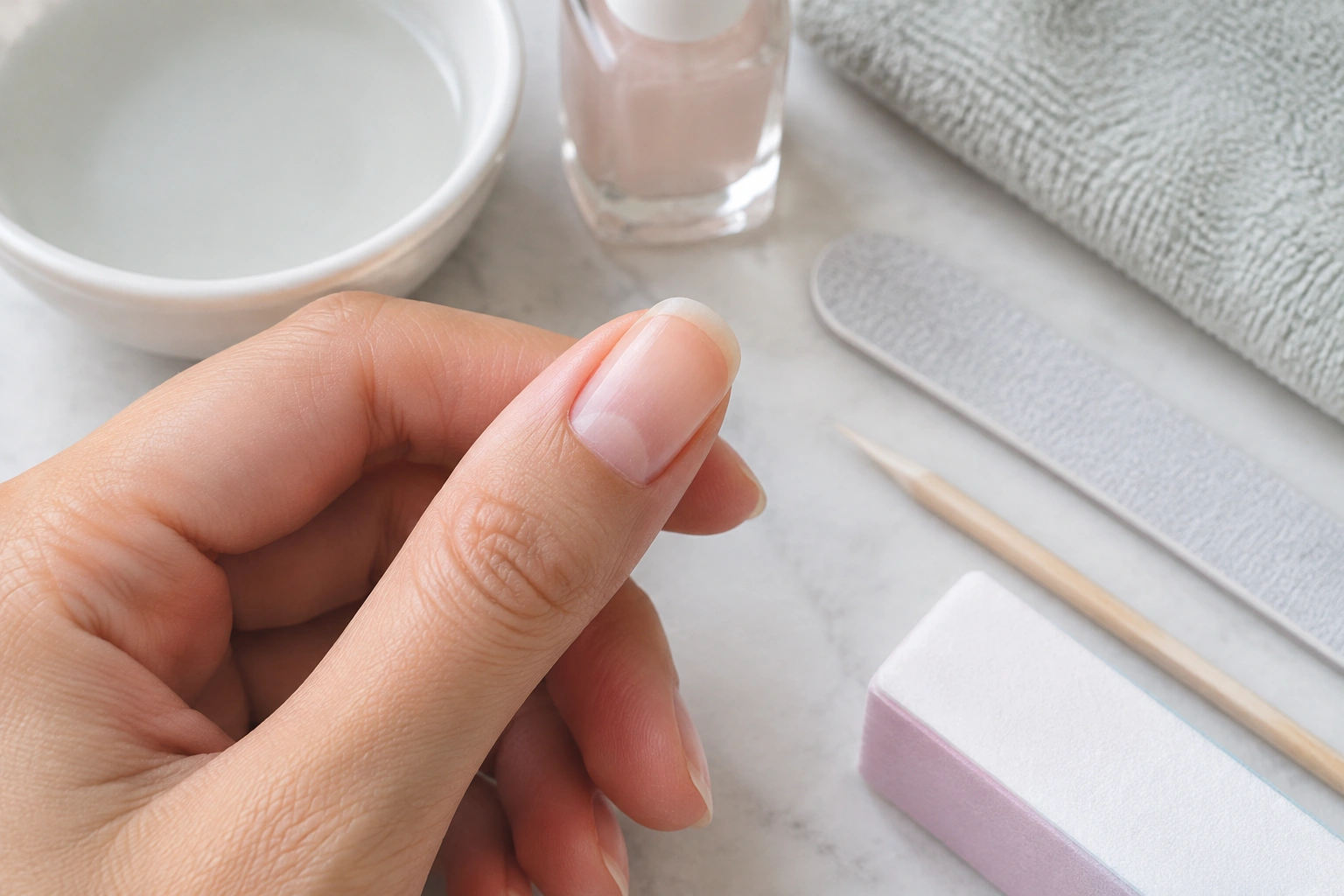
Regular polish can look great and still chip early if it is applied to an oily nail plate, layered too thickly, or exposed to water and chores before it has fully set. Chips also often begin at the free edge, which is the tip of the nail, because that area takes the most contact during everyday life.
In this guide, I’ll walk you through the most common reasons polish breaks down early and the simple changes that can help it last longer. If you want to understand polish bubbling too, this guide on why nail polish bubbles is a useful companion read.
Why Nail Polish Chips So Quickly
There are a few main reasons polish chips early, and they usually show up together.
First, polish needs something clean and dry to grip. If the nail surface still has lotion, oil, dust, or old polish residue on it, the color layer may not stick well. It can look fine at first, then start lifting from the tips or peeling in sheets.
Second, the polish layer itself matters. Thin, even coats usually wear better than one heavy coat. Thick polish can stay soft underneath for longer, which makes it easier to dent, nick, or peel.
Third, the manicure may not have enough protection on top. A base coat helps the color adhere, while a top coat helps shield the finished manicure from friction and water. Skipping either one can shorten wear time.
Finally, daily habits matter more than many beginners expect. Dishwashing, hand washing, cleaning products, typing, opening cans, and even frequent tapping can wear down the tips first.
A simple decision path for fast chipping
If your polish chips within a day or two, use the symptom to narrow down the cause:
- Tips only: usually the free edge is taking the impact, so focus on sealing the tip and reducing wear from water, chores, and tapping
- Lifting near the cuticle: usually prep or application is the issue, especially if polish touched skin or the nail was oily
- Peeling in sheets: often points to poor adhesion, skipped base coat, or residue left on the nail plate
- Dents, smudges, or impressions before chips: usually means the coats were too thick or the polish was not dry enough before normal use
- Problem keeps happening even with good prep: the formula may be fine, but your daily habits or nail length may be working against it
That kind of symptom-based check is usually faster than changing everything at once.
Why Chips Usually Start at the Free Edge
The free edge is the part of the nail that extends past the fingertip. It gets bumped, tapped, rubbed, and washed more than the rest of the nail, so it usually wears down first.
That is why sealing the free edge matters. When you brush polish lightly along the tip of the nail, you help wrap the color around the edge instead of leaving it exposed. It is a small step, but it can make a noticeable difference in how long the manicure stays neat.
Think of it like painting the edge of a table. If only the top is covered, the edge gets damaged first. Nails work in a similar way.
The Most Common Prep Mistakes That Make Polish Lift
Good prep is less about complicated steps and more about removing anything that blocks adhesion.
Oily nails
Natural nail oil is normal, and hand lotion is helpful for skin and nail care. But if oil is left on the nail plate before polishing, the color may not grip well. That is one reason a manicure can seem fine for a few hours and then start lifting.
Dust and residue
If you file or buff and then go straight to polish without wiping the nail clean, the dust can get trapped under the base coat. The result is often a rough finish or early lifting.
Skipping light buffing
A very gentle buff can help smooth the surface and remove shine so the base coat has a better chance to adhere. The key word is light. For beginners, a safe limit is usually 2–3 light swipes with a buffer, just enough to remove shine. You are not trying to reshape the nail or make it thin. Over-buffing can thin the nail plate and make nails more fragile, so this should never feel aggressive.
Applying over old product
If there is still leftover polish at the edges, new polish may not sit evenly. That uneven surface can cause chips or peeling faster than a fresh, clean nail.
For general nail care and hygiene basics, the CDC’s handwashing guidance is a useful reminder that clean hands are not the same thing as clean, polish-ready nails. You still need to remove residue from the nail plate before painting.
How to Prep Nails for Better Wear at Home
Here is a simple prep routine that works well for beginners.
-
Remove old polish completely.
Make sure the nail surface is bare and even. -
Wash and dry your hands.
This removes visible dirt, but do not stop there. -
Wipe the nail plate.
Use a nail prep product or a little remover on a lint-free pad to remove oil and residue. -
Lightly buff the surface if needed.
Just enough to reduce shine. You are not trying to thin the nail. -
Apply base coat to the clean nail.
Cover the full nail plate, staying neat around the cuticle area. -
Paint in thin layers.
Let each coat sit before adding the next one. -
Seal the free edge.
Brush the tip lightly with base coat, color, and top coat.
If you use a nail dehydrator, follow the product directions and use it only as directed. It can help remove extra moisture and oil from the nail plate, but it is not a substitute for proper cleaning and careful application.
A beginner-safe buffing rule
If your nail surface looks dull and smooth after a few light passes, stop. You should not be trying to reshape the nail with a buffer. The goal is a slight texture change, not a thinner nail.
Application Mistakes That Cause Fast Chipping
Even good prep can be undone by the way polish is applied.
Thick coats dry poorly
A thick coat may seem like a shortcut because it looks opaque faster, but it often dries unevenly. The top can feel dry while the layers underneath stay soft. That softness makes the manicure easier to dent, nick, or peel.
Flooding the cuticle can shorten wear
If polish touches the skin or cuticle area, it can lift sooner because it is not anchored neatly to the nail plate. A clean gap around the cuticle usually wears better than polish that has been pushed too far out.
Rushing between coats
Each layer needs time to settle before the next one goes on. If you stack coats too quickly, the manicure can look smooth at first and still chip early because the layers never set properly.
Sealing the free edge matters
Skipping the tip is one of the easiest ways to shorten wear, especially if your nails catch a lot of friction during the day. A light seal on the free edge can help protect the manicure where it is most likely to chip.
If you want a deeper look at how drying methods can affect polish, this guide on whether a fan dries nail polish faster may help you avoid a few common mistakes.
Base Coat vs Top Coat: What Each One Actually Does

These two products are not interchangeable.
| Product | Main job | Why it matters |
|---|---|---|
| Base coat | Helps polish grip the nail | Better adhesion can reduce lifting and peeling |
| Top coat | Protects the color layer | Helps guard against chips, scratches, and dullness |
A base coat is about bonding. A top coat is about protection.
If you use only one, choose based on the problem you are trying to fix. If polish lifts easily, a better base coat may help more. If the color stays on but the surface gets scratched or chipped, a stronger top coat may be the better upgrade.
Quick-dry top coat vs standard top coat
A quick-dry top coat is convenient when you want to get on with your day. A standard top coat may take longer to set, and some people prefer it for application control or a different finish.
The main difference is usually practical rather than absolute: quick-dry formulas can be easier when you are short on time, while standard formulas may be better if you want a little more time to work carefully. Either way, results still depend on prep, coat thickness, and how soon you put your hands back to work.
Drying Time: Why Polish Can Chip Before It Feels Dry
One of the most frustrating things about regular polish is that it can feel dry on top before it is fully ready for real life.
That means you can touch something without leaving a mark, but still dent the polish when you grab a bag, wash dishes, or press your nails against a hard surface. Fresh polish is more vulnerable than it looks.
This is where beginners often blame the formula when the real issue is timing. If you return to chores too soon, even a good manicure can fail early.
A practical rule: give your nails plenty of quiet time after painting, especially before water exposure or heavy hand use.
Daily Habits That Make Polish Chip Faster
Some habits wear down polish faster than others.
Frequent water exposure
Water does not just sit on the nail. Repeated soaking and drying can weaken the polish layer and make the edges lift sooner. Dishwashing and long showers are common culprits.
Cleaning products
Household cleaners can be rough on both the polish and the surrounding skin. Gloves are a simple fix if you do a lot of cleaning.
Typing and tapping
Even small repeated impacts can wear the free edge over time, especially on longer nails.
Nail oil and lotion
Nail oil is useful for flexibility and general nail care, but oily residue should not be left on the nail plate before polishing. After the manicure is finished, oiling the skin around the nails can help keep them from feeling dry and brittle.
Work and hobby wear
If your hands do a lot of lifting, scrubbing, crafting, or package opening, your polish may simply face more friction than average.
Does Polish Quality or Age Matter?
Yes, it can.
A bottle that has become thick, stringy, or uneven may apply poorly. If polish goes on streaky or clumpy, it is harder to build a smooth, even layer, and that can shorten wear time.
That does not mean expensive polish is always better. Cheap polish can still wear well if the prep and application are solid. But an old or poorly mixed bottle can make even a decent formula act worse than expected.
A simple bottle check
Replace or set aside polish if it:
- looks separated and will not mix smoothly
- feels very thick or sticky
- goes on unevenly even after rolling the bottle between your hands
- leaves visible ridges or clumps
If the color is hard to apply neatly, the manicure is more likely to chip early.
How Nail Length and Shape Affect Chipping
Longer nails usually take more impact, so they often chip and break more easily than shorter ones. Sharp corners can also catch on things more easily than softer shapes.
If chipping is a constant issue, a shorter length with rounded or softly squared edges is usually more durable for everyday wear.
That does not mean you must give up the shape you like. It just means the shape should match your routine. If you type a lot, wash dishes often, or use your hands for work, a shorter, smoother shape may save you a lot of frustration.
When Regular Polish Is the Wrong Tool
Regular polish is a good option if you want easy removal and a simple at-home manicure. But if your polish chips almost immediately even after better prep and application, it may be time to switch formats.
Consider a longer-wear polish or gel polish if:
- your manicure still chips fast after you improve prep
- your hands are in water or cleaning products often
- you want more durability than regular polish can realistically give
- you are willing to use a different removal method
Regular polish is simpler and usually easier to remove at home. Gel polish generally lasts longer and is more chip-resistant, which can be appealing if you are tired of redoing your nails every few days. The tradeoff is removal: gel usually takes more time, more care, and a different process than regular polish. If you are new to manicures and want low-commitment upkeep, regular polish may still be the better fit. If you want longer wear and are okay with the removal tradeoff, gel may be worth switching to.
Simple Troubleshooting Guide: What to Fix First
If your polish chips quickly, fix the most likely cause first.
If chips start at the tips
Focus on sealing the free edge and reducing daily tip wear.
If polish lifts near the cuticle
Clean the nail better before painting and keep polish off the skin.
If the manicure peels in sheets
Check for oily nails, skipped base coat, or residue under the polish.
If the polish dents before it chips
Use thinner coats and give each layer more time to dry.
If the bottle is old or thick
Try a fresh bottle before changing your whole routine.
If your hands are always in water
Protect the manicure with gloves and consider a longer-wear formula.
That order saves time because you are not changing everything at once.
How Long Regular Nail Polish Should Last Realistically
Regular nail polish has limits. Even when applied well, it is not meant to behave like gel.
A realistic manicure should not chip immediately, and it should not fail just because you touched a sink or typed on a keyboard. But if your routine involves lots of water, cleaning, or hand use, regular polish may show wear sooner than you want.
The useful question is not “How long should it last for everyone?” It is “Is this wearing out in a normal way for my habits, or is something in my prep or application off?”
If your polish consistently chips far sooner than you expect, look first at prep, coat thickness, and free-edge sealing before blaming the formula.
When to See a Nail Technician or Dermatologist
If your nails are peeling badly, splitting, painful, or changing in a way that seems unusual, it is worth getting professional advice. A nail technician can often help you adjust your routine, and a dermatologist can check for nail or skin concerns that are not just about polish wear.
For most beginners, though, fast chipping comes down to a few fixable habits: cleaner nails, thinner coats, better sealing, and a little more drying time.
If you want, I can also turn this into a shorter “quick fix” checklist or a step-by-step beginner manicure routine for NailPrime readers.

