
10 Best Brand for Nail Files: Expert Picks and Buying Guide

Nail files are a simple tool that people use every day to shape and smooth nails. They come in many types — emery boards, glass files, metal files, and electric files — each made for different needs like shaping, buffing, or fixing rough edges. We focus on the brands that make durable, safe, and effective files that save time and reduce nail damage.
Choosing the right nail file comes down to grit, material, and build quality. Grit affects how quickly a file shapes nail and how smooth the result is; coarse grits remove length fast but can split nails, while fine grits finish and polish. Materials matter for hygiene and longevity — glass and metal last longer and sanitize better than cardboard emery boards. We tested multiple brands to find the nail files that give consistent results, last through regular use, and protect nail health.
Best Nail File Brands
Below is our list of the best nail file brands to help you shape, smooth, and strengthen nails at home or on the go. We tested durability, grit options, and ease of use to find reliable picks for different nail types. Use our list to choose the right file for your routine and budget.
3 Swords Sapphire Nail File Set

We recommend this set when you want a durable, precise metal file with a small buffer for finishing.
Pros
- Very sturdy—feels built to last.
- Accurate shaping thanks to the sapphire surface.
- Compact and easy to handle.
Cons
- Metal files can feel harsh on thin nails.
- Buffer is small for full manicures.
- Price is higher than basic emery boards.
We used these files over several weeks and liked how sharply they held their edge. The sapphire coating cut through shaping fast, so we spent less time filing and avoided more stress on the nail tip.
Holding the file felt secure thanks to the grip and light weight. The dual-sided design let us shape on the coarse side and smooth on the fine side without swapping tools.
The small 3-way buffer worked well for quick touch-ups, but we wished it covered a bit more surface. For thin or brittle nails, go gentle to avoid splitting.
If you want a long-lasting metal file that gives salon-style shaping at home, this set delivers solid results and real durability.
HeeYaa Nail Files (10-pack)
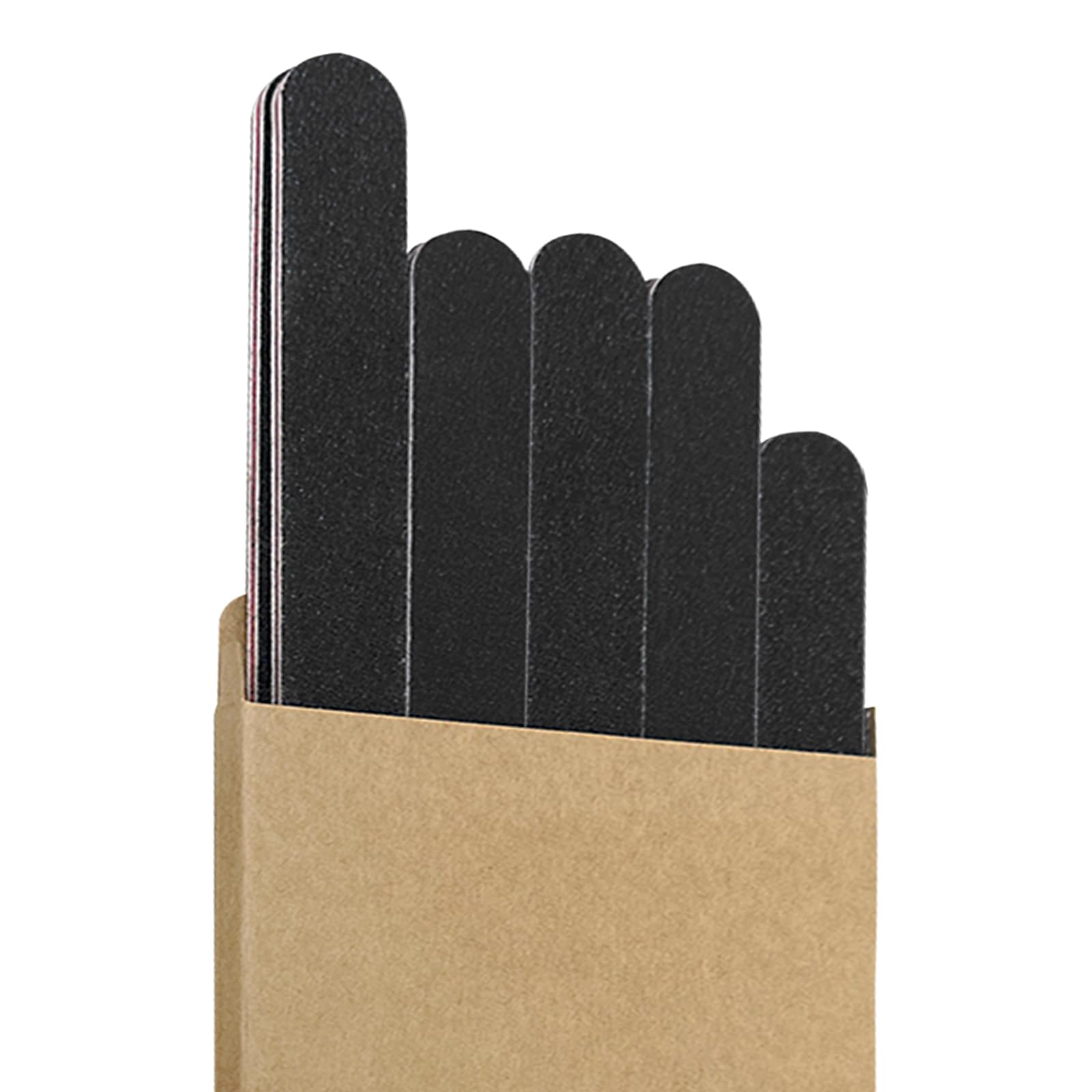
We recommend this set if you want a sturdy, reusable emery board at a low price for home or salon use.
Pros
- Feels tough and durable thanks to the red PP core.
- Double-sided 100/180 grit gives coarse shaping and finer smoothing.
- Comes neatly packed in a kraft box, good for storage or gifts.
Cons
- Grit wears down after many uses compared with glass or metal files.
- Edges can feel rough until broken in.
- Not ideal for very thick or artificial nails.
We used these files on natural nails and liked how solid they felt in the hand. The PP core keeps the board from bending, so you can push a little harder without it snapping.
The 100 grit quickly reshaped long nails, while the 180 grit left a clean edge. Switching sides felt simple, and the rounded tip made it easy to work near the cuticle without poking.
Cleaning was easy and the boards held up to a few uses each before the grit faded. For everyday home use or travel, this pack gives good value and lasts longer than thinner emery boards.
Buy the HeeYaa 10-pack on Amazon
Tweezerman Nail Files (3-pack)

We recommend these if you want sturdy, pro-level nail files that last and give a clean edge.
Pros
- Durable grit that shapes nails quickly
- Dual-sided 180/240 grits for coarse shaping and smooth finishing
- Slim size fits travel bags and small kits
Cons
- Grit wears down after a few months with regular use
- Not ideal for very soft, fragile nails — can feel a bit rough
- Basic black finish shows dust and nail residue
We used these files on natural and acrylic nails and liked how fast they removed length. The coarser side shaves down nails without digging in, and the finer side leaves a smooth edge that avoids snags.
The files feel solid in hand and don’t bend while filing, so accuracy improves when you shape curves or corners. They are light enough to carry in a kit, and the three-pack means one for home, one for travel, and a spare.
After several weeks of regular use the grit softened as expected, so we swapped them out around the three-month mark. For the price and performance, they work well for both DIY manicures and quick pro touch-ups.
Buy it on Amazon: Tweezerman Professional Nail Files, (Pack of 3) 3 Count (Pack of 1)
Revlon Shape ‘N’ Buff

We recommend this if you want a simple, all-in-one buffer that shapes nails and gives a quick shine without fuss.
Pros
- Easy to hold and control for steady filing.
- Four surfaces do both shaping and shining in one tool.
- Leaves a natural, quick gloss without polish.
Cons
- Grit wears down after heavy use.
- Not ideal for very thick or artificial nails.
- Block can feel bulky in a small kit.
We used this Revlon buffer for several manicures and found it very handy for daily maintenance. The shape fits well in the hand, so filing felt steady and precise. It handled small chips and smoothed edges fast.
Buffing moved from coarse to fine without swapping tools. The shine came up easily after the final pass. Nails looked polished and healthy without adding product.
After heavier use the abrasive feels less sharp, so it works best for regular touch-ups rather than constant pro-level filing. Overall, it’s a reliable, budget-friendly buffer that makes quick at-home manicures easier.
Bona Fide Glass File (Pastel Green Violet)
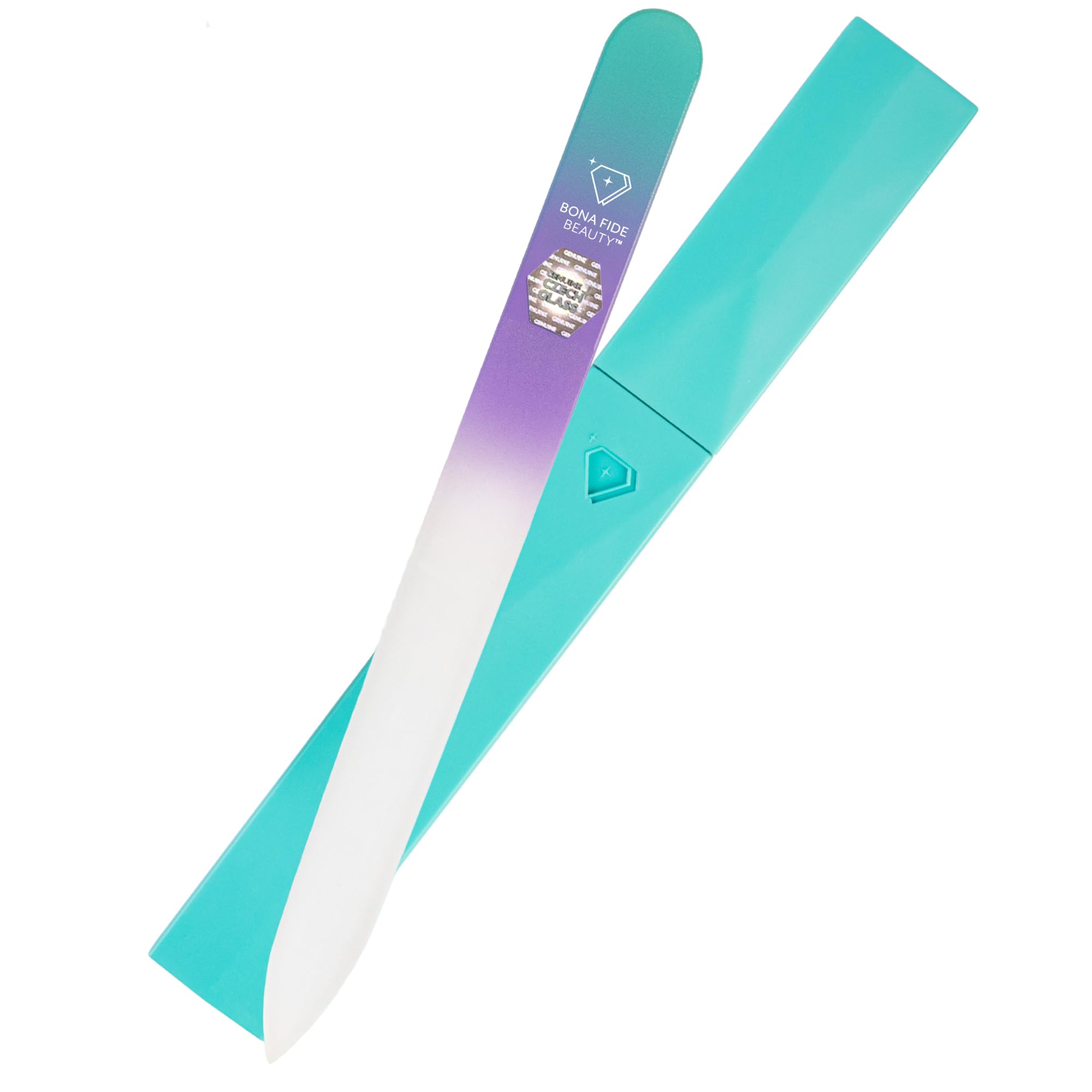
We recommend this file if you want a sturdy, smooth finish and a reusable tool that feels salon-grade at home.
Pros
- Files very smoothly in both directions.
- Feels durable and comfortable in hand.
- Comes with a protective hard case for travel.
Cons
- Still breakable if dropped on hard surfaces.
- Slight learning curve to use light pressure at first.
- Not ideal if you want disposable, cheap files.
We used this glass file for several weeks and liked how quickly it shaped our nails without splitting. The grit sealed the edges so nails felt smooth right away.
The pastel finish looks nice and the size fits our hand well. Filing both directions saved time and felt less tiring than emery boards.
We kept it in the hard case when traveling and it stayed clean. One of us did drop it once and it chipped, so we treated it more carefully after that.
Cliganic Nail File 12-Pack
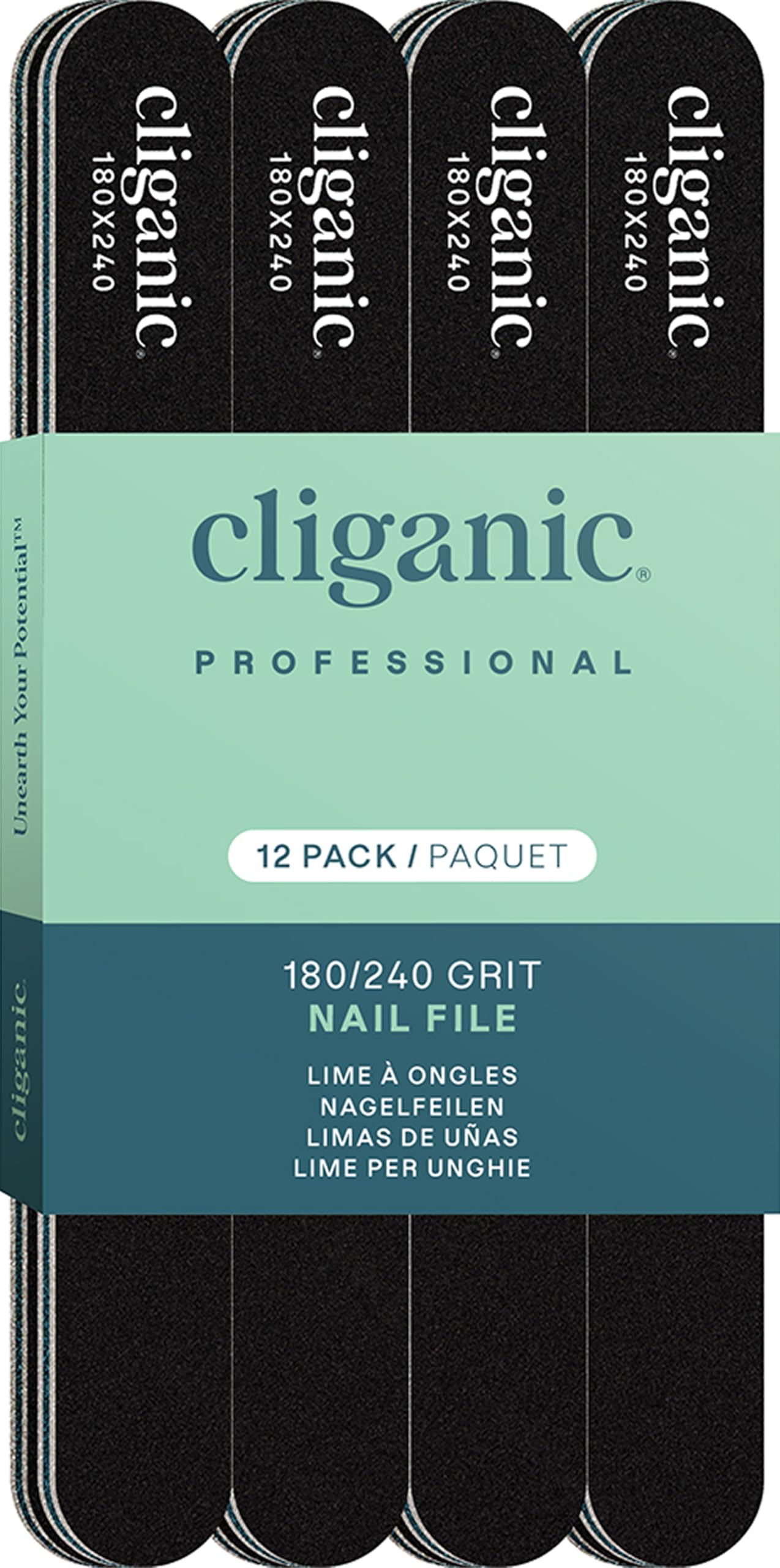
We recommend this set if you want a simple, sturdy pack of emery boards that handles natural and acrylic nails without fuss.
Pros
- Good mix of 180 and 240 grits for shaping and finishing.
- Feels solid and thin enough to control edges.
- Washable surface lets us reuse them cleanly.
Cons
- Emery can wear down after heavy use.
- Not as long-lasting as metal or glass files.
- Texture may shed a bit when new.
We used these files on natural nails and on gel tips. The 180 grit shapes quickly, and the 240 side smooths without over-thinning. Handling felt comfortable and precise because each board is thin but firm.
Cleaning worked well; a quick rinse with soap removed dust. After several uses the grit dulled, which is expected for emery boards, but the pack size makes replacement easy and cheap.
If you want a low-cost, dependable set to keep in a drawer or travel bag, this works well. For pro salons or heavy daily use, a more durable material might last longer.
Buy link: Cliganic 12 Pack Nail File Set: 180/240 Grit
Bona Fide Beauty Czech Glass File Set

We recommend this set if you want long‑lasting, gentle files that leave nails smooth without shredding.
Pros
- Feels very smooth and gentle on natural nails.
- Long‑lasting — we cleaned and reused them without losing grit.
- Comes in a handy five‑pack with hard cases for travel.
Cons
- Glass files take more care than disposables — they can break if dropped.
- Slower at shaping very long or thick nails compared to coarse emery boards.
- Higher upfront cost than single-use files.
We tested these Bohemian glass files for a few weeks and liked how calmly they reshape the nail edge. Filing feels quiet and smooth; there’s no rough scraping that can split layers. Our nails ended up with a sealed, soft edge that snagged less.
The set’s medium/fine grit works well for natural nails. We used them both directions and found the omnidirectional etch made filing quicker and more comfortable than single‑sided files. They handle regular touchups easily.
Cleaning was simple: rinse under cold water and towel dry, then store in the little hard cases. We noticed they kept their texture after many uses, which makes them feel worth the cost if you file often.
Makartt Zebra Nail Files

We recommend these if you want a durable, dual-grit emery board that handles both thick acrylics and natural nails.
Pros
- Tough enough to shape acrylics and toenails.
- Dual 100/180 grit covers rough shaping and smoothing.
- Curved edge feels comfortable for side filing near the cuticle.
Cons
- New boards can have sharp edges at first.
- Coarser side may remove too much if used carelessly.
- Emery surface will wear after heavy, repeated use.
We used these Makartt files through several full sets and liked how quickly the 100 grit took down length on extensions. The zebra grit felt sturdy under pressure and did not bend when we worked on thick nails.
The 180 side smoothed edges cleanly without leaving a ragged finish. The curved shape helped us get close to the cuticle line without poking the skin, and the boards fit well in hand for both left- and right-handed use.
Cleaning with soap and water kept the files usable between clients. After heavy use the grit dulled as expected, so we kept spares on hand for salon days.
Teenitor Nail File Set

We recommend this set if you want a full kit that covers shaping, smoothing, and shining at home.
Pros
- Lots of grit options for every step.
- Feels sturdy and cleans easily.
- Gives a real glossy finish with the fine polisher.
Cons
- Coarse grits wear down faster with heavy use.
- Handles are a bit narrow for big hands.
- Not as fast as an electric buffer on thick acrylics.
We used the Teenitor kit on both natural nails and gel tips. The range of grits made step-by-step work simple: rough shape with the 150/180 files, smooth with the buffer blocks, then finish with the 1000/4000 polisher. Each piece felt solid in our hands and didn’t flake like cheaper emery boards.
The finer polisher really surprised us. A few gentle strokes on the 4000 side produced a shiny surface that lasted several days. It won’t replace a salon lamp for cured gel, but it kept nail edges smooth and made natural nails look neat and glossy.
Cleaning the set was easy; we rinsed them and used a little soap. For frequent acrylic users, the 150 grit wore quicker than expected, so plan to replace the rougher files sooner. Overall, the kit gives good value and covers most at-home nail needs.
HomeyEra 100/180 Nail Files (12 Pack)

We recommend these if you want a durable, salon-style emery board set that handles both natural and acrylic nails.
Pros
- Feels sturdy and lasts through many uses.
- Two grits cover coarse shaping and fine smoothing.
- Large square shape gives good control.
Cons
- Coarse side can be too rough for fragile nails.
- Glue on the edges may peel after heavy use.
- Not cushioned like foam boards for very sensitive cuticles.
We used these for a few weeks at home and in a small client session. The files held up well as we shaped acrylic tips and tidied natural nails. The 7.1-inch length gave us steady control when working on toes or long nails.
Switching between the 100 and 180 grits felt natural. We removed bulk quickly with the coarse side, then refined and smoothed with the finer side. They grabbed on thicker polish and acrylic but didn’t shred nail edges when used carefully.
Cleaning was simple—rinsed debris off and let them dry. After heavier sessions we noticed slight edge wear, but the files stayed usable. For the price and pack size, they saved time and cut down trips to the salon.
HomeyEra 100/180 Nail Files (12 Pack)
Buying Guide
We look for grit first because it tells us how coarse or fine a file is. Coarse grits (lower numbers) shape quickly but can damage thin nails. Fine grits smooth and finish without splitting.
We check material next. Metal files last long but can be harsh. Glass and crystal files are gentle and washable. Emery boards are cheap and disposable.
We consider shape and length. Short, stiff files give control for nails close to the fingertip. Longer or flexible files work better for curved or longer nails. Choose a shape that matches how we hold and shape nails.
We value durability and ease of cleaning. Files that resist wear and can be sanitized stretch our budget further. If we travel, a protective case helps keep the file safe.
We weigh price against quality. Very cheap files need replacing often. Mid-range items often give the best balance of performance and lifespan. Look for clear information on grit, material, and care.
We read labels and reviews to confirm claims. Look for consistent user reports on longevity and gentleness. Avoid products that lack basic specs like grit or material.
We prioritize safety features. Rounded tips and smooth edges reduce the chance of nicks. Files designed for wet use can help prevent cracking.
| Feature | Why it matters |
|---|---|
| Grit | Controls how much nail is removed |
| Material | Affects gentleness and lifespan |
| Shape/Length | Determines control and fit to nail type |
| Cleanability | Important for hygiene and reuse |
| Price vs quality | Impacts long-term cost |
We choose a file that matches our nail type and routine.
Editor’s Choice
We picked a top brand that balances quality, value, and ease of use. Their files feel sturdy without being too harsh on nails, and they work well for both natural nails and acrylics.
We like that the brand offers several grit options in one pack. That gives us coarse edges for shaping and fine edges for smoothing and shine.
The files are durable and keep their shape through many uses. They resist clogging and fraying, so they last longer than cheap emery boards.
Key features we value:
- Multiple grits in one pack (e.g., 80/100/180)
- Sturdy core that stays straight during use
- Smooth finish that minimizes splitting and peeling
We found the price reasonable for the build and lifespan. It’s a good pick whether you’re a beginner or do your nails at home regularly.
If you want a quick recommendation: choose the pack with a medium-fine grit mix and a reinforced center. It gives us control and a smooth final edge every time.
Conclusion
We focused on what matters: grit, shape, durability, and price. Choosing the right nail file depends on your nails and how often you file them.
We recommend glass or crystal files for long-term care. They are gentle, last a long time, and keep nails healthy with light filing.
Emery boards work well for quick shaping and travel. They are cheap and disposable, but wear out faster and can be rough on delicate nails.
Ceramic and metal files fit specific needs. Ceramic offers fine control and smooth edges. Metal files are best for very thick nails and heavy-duty use.
We suggest keeping at least two types on hand: one gentle everyday file and one stronger file for thicker nails. Replace or sanitize files after heavy use.
Bold choice: pick a brand that matches your routine. Prioritize quality over low price when nail health matters.
FAQS
What type of nail file should we choose?
We pick files based on nail type and use. Glass or crystal files suit natural nails. Emery or metal files work for acrylics and hard nails.
How often should we replace a nail file?
Replace emery files when they wear smooth or shed grit. Glass files can last years with proper cleaning. Replace metal files if they bend or rust.
Can we use a file on wet nails?
We avoid filing wet nails; they tear more easily. File nails when they are dry for smoother, safer shaping.
How do we clean a nail file?
For glass files, wash with warm soapy water and let dry. For emery boards, brush off debris and replace when worn. Disinfect metal files with rubbing alcohol.
Are finer grits always better?
Not always. Lower grit (80–120) is coarse and removes material fast. Higher grit (180–240+) is finer and better for finishing. Match grit to the task.
Can we use the same file for multiple people?
We do not recommend sharing files without disinfecting. Pathogens can transfer. Use single-use emery boards for salon clients or sanitize tools between users.
What is the safest filing technique?
We file from the outside edge toward the center in one direction. Avoid sawing back and forth. Keep strokes light to prevent splitting.

