
10 Best Emery Board Nail Files for Precise Filing and Durable Finish

Emery board nail files are simple, inexpensive tools for shaping and smoothing nails. They come in many grit levels and materials—from classic cardboard-backed emery to glass or metal files—so they work for natural nails, acrylics, or gel. We look for files that shape cleanly without splintering nail edges and that last through many uses.
The main things to watch when buying an emery board are grit, durability, and how gentle it is on your nails and cuticles. Coarse grits remove length fast but can cause peeling on natural nails; finer grits finish smoothly and are better for natural nails. We tested a range of grit types and materials to find files that give a smooth finish, resist wear, and match different nail types, so you can pick the right one for your routine.
Best Emery Board Nail Files
Below is our full list of the best emery board nail files we recommend for shaping, smoothing, and maintaining healthy nails. We tested options for durability, grit balance, and ease of use to help you find the right file for your needs.
Cliganic 12-Pack Nail Files
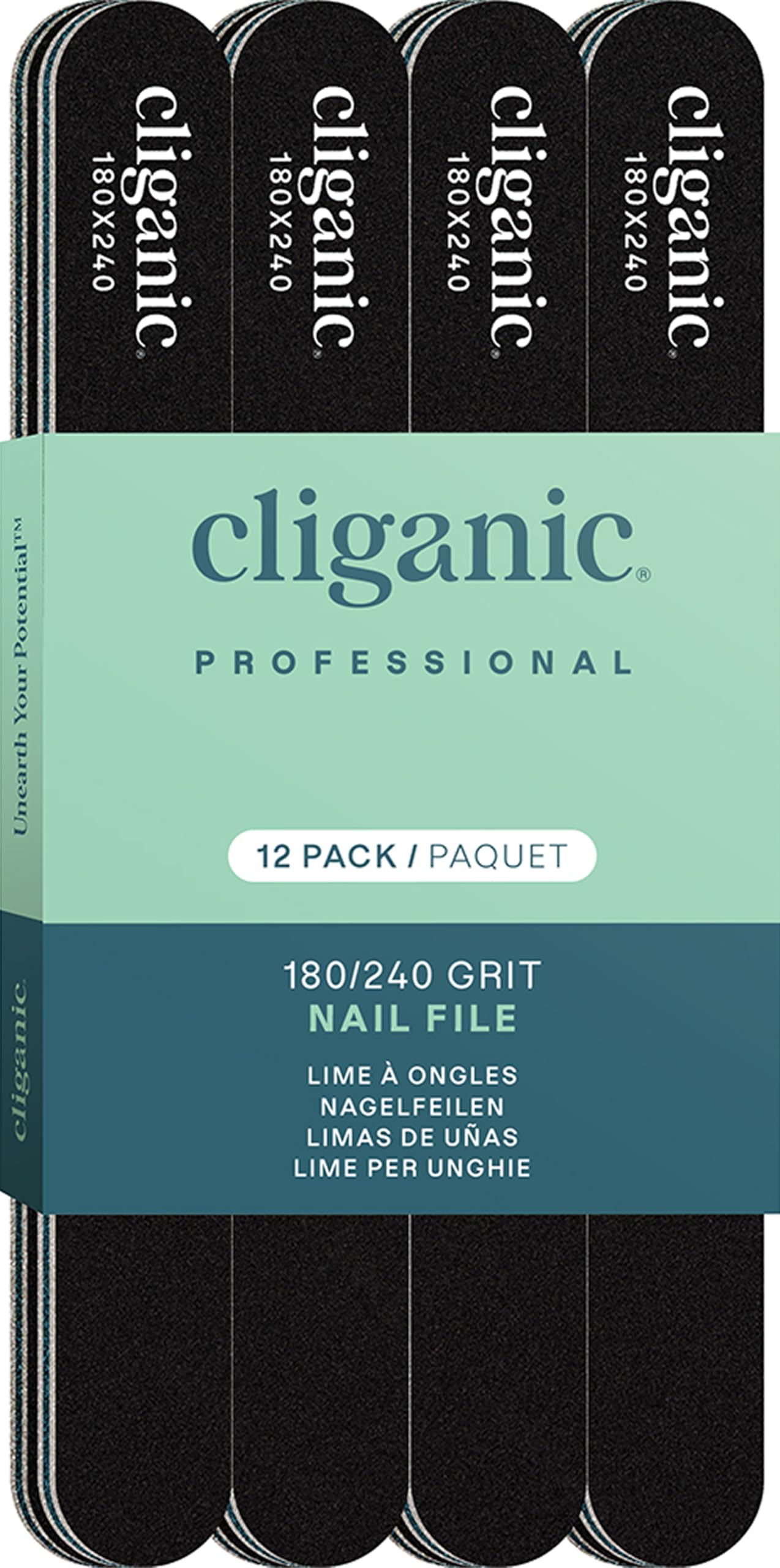
We recommend this set when you want a simple, durable emery board kit that handles natural and artificial nails.
Pros
- Good balance of 180 and 240 grit for shaping and finishing.
- Sturdy feel for the price and lasts through several uses.
- Washable surface makes cleanup fast.
Cons
- Grit can wear down after heavy use on acrylics.
- Individual boards bend if pressed too hard.
- Black surface shows dust and nail residue.
We used these files on both natural nails and gel tips. The 180 side removes length quickly while the 240 side smooths edges neatly. They felt comfortable in hand and matched the size we prefer for control.
Cleanup proved easy: a quick rinse with soap removed dust without harming the grit. After multiple uses the finer side still polished edges, though heavy acrylic filing dulled the rougher side faster than expected.
Overall, this pack gives good value when you need several disposable-but-reusable files. It’s a solid choice for home use or travel and works best if you rotate files to extend life.
Revlon Compact Emery Boards

We recommend this if you want a cheap, travel-ready pack that shapes and smooths nails reliably.
Pros
- Small and easy to carry anywhere.
- Two sides let us shape and smooth without extra tools.
- Flexible but sturdy enough for quick touch-ups.
Cons
- Disposable feel after a few uses.
- Coarse side can be aggressive on thin nails.
- No storage case in the pack.
We used these on a short trip and kept them in a wristlet. The size made them simple to grab for quick fixes between meetings. They did the job without creating dust or snagging.
The dual-sided grind really came in handy. The brown side shaped my nails fast, and the lighter side smoothed edges well enough for a polished look. Filing in one direction kept my nails from splitting, just like the label suggests.
After several uses some boards showed wear, so we treated them as single-use for special events. For daily at-home grooming we’d prefer a finer, longer-lasting file, but these are perfect for the purse or travel kit.
Soft Touch Nail File – 280/320 Grit, 5-Pack

We recommend this pack if you want a gentle, long-lasting emery board for shaping and smoothing natural nails.
Pros
- Feels sturdy and doesn’t bend while filing.
- Two grit sides handle edge shaping and light smoothing well.
- Washable surface makes it easy to reuse.
Cons
- Not coarse enough for thick acrylics or heavy shaping.
- Edges wear down after many uses.
- Single color options are plain.
We used these files on our natural nails and they impressed us with how smooth they left the nail edge. The fine and extra-fine sides let us shape and then soften without causing chips.
The length gives good control and the body feels rigid. Filing felt precise and predictable, which helped when we wanted a clean, even shape.
Cleaning was simple — the surface rinsed off and stayed intact. They did show some wear after several uses, so we kept extras in the kit for regular use.
Overall, this Soft Touch five-pack works well for everyday natural nail care and at-home touch-ups.
Tweezerman Pro Nail Files (3-pack)

We recommend this pack if you want sturdy, salon-style files that shape nails cleanly and last through regular use.
Pros
- Very durable grit that keeps shape after several uses
- Dual 180/240 sides let us shape then smooth without switching tools
- Comfortable length and stiffness for steady control
Cons
- Abrasive feel can be harsh if you over-file thin nails
- Not ideal for heavy-duty acrylic shaping compared with metal files
- Should be replaced every few months with regular use
We used these files on natural and refill acrylic nails. The 7″ length gives good reach and control. Filing in one direction felt smooth and did not fray nail edges.
The dual grit comes in handy. We used the 180 side to sculpt and the 240 side to refine the edge. Switching sides kept the finish neat without extra buffing.
They hold up well over several sessions. If you prefer a gentler file for thin nails, pair these with a softer buffer. Overall they felt professional and reliable in our hands.
HomeyEra Emery Board 12-Pack

We recommend this pack if you want a durable, salon-style emery board set for both natural and acrylic nails.
Pros
- Sturdy dual-sided 100/180 grit works on thick and natural nails.
- Large 7.1″ square shape gives better control and reach.
- Washable and reusable feel more durable than cheap single-use files.
Cons
- Coarse side can be aggressive on thin nails if used with force.
- Surface may wear after heavy use on acrylics.
- Gray color shows nail dust quickly.
We used several of these at home and in the salon. The grit felt firm and did the job shaping acrylic tips fast. The fine side smoothed edges neatly without over-thinning natural nails when we went easy.
The long square shape stood out. It let us file straight across or at angles with good control. Handling felt comfortable, and the size sped up filing toes and longer nails compared with smaller emery boards.
We washed a couple under running water after a filing session and they held up. After many uses the coarse side showed some wear on very thick acrylics, so we kept spares from the 12-pack handy. Overall, this set gives salon-level performance at a budget price.
HeeYaa 10-Pack Emery Boards
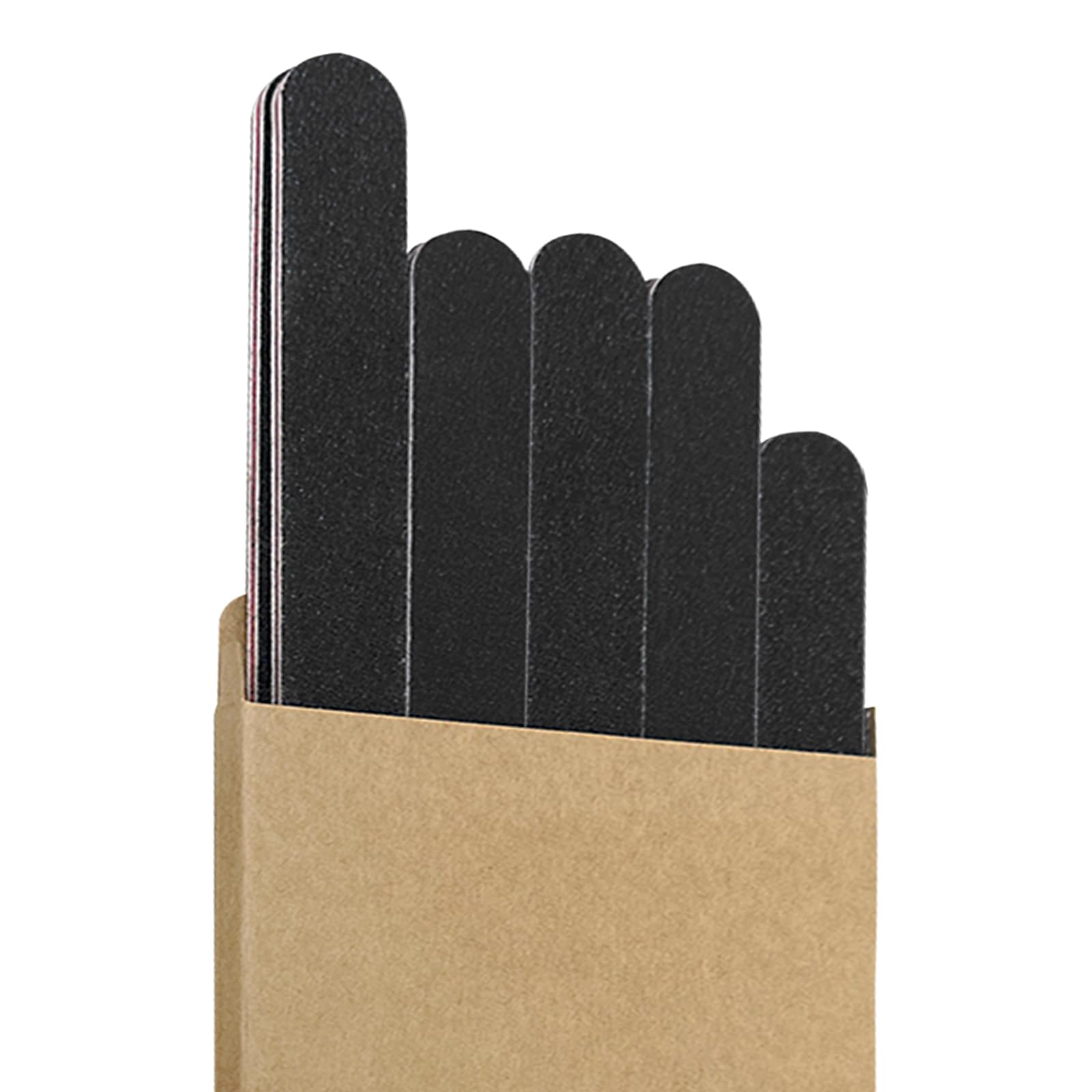
We recommend this pack if you want durable, reusable emery boards at a low cost and in neat packaging.
Pros
- Tough PP core resists breaking.
- Double-sided 100/180 grit handles shaping and smoothing.
- Comes in a tidy kraft box, good for storage or gifting.
Cons
- Grit wears faster with heavy use.
- Coarse side can feel rough on thin nails.
- Not as cushioned as foam-backed files.
We used these for a few weeks and liked how sturdy they felt. The red PP core made the file hold its shape when we applied pressure, so it didn’t bend or snap while shaping nails.
The 100 grit moved length quickly and the 180 grit smoothed edges nicely. It took a few strokes to get a polished feel, but the double-sided design meant one tool did both jobs.
The pack is handy for keeping spares or sharing with friends. The kraft box keeps them tidy, and the black finish hides dirt between cleanings.
Cleaning was simple—we rinsed and brushed them gently, then air-dried. They held up to that routine for multiple uses before the grit began to thin.
If you need inexpensive, solid emery boards for home or salon touch-ups, this set performs well and lasts longer than cheap single-layer files.
Teenitor Nail File Set

We recommend this set if you want a simple, all-in-one emery board and buffer kit that gives a salon-like finish at home.
Pros
- Lots of grits for shaping, smoothing, and shining.
- Washable and feels sturdy in hand.
- Good value for a six-piece set.
Cons
- Grit can wear down after heavy use.
- Coarse grits feel rough on thin nails.
- Blocks are a bit bulky for tight corners.
We used the Teenitor set on natural and gel nails and liked having clear steps: coarse files to shape, medium buffers to smooth, and fine pads to shine. The files gripped well and didn’t slip, which made shaping faster and cleaner.
The buffers produced a real glossy finish with the 1000/4000 sides. It took only a few swipes to get shine, and the pieces rinsed clean without falling apart. We noticed the roughest grit removes product fast, so we took extra care on thin nails.
For regular home use this kit saves time and space compared with buying separate tools. If you need heavy-duty files for constant salon work, these will still work but may need replacing sooner.
Makartt Nail Files (100/180) – 10 pcs

We recommend these if you want sturdy, cheap emery boards that shape and remove gel well.
Pros
- Durable double-sided grit that feels firm under light pressure
- Good balance of coarse (100) and medium (180) for shaping then smoothing
- Easy to rinse and reuse for a few sessions
Cons
- Grit wears down after many uses
- Edges are a bit stiff for delicate cuticle work
- Not as fine as salon buffers for final shine
We used these on both natural and acrylic nails and they held up better than typical flimsy emery boards. The 100 side quickly reduced length on acrylics, while the 180 side tidied edges into a clean shape.
Filing felt controlled because the board stayed rigid instead of bending. We noticed the surface grit loosens after heavy use, so they work best as a medium-term tool rather than a lifetime keeper.
They rinse clean easily and the black color hides wear, which we liked for travel and touch-ups. If you need a very high-gloss finish, add a fine buffer after these; for shaping and gel removal, they do the job.
Canvalite Half-Moon Nail Files (10 pcs)

We recommend this set if you want durable, easy-to-use 100/180 grit emery boards for home or salon touch-ups.
Pros
- Feels sturdy and lasts through multiple uses.
- Dual grits let us shape and smooth without swapping tools.
- Half-moon shape sits well on nail edges for controlled filing.
Cons
- Coating can wear after heavy use.
- Not as gentle on weak, peeling nails.
- Pack size may be more than casual users need.
We used these files on natural and acrylic nails and liked how quickly they removed length with the 100 grit. Switching to the 180 grit smoothed rough edges without over-thinning the nail. The half-moon shape gave us a steady angle for consistent results.
Handling felt solid — the adhesive and emery stayed in place through several sessions. They cleaned easily by brushing off dust, and the size fits both fingernails and toenails well. For salon pace, they hold up, but heavy daily use shows wear faster than cushioned files.
If you prefer gentle buffing for fragile nails, choose a finer grit tool instead. For most people who need a reliable, no-frills emery board set, this one covers shaping and smoothing in a simple, reusable package.
Revlon Compact Emery Boards

We recommend this pack if you want a simple, travel-ready nail file that shapes and smooths nails without fuss.
Pros
- Small and easy to carry for touch-ups.
- Two grit sides let us shape and finish with one tool.
- Flexible yet sturdy enough for controlled filing.
Cons
- Grit wears down faster than heavier-duty files.
- Not ideal for thick or acrylic nails.
- Must file in one direction to avoid splitting.
We kept a few of these in our bags and reached for them often when nails needed quick shaping. The rough side cuts through length quickly, and the finer side cleans the edge smoothly.
Using one felt familiar from salon files. Pressure control matters; press too hard and the emery wears faster. For everyday natural nails, they get the job done.
These boards are cheap and replaceable, so we didn’t worry about wear for travel. They’re not a professional tool for heavy-duty work, but they’re perfect for on-the-go fixes and simple home manicures.
Buying Guide
We look for grit options that match our nail type. Fine grits (240–400) suit natural nails. Coarser grits (80–180) work for acrylics or quick shaping. Choose a grit based on how soft or hard the nails are.
We check file shape and size for control. Straight files help even edges. Curved or rounded files follow the nail contour and feel easier for beginners.
We consider durability and construction. Double-sided emery boards last longer than single-layer ones. Reinforced cores or thicker boards resist bending and shredding.
We weigh hygiene and reusability. Disposable boards reduce infection risk. Washable or replaceable pads let us reuse the handle safely.
We examine grip and comfort. Non-slip or cushioned handles give better control. A comfortable grip prevents slipping and uneven filing.
We pay attention to edge finish and smoothness. Look for files that leave a smooth edge without splitting layers. A good file reduces snags and helps polish adhere.
We evaluate value and pack size. Small kits fit travel needs. Larger packs offer better cost per file for regular use.
We rate safety features. Rounded tips and fine finishing sides lower the chance of accidental cuts. Avoid overly aggressive files for thin, fragile nails.
We test compatibility with our routine. Choose files that work with buffers, cuticle tools, and polish types we use. Consistency across tools keeps results predictable.
Editor’s Choice
We picked an emery board that balances durability, gentleness, and value. It files nails smoothly without peeling or splitting, and it lasts through many uses.
The board features a medium grit for shaping and a fine grit for smoothing. We liked that the grit stays even and does not wear off quickly.
We tested flexibility and comfort. The board bends enough to follow nail curves but stays sturdy for straight edges.
Key specs:
- Grit: Medium/fine dual-sided
- Length: 7 inches (approx.)
- Material: Reinforced core with sealed abrasive
We recommend this one for most users, including beginners and pros who want a reliable daily tool. It’s easy to carry and performs well on natural and artificial nails.
Conclusion
We picked emery board nail files that balance durability, gentleness, and value. Our choices work for natural nails and short-term touch-ups, and some handle thick nails better than others.
We recommend keeping a soft and a coarse file on hand. Soft files shape and smooth without splitting, while coarse files trim faster when needed.
We suggest replacing disposable emery boards often. They wear down and can harbor bacteria. For longer-term use, consider glass or metal files with finer grits.
We focused on practical features: grit level, edge shape, handle comfort, and portability. These matter more than brand names when you want consistent results.
We also advise basic nail care to protect your work. File in one direction, avoid harsh sawing, and buff gently. That helps nails stay strong and neat between trims.
FAQS
What grit should we choose for emery boards?
We usually recommend a medium grit (180–240) for shaping and a fine grit (240–400) for smoothing. Coarser grits remove nail quickly but can cause splitting if used too often.
How often should we replace an emery board?
Replace boards when they fray or lose their grit. For regular use, that’s typically every 2–4 weeks.
Can we file nails when they are wet?
We should avoid filing wet nails because they can tear more easily. File when nails are dry for cleaner edges.
Are disposable emery boards better than reusable files?
Disposable boards are hygienic and cheap, while reusable crystal or metal files last longer. Choose based on budget and how often we need to sanitize.
How do we file to prevent splitting?
File in one direction from the outer edge toward the center. Avoid a back-and-forth sawing motion to reduce splits.
Can we use emery boards on acrylic or gel nails?
Standard emery boards work on some artificial nails but may wear quickly. Use coarser, sturdier files made for salon use on acrylics and gels.
How do we clean an emery board?
Disposable boards are not meant for deep cleaning. For longer-lasting files, brush off dust and wipe with alcohol. Let them dry before storing.
What if a nail chips after filing?
Trim the chip with scissors or cuticle nippers, then smooth the edge with a fine grit board to prevent further damage.

