
How Long Does Nail Polish Take to Dry Completely? A Practical Guide for Smudge-Free Manicures

If you want the short answer: regular nail polish usually feels dry to the touch in minutes, but it can take 1 to 2 hours to dry completely, and sometimes longer if the coats are thick or the room is humid. Quick-dry formulas can shorten that wait, while gel polish does not air-dry at all — it needs a UV/LED lamp to cure.
That difference matters. A manicure may seem fine when you gently tap a nail, then dent when you grab a bag, pull on jeans, or go to bed. The surface may be set while the layers underneath are still soft.
Quick Answer: How Long Nail Polish Takes to Dry Completely
For most DIY manicures, these are realistic expectations:
- Regular polish: often touch-dry in about 10 to 20 minutes, but not fully dry for 1 to 2 hours in many real-world routines.
- Quick-dry polish or quick-dry top coat: can feel ready sooner, often within 5 to 10 minutes on the surface, though deeper layers still need time.
- Gel polish: must be cured under a UV/LED lamp; it is not “dry” from air exposure alone.
- Thick or older polish: may take much longer, and some thickened formulas may dry poorly or unevenly.
A useful way to think about it: dry to the touch is not the same as safe for normal use. If you need to do anything that presses on the nail — shoes, bags, bed sheets, zippers, typing with force — give the manicure more time than the surface-dry stage.
Dry to the Touch vs Fully Dry vs Fully Cured
These terms get mixed up all the time, and that is usually why people smudge a manicure they thought was finished.
Dry to the touch
This means the top skin of polish no longer feels wet. It may look set, and a light touch may not leave a mark. But the layers underneath can still shift.
Fully dry
This is the point where the polish has lost enough solvent and hardened enough to resist light daily contact. For regular polish, this usually takes longer than people expect, especially with multiple coats.
Fully cured
This term applies most clearly to gel polish. Curing is a chemical process triggered by the lamp. Once cured properly, the polish is hard in a different way than air-dried polish.
Why the distinction matters: a surface can dry first because the top layer loses solvent faster than the layers below. That creates a false sense of safety. If you press hard enough too soon, the softer layers can dent even when the nail looks perfect.
For gel systems, follow the lamp and product instructions closely. The FDA has general guidance on UV lamp use and skin safety on its UV nail lamp information page. For regular polish, think in terms of evaporation, not instant hardness.
What You Need Before You Start
Drying time is affected before the first coat even goes on. If you want a smoother manicure and less waiting, these basics matter:
- Polish formula: regular, quick-dry, sheer, creamy, or gel
- Base coat: helps create an even foundation
- Top coat: seals the color and can reduce smudging
- Quick-dry top coat: useful when you need the manicure to set faster
- Fan or good airflow: helps solvents evaporate more evenly
- UV/LED lamp: required for gel polish
- Thin coats and a steady hand: often more important than any shortcut
If you use nail prep liquids, it also helps to understand how they behave. Nail dehydrators, for example, are not the same as polish dryers. If that distinction is confusing, you may want to read how nail dehydrator works or whether nail dehydrator needs to be cured.
Step-by-Step: How to Let Nail Polish Dry Properly
1) Apply thinner coats than you think you need
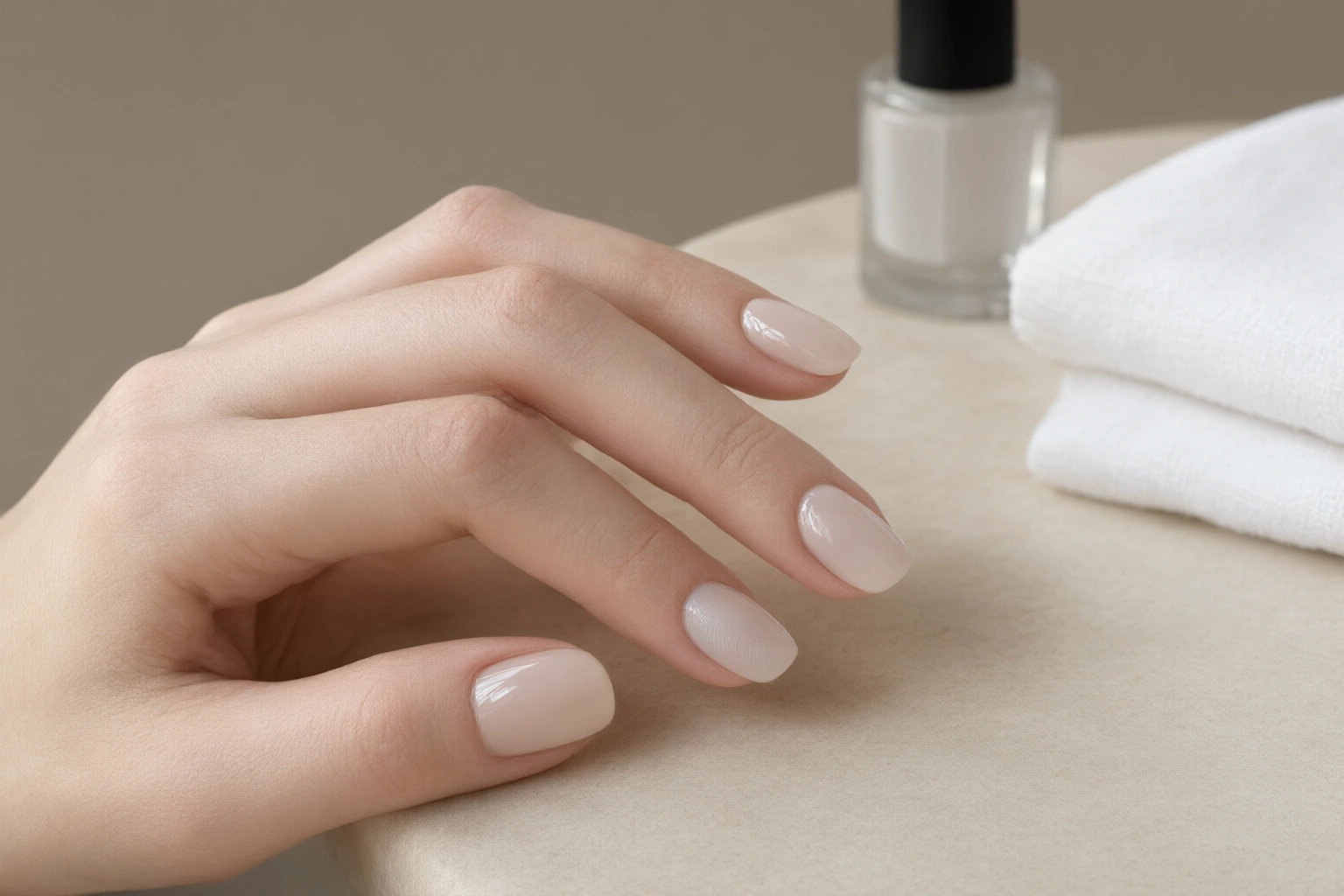
Thin layers dry faster because there is less solvent to evaporate. Thick coats trap more product underneath the surface, which is why they stay soft longer and dent more easily.
If coverage looks streaky after one thin coat, resist the urge to fix it with a heavy second coat. Two or three light coats usually dry better than one dense coat.
2) Wait a few minutes between coats
A practical rule is 2 to 5 minutes between layers for regular polish, depending on the formula and how thin the coat is. For quick-dry formulas, you may be able to move a little faster, but it is still smart to wait until the coat looks settled rather than glossy-wet before adding the next layer.
Rushing this step often causes:
– streaking
– bubbling
– dragging the color
– a manicure that stays soft for much longer
3) Use a top coat only after the color has settled
Top coat can help protect the manicure, but it can also trap softness if applied too soon. If your color coat is still visibly wet, give it a little longer before sealing it.
4) Keep your hands still during the first 10 to 15 minutes
This is when accidental dents happen most often. Avoid:
– checking your phone with the nail tips
– opening drawers
– putting on clothing
– resting nails against tables
5) Treat the next hour as protected time
Even if the surface feels dry, the manicure may still be vulnerable. If you need to leave the house, choose tasks that do not press the nails. If possible, avoid shoes with tight toe boxes, heavy bags, or anything that can compress the polish.
6) For gel polish, cure each coat exactly as directed
Gel is different. It does not air-dry in the normal sense. It requires a UV/LED lamp, and the cure time depends on the product and lamp system. Do not guess here — follow the brand instructions.
How Long to Wait by Polish Type
Here is the practical comparison most readers need.
| Polish type | Surface dry | More realistic full dry / cure time | Notes |
|---|---|---|---|
| Regular polish | About 10–20 minutes | Often 1–2 hours | Varies by formula, coat thickness, and airflow |
| Quick-dry polish | Often 5–10 minutes | Usually less likely to smudge sooner, but still not instantly hardened | Best when time matters and coats stay thin |
| Regular polish + quick-dry top coat | Faster surface set | Often less likely to smudge within the first 10–30 minutes, but deeper layers still need time | Useful when you need to reduce smudging risk quickly |
| Gel polish | Not air-dried | Cures under UV/LED, often per coat | Requires lamp curing; air alone is not enough |
These are ranges, not promises. Essie Australia notes drying time can vary widely — from about five minutes to five hours depending on the situation — and that older, thickened polishes may dry poorly or unevenly. That is one reason an old bottle can behave very differently from a fresh one. See their guidance on how long nail polish takes to dry.
Manucurist also explains that traditional polish dries as solvents evaporate, while gel polish needs lamp curing. Their overview of speeding up nail polish drying time is a helpful reminder that formula chemistry drives the process.
What Changes Drying Time
Coat thickness
This is the biggest variable you can control. Thick coats slow evaporation because the outer layer sets before the center does. That creates a soft middle that can still dent later.
Number of layers
A manicure with base coat, two color coats, and top coat will usually take longer than a single sheer layer. More layers mean more solvent and more time.
Humidity
Moist air slows evaporation. If you paint your nails in a steamy bathroom, expect the polish to stay soft longer than it would in a dry room.
Airflow
A fan or open airflow can help move solvent vapors away from the nail surface. LONDONTOWN notes that without assistance, polish may take 30 minutes to an hour to dry completely, while a fan can shorten that to roughly 10 to 20 minutes depending on the formula and fan speed, according to the brand’s guidance. That does not mean the manicure is instantly hard, but it can shorten the most vulnerable stage. Their breakdown on drying nail polish with a fan is a useful reference.
Formula age
Older polish often gets thicker as solvents evaporate in the bottle. A thickened formula lays down unevenly and may dry poorly. If a bottle has gone gloopy, that can be part of the reason your manicure still feels soft long after application.
How to Make Nail Polish Dry Faster Without Ruining the Finish
If you want faster drying without sacrificing the look, these are the most reliable moves.
Use thin, even coats
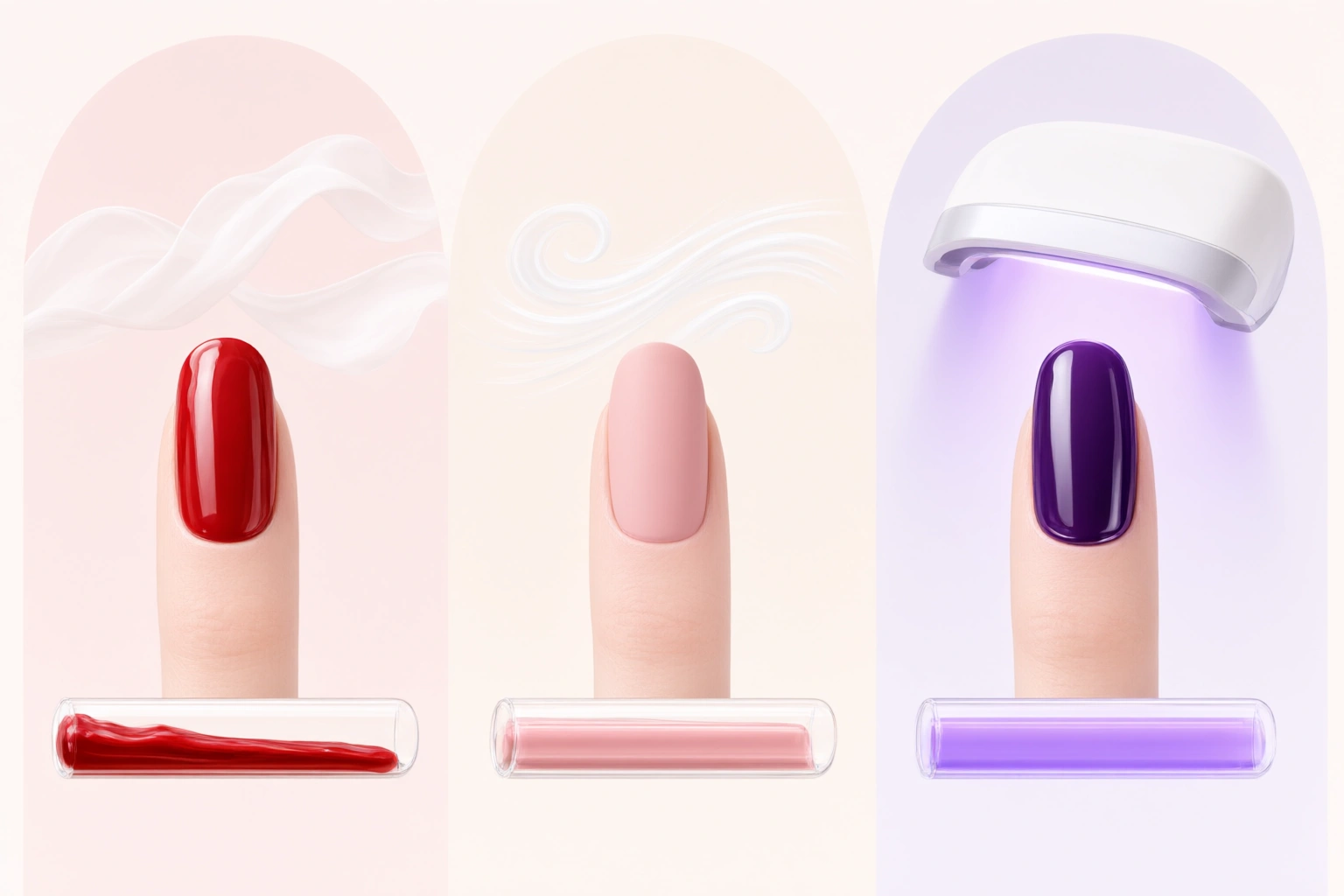
This gives you the best trade-off between coverage and drying speed. You may need one extra minute of application time, but you save much more time later by avoiding dents and smears.
Choose a quick-dry top coat
This is one of the most practical upgrades for regular polish. It helps the surface set sooner and makes the manicure feel less fragile. It does not instantly cure the deeper layers, so it is still smart to avoid shoes, bed sheets, and other pressure-heavy tasks too soon.
Improve airflow
A fan is useful for regular polish because it helps solvents evaporate. Keep the airflow gentle rather than blasting heat at your hands. The goal is to move air, not to warm the polish unevenly.
Use a nail dryer for airflow, not instant results
Nail dryers and fans can help the top layer feel dry faster, especially with regular polish. But they do not instantly cure deeper layers, and they are not a substitute for lamp curing on gel products. If a device is marketed as a dryer, read it as a drying aid — not a guarantee that the manicure is fully hardened.
Give each coat a real pause
Waiting a few minutes between layers is boring, but it prevents the bigger problem of a manicure that looks dry on top and stays soft underneath.
Match the polish to your time budget
If you only have 20 minutes, regular polish with multiple coats may be the wrong choice. Quick-dry formulas or gel may be a better fit — assuming you are ready to follow the correct curing steps for gel.
For readers who are comparing prep products, it can also help to understand whether nail dehydrator needs a lamp and whether nail dehydrator dries on its own. Those products affect prep, not the actual curing chemistry of polish.
Common Mistakes That Keep Polish Soft or Cause Smudges
Applying one thick coat instead of two thin ones
This is the fastest way to create a manicure that looks done but stays squishy underneath.
Testing the polish too often
Every time you press or tap the surface, you risk leaving a mark. If you need to check, use the back of another nail very gently instead of poking the visible surface.
Rushing into normal tasks
Typing lightly is one thing. Pressing against shoes, zippers, cans, or hair tools is another. The manicure may survive one or two small contacts, then fail on the third.
Painting in a humid room
A bathroom after a shower is one of the worst places to dry polish. The air is already saturated, so evaporation slows down.
Using old, thickened polish
If your polish has become stringy or gummy, it will not behave like a fresh formula. Sometimes the problem is not your technique — it is the bottle.
Troubleshooting: Why Is My Nail Polish Still Soft After an Hour?
If your manicure still dents after an hour, use this checklist.
The coats were too thick
This is the most common reason. Thick polish can feel set on top while the lower layer is still soft.
The room was humid or still
Low airflow and moisture slow drying. Move to a drier room and let the manicure rest.
You used too many layers too quickly
If each coat went on before the last one had settled, the whole manicure can stay soft longer than expected.
The formula is old
Thickened polish can behave unpredictably. If the bottle has changed texture, drying may be poor no matter how carefully you apply it.
The product type was mismatched to your routine
If you used gel without proper lamp curing, or regular polish when you needed something faster, the timing will not match your expectations.
If the manicure is still soft after a long wait, do not keep “checking” it. The more you press, the more likely you are to leave permanent marks.
Practical Examples: When It’s Safe to Use Your Hands Again
If you need to type
Light typing is usually safer than grabbing objects, but even here, fresh polish can nick on edges. If the manicure is under an hour old, keep your hands gentle and avoid heavy pressure. For most people, typing is more realistic after the polish is at least past the surface-dry stage and ideally closer to fully dry.
If you need to put on shoes
Closed-toe shoes are a common smudge trap. For toenails, wait longer than you would for light hand use; if the polish is still within the first hour, it is safer to delay snug shoes when possible.
If you need to go to bed
This is where quick-dry top coat earns its keep. If you paint nails right before sleep, make sure they have had enough time to set beyond the surface-dry stage, or you may wake up with sheet marks. If the manicure is still within the first 30 to 60 minutes, it is better to wait or keep your hands clear of bedding.
If you need to carry bags or open doors
These motions press the nail tips and edges. Wait longer than you think, especially for the first hour. If you can avoid heavy bags, zippers, or tight handles until the manicure is closer to fully dry, you lower the smudge risk.
When can I use my hands normally?
A practical rule is this: light use first, normal use later. For many regular-polish manicures, gentle phone use or very light typing may be okay after the surface is dry, but tasks that press, bend, or scrape the nails usually need more time.
- Typing: often safer after about 20 to 30 minutes, but keep the pressure light if the manicure is fresh.
- Shoes: wait at least 1 to 2 hours for regular polish when possible, and longer if the shoes are tight.
- Bed sheets: try to wait until the manicure is well past the dry-to-the-touch stage, and ideally closer to fully dry; sleeping too soon is a common cause of sheet marks.
- Bags and heavy items: wait until the polish is less likely to dent from pressure — often closer to the full dry window than the surface-dry window.
A simple decision rule: if an action would bend, press, or scrape the nail edge, assume the manicure is not ready yet.
When to Ask a Nail Technician
If your polish regularly stays soft for hours, even with thin coats and decent airflow, it may be worth asking a nail technician to look at your product choices and application pattern. The issue could be the formula, the prep steps, or the way layers are being built. If you are using gel and the polish never seems to cure properly, that is also a good time to get guidance from a professional rather than guessing.
The Bottom Line
If you are asking how long does nail polish take to dry completely, the honest answer is that it depends on the formula, the number of coats, and the environment. Regular polish may feel dry in minutes but still need 1 to 2 hours to fully set. Quick-dry products can shorten that wait, especially on the surface. Gel polish needs lamp curing. Thin coats, real drying pauses, and decent airflow make the biggest difference between a manicure that survives the day and one that smudges the second you use your hands.

