
What a Base Coat Does for Nail Polish: A Beginner’s Guide

If you’re new to nail polish, base coat can feel like one more extra step. But it has a simple job: it helps prepare the nail before color goes on.
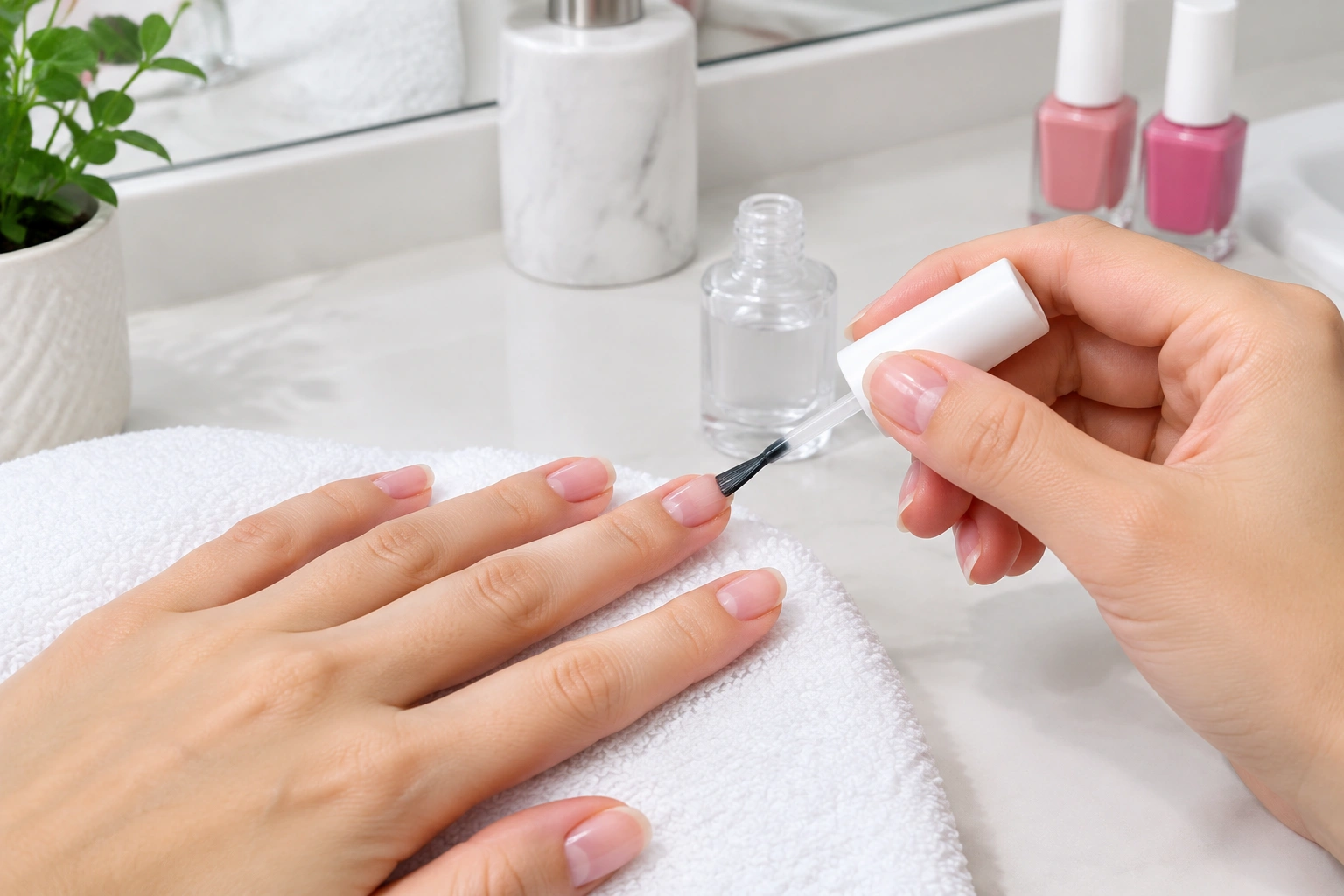
A base coat is the layer that goes on first, before your polish. Think of it as the foundation of a manicure. It helps create a better surface for color, and in many routines, it also helps protect the natural nail from staining and makes the manicure look smoother.
If you’ve ever wondered why polish chips fast, looks uneven, or leaves behind color on the nail, base coat is often part of the answer.
What a Base Coat Is
A base coat is a clear or lightly tinted nail product designed to go under nail polish. Most people use it on natural nails before applying color.
Its main purpose is not to add shine or finish the look. Instead, it helps the polish sit better on the nail and gives the manicure a cleaner starting point.
What Base Coat Does for Your Nails and Polish
A base coat can do a few useful things at once. Not every formula does every job equally well, but these are the most common reasons people use one.
Helps polish grip the nail
Natural nails can be smooth, oily, or uneven. When polish has less grip, it may start lifting or chipping sooner. A base coat improves adhesion between the natural nail and the color polish, which helps reduce premature lifting and chipping.
That does not mean your manicure becomes chip-proof. It simply gives the polish a better chance to stay put.
Can help polish last longer
Because base coat improves the starting layer, the manicure often wears better than it would on bare nails. If your polish usually chips quickly, base coat is one of the easiest things to add to your routine.
This matters most if you wear polish for several days and want it to look neat longer.
Can help reduce staining
Dark or highly pigmented polish can sometimes leave color behind on natural nails. A base coat can help create a barrier between the polish and the nail plate, which may reduce staining.
This is especially helpful with reds, blues, deep purples, and other strong shades.
Can create a smoother surface
Some nails have ridges or texture. A base coat can help soften the look of that texture so color goes on more evenly.
If the nail surface is smoother, the polish may look cleaner and less streaky.
For a broader look at polish wear and drying, you may also find how long regular nail polish takes to fully dry helpful.
Do You Really Need a Base Coat?
For a beginner, the simplest answer is this:
- Use base coat when you want better wear, less staining, or a smoother finish.
- Skip it only when you truly do not mind faster wear or you are doing a very quick, low-commitment manicure.
If you use dark polish, wear polish often, or have nails that seem oily, ridged, or uneven, base coat is strongly recommended.
If you are just testing a shade for a short time, you can technically paint color directly on the nail. But bare nails usually give polish less support, so the manicure may chip sooner.
A practical rule: if you care about how the manicure looks after a day or two, use base coat.
How to Apply Base Coat Correctly
You do not need special tools to apply base coat well. Clean nails and a steady hand are enough.
1. Make sure nails are clean and dry
Wipe away old polish, lotion, or oil. Moisture and residue can keep the base coat from sticking well.
2. Apply a thin layer
Use a small amount and brush it on in one smooth coat. Thin layers are better than thick ones because they dry more evenly.
For most beginner manicures, one thin coat is enough. If a formula is very sheer or made for a specific purpose, follow the product directions.
3. Cover the full nail surface
Go close to the edges without flooding the skin. You want the whole nail covered, but not dripping over the sides.
4. Let it dry before color
Follow the bottle instructions, and wait until the base coat is fully set or no longer wet before applying polish. If you rush this step, the color coat can drag the base coat around and leave the surface uneven.
5. Follow with polish and top coat
Once the base coat is dry to the touch, apply your color polish, then finish with top coat.
If you want a deeper breakdown of the next step in the routine, see how long top coat takes to dry.
How Long to Let Base Coat Dry Before Polish
There is no single drying time that fits every product, because formulas vary. The safest beginner rule is to follow the bottle instructions and wait until the base coat is fully set or no longer wet before applying polish.
If it still feels wet, wait a little longer.
A common mistake is painting color on too soon. That can cause streaks, bubbles, or a patchy finish. It can also make the manicure feel soft underneath, even if the top layer looks dry.
If your base coat seems to stay sticky, use less product next time. Thick coats take longer to dry and can make the manicure harder to layer.
Base Coat vs Top Coat vs Nail Primer
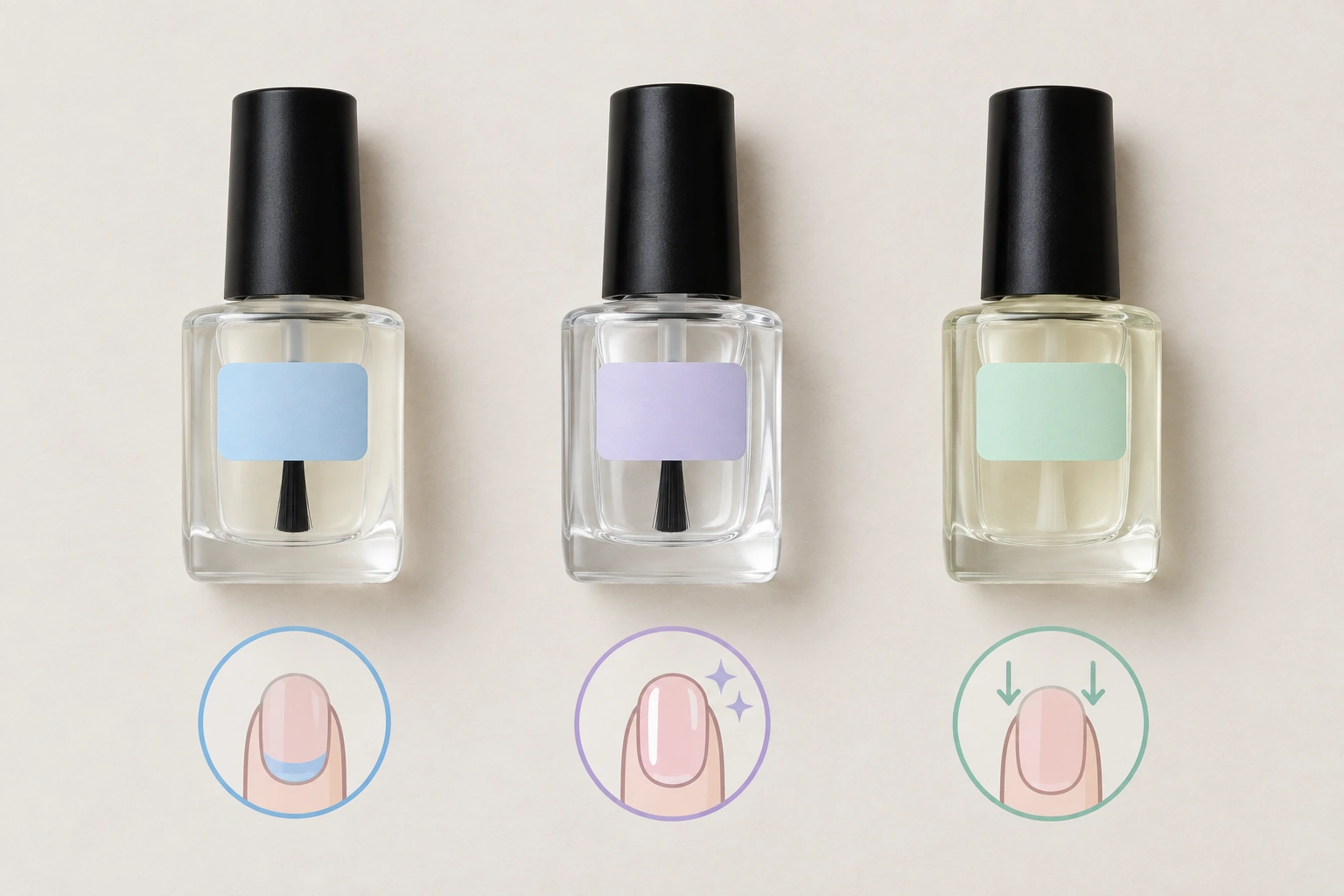
These products are easy to mix up, but they do different jobs.
| Product | Main job | Goes on when | Best for |
|---|---|---|---|
| Base coat | Helps polish adhere and can help protect nails | Before color polish | Most manicures |
| Top coat | Seals and finishes the manicure | After color polish | Shine, protection, and final look |
| Nail primer | Prepares the nail surface for certain systems | Before some products, depending on formula | More specific nail prep routines |
Base coat vs top coat
A base coat goes under polish. A top coat goes over it.
They are not interchangeable. If you swap them, the manicure may not perform the way you expect. A top coat is made to finish and seal, not to create the right surface for color to grip.
Base coat vs nail primer
A primer is usually a more specialized prep product, often used in certain systems rather than everyday polish routines. For regular nail polish, base coat is usually the everyday product beginners need.
If you are just painting regular polish, base coat is usually the more relevant product.
Which Type of Base Coat Should You Choose?
Not all base coats are exactly the same. The best one depends on what you want most from the manicure.
Standard base coat
This is the simplest choice for most beginners. It gives you a basic foundation under color and is a good all-purpose option.
Choose this if you want a straightforward product for everyday polish.
Ridge-filling base coat
This type is made to help smooth the look of ridges or uneven texture on the nail.
Choose ridge-filling if your nails have noticeable texture and you want polish to look more even. It can make the surface look smoother, but it may feel a little thicker than a standard formula.
Strengthening base coat
These formulas are usually chosen by people who want a more treatment-style base. They may be marketed for weak or brittle nails.
Choose strengthening if your nails feel weak, bend easily, or break more often and you want a base coat that leans more toward nail support. That said, not every strengthening formula is the right fit for every nail type. If your main goal is simply polish wear, a standard base coat may be enough.
Peel-off base coat
A peel-off base coat is made for easier removal. It can be handy for short wear or special occasions.
Choose peel-off if you want a manicure for a short time and plan to remove it quickly. The trade-off is that it often does not last as long as a regular base coat.
Common Base Coat Mistakes to Avoid
A few small habits can make a big difference.
Applying it too thickly
Thick coats take longer to dry and can make the manicure feel soft or uneven. One thin layer is usually enough for regular polish.
Skipping it with dark polish
If you use strong colors without a base coat, staining becomes more likely. This is one of the clearest reasons to keep base coat in your routine.
Painting color on too soon
Even if the base coat looks dry, it may still need a little more time. If you rush, the next layer can drag or streak.
Using the wrong product for the job
A top coat will not replace a base coat. And a specialty formula is not always necessary if your nails are otherwise healthy and smooth.
Applying it to oily or damp nails
Base coat works best on clean, dry nails. If the nail surface is not ready, the polish may lift sooner.
Simple Example: When Base Coat Really Helps
Imagine you want to wear a red polish for a few days. Without base coat, the color may stain the nail and chip faster, especially if your nails are naturally oily.
With base coat, you give the polish a better surface to hold onto and a bit more protection underneath.
When to See a Nail Technician or Dermatologist
If your nails are breaking often, peeling badly, or reacting with redness, burning, or irritation after products, stop using the product and get professional advice.
A nail technician can help you choose a better routine for your nail type. A dermatologist is the right person if you think you may be dealing with a skin or nail condition that needs medical attention.
Simple Bottom Line for Beginners
If you want your manicure to look better and last longer, base coat is worth using. It helps polish grip the nail, can reduce staining, and gives color a smoother surface to sit on.
For most beginners, a standard base coat is the easiest place to start. Use it on clean, dry nails, keep the layer thin, and let it set before color goes on. If your main concern is ridges, weakness, or easy removal, choose a formula that matches that goal instead of assuming one base coat does everything.
FAQ
Can I use nail polish without base coat?
Yes, but the manicure may chip sooner and stain the nail more easily, especially with darker shades.
Does base coat always prevent staining?
No product can promise that in every case. Base coat may help reduce staining, but very pigmented polish can still leave color behind if worn often.
Is one coat of base coat enough?
For most beginner manicures, one thin coat is enough. Thicker layers usually create more problems than benefits.
What if my base coat feels sticky?
Some formulas stay slightly tacky by design. If it feels wet enough to smear, give it more time before applying polish.
Can I use top coat as a base coat?
No. They are made for different jobs, and swapping them usually gives worse results.

