
Short Nails for School: Cute, Neat, and School-Appropriate Ideas for Kids and Teens

If you’re choosing nails for school, the sweet spot is usually simple: short, tidy, and easy to live with. That doesn’t mean boring. It means a look that works for handwriting, sports, music class, lab work, and busy mornings without becoming a distraction.
As a nail tech and a mom, I like to think about school nails in three buckets: what looks neat, what is allowed, and what can actually survive a school week. Those three things don’t always point to the same choice, so this guide will help you pick the best fit for your child or teen.
What Makes Nails School-Appropriate?
School-friendly nails usually have two jobs: they should look clean, and they should not get in the way.
A short length is often the easiest place to start. A practical rule of thumb is to keep the free edge at or just past the fingertip. Some schools may want nails even shorter, especially in stricter dress-code settings or hands-on programs. If the nail extends far enough that it catches on hair, pockets, backpacks, or paper, it is probably more maintenance than most school days need. Short nails are also easier to type with, hold pencils with, and keep out of the way during PE or instrument practice.
That said, school rules vary a lot. Some schools are relaxed about polish and nail length. Others may limit artificial nails, bright colors, or anything that looks too flashy. Nursing and healthcare programs are often stricter; in those settings, short nails and natural colors may be preferred or required if nails are allowed at all. The safest move is always to check the actual school policy before doing anything elaborate.
For hygiene, the safest general approach is simple: keep nails trimmed, smooth, and clean. Public health guidance from the CDC on handwashing reinforces the bigger picture here—clean hands matter, and nails that are easier to wash and dry are easier to keep tidy too.
Quick decision rule:
– If the student is very young, very active, or in a stricter school setting, go with bare or lightly polished short nails.
– If the student is older and the dress code is flexible, subtle polish or minimal nail art can work well.
– If the school is especially strict, keep nails very short and skip press-ons or anything that adds bulk.
Best Short Nail Shapes for School
When nails are short, shape matters more than people think. A shape can make short nails look polished or make them feel sharp and fussy.
Rounded
Rounded nails are the most forgiving. The edges are smooth, so they are less likely to snag on sweaters, zippers, or sports gear. For younger kids, this is usually the easiest shape to maintain because it still looks neat even after a few days of growing out.
Squoval
Squoval is a soft square with rounded corners. It gives a tidy, slightly more structured look than a round nail, but without the harsh corners that can catch. If you want a “clean and put-together” look for middle school or high school, this is often the best middle ground.
Short square
Short square nails can look crisp and modern, especially on teens and adults. The trade-off is that corners need more attention. If the corners are left sharp, they can snag more easily than rounded styles. For school, I usually prefer square only when the nail is truly short and the edges are filed smooth.
Best school-friendly ranking
If you want the simplest answer, I’d rank them like this:
- Rounded — most school-friendly, lowest snag risk
- Squoval — very school-friendly, slightly more polished-looking
- Short square — still workable, but a bit more prone to snagging if corners are not softened
A helpful reference point is to keep nails at or just slightly past the fingertip. That’s a useful visual target if you’re trying to keep things school-friendly.
Simple Short Nail Ideas That Still Look Cute
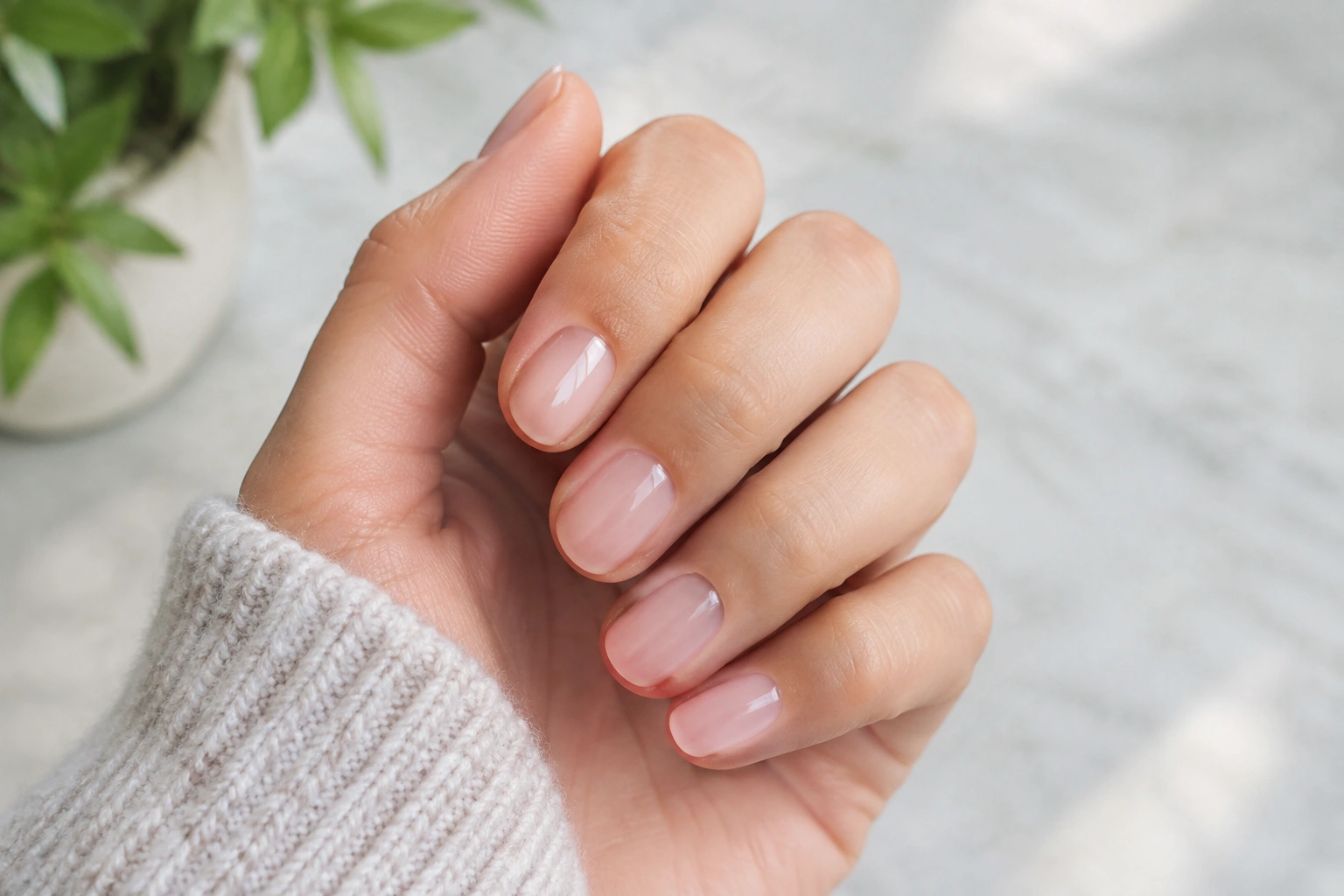
You do not need long nails to make a manicure feel special. In fact, short nails often look best when the design is small and intentional.
Clear polish
Clear polish is the easiest “done but not distracting” option. It adds shine, makes nails look cleaner, and is less likely to conflict with dress codes than bold color. It also grows out more gracefully than darker shades, so chips are less noticeable.
Soft neutrals
Think sheer pink, pale beige, milky nude, or soft peach. These shades tend to look neat without drawing too much attention. They work especially well for school because they feel polished in a quiet way.
Tiny accents
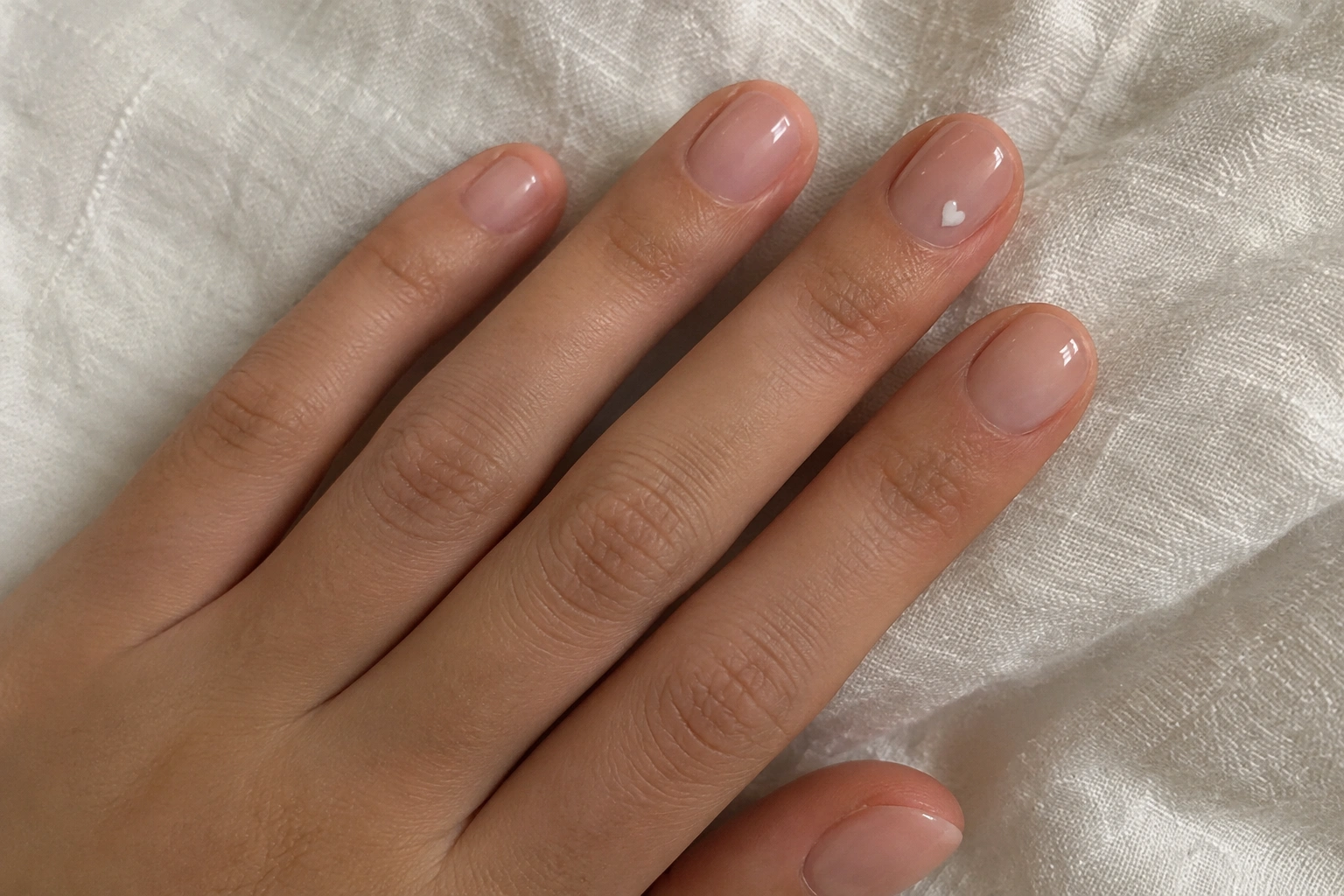
If a student wants something a little more fun, tiny details are the safest place to play. A single dot near the cuticle, one thin line across the tip, or a small heart on one accent nail can be cute without feeling overdone. A school-design guide from BTArtbox also points toward simple patterns like polka dots and hearts as easy, school-friendly ideas.
Bare nails with shine
Some of the best-looking school nails are just natural nails that have been filed well and finished with a little hand cream or cuticle oil. That “clean hands” look can be more polished than a busy design, especially on younger students.
Minimal French tip
A very thin French tip can work on short nails if the tip is tiny and subtle. On short lengths, the key is restraint. A thick white tip can make the nail look crowded; a narrow edge feels lighter and more school-appropriate.
School-safe ideas by age
- Younger kids: clear polish, bare nails with shine, or a soft sheer pink
- Middle schoolers: neutral polish, tiny dots, one heart accent, or a very thin French tip
- Teens: muted color, squoval nails, a delicate line design, or one accent nail with a tiny star or heart
Natural Nails vs. Polish vs. Press-Ons vs. Gel Nails
Here’s the real-life comparison parents and teens usually need.
| Option | Best for | Trade-off | School fit |
|---|---|---|---|
| Natural nails | Younger kids, sports, busy schedules | Least decorative | Usually the safest choice |
| Clear or neutral polish | Students who want a neat look | Chips eventually | Often the easiest polished option |
| Press-ons | Short-term events or weekends | Can pop off with heavy use | Depends on the school and adhesive rules |
| Gel nails | Older students who want longer wear | More commitment and may be restricted in stricter settings | Check the policy first |
Natural nails
Natural nails are the lowest-maintenance choice. They are easy to wash, easy to trim, and usually the least likely to cause problems in sports or hands-on classes. If a student is rough on their hands, this is often the most practical option.
Regular polish
Regular polish gives more style without much commitment. It is a nice middle ground for teens who want a little personality but still need a school-safe look. The downside is wear: chips show up, especially on active hands.
If you want a beginner-friendly way to make polish last a little better, our guide on how to paint nails properly walks through basic prep and thin-coat application.
Press-ons
Press-ons are convenient and fun, but they are not always the most practical for school. They can work for a special event, photo day, or weekend look. For active students, though, they may lift sooner, especially if there is a lot of handwashing, sports, or music practice. In stricter schools, press-ons may be a poor fit simply because they can look bulkier than natural nails and may not meet appearance rules.
Gel nails
Gel nails can be a good option for some older students who want a longer-lasting finish, but they are not automatically school-appropriate. Some schools are fine with them, while others may treat them like any other artificial or enhanced nail service. If a student’s school is strict about appearance or length, gel may be more than they need. When in doubt, keep it simple and check the handbook first.
For a broader look at how long different manicure types tend to last, our article on how long salon nails last can help frame the maintenance side of the decision.
Clear polish vs. neutral polish vs. colored polish
If you’re choosing between finishes, this is the simplest way to think about it:
- Clear polish: most school-safe, most flexible, and least likely to stand out
- Neutral polish: still school-friendly, a little more polished-looking, and usually easy to wear
- Colored polish: best for schools with relaxed rules or older students who want more personality
If the goal is “safe for almost any school,” clear or sheer neutral usually wins.
How to Keep Short Nails Neat and Durable All Week
A short manicure looks best when the edges stay smooth. The goal is not perfection. The goal is “still tidy by Friday.”
File before things start snagging
Don’t wait for a split corner. A quick file every few days helps prevent tiny snags from becoming breaks. For school nails, I like a gentle rounded edge or a soft squoval edge because both are easier to maintain.
File after showers when nails are softer
If a nail feels a little rough after a shower, that can actually be a good time for a light file. Nails are often softer after soaking, so it is easier to smooth tiny rough spots before they turn into bigger breaks. Just keep the filing gentle.
Keep corners smooth
Even short nails can catch if the corners are too sharp. If a nail keeps snagging on socks, sweaters, or notebooks, the corner usually needs a little more filing.
Don’t pick at polish or edges
Picking at a lifted corner is one of the fastest ways to make a small chip worse. If polish starts peeling, it is better to trim, file, or remove it than to keep pulling at it.
Wear gloves for chores
For dishes, bathroom cleaning, or other wet chores, gloves can help protect both nails and skin. They also help polish last a little longer by reducing repeated water exposure.
Moisturize hands and nails
Dry skin can make nails look rough even when the length is fine. A little hand lotion after washing and a tiny amount of cuticle oil around the nail area can help the whole hand look more cared-for.
Clean gently, not aggressively
Scrubbing under nails too hard can irritate the skin. A simple wash with soap and water is usually enough for everyday school life. If a child is younger, keep the routine simple and supervised.
Be realistic about activities
If there is PE, volleyball, cheer, band, robotics, or a science lab in the same week, the safest manicure is the one that won’t become a distraction. Shorter, smoother nails are less likely to break during those activities.
Age-Appropriate Guidance for Kids, Teens, and Students in Sports
Not every student needs the same nail plan.
Younger kids
For younger children, I usually recommend natural nails or a very light polish. The reasons are practical: less maintenance, less chance of picking at polish, and fewer worries about strong removers or glue. If a child wants color, a soft pastel or sheer pink is usually enough to make it feel fun. For younger users, it is also smart to keep product choices simple and gentle—basic remover, minimal glue use, and easy-to-wear strengtheners only if they are truly needed.
Middle schoolers
Middle school is often where kids start wanting more personality. This is a good time for clear polish, soft neutrals, or tiny accent details. The look feels age-appropriate, but the upkeep stays manageable.
High schoolers
Teens often want something a little more expressive. That’s where muted color, a subtle French tip, or a tiny design on one or two nails can work well. The key is keeping the shape short enough that it still feels practical for school, typing, and activities.
Students in sports
If the student plays a contact sport, uses equipment, or has frequent hand-heavy activities, keep the nails extra short and smooth. Bare nails are usually the least annoying option here. Press-ons and longer polish styles are more likely to chip, lift, or get in the way.
How to Check Your School’s Nail Rules
This part saves a lot of frustration.
Before choosing a style, check the student handbook, dress code, or school website. The best place to start is usually the section labeled student handbook, dress code, uniform, or personal appearance. If the rules are still unclear, search the document for words like personal appearance, uniform, cosmetology, nails, artificial nails, polish, or appearance. If you still cannot find the answer quickly, ask the front office, a teacher, or the school nurse.
A few questions to ask:
– Are short nails required?
– Are polished nails allowed?
– Are press-ons, gels, or dip nails allowed?
– Are there rules for sports teams, lab classes, or uniforms?
– Do younger grades have different rules from older grades?
If you cannot find the answer quickly, choose the most conservative option: short natural nails or a very sheer polish.
Easy School-Friendly Nail Ideas by Style Preference
Here’s a simple way to narrow it down.
If you want the most minimal look
Choose bare nails with a neat file and a little hand lotion. This is the best fit for strict dress codes and busy schedules.
If you want cute but subtle
Try sheer pink, milky nude, or a single tiny dot on one nail. It feels playful without being loud.
If you want trendy but still school-safe
Go for squoval nails in a soft neutral shade. That combination looks modern, tidy, and low-drama.
If you want a creative touch
Add one accent nail with a tiny heart, star, or thin line. Keeping the design limited to one or two nails helps it stay school-appropriate.
If you want the easiest upkeep
Natural nails win here, especially for younger kids and athletes. The fewer products and layers involved, the less there is to chip, lift, or worry about.
When to See a Pediatrician or Dermatologist
Most short nail care is simple home care. But if a child or teen has pain, swelling, redness, nail lifting, repeated breakage that does not improve, or a skin reaction after polish, glue, or remover, it is worth checking with a pediatrician or dermatologist. That is especially important if there is irritation around the nail folds or if a product seems to trigger a rash.
For product safety and ingredient concerns, the FDA is also a useful place to check general consumer guidance on cosmetics and personal care items.
Short nails for school do not have to be plain. They just need to be practical first. Once you keep the length manageable and the shape smooth, even the simplest polish or tiniest detail can feel polished, age-appropriate, and easy to wear all week.

