
Can Nail Oil Expire? How to Tell If an Old Bottle Is Still Usable

If you’ve found an old bottle of nail oil in a drawer or bathroom cabinet, the short answer is yes: nail oil can expire or degrade over time. Sometimes that means it simply becomes less effective. Other times it means the oil has gone rancid or been contaminated and should be discarded.
That difference matters. A bottle that is merely older may still be usable, while one that smells off, looks unusual, or has been exposed to heat and repeated opening may no longer be worth keeping.
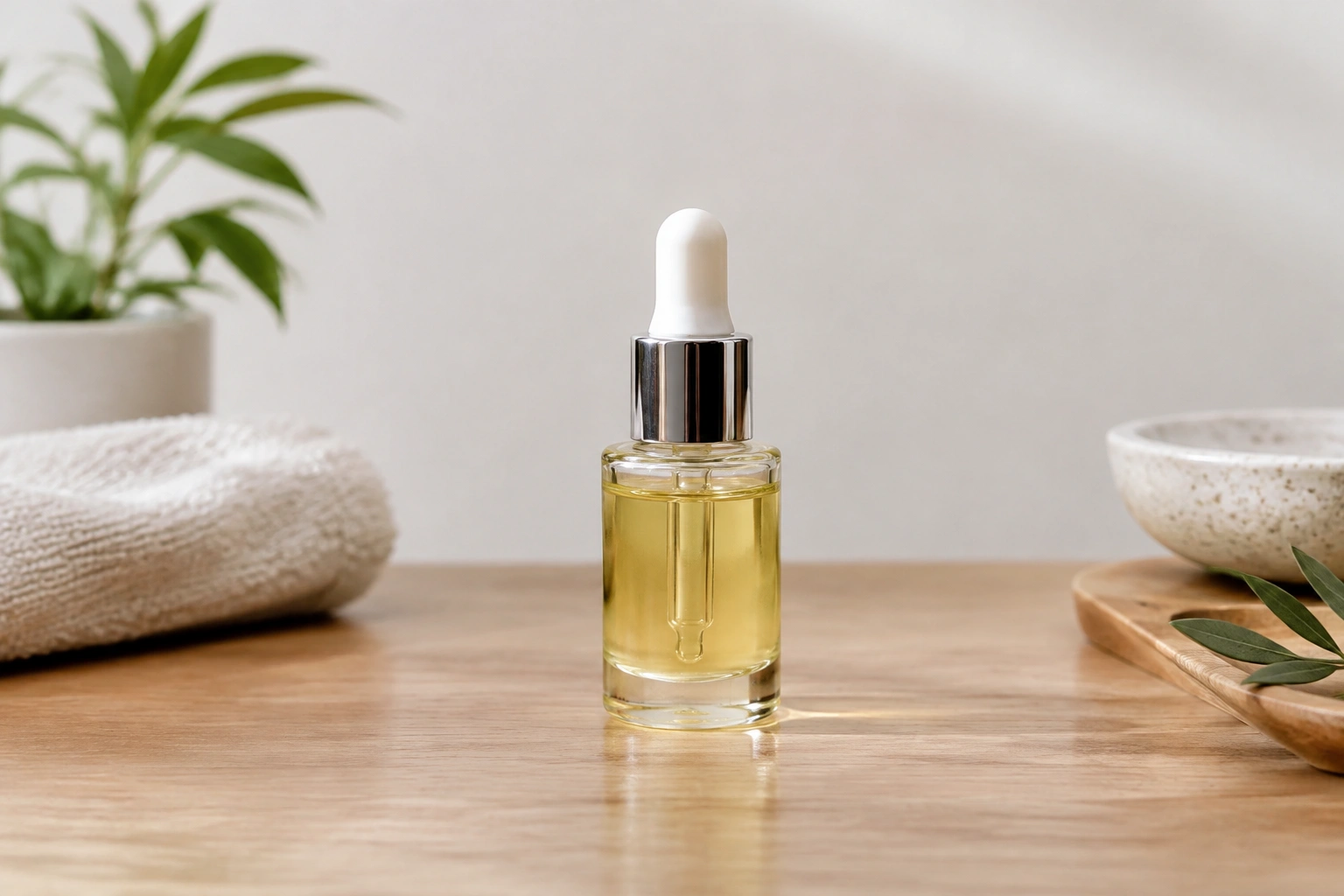
For readers who are trying to avoid waste, the goal is not to throw away every older bottle automatically. It’s to judge the product the same way a salon pro would: by smell, appearance, texture, storage history, and label clues.
Does Nail Oil Expire?
Yes, nail oil can expire, but in beauty products that usually shows up as degradation rather than a dramatic “goes bad overnight” event.
Most nail oils are blends of carrier oils, sometimes with essential oils or fragrance added. Over time, air exposure and heat can oxidize the oils. That can change the scent, make the formula feel different, and reduce how well it performs on dry nails and cuticles. As Hanyi Nails notes in its cuticle oil guide, cuticle oil has a shelf life and can lose potency with air exposure, so checking the expiration date and watching for changes in color, odor, or consistency is sensible. Source
A practical way to think about it:
- Expired means the product is past the period the manufacturer intended it to stay fresh.
- Ineffective means it may still be safe, but it no longer feels or performs like it should.
- Unsafe usually means contamination, rancidity, or obvious spoilage signs are present.
That last category is the one that should push you to discard the bottle.
How Long Nail Oil Usually Lasts
There is no single universal shelf life for every nail oil. Ingredient type, packaging, and storage conditions all matter.
A practical rule is that unopened bottles usually last longer than opened ones, because less air has entered the container. Once a bottle is opened, oxidation starts to matter more, especially if you use it often or leave the cap loose.
For a rough shelf-life guide, simpler carrier-oil blends often stay usable for about 6 to 12 months after opening, while formulas with fragrance or essential oils may be better used within about 6 to 12 months as well, sometimes sooner if they are stored poorly or the scent shifts early. Unopened bottles can often last longer than opened ones, but storage can shorten or extend freshness either way.
Here’s a simple comparison to help you judge an older bottle.
| Bottle condition | Typical freshness outlook | What to check |
|---|---|---|
| Unopened, stored well | Usually the best chance of staying fresh | Best-by date, batch code, odor once opened |
| Opened recently | Often still usable if stored properly | Scent, texture, clarity, cap seal |
| Opened for a long time | Higher chance of oxidation or contamination | Rancid smell, separation, residue, cloudiness |
| Stored in heat or sunlight | More likely to degrade early | Darkening, scent changes, thinner or thicker texture |
Ingredient type also matters:
- More stable blends often hold up better if they use well-formulated carrier oils and minimal fragrance.
- Natural oil blends can be more vulnerable to oxidation, especially if they include oils that go rancid more quickly.
- Products with added essential oils may smell “off” sooner, even when the base oil still looks acceptable.
If you’re comparing a large bottle to a small one, the smaller bottle is often the safer buy for someone who uses oil only occasionally. It may cost a little more per ounce, but it is less likely to sit around long enough to degrade before you finish it.
What Makes Nail Oil Go Bad
The main causes are straightforward: air, heat, light, and contamination.
Oxidation from air exposure
Every time you open the bottle, some air gets in. Over time, oxygen can react with the oils and change their structure. That’s why an opened bottle usually ages faster than an unopened one.
Heat and sunlight
A bottle kept near a sunny window or in a warm bathroom cabinet is more likely to break down early. Warm storage speeds oxidation, and temperature swings can also affect how the formula looks and feels.
Dirty applicators or repeated contact
If you dip dirty fingers into the bottle or use an applicator that has touched skin debris, you can introduce contamination. Even if the oil still smells normal, contamination is a good reason to throw it out.
Unstable blends
Some formulas are simply less stable than others. Natural oils can oxidize and become rancid over time, even in the refrigerator, according to the American College of Healthcare Sciences. Vegetable oils such as olive and sunflower need extra attention because warm storage can speed oxidation and rancidity. Source
That does not mean every natural oil blend is a problem. It means storage and bottle age matter more than many shoppers expect.
How to Tell If Nail Oil Has Gone Bad
You do not need lab equipment to make a good decision. A few practical checks usually tell you enough.
1) Smell it first
Fresh nail oil may smell neutral, lightly nutty, or lightly scented if fragrance or essential oils were added.
Warning signs include:
- sharp or sour odor
- crayons-like smell
- stale, greasy, or “painted” smell
- a scent that is noticeably different from when you first opened it
Smell is one of the clearest clues for rancidity. If the oil smells off, that is usually enough reason to discard it, though fragrance or essential oils can sometimes mask early rancidity.
2) Look at the color
Some darkening can happen naturally over time, especially with plant-based oils. But a big shift in color, especially if it happened after storage near light or heat, can signal degradation.
Watch for:
- unexpected darkening
- cloudiness that does not go away
- particles or floating debris
- a murky appearance in a product that was once clear
3) Check the texture
A good nail oil should still feel like oil. It may be slightly thicker or thinner depending on ingredients, but it should not feel sticky, gummy, or oddly watery.
If the texture has changed a lot, the formula may have broken down.
4) Notice separation
Some separation can happen in blended products and may not be a problem if the formula returns to normal after gentle shaking. That said, persistent separation can also point to formulation instability, especially if it keeps coming back or appears with other changes.
Persistent separation, especially with odor changes or cloudiness, is different. That combination suggests the bottle is past its best.
5) Think about the storage history
A bottle kept in a cool drawer is generally in a better position than one left in a hot bathroom near a shower. Storage history often explains why one old bottle is fine and another is not.
If you want a fast decision rule: if the smell is off, the appearance is unusual, or the bottle was stored badly, replace it.
Expired, Ineffective, or Unsafe: What’s the Difference?
This is where people often overcorrect.
Still safe, but less effective
A bottle may still look and smell fine, but not work as well as it once did. That usually means the oils have started to oxidize a little. The product may still be usable on nails and cuticles, but you might notice it feels less nourishing or the scent has faded.
Probably okay to keep using
If the bottle is unopened or lightly used, stored in a cool, dark place, and shows no sign of odor change, cloudiness, or contamination, it may still be fine even if it is older than you expected.
Discard immediately
Throw it away if you notice:
- rancid or sour odor
- visible contamination
- mold-like growth or unusual particles
- major color change plus off smell
- sticky residue that suggests breakdown
- any irritation after use
In other words, expired nail oil is usually a quality or effectiveness issue first. It becomes a safety issue mainly when rancidity, contamination, or skin irritation is present.
If a product causes stinging or redness, stop using it even if it is technically within date. That reaction matters more than the label.
How Packaging and Labels Can Help You Judge Freshness
Labels are not perfect, but they do give useful clues.
PAO symbols and best-by dates
Some cosmetics include a PAO symbol—the little open jar icon with a number such as 6M, 12M, or 24M. That tells you how many months the product is expected to stay good after opening. If there is no clear expiration date, use the PAO symbol as your main post-opening guide: count from the month you first opened the bottle, not from when you bought it.
A best-by or expiration date is also helpful, but it is not the only factor. A bottle stored in heat may go bad before the printed date, while a well-kept bottle may still be usable a little beyond it.
Batch codes
Batch codes can help manufacturers trace when a product was made. If you have an old bottle and the brand offers batch lookup or customer support, that can be useful for figuring out age. In practice, a batch code is most helpful when there is no expiration date printed: it can help you estimate whether the bottle is likely to be near the end of its shelf life, especially if the packaging also includes a PAO symbol.
Bottle type matters
Packaging affects freshness more than many people realize.
- Dark glass usually protects oils better from light.
- Clear glass looks nice but offers less UV protection.
- Plastic bottles vary in quality and may be less protective depending on the material.
- Dropper bottles are convenient, but repeated opening exposes the oil to more air.
- Pump bottles can reduce air contact if the seal is good.
If two formulas are similar, the one in a tighter, darker package usually has the edge for shelf life.
Best Ways to Store Nail Oil So It Lasts Longer
The goal is simple: slow oxidation and avoid contamination.
Keep the cap tightly closed
This sounds basic, but a loose cap can shorten a bottle’s life more than people expect. Close it firmly after every use.
Store it in a cool, dark place
A drawer, cabinet, or vanity away from sunlight is usually better than a bathroom shelf near heat and steam. Cooler, darker storage generally helps preserve freshness and scent.
Avoid damp bathrooms if possible
Bathrooms are convenient, but humidity and temperature swings are not ideal for oil-based products.
Use clean hands or tools
If the bottle has a brush, dropper, or applicator, keep it clean. If you pour oil into your palm, do not let the bottle opening touch skin or water.
Buy a size you will finish
Larger bottles can be a better value, but only if you use them regularly. If you apply nail oil occasionally, a smaller bottle may stay fresher from first use to empty bottle.
Nail Oil vs. Cuticle Oil: Does the Name Change the Answer?
Usually, no.
The label name does not change the basic shelf-life logic. If the product is oil-based, it can still oxidize, separate, or pick up contamination over time.
What matters more is the ingredient list and the packaging. A product sold as nail oil may behave just like cuticle oil, and a cuticle oil may be formulated for broader nail use. If you want a clearer breakdown of the naming difference, see our guide on whether nail oil and cuticle oil are the same.
If you already use oil as part of your nail routine, ingredient quality and storage matter more than the marketing term on the front of the bottle.
When to Throw Nail Oil Away
Use this simple decision rule:
If it smells rancid, looks contaminated, or has changed enough that you do not trust it, discard it.
That is especially true if:
- the bottle sat in heat or sunlight for a long time
- you do not know when it was opened
- the formula separated and never returned to normal
- the scent changed after storage
- the oil was used with dirty applicators or exposed to water
If you are still unsure, compare the product with a fresh bottle you know is good. If the old one smells harsher, looks cloudier, or feels different on the skin, it is usually not worth keeping.
What to Do With Old Nail Oil
If the bottle is clearly bad, the simplest option is to throw it away.
If it is old but still seems stable, you may be able to use it up quickly on nails and cuticles rather than letting it sit longer. That is often better than saving a bottle “for later” until it degrades further.
If you are deciding whether to repurpose it, keep the standard strict: only use it if it still smells normal, looks normal, and has not been contaminated. If any of those checks fail, do not try to stretch it.
For readers who are replacing an old bottle, this is also a good moment to choose a formula you are likely to finish within a reasonable period rather than buying more than you need.
When to See a Nail Technician or Dermatologist
If an old oil has caused persistent redness, stinging, or irritation, stop using it and get professional advice. That is less about the age of the bottle and more about your skin’s response.
You should also ask for guidance if you are unsure whether a product is contaminated and you have broken skin around the nails. In that case, it is better to be cautious and skip the bottle entirely.
FAQ
Can nail oil expire if it is unopened?
Yes. Unopened bottles usually last longer, but they are not immortal. Heat, light, and age can still affect the formula over time.
Does nail oil go bad faster after opening?
Usually, yes. Once a bottle is opened, more air enters the container, and repeated use increases the chance of oxidation or contamination.
Is separated nail oil always bad?
No. Some separation can be normal in blended products. If shaking restores the look and the scent is still normal, it may still be usable. If separation comes with an off smell or cloudiness, discard it.
Can I use nail oil if it smells a little different?
Maybe, but use caution. A slight scent shift can be an early sign of aging. A rancid, sour, or sharp smell is a stronger sign that it should be thrown out.
What is the safest way to store nail oil?
Keep it tightly closed in a cool, dark place and avoid heat, sunlight, and humid bathroom storage when possible.
Final Checklist: Keep, Use Soon, or Discard
- Keep if the bottle is unopened or lightly used, stored well, and still smells and looks normal.
- Use soon if it is older but still stable, especially if the PAO window is closing or it has been opened for a while.
- Discard if it smells rancid, looks contaminated, separates persistently, or causes irritation.
