
Can Castor Oil Cure Nail Fungus? What the Evidence Really Says

If you’re dealing with a discolored, thickened, or crumbly nail, it makes sense to look for a gentle home remedy before moving to prescription treatment. Castor oil is one of the options people ask about most often.
The short answer: castor oil is not a proven cure for nail fungus. There’s no strong clinical evidence showing that it can reliably clear onychomycosis, which is the medical term for fungal nail infection. It may help moisturize the nail and surrounding skin, and some people report improvement, but that is not the same as eradicating the fungus.
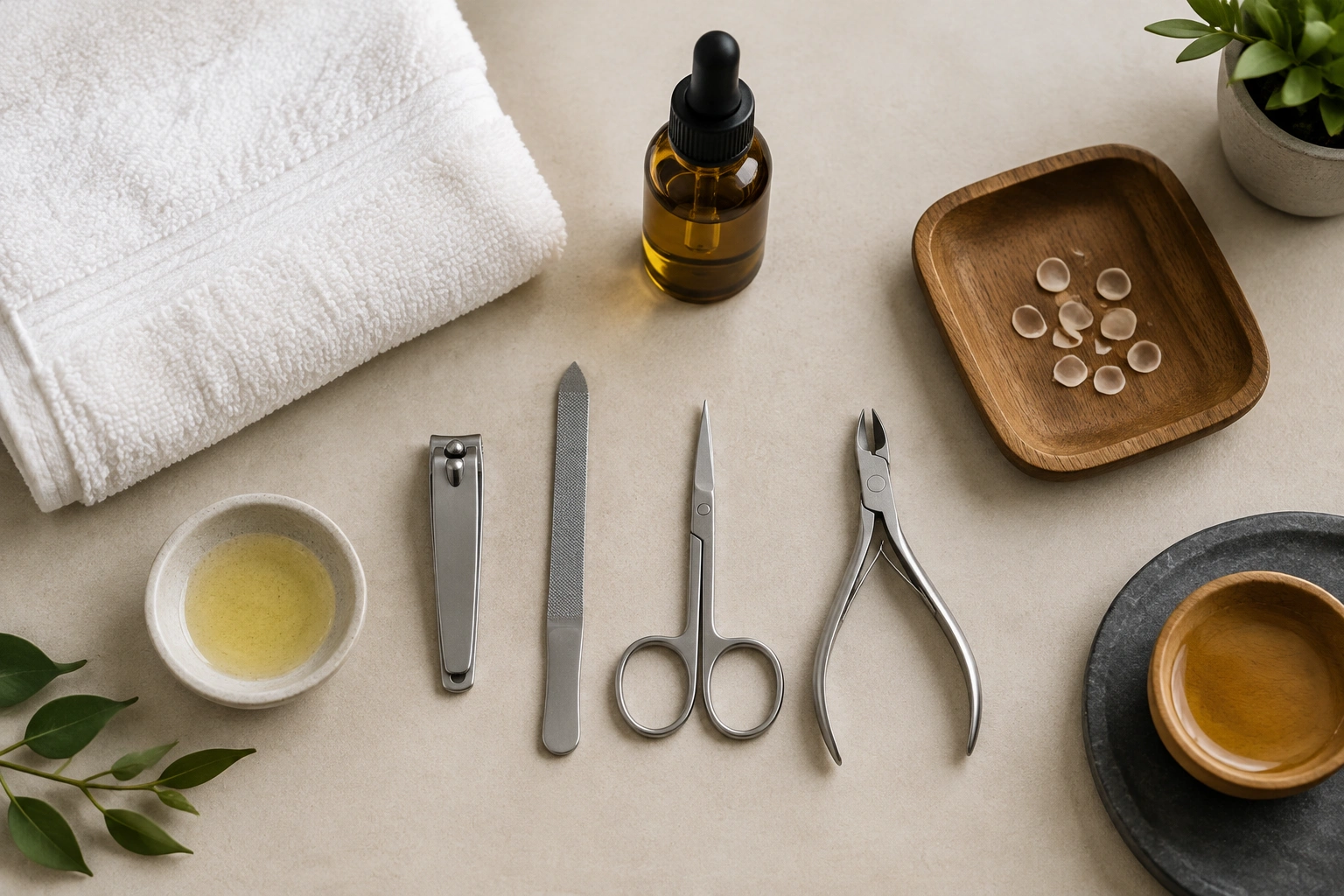
That distinction matters. A nail can look a little better because it’s less dry, less brittle, or easier to trim, while the infection underneath is still there. Improvement in appearance does not equal fungal eradication; the meaningful endpoint is healthy nail regrowth over time. If you want to try castor oil, it’s best thought of as a supportive home care step, not a replacement for antifungal treatment when the infection is established.
What Nail Fungus Is and Why It’s So Hard to Treat
Nail fungus, or onychomycosis, usually starts when fungi get into tiny cracks in the nail or the skin around it. Over time, the nail may turn yellow, white, brown, or greenish; thicken; become rough; or start crumbling at the edge.
The reason it’s stubborn is simple: the infection often lives under and within the nail plate, not just on the surface. That makes it harder for oils, creams, and other topical products to reach the fungus in meaningful amounts. Castor oil is unlikely to penetrate the nail plate well enough to reach the fungus under the nail, which is one reason home oils usually underperform.
Nails also grow slowly. Even if a treatment is helping, you may not see the full result for months because the damaged part has to grow out and be replaced by healthier nail. For a big toenail, that can take a long time.
That slow pace is one reason home remedies can be misleading. If you apply something for a few weeks and the nail looks slightly different, it may be due to moisture or grooming rather than true antifungal action.
What Castor Oil Is Supposed to Do for Infected Nails
Castor oil comes from castor beans and is known for its thick, sticky texture. In nail care, people usually use it for one of two reasons:
-
Moisturizing and softening
Castor oil can coat the nail and nearby skin, which may reduce dryness and make brittle nails feel less rough. -
Possible antifungal interest
Castor oil contains ricinoleic acid, and some sources suggest this fatty acid may have antifungal properties. That sounds promising on paper, but promising ingredients do not automatically translate into a working treatment for nail fungus.
Here’s the practical takeaway: castor oil may improve the appearance and feel of the nail, but that does not prove it kills the fungus itself.
If your goal is cosmetic support while you wait to see whether the nail grows out healthier, castor oil can be a reasonable low-risk experiment. If your goal is a reliable cure, it’s not the best-supported option.
Does Castor Oil Actually Kill Nail Fungus? What the Evidence Shows
This is where the answer becomes clear: there is no clinical proof that castor oil cures nail fungus. At best, any benefit is likely limited to moisturization, softening debris, or helping the nail look and feel a little better. That is not the same as eliminating the infection.
It’s also important to separate different kinds of evidence. A plant, leaf extract, or isolated compound may show antifungal activity in a lab, but that does not mean the castor oil you buy in a bottle will work the same way on an infected nail. Evidence from plant-extract studies should not be treated as proof that castor oil used directly on nails can cure onychomycosis.
There are also anecdotal reports from readers who say castor oil helped their nails clear. Those stories are worth noticing, but they are not proof. Nail fungus can sometimes improve slowly on its own, or the nail may simply look better because it is cleaner, softer, or less damaged.
A more useful comparison is undecylenic acid, a fatty acid derived from castor oil. Unlike castor oil itself, undecylenic acid has well-documented antifungal use in over-the-counter products. That does not make castor oil equivalent to an antifungal medication.
So if you’re asking, “Can castor oil cure nail fungus?” the honest answer is: not in any proven, dependable way.
If You Still Want to Try Castor Oil, Use It as Supportive Care
If your infection is mild and you want a natural option while monitoring the nail, castor oil can be used carefully as part of a broader routine. The goal is not to “flood” the nail with oil. The goal is to keep the nail clean, dry, and as manageable as possible.
A practical way to use it
- Wash the foot or hand and dry it very well, including around the nail edges.
- Trim the nail straight across if it is long enough to safely trim.
- Lightly file only the rough top surface if the nail is thick, using a clean file.
- Apply a small amount of castor oil to the nail and surrounding skin once or twice daily for a trial period of several weeks to a few months.
- Let it absorb before putting on socks or shoes.
A few common mistakes to avoid
- Applying oil to a damp nail
- Using too much, which just makes the area greasy
- Skipping nail trimming and filing
- Expecting visible change in a week or two
- Sharing clippers or files with other people
If you want to try it, consistency matters more than quantity. A thin, regular application is more practical than a heavy one. If there is no meaningful improvement after several months, it’s time to get medical evaluation rather than continuing to self-treat indefinitely.
Safety, Side Effects, and Hygiene Precautions
Castor oil is generally used externally, but “natural” does not automatically mean “risk-free.” Some people may get irritation, redness, or an itchy rash. If that happens, stop using it.
There’s also a practical issue: castor oil is greasy. On toenails, that can leave surfaces slippery, especially if you apply it before putting on socks or walking on a smooth floor. Keep that in mind if you plan to use it on the feet.
Hygiene matters just as much as the oil itself:
– Keep nails trimmed and dry
– Change socks daily
– Rotate shoes so they can dry fully
– Disinfect clippers and files
– Do not share nail tools, shoes, or socks
If athlete’s foot is present too, treat that as well. Skin fungus around the toes can keep reinfecting the nail.
When castor oil is not a good idea
Skip home treatment and get medical advice sooner if you have:
– Diabetes
– Poor circulation
– Numbness in the feet
– A weakened immune system
– Pain, swelling, drainage, or rapid spreading
Those situations raise the stakes. A nail infection can become harder to manage and more dangerous if foot sensation or blood flow is reduced.
Castor Oil vs. More Proven Nail Fungus Treatments
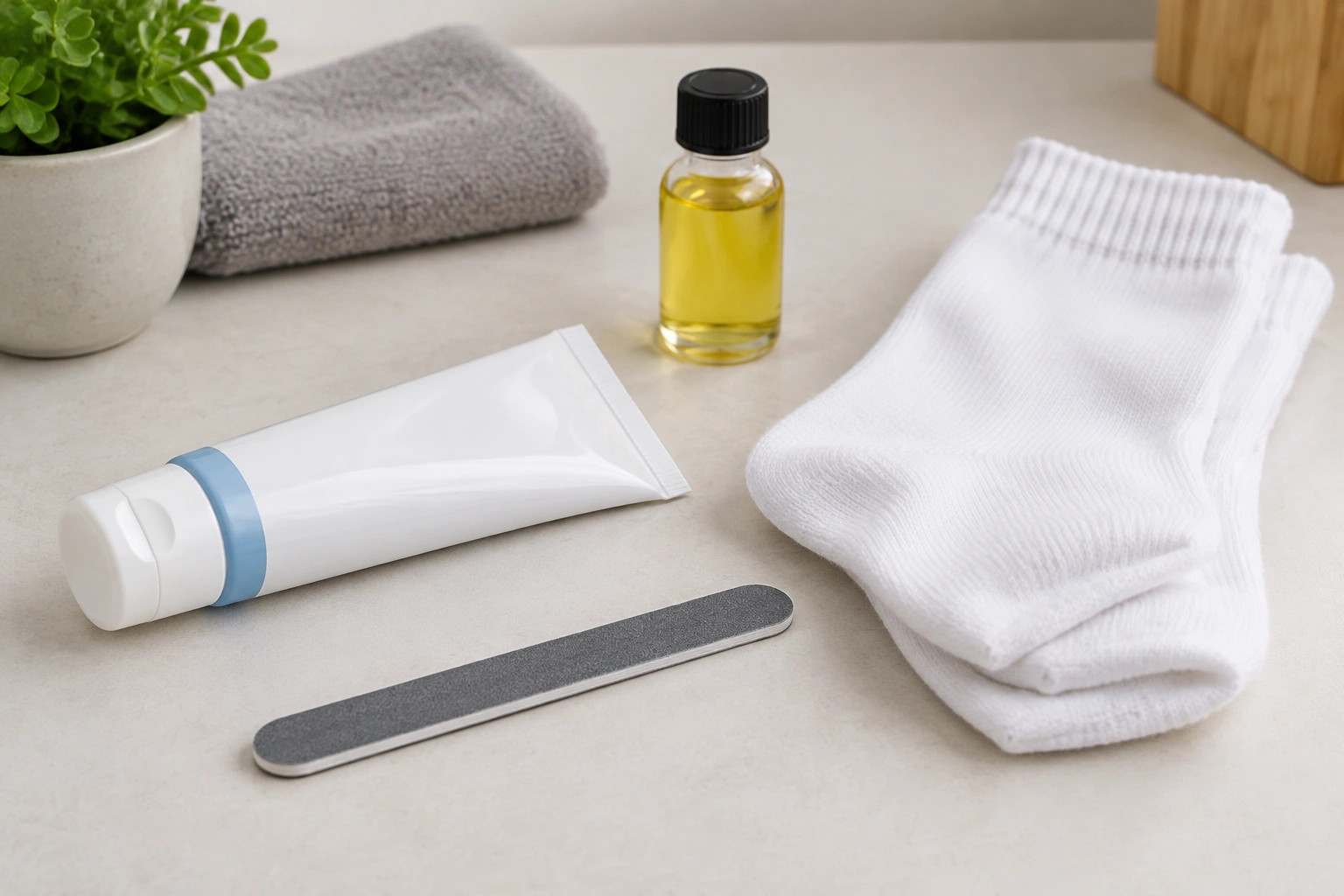
Here’s the practical comparison readers usually need.
| Option | How strong the evidence is | Speed | Best for | Main drawback |
|---|---|---|---|---|
| Castor oil | Weak for nail fungus | Slow/uncertain | Mild cosmetic support, very low-risk home trial | Not a proven cure |
| OTC antifungal products | Better than castor oil, but still limited for true nail fungus | Slow | Mild cases and early infections | May not penetrate thick nails well enough on their own |
| Prescription topical treatment | More evidence-based | Slow, but more targeted | Confirmed mild-to-moderate infections | Requires consistency and may still be incomplete |
| Oral antifungals such as terbinafine or itraconazole | Generally more effective for many cases | Often the most effective route | Thick, persistent, or widespread infections | Needs medical supervision and may have side effects |
If you want the most evidence-based home option, an OTC antifungal is usually a better first step than castor oil, though even OTC products often have limited effectiveness for true nail fungus and may not be sufficient alone. If the nail is thick, long-standing, or spreading, a podiatrist or dermatologist may recommend prescription treatment instead.
That doesn’t mean castor oil is useless. It just means it belongs in the “supportive care” category, not the “expected cure” category.
Should You Mix Castor Oil with Tea Tree Oil or Coconut Oil?
People often ask whether combining castor oil with other natural ingredients will make it work better.
Tea tree oil
Tea tree oil is commonly used in nail-fungus routines, but it can also irritate skin, especially if used undiluted. Adding it to castor oil may reduce the harshness somewhat, but it does not guarantee better antifungal results.
Coconut oil
Coconut oil is soothing and moisturizing, but it is not a proven cure for nail fungus either. Mixing it with castor oil may make the blend easier to spread, but that is mostly a texture benefit.
The main caution is this: once you combine several remedies, it becomes harder to tell what is helping and what is irritating the skin. If you want to test castor oil, use it alone first so you can judge whether it is doing anything useful.
When to See a Podiatrist or Dermatologist
Home care has limits. Castor oil is not the right approach if the nail is clearly infected and not improving.
Make an appointment if:
– The nail is thick, lifting, or painful
– The discoloration is spreading
– More than one nail is affected
– The nail is changing shape or causing walking discomfort
– You’ve tried home care for a while with no real progress
– You have diabetes, poor circulation, or immune suppression
A podiatrist or dermatologist is the right choice if you need diagnosis or treatment. That matters because not every abnormal nail is fungus. Psoriasis, trauma, and other conditions can look similar.
How to Reduce the Chance of Nail Fungus Coming Back
Even when treatment works, nail fungus can return. The best prevention habits are basic but effective:
- Keep feet clean and dry
- Dry carefully between the toes after bathing
- Change socks when they get damp
- Wear breathable shoes when possible
- Rotate shoes so they can air out
- Trim nails straight across
- Replace or disinfect nail tools regularly
- Treat athlete’s foot quickly if it appears
If you’ve had nail fungus before, prevention is not optional. It’s part of the treatment plan.
Bottom Line: Is Castor Oil Worth Trying?
If you’re asking whether castor oil is worth using before seeing a doctor, my answer is this:
- Yes, as a low-risk supportive step for mild cases
- No, if you are expecting it to cure established nail fungus
- No, if the nail is thick, painful, spreading, or high-risk
Castor oil may help the nail look and feel better, but the evidence does not support it as a reliable antifungal cure. If you want the best chance of clearing a true fungal nail infection, an evidence-based antifungal treatment is usually the smarter path.
For readers who want to explore related care, our guide to essential oils for nail fungus explains which natural options are commonly used and where the limits are. You may also find it helpful to understand how nail oil behaves on painted nails if you’re trying to fit treatment into a regular beauty routine.
Frequently Asked Questions
Can castor oil cure nail fungus completely?
There is no strong evidence that it can. Some people report improvement, but that is not the same as a proven cure.
Does castor oil kill the fungus or only help symptoms?
It may help the nail feel softer and look less dry. That does not prove it kills the fungus.
How long would it take to see results?
Nails grow slowly, so even effective treatment takes months to show. With castor oil, results are uncertain and hard to measure.
Is it safe to use on nails?
Usually yes for external use, but irritation can happen. Stop if you notice redness, itching, or burning.
Should I combine it with tea tree oil?
Only with caution. Mixing remedies can increase irritation and make it harder to tell what is helping.
When should I stop home treatment?
If the nail is thickening, spreading, painful, or not improving after several months, it’s time to see a podiatrist or dermatologist.

