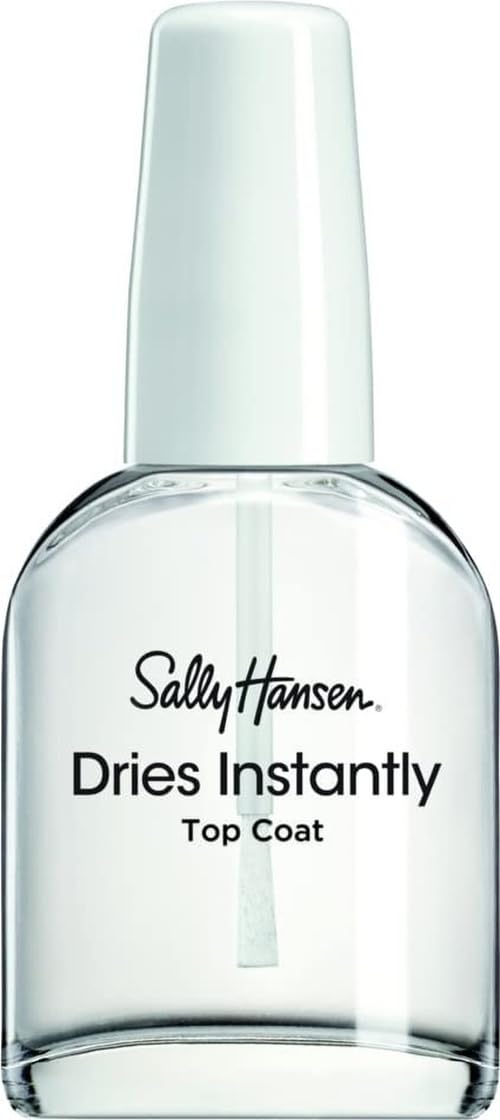
The Quickest Way to Dry Nail Polish at Home Without Smudging

If you want the quickest way to dry nail polish safely, the best answer is this: apply thin coats, then finish with a quick-dry top coat or quick-dry drops, and use cool air only if you need a little extra help. That combination gives you speed without the common problem of a manicure that feels dry on top but dents when you touch something.
Fastest safe method, in order:
1. Quick-dry top coat — usually the best all-around choice for regular polish
2. Quick-dry drops or spray — very convenient if you want minimal brushing
3. Cool air from a fan or hair dryer — helpful as a backup, not the main fix
4. Cold water — worth trying only after the polish has started to set, and not for every formula
The biggest rule is simple: dry-looking is not the same as fully hardened. Even when the surface feels set, the layers underneath can still move. That is why people smudge a nail while opening a bag, typing, or putting on shoes minutes after painting.
What You Need Before You Start
A faster manicure begins before the polish bottle opens. Gather what helps drying instead of fighting it:
- Fresh or recently used polish that still flows smoothly
- A base coat
- Your color polish
- A quick-dry top coat, quick-dry drops, or nail drying spray
- A fan or hair dryer with a cool setting, if you plan to use one
- Cold water in a bowl, if you want to try that method
- Cotton pads or lint-free wipes
- Nail polish remover for cleanup
- Good lighting so you can see thin coverage and missed spots
One small prep step matters more than most people expect: wash your hands before painting. Essie notes that removing oils from the nail surface can help polish adhere properly, and better adhesion usually means fewer issues as the polish sets. You can see that guidance in Essie’s drying tips.
If your polish is old and thick, it may spread less evenly and can dry more slowly and unevenly than a fresher bottle.
How Nail Polish Dries: Dry-to-Touch vs Fully Cured
This is the part that saves the most manicures. With regular nail polish, the surface goes through a few stages:
- Wet: the polish can still move, streak, or pull
- Dry to the touch: the top feels set, but pressure can still dent it
- Fully hardened: the polish has had time to settle enough for normal wear without easily marking
For regular polish, drying times are only general estimates. OPI says nail polish typically feels dry to the touch within 30 to 60 minutes, but may take up to 24 hours to fully harden. Formula, coat thickness, and humidity can all change that timeline. You can read that in OPI’s drying guidance.
That is why a manicure can seem fine until you press a button, carry a purse, or sleep on it. So when you are deciding whether to keep waiting or start using your hands normally, ask a better question than “Does it look dry?” Ask: Can this still dent if I press it? If the answer is yes, give it more time.
Step-by-Step: How to Dry Nail Polish Faster at Home
1) Apply polish in thin coats
Thin coats dry faster than one thick coat because solvent has less polish mass to move through. Thick layers stay soft longer and are more likely to wrinkle, bubble, or drag when you try to speed things up.
If your color looks patchy after one coat, use two or three thin coats instead of loading the brush.
2) Give each coat a short pause
You do not need to wait forever between coats, but you do need enough time for the layer to stop sliding around. If you pile on the next coat too quickly, the lower layer stays trapped and soft.
A practical rule: if the finish still looks very wet and glossy in a moving, liquid way, wait a little longer before the next coat.
3) Seal with a quick-dry top coat
This is usually the fastest safe upgrade for a regular manicure. A quick-dry top coat helps the surface set faster and adds shine at the same time. Cote Beauty notes that quick-dry topcoats are designed to help polish dry faster, which is exactly why they are so useful in a hurry.
If you want one product that gives the most convenience for the least effort, this is usually it.
4) Use quick-dry drops or spray if you prefer less shine or less brushing
Drops and sprays are helpful when you do not want another brush layer or when you already finished the manicure and need a speed boost. They are especially handy for people who tend to touch their nails too soon after top coating.
The trade-off is simple: they are convenient, but they are not magic. They can help the surface set faster, yet they still cannot fully harden thick polish instantly.
5) Use cool air if you need extra help
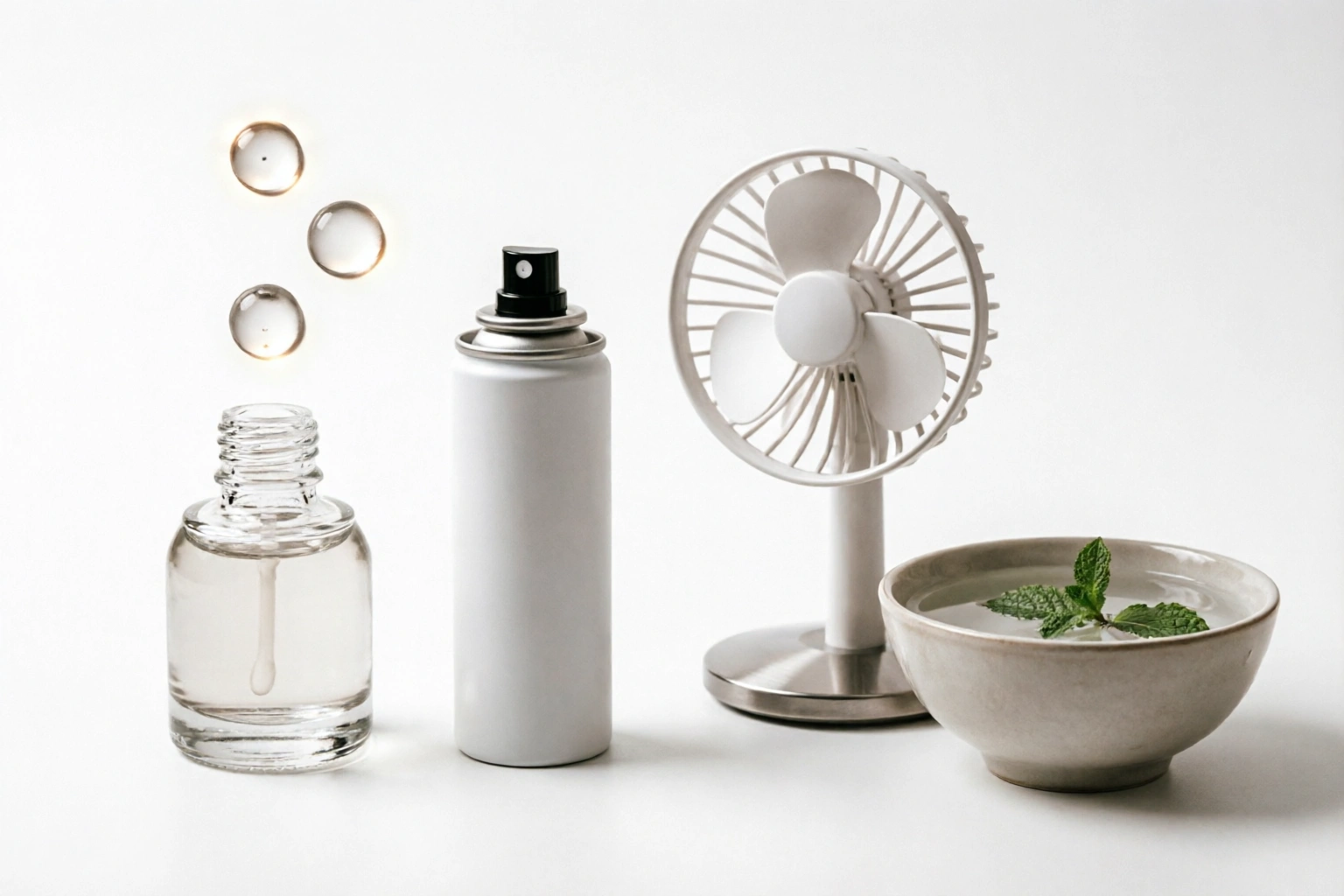
A cool setting on a hair dryer can help move drying along. OPI says to wait briefly after painting before using the dryer, so you do not blast liquid polish and cause smudges. Cote Beauty and Essie both recommend cool air rather than heat, and Cote warns that the air should not be too strong or too close, or it can disturb the surface.
For a safe version, hold the dryer a few inches away and keep it on low cool air. Think “gentle airflow,” not “blast.”
6) Try cold water only after the polish has started to set
Essie suggests running nails under cold water or placing them in icy water as a way to help nails dry faster. This can work as a surface-setting trick, but it is not a shortcut for fully hardening the manicure.
Use this method carefully. If the polish is still very soft, water can be risky and may not suit every formula. Treat it as a finishing aid, not a replacement for proper drying time.
Best Fast-Drying Methods Compared
| Method | Speed | Ease | Cost | Best for | Main trade-off |
|---|---|---|---|---|---|
| Quick-dry top coat | Fastest overall in real use | Easy | Low to moderate | Most at-home manicures | Adds one more layer, so application still needs care |
| Quick-dry drops | Very fast | Very easy | Moderate | People who want minimal brushing | Less shine control than a top coat |
| Nail drying spray | Very fast | Very easy | Moderate | Quick finish after painting | Needs good ventilation and careful use |
| Cool fan or cool hair dryer | Moderate | Easy | Low if you already own one | Emergency help when you are in a rush | Can smudge polish if airflow is too strong or too close |
| Cold water | Moderate | Easy | Very low | A simple household backup after polish has started to set | Best as a helper, not a full solution; can be risky if polish is too wet |
| Air drying only | Slowest | Easiest | Free | When you are not in a hurry | Highest risk of accidental dents if you move too soon |
If you are choosing only one method to buy, a quick-dry top coat is usually the most versatile and the best option for regular polish. If you want the least effort after painting, drops or spray may feel easier. If you want the lowest cost, cool air or cold water can help, but they are less reliable than a dedicated drying product.
How to Make Polish Dry Faster From the Start
The fastest drying manicure is usually the one that was applied with drying in mind.
Keep the coats thin
This is the single best prevention step. A thick coat may look opaque faster, but it dries slower and is more likely to trap softness underneath.
Use fresh polish when possible
Essie notes that older polish can be thicker and stickier. That matters because a thicker formula does not level as smoothly and can hold onto solvents longer.
Work in a comfortable room
Very humid rooms can make polish feel slower to set. If you can, paint your nails in a dry, cool room rather than in a steamy bathroom right after a shower.
Choose faster-drying formulas when speed matters
A formula built for speed will usually save more time than trying to force a slow formula to behave like a fast one.
For a deeper comparison of timing, see how long nail polish takes to dry completely and how long to wait between coats of nail polish.
Common Mistakes That Slow Drying or Ruin the Finish
The same habits that make a manicure look glossy can also make it vulnerable.
- Using thick coats: traps softness and increases dent risk
- Adding the next coat too soon: can pull the lower layer
- Using hot air: may worsen bubbling or uneven texture
- Holding the dryer too close: can disturb the surface
- Touching nails to “check” them: often causes the exact smudge you were trying to avoid
- Assuming the top is dry means the whole nail is dry: this is the most common mistake
One more caution: some quick hacks float around online, but not every shortcut is worth using. OPI says hairspray can speed things along for nail lacquer, but it recommends that technique only if you are okay with a matte look. That is a real trade-off, not a free win. If shine matters, a quick-dry top coat is usually the better choice.
If you want a broader overview of faster-drying methods, the article how to dry nail polish faster covers the practical basics in one place.
Troubleshooting: Why Your Polish Still Feels Sticky or Dents Easily
If your manicure still feels soft, the cause is usually one of four things:
The coat is too thick
This is the most common reason. Thick polish can feel dry on the top while the lower layer stays soft.
The polish is older or thicker than usual
As polish ages, it can become stickier and harder to spread evenly.
The room is too humid
Humidity slows the feeling of set polish, especially with multiple coats.
You moved too soon
Even if the polish was almost ready, friction can leave a dent. That includes socks, sheets, purse straps, phone cases, opening cans, and showering too soon.
If the surface is already marked, do not keep pressing it to “fix” the spot. That usually makes the dent worse. Instead, let it settle longer and touch up only if needed.
Drying Time by Polish Type
Regular nail polish
This is the most common at-home formula, but also the one that needs the most patience. It can look finished before it is truly ready for normal use.
Quick-dry nail polish
These formulas are made to set faster, so they are the best choice when speed is the priority. They still need careful application, though. A fast formula applied too thickly can still disappoint.
Gel polish
Gel behaves differently because it is designed to cure under a UV or LED lamp. If you are using gel, the drying strategy is not about air-drying tricks; it is about proper lamp curing and product compatibility.
If you are unsure which drying timeline applies to your manicure, compare your product label with how long nail polish takes to dry.
Practical Examples: Fast Drying for Real-Life Situations
You need to leave in 15 minutes
Use thin coats, finish with a quick-dry top coat, then sit still and avoid grabbing anything for a few minutes. If you have a cool hair dryer, use it lightly after the polish has had a moment to settle.
You already painted your nails and they still feel soft
Do not add more product. Use cool air or a quick-dry spray if you have one, then give the manicure more time. The goal is to avoid turning a nearly finished manicure into a smudged one.
You are choosing between a quick-dry top coat and a spray
Pick the top coat if you want shine and a more traditional manicure finish. Pick the spray or drops if you want less brushing and a faster-feeling finish. If your polish is very thick, neither option will fully compensate for the application.
You are painting in a humid bathroom
Move to a drier room if possible before applying polish. The environment matters more than people think, especially when you are trying to speed up setting time.
When to Ask a Nail Technician
If your polish consistently stays tacky, wrinkles, or dents even when you use thin coats and a quick-dry top coat, a nail technician can help you figure out whether the problem is the formula, the application, or the product layering. That is especially useful if you frequently switch between regular polish and gel systems and are not sure which drying method fits each one.
For readers who want to compare methods in more detail, how to make nail polish dry quickly and how to make nail polish dry faster are useful next reads.