
What Regular Nail Polish Is and How to Use It: A Beginner’s Guide

Regular nail polish is the simplest, most familiar kind of nail color. It is an air-drying polish that you brush onto the nail and let harden on its own, without a UV or LED lamp. If you are new to nail care, this is usually the easiest place to start because the steps are straightforward and the removal process is simple.
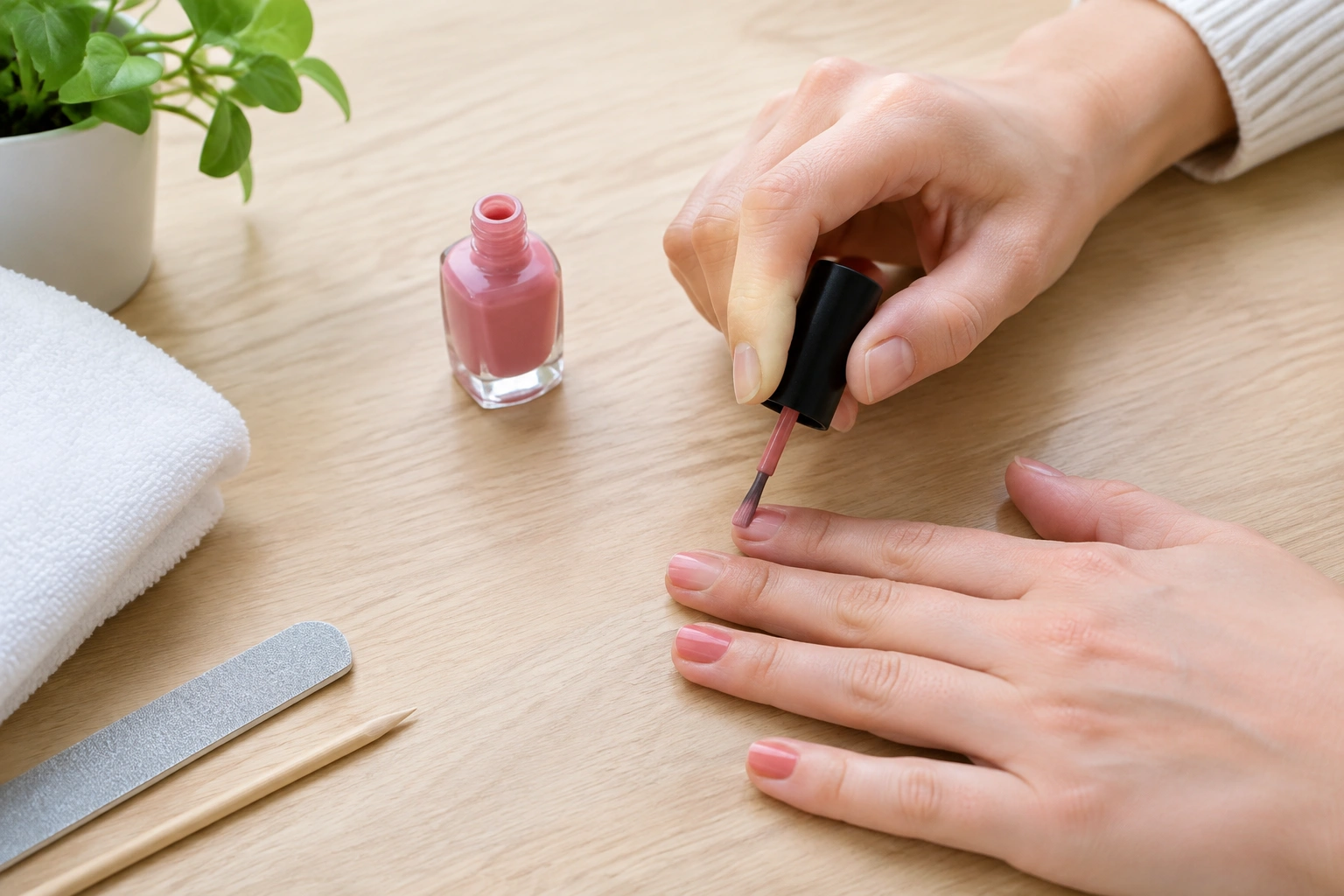
In this guide, I’ll walk you through what regular nail polish is, how it works, how it compares with gel and dip, and how to apply and remove it without making a mess. I’m Ella Hart, and my goal is to keep this practical and beginner-friendly.
What Regular Nail Polish Is
Regular nail polish is a liquid color coating made for natural nails. You apply it in thin layers, let it dry in the air, and finish with a top coat if you want more shine and protection.
You will also see it called nail lacquer. In everyday use, people usually mean the same thing: the classic polish you can buy in most drugstores and beauty stores, paint on at home, and remove with nail polish remover.
A simple way to think about it is this: regular polish is the most flexible and beginner-friendly manicure option. It gives you color without the extra tools or steps that come with gel or dip systems.
How Regular Nail Polish Works
Regular polish dries as the solvents in the formula evaporate. As that happens, the color and film-forming ingredients stay behind and harden on the nail surface.
That is why regular polish does not need a lamp. It is designed to air-dry.
One thing beginners often miss is the difference between dry to the touch and fully set. A polish can feel dry on top fairly quickly but still be soft underneath. If you press, bump, or layer too soon, you can end up with dents, smudges, or wrinkles.
What’s in Regular Nail Polish
You do not need to memorize the ingredient list, but it helps to know the basic structure of polish.
Most regular polishes contain:
– Solvents, which keep the formula liquid in the bottle and help it spread
– Film formers, which create the hardened color layer on the nail
– Pigments, which give the polish its color
– Resins or plasticizers, which help the finish look smooth and wear better
That blend is what lets polish glide on easily, then dry into a colored coating.
Different formulas can feel a little different. Some are thinner and easier for beginners to control. Others are thicker, which may give fuller color but can be harder to apply neatly.
Regular Nail Polish vs. Gel, Dip, and Press-Ons
If you are deciding what to buy, the biggest question is usually how much time, durability, and removal effort you want.
Here is a simple comparison:
| Type | How it applies | How it dries | Removal | Main beginner trade-off |
|---|---|---|---|---|
| Regular nail polish | Brushed on in thin coats | Air-dries | Remover and cotton | Easiest to use and remove, but less durable |
| Gel polish | Brushed on like polish | Needs a lamp | Usually more involved | Longer wear, but more steps |
| Dip powder | Built up with powder and activator | Sets as part of the system | More involved | Durable, but less simple at home |
| Press-on nails | Stuck onto the nail | Ready immediately | Removed as a set | Fastest instant look, but not painted polish |
Plain-language takeaway: if you want the easiest option to do at home, regular nail polish is usually the best starting point. If you want the longest wear, gel or dip is usually better. If you want the fastest removal, regular polish wins. If you want the lowest-maintenance home option, press-ons can be the simplest because they are ready right away, though they are not the same as painting your nails.
Regular polish is also the simplest system in beginner terms because it does not need a UV or LED lamp or a curing step. Gel polish does. Dip systems also rely on a multi-step set-up rather than simple air-drying.
For a deeper comparison of polish terms, see our guide to nail polish vs. nail lacquer. If you are wondering about curing, our articles on whether a UV lamp can dry regular nail polish and how UV light interacts with regular polish can help clear that up.
How Long Regular Nail Polish Lasts
Regular polish usually lasts less time than gel or dip. That is normal. It is not a sign that you applied it wrong.
For most everyday users, regular nail polish often lasts a few days to about a week before noticeable chips or wear show up. Some manicures hold up a bit longer, but that range is a realistic expectation for many people.
Wear time depends on several things:
– How clean and dry the nails were before painting
– Whether you used a base coat and top coat
– How thick the layers were
– How much your hands are in water, soap, or friction
– Whether you use your nails as tools
If your polish chips faster than you hoped, the issue is often prep or thickness, not the polish itself.
Fast-dry top coats or quick-dry drops can also help beginners because they can reduce waiting time between steps and make the manicure feel more manageable, even though they do not make polish instantly hard.
For more on drying and wear, our guides on how long regular nail polish takes to dry and how long it takes to fully dry break this down in more detail.
How to Apply Regular Nail Polish Without Streaks or Bubbles
A neat manicure usually comes from patience, not fancy tools.
1) Clean and prep the nails
Wash your hands, then make sure the nails are fully dry. Remove old polish and lightly shape the free edge if needed. If there is oil or lotion on the nail plate, polish may slide around instead of sticking well.
2) Use thin coats
Wipe most of the polish off the brush before painting. Then apply one thin layer, not a thick one. Thin coats dry better and look smoother.
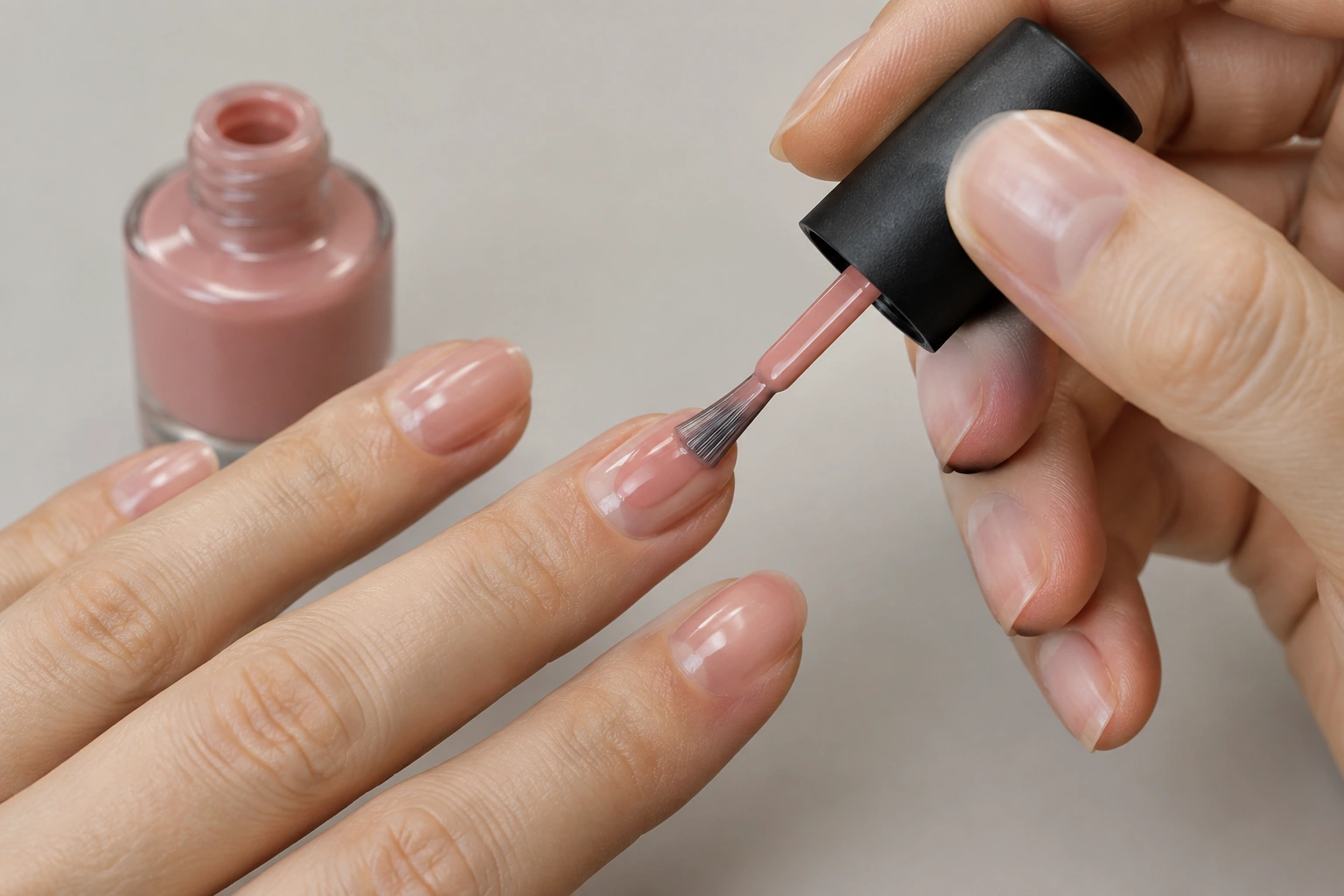
3) Leave a little space at the edges
Try not to flood the cuticle area. A tiny gap near the skin helps the manicure look cleaner and reduces lifting.
4) Let each layer settle
Give the first coat a chance to dry before adding the second. If the polish still feels soft, the next coat can drag it around and create streaks.
5) Finish with a top coat
A top coat helps seal the color and can improve shine. It also gives the manicure a more finished look.
6) Avoid shaking the bottle hard
If you need to mix the polish, roll the bottle gently between your hands. Aggressive shaking can create bubbles, and those bubbles can show up on the nail.
A good beginner rule is this: if the polish looks thick on the brush, it is probably too thick on the nail too.
Do You Need a Base Coat and Top Coat?
For most beginners, yes, both are worth using.
Base coat
A base coat goes on first. It helps the polish grip the nail better and can reduce staining from darker shades.
If you wear reds, blues, or other deep colors often, a base coat is especially useful.
Top coat
A top coat goes on after color. It adds a protective layer over the manicure and can improve shine or change the finish.
If you want the simplest answer: base coat helps the polish start well, and top coat helps it finish well.
If you skip one, skip neither lightly. A base coat is more about adhesion and nail protection, while a top coat is more about sealing and appearance.
How to Remove Regular Nail Polish Safely
Regular polish is easy to remove, which is one of its biggest advantages.
The basic method is:
1. Soak a cotton pad or cotton ball with remover
2. Hold it on the nail for about 10 to 20 seconds
3. Wipe gently from cuticle to tip
4. Repeat with a fresh pass if any color is still left behind
5. Wash and moisturize afterward
If the polish is thick, glittery, or heavily layered, it may need a second soak-and-wipe pass. Do not scrape hard or peel the polish off. That can rough up the nail surface.
Acetone vs. non-acetone remover
Acetone remover usually works faster and is better for stubborn polish. Non-acetone remover is generally slower but may feel gentler on dry or sensitive nails.
Here is the simple decision rule:
– Choose acetone if you want quicker removal and do not mind more dryness
– Choose non-acetone if you prefer a gentler feel and can be patient
Either way, finish with hand cream or cuticle oil if your skin feels dry afterward.
Is Regular Nail Polish Bad for Your Nails?
Regular polish is not automatically bad for nails. The bigger risks usually come from rough removal, over-buffing, or constant dryness from repeated remover use.
A few habits help keep nails in better shape:
– Do not peel polish off
– Do not scrape aggressively
– Give nails a break if they feel dry
– Use cuticle oil or hand cream after removal
If a product stings, burns, or causes redness, stop using it and rinse the area. If you notice ongoing irritation or nail changes, it is a good idea to ask a professional for guidance.
For general cosmetic safety guidance, the FDA’s cosmetics information is a useful place to start, and the CDC’s hand hygiene guidance is helpful if you are also thinking about keeping hands and nails clean during routine care.
How to Choose the Right Regular Nail Polish
When you are buying your first polish, color is only part of the decision.
Pick the finish that fits your routine
- Cream: smooth, classic, and easy to understand for beginners
- Shimmer: forgiving if you want a little sparkle and less obvious minor brush marks
- Matte: a softer look, but chips or wear can be easier to notice
Pick a formula you can apply easily
If you are new, look for a polish that is not too thick or stringy in the bottle. A smoother formula is usually easier to control, especially when you are learning how much polish to load onto the brush.
A brush that fans out evenly and has a rounded or slightly wide shape can also help reduce streaking because it spreads the color more evenly across the nail.
Pick based on use, not just price
Drugstore and salon-grade polishes can both work well. The better choice is the one that gives you a finish and brush feel you actually like.
Pick the remover that matches your needs
If you repaint often, acetone may save time. If your nails and skin get dry easily, non-acetone can be the more comfortable option.
Quick Beginner Tips for Better Results
A few small habits make a big difference:
– Keep coats thin
– Let each layer dry before the next one
– Use base coat and top coat when you can
– Paint on clean, dry nails
– Remove polish gently instead of peeling it off
– Moisturize after removal
If your first manicure is not perfect, that is normal. Regular nail polish is one of the best ways to practice because it is forgiving, affordable, and easy to change.
When to See a Nail Technician or Dermatologist
See a nail technician if you want help with shaping, product choice, or improving your at-home application.
See a dermatologist if you have persistent pain, swelling, discoloration, or a reaction that does not settle after you stop using the product. Nail polish should be a cosmetic choice, not something you push through if it irritates your skin or nails.
FAQ: Regular Nail Polish Basics
Do you need a UV lamp for regular nail polish?
No. Regular nail polish is made to air-dry.
How long does regular nail polish usually last?
It varies with prep, application, and daily wear. For many people, it lasts a few days to about a week before chips become noticeable.
Can you put regular polish over gel?
That is a different topic, and it is not the standard way to wear either product. If you want a simple manicure, it is usually better to choose one system and use it properly.
Is acetone always necessary?
No. Non-acetone remover can remove regular polish too, just more slowly.
What is the easiest finish for a beginner?
A cream finish is usually the easiest place to start because it gives a clean, classic look without extra texture.
Should I choose salon-grade or drugstore polish?
Choose the formula and brush feel you like first. Price alone does not guarantee better results.
What is the biggest beginner mistake?
Usually it is applying polish too thickly or not waiting long enough between coats.
Should I use cuticle oil?
Yes, especially after removal. It helps restore comfort if your nails or skin feel dry.

