
Best Material for Nail Files: A Clear Guide to Durability and Performance

Nail files are small tools you use every day to shape, smooth, and maintain nails. They come in many forms — emery boards, glass files, metal files, and buffers — each made from different materials that affect how they file, how gentle they are, and how long they last. We look at how each material performs on natural and artificial nails, how often you’ll need to replace it, and how easy it is to clean.
Choosing the right material matters more than the shape or grit. The best material balances effective shaping with low damage and long life — for most people that means picking a file that matches their nail type (natural versus acrylic) and the level of coarseness you need. We tested popular file materials to find options that do their job well, last, and stay safe for regular use.
Best Materials for Nail Files
Below is our full list of the best nail file materials. We explain why each material works well and what types of nails they suit so you can pick the right file for your needs.
3 Swords Sapphire Nail File Set

We recommend this set when you want a long-lasting, precise metal file that handles both shaping and smoothing.
Pros
- Very durable — still sharp after months of regular use.
- Dual-sided grit lets us shape and finish with one tool.
- Comfortable black grip makes handling easy.
Cons
- Metal feel may bother those who prefer soft emery boards.
- Slight learning curve to avoid over-filing thin nails.
- Buffer included is basic compared with separate specialty buffers.
We used these files for weekly nail care and noticed they cut through tough edges fast. The coarse side shapes well and the fine side leaves a smooth edge without roughness.
The grip sits comfortably in our hand, and the slim metal body fits neatly in a travel pouch. It felt sturdy, and the sapphire coating stayed effective after many uses.
We tried the buffer on a few nails; it gives a quick shine but won’t replace a multi-step buffing routine. Overall, this kit saved time and lasted longer than disposable files we’ve tried.
Treamlyn 10-Pack Nail Files

We recommend this set if you want a cheap, sturdy emery board pack that shapes acrylic and natural nails quickly.
Pros
- Fast material removal on the 100 grit side
- Double-sided (100/180) covers rough shaping and smoothing
- Ten pieces give good value and backups
Cons
- Grit wears down after heavy use
- Not water-safe for cleaning, so hygiene care is limited
- Edges can feel a bit rough on delicate nails
We used these files on both acrylic tips and natural nails and liked how quickly the 100 grit took bulk down. The board stayed stiff and did not bend while filing, so shaping felt controlled.
Smoothing with the 180 grit made edges neat enough for polish or a quick manicure. The texture for the 180 side felt right for finishing, though it did lose some bite after many uses.
Ten files in the pack meant we could keep fresh ones for clients or switch between projects without worry. Keep them dry and brush off dust after use since they don’t hold up well to water cleaning.
If you need a low-cost, high-grit emery board set for heavy shaping and basic finishing, this one performs well for home and salon touch-ups.
Cliganic Nail File 12-Pack
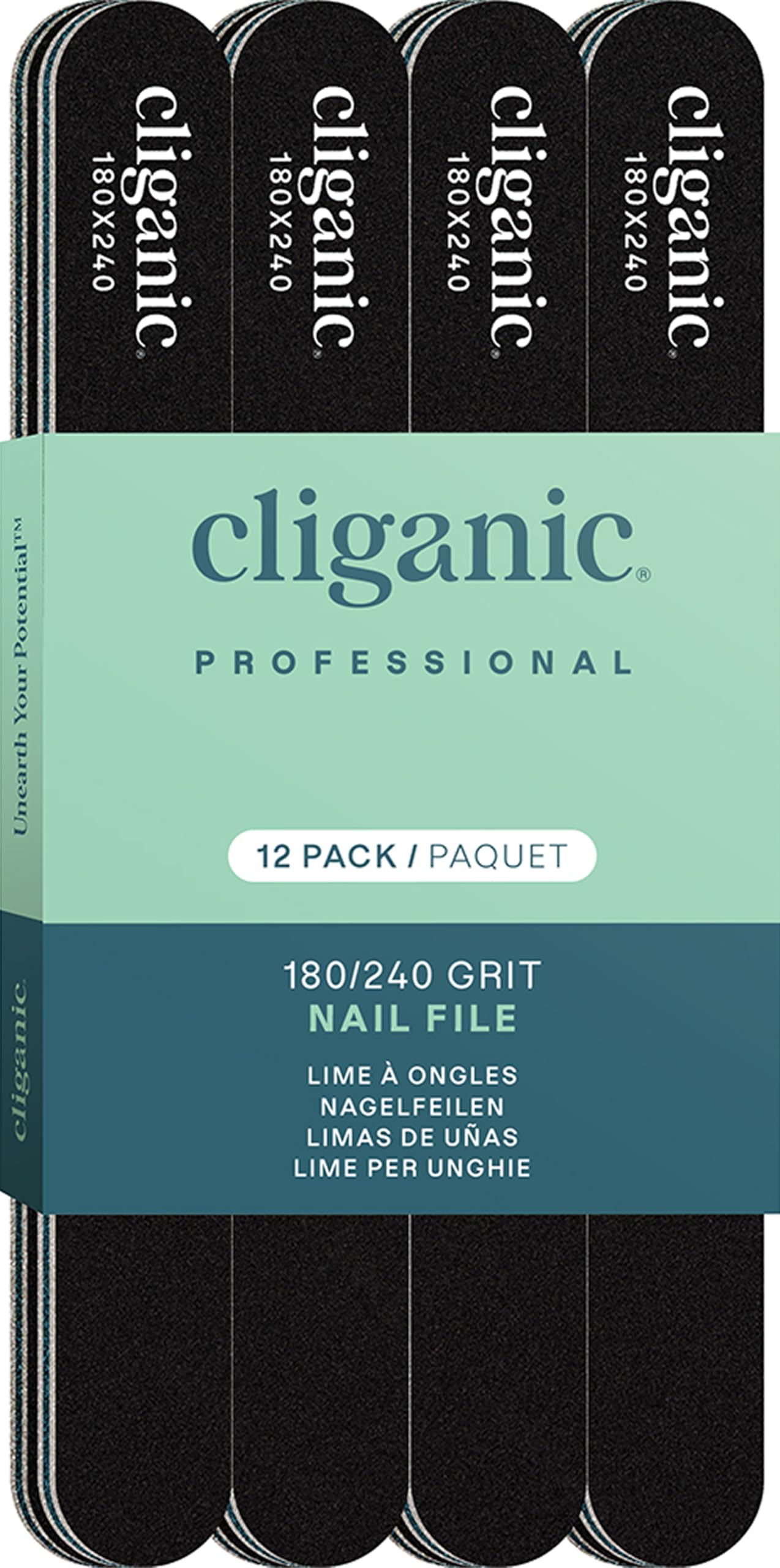
We recommend this set if you want sturdy, low-cost emery boards that handle natural and acrylic nails well.
Pros
- Durable grit that lasts longer than store-brand emery boards
- Double-sided 180/240 gives shaping and finishing in one tool
- Washable surface makes cleanup simple
Cons
- 180 grit can feel too rough on very soft natural nails
- Thin emery boards can bend under heavy pressure
- Limited color and style options
We used these on both my and my partner’s nails over a few weeks. The 180 side removes length fast and the 240 side smooths the edge nicely. It felt like using one tool for two steps, which saved time during a quick at-home mani.
I noticed the boards hold grit well even after several uses. They stayed consistent while filing acrylic tips and thicker gels. For fine natural nails, we had to go slow and finish with a gentler buffer to avoid roughness.
Cleaning was easy — a quick soap rinse removed dust and they dried fast. The thin profile makes them handy for travel, though I found they flex if you press too hard. Overall, they work best for most home users and hobbyists who need a reliable, affordable pack.
Teenitor Nail File Set

We recommend this set if you want a full, low-cost toolkit for shaping, smoothing, and shining nails at home.
Pros
- Wide range of grits for each step
- Washable and feels sturdy in hand
- Good value for the number of pieces
Cons
- Some coarser grits felt too rough for our natural nails
- Foam-backed files wear down after heavy use
- Not as premium-feeling as salon metal or glass files
We used the Teenitor kit through a few home manicures and a pedicure. The different grits made it easy to move from shaping to smoothing to shining without hunting for extra tools. The rhombus shape gave a comfortable grip while filing.
The 150/180/240 files handled acrylic tips and thick gels well, though we avoided the roughest side on our natural nails. Buffers did a quick job of removing ridges and left a smooth surface before polishing.
The 1000/4000 shine block produced a noticeable glossy finish that lasted several days on our nails. Cleanup was simple — we rinsed them with soap and they dried quickly. For the price, this set covers all the basics and works well for regular at-home care.
Lippmann Eco File Nail Set Pack of 5

We recommend this if you want a simple, eco-friendly emery board that shapes natural nails without harsh rubbing.
Pros
- Gentle 240 grit that smooths without tearing.
- Made from recycled paper — feels lighter and eco-friendly.
- Long-lasting edge compared to cheap boards.
Cons
- Not ideal for heavy-duty shaping or very thick nails.
- Single grit may be too fine for some pedicure needs.
- Paper body can wear faster if soaked or used wet.
We used these files on our natural nails and liked how they left the edges smooth. The fine grit sealed frayed tips instead of shredding them, which helped reduce splits after a few uses.
Holding the board feels familiar and lightweight. Filing in one direction, as the instructions say, gave clean results and less roughness than coarse emery boards.
They’re best for regular upkeep and gentle shaping. For thick gel or artificial nails we reached for a stiffer file, but for everyday natural nails these felt reliable and kind to the nail plate.
HeeYaa Nail Files – 10 Pack
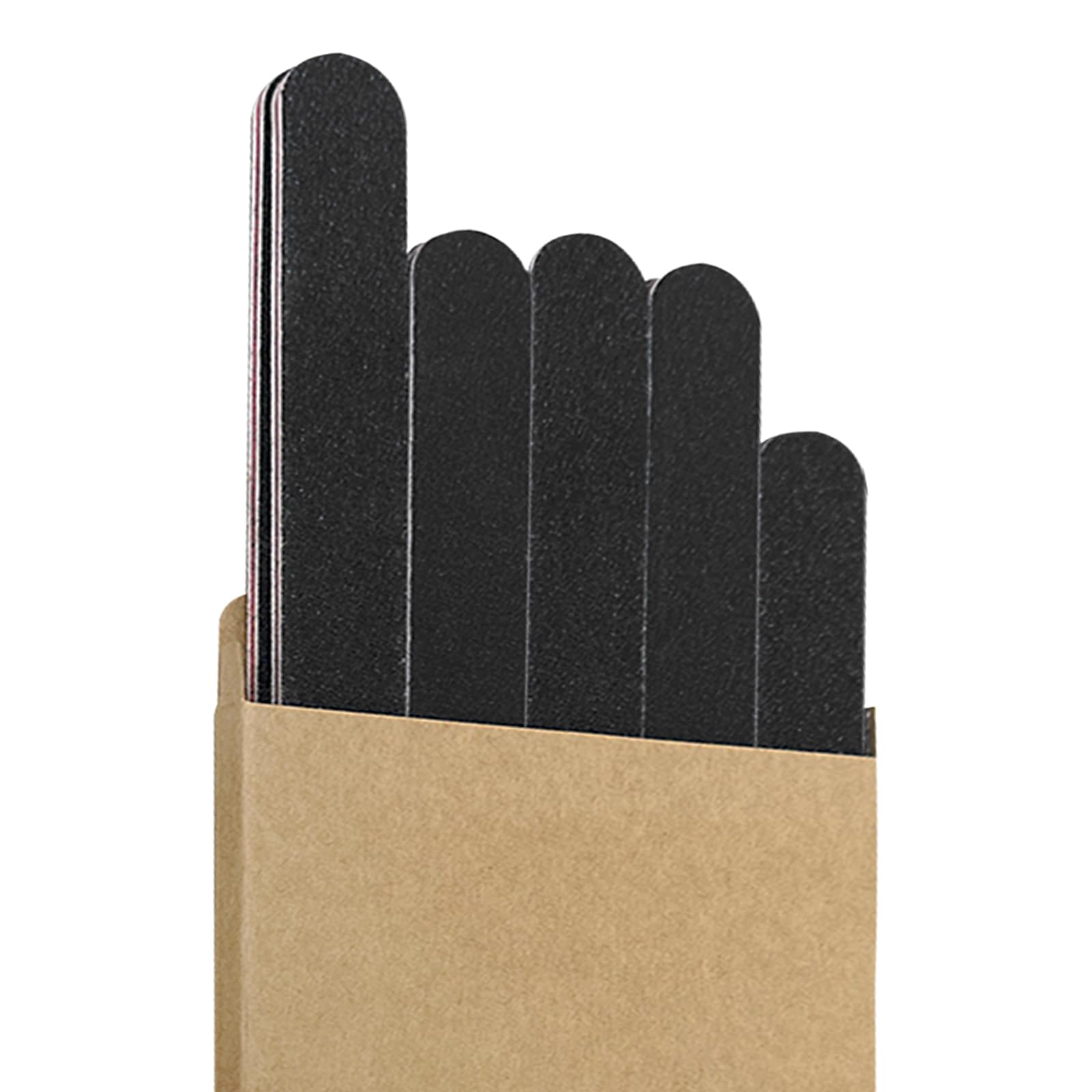
We recommend this set when you want a tough, reusable emery board that works well at home and in salons.
Pros
- Durable PP core that resists bending and breaking
- Two grits (100/180) in one file for shaping and smoothing
- Comes in neat kraft box and offers good value with 10 files
Cons
- Files are larger than purse-friendly sizes
- Coarser 100 grit can feel aggressive on thin nails
- One or two pieces in a pack may vary in finish quality
We used these files on both fingernails and toenails. The red PP core really gives the board a firm feel. Filing felt controlled and steady, not floppy like thin emery strips.
The dual grit saved time. We shaped with the 100 grit, then refined edges with 180 without switching tools. The grit stayed consistent after several uses and cleaned up easily.
Portability is the one catch. These are full-length boards that live better in a drawer than a small purse. Still, for home use or salon work they feel sturdy and cost-effective.
Bona Fide Glass Nail File (Pastel Green Violet)
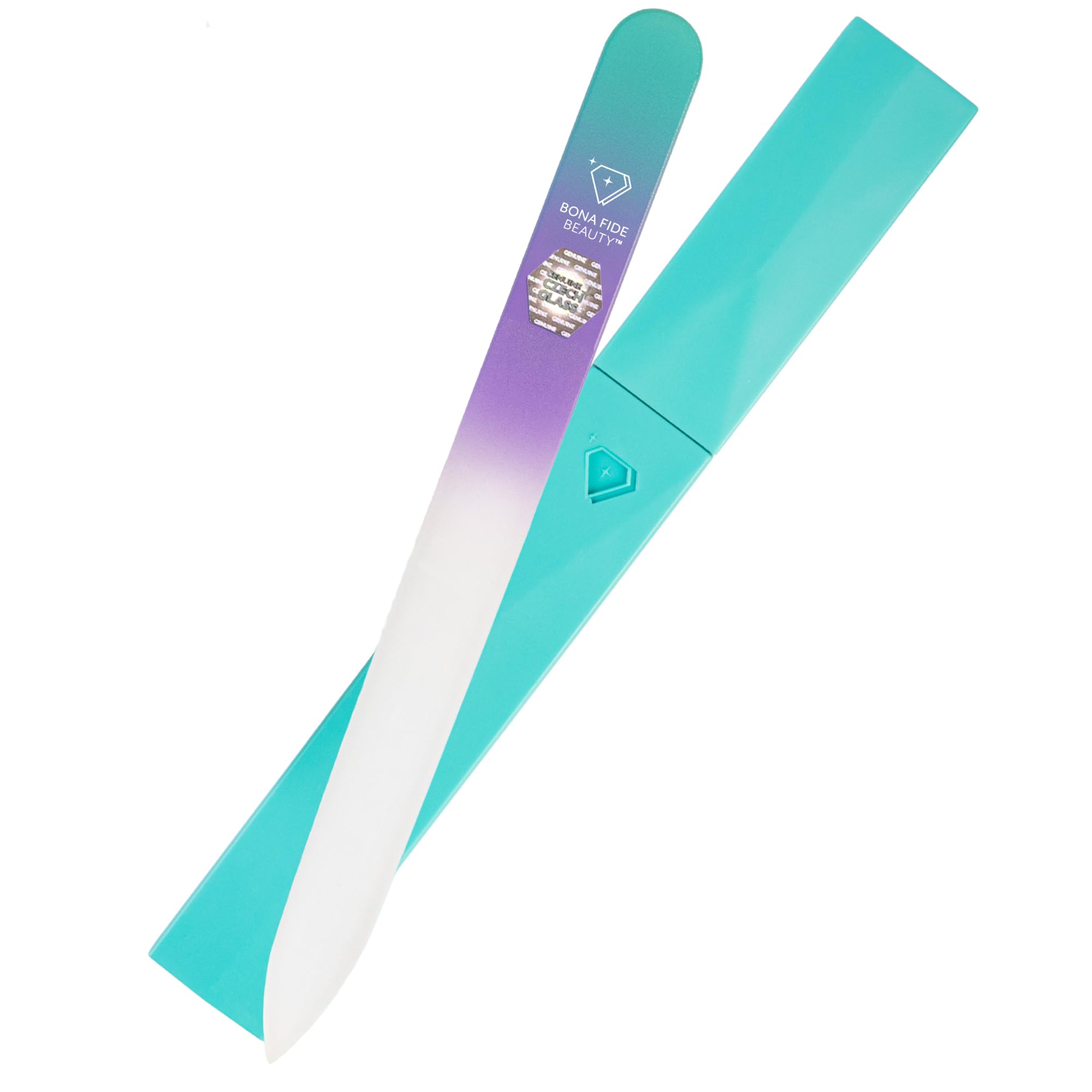
We recommend this glass file if you want a gentle, long-lasting tool that smooths natural nails without tearing them.
Pros
- Smooths edges cleanly and seals nail tips.
- Reusable and easy to clean.
- Comes with a protective hard case for travel.
Cons
- Can break if dropped on hard surfaces.
- Feels fragile compared with emery boards.
- Takes care when storing to avoid chips.
We used this file for several weeks and liked how quietly it worked. It shaped my nails with light pressure and left a smooth edge without the ragged bits emery boards gave us. Filing in both directions felt natural and saved time.
The pastel colors look nice on a vanity, and the hard case actually protects the glass in a bag. We noticed the grit stayed effective after months of use and cleaning; it did not feel like it wore down quickly.
Handle it like a delicate glass item—don’t drop it. When treated gently, this file lasts a long time and keeps nails healthier than rough sandpaper-style files.
Soft Touch Nail File — 280/320 Grit, 5-Pack

We recommend this file if you want a gentle, durable tool for natural nails that cleans up edges without over-filing.
Pros
- Gentle on soft or brittle nails.
- Dual grits let us shape and smooth with one tool.
- Washable and holds up over several uses.
Cons
- Wears out after a handful of home manicures.
- Plastic core feels a bit flexible for heavy shaping.
- Single color option only.
We used these files on our own nails and liked how soft they felt while still removing ridges. The 280 side shapes edges and the 320 side smooths them down without thinning the nail too much.
The file felt thin and flexible in hand, which helped when rounding tips but made aggressive shaping slower. It cleaned easily after use and survived a few disinfecting wipes without flaking.
For travel this set is handy and light. We replaced them more often than disposable emery boards, but they worked better on fragile nails and saved us from accidental snags.
AhaTopia Nail File & Buffer Set

We recommend this set if you want a simple, affordable kit that handles shaping and shine for both natural and artificial nails.
Pros
- Good value with many files and two 4-way buffers.
- Files feel sturdy and wash well; grit handles thick and thin nails.
- Buffers give a quick glossy finish without polish.
Cons
- Buffer could be slightly rougher for deeper ridges.
- Some users may prefer firmer emery boards.
- Not a replacement for professional salon tools for heavy acrylic work.
We used this kit for several at-home manicures and found it very handy. The emery boards shape nails fast and the 100/180 grit combo works on both acrylic tips and natural edges. They held up to a few uses and rinsed clean after filing.
The four-way buffers surprised us by giving a real shine on bare nails. One quick pass smoothed small ridges and the final white side left a soft gloss. Heavier ridges needed more work; the buffer isn’t as coarse as pro salon blocks.
Packing and size make this set travel-friendly. We tossed a few files and a buffer in a bag and kept nails tidy while away from home. Overall, it’s a solid, budget-friendly kit for DIY nail care.
Buy AhaTopia Nail File & Buffer Set on Amazon
Onsen Nail Files 6-Pack

We recommend this pack if you want a reliable, disposable file that handles both natural and artificial nails.
Pros
- Dual grit for shaping and smoothing.
- Compact, easy to carry for travel.
- Gentle on nails when used one way.
Cons
- Not as long-lasting as glass or metal files.
- Width is narrower than salon boards.
- Finer side could be smoother for very delicate nails.
We used these Onsen files for a few weeks and liked how quickly they shape nails. The rough 120 side files acrylics fast, and the 180 side smooths natural nails without shredding the edges.
When filing, we followed the one-direction tip and saw less chipping than with cheap boards. They felt lightweight in hand and fit in a small pouch for travel.
The pack is disposable, so we tossed a few after heavy use. They performed well for the price, but if you want a long-term tool, a glass file lasts longer.
Overall, these are a solid buy for home and on-the-go nail care when you want a simple, effective emery option.
Buying Guide
We look for files that match our nail type and routine. Consider grit: lower numbers are coarse and remove more; higher numbers are fine and shape gently. Choose grit based on whether we need heavy shaping or light finishing.
We check material durability and surface quality. Emery and glass wear differently; metal lasts long but can be harsh. Think about how often we will replace the file.
We weigh comfort and control when using a file. Handle shape, length, and grip affect ease of use. A file that feels balanced helps us avoid slips and uneven shaping.
We pay attention to hygiene and maintenance. Glass and metal files clean easily and can be disinfected. Disposable emery boards are good for travel or single-user situations.
We also consider nail health. Avoid aggressive filing back-and-forth on natural nails. Use a buffer or finer grit for smoothing to reduce splitting and peeling.
We compare price, longevity, and care needs. Higher initial cost can be worth it if the file lasts and cleans well. Look for clear material labels and grit numbers on packaging.
| Feature | Why it matters |
|---|---|
| Grit number | Determines coarseness and use |
| Material | Affects durability and care |
| Shape/handle | Controls comfort and precision |
| Cleanability | Impacts hygiene and reuse |
| Price vs. lifespan | Balances cost and value |
Editor’s Choice
We pick glass nail files as our top choice for most people. They file smoothly, cause less splitting, and last a long time with proper care.
We also like ceramic and crystal files for similar reasons. They are gentle on the nail layers and easy to clean, so they stay sanitary.
For heavy-duty shaping, we favor fine-grit metal or coarse diamond files for artificial nails. Use them only on acrylics or gels to avoid damaging natural nails.
Quick comparison:
- Glass/Crystal: Gentle, long-lasting, washable.
- Ceramic: Similar to glass; durable and smooth.
- Metal/Diamond: Strong; best for artificial nails.
- Emery boards: Cheap and good for travel; wear out faster.
We recommend a glass file for daily use and a diamond or metal file only if you work on artificial nails. Store files dry and clean them after use to prevent bacteria buildup.
Conclusion
We choose a nail file by matching the material to our needs. For daily shaping, glass or ceramic files give smooth edges and last a long time. For quick shaping or thick nails, emery or metal files work faster but need gentler use.
We keep nail health first. Use finer grits for finished shaping and avoid sawing motions. Replace or sanitize files when they wear out or if they touch broken skin.
We balance cost, care, and results. Glass and ceramic cost more up front but save money over time. Emery and metal are cheaper but wear faster and can split nails if misused.
We recommend carrying one travel file and keeping a better-quality file at home. Store files dry and clean them after use. This extends life and keeps nails healthy.
We prefer tools that fit our routine and skill level. Match grit, material, and maintenance to how often we file and what nails need.
FAQS
What file material is best for natural nails?
We prefer glass or fine-grit emery boards for natural nails. They cause less splitting and give a smooth edge.
Are metal files safe?
Metal files work for thick or artificial nails but can be harsh on natural nails. We use them only with gentle strokes and avoid aggressive filing.
How often should we replace a nail file?
Replace disposable emery boards after a few uses or when they lose grip. For glass or crystal files, replace if the surface chips or becomes rough.
Can we disinfect nail files?
Yes. Metal and glass files can be cleaned with soap, water, and an alcohol wipe. Disposable files should be thrown away rather than disinfected.
What grit should we choose?
Lower grit numbers (80–100) are coarse and suit artificial nails. Higher grits (240–400) are fine and best for natural nails. We match grit to nail type and desired finish.
Is a buffered finish necessary?
Buffering smooths ridges and adds shine. We recommend light buffing with a gentle buffer, not frequent heavy buffing, to avoid thinning the nail.
Do travel or pocket files work?
Yes, they are handy for quick touch-ups. We keep a small emery board or metal file in our bag for emergencies.

