
Best Nail Files and Buffers for Salon-Quality Results at Home

Nail files and buffers keep nails shaped, smooth, and healthy-looking without a salon visit. Files remove length and shape edges, while buffers smooth ridges and add shine; together they help nails look finished and neat with minimal effort. A good set will use the right grits for your nail type, feel sturdy in hand, and resist wearing out or tearing the nail surface.
When choosing files and buffers, pay attention to grit numbers, material (glass, metal, emery, or foam), and whether the tool is meant for natural nails or enhancements like gels and acrylics. We tested a range of popular files and buffers to find the ones that shape cleanly, finish smoothly, and last through regular use, so you can pick tools that fit your routine and nail health.
Best Nail Files and Buffers
Below is our full list of the best nail files and buffers. We tested options for durability, gentle filing, and smooth finish so you can pick the right tool for natural or artificial nails. Our picks cover coarse to fine grits and easy-care buffers for salon results at home.
Teenitor Nail File & Buffer 6‑pc Set

We recommend this set if you want a full at‑home nail routine with files and buffers that feel sturdy and cover every step.
Pros
- Lots of grit options for shaping, smoothing, and shining.
- Feels durable and easy to rinse clean.
- Good value for the variety you get.
Cons
- Coarser grits can feel too rough for some users.
- Some lower-grit pieces seemed less useful to us.
- Shape may be slim for heavy-duty acrylic work.
We tried this set during an at‑home manicure session and liked how it walked us through every step. The coarse files cut length and shape fast. The medium and fine grits smoothed edges without shredding.
The buffer blocks really stand out for finishing. The 1000/4000 sides polished a glossy shine in seconds on our natural nails. It held up well after a few uses and rinsed clean with soap.
Not everything was perfect. A couple of rougher files felt overly aggressive on thin nails, so we used those only on acrylic tips. A few pieces didn’t seem to do much, but the higher grits performed reliably.
Overall, we found this kit useful for routine home care and quick touch‑ups. It gives you options from heavy shaping to a bright shine without spending much.
AhaTopia Nail File & Buffer Kit

We recommend this kit if you want a simple, low-cost set that handles shaping, smoothing, buffing, and shining for both natural and acrylic nails.
Pros
- Good value — lots of files and two 4-way buffers for the price.
- Works on natural and artificial nails; buffers give a quick shine.
- Lightweight and travel friendly; files are washable and reusable.
Cons
- Buffer could be a little firmer for faster buffing.
- Files feel basic compared with salon-grade metal tools.
- Not ideal if you want a very aggressive grit for heavy shaping.
We used the set for a few at-home manicures and found the 100/180 emery boards shape nails well. The coarse side tackles thick or artificial tips while the finer side smooths natural edges before buffing.
The 4-way blocks are simple to use. We followed the order on the block and got a natural shine without polish after one pass. The foam feels gentle, so it won’t thin nails quickly, but it takes a bit more time to reach a glossy finish than firmer buffers.
For travel and practice, this kit is handy. We liked having many spare files when one wore out or got misplaced. If you want salon-level grit or a very stiff buffing block, consider a heavier-duty option instead.
Drei Schwerter Sapphire Nail Set

We recommend this set if you want durable, precise metal files with a handy buffer for tidy at-home nails.
Pros
- Long-lasting sapphire-coated surface that files cleanly.
- Dual-sided files let us shape and smooth without switching tools.
- Comfortable grip and compact size make it easy to use on the go.
Cons
- Metal files feel stiff compared to emery boards.
- Buffer is basic and may wear faster than the files.
- Slight learning curve to avoid over-filing thin nails.
We used these files for a few weeks and liked how quickly they shape both finger and toe nails. The sapphire grit stays effective longer than paper files, so we didn’t need to rush through shaping. Holding the slim black grip felt secure while filing.
The coarse side removes length fast, while the fine side leaves a smooth edge that won’t snag. The little three-way buffer does a decent job of evening the surface, though it isn’t as soft as foam buffers. We had to go gently on thin nails to avoid thinning too much.
These feel solid and built like a tool, not a disposable item. If you prefer a rigid metal file that lasts and gives precise control, this set works well for regular home use.
Cliganic Nail File 12-Pack
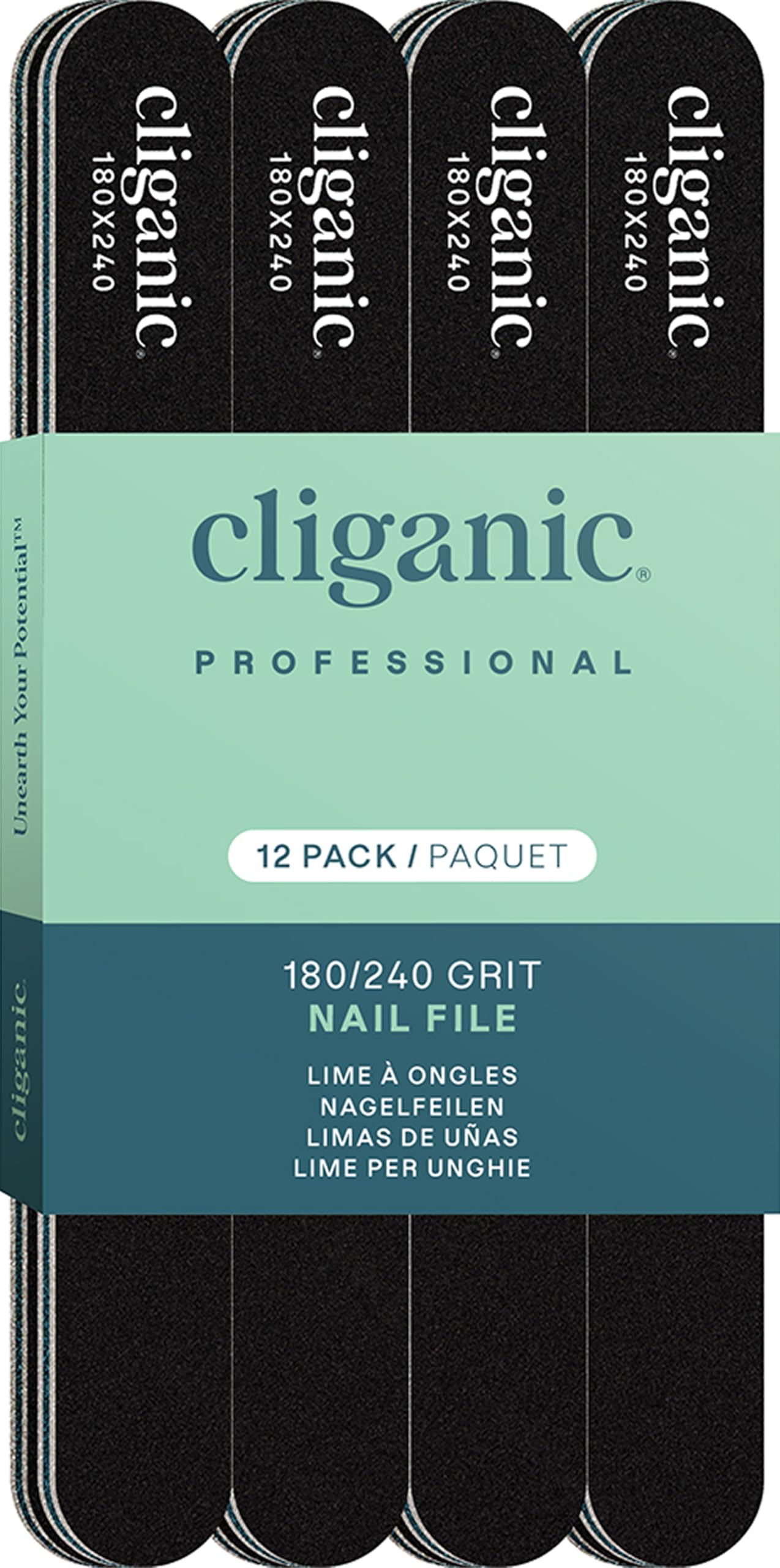
We recommend this set if you want sturdy, washable emery boards that handle both natural and acrylic nails well.
Pros
- Durable grit on both sides
- Good value with 12 files
- Washable and easy to clean
Cons
- Might feel too coarse for very soft nails
- Emery dust can flake at first use
- Not as gentle as padded buffers
We used these files for a mix of natural and acrylic nails and found them reliable. The 180 side shapes quickly and the 240 side smooths edges. They held up through several sessions without losing grit.
On toes and thick acrylics the coarser side worked fast and didn’t clog. When we used them on softer nails we had to be gentler to avoid over-filing. A light finishing file was helpful for a smoother edge.
The boards are thin but sturdy, and rinsing them under soap removed residue easily. They come in a handy 12-pack that felt like a salon supply stash we could count on.
Revlon Shape ‘N’ Buff

We recommend this if you want a simple, all-in-one buffer that shapes and shines natural nails without fuss.
Pros
- Easy to use; four surfaces cover shaping and buffing needs.
- Gives a quick glossy finish without polish.
- Feels sturdy and fits in a makeup bag.
Cons
- Blocks wear down over time with regular use.
- Not for heavy-duty filing on very thick nails.
- Coarse side can feel rough if you press too hard.
We used this Revlon buffer for several weeks and liked how it handled small touch-ups. The shape side files nails evenly and the smoothing surfaces take edges away fast. Moving to the finer faces produced a clear, healthy shine on our nails.
It worked well on both fingernails and toenails. We noticed the different textures make it easy to go step-by-step, and the length gave us good control during filing. Cleaning by tapping it on a counter cleared dust without damaging the block.
This buffer is simple and reliable for at-home maintenance. If you want a quick, polish-free shine and basic shaping, this tool delivers without overcomplicating the routine.
Fandamei Nail Kit

We recommend this kit if you want a full, affordable set for home mani-pedis and basic gel removal.
Pros
- Lots of tools in one compact kit
- Files are coarse enough for gel and toenails
- Stainless steel tools feel solid and last
Cons
- Some tools may have a light plastic smell at first
- A file or two can bend with rough use
- Not salon-grade for heavy professional use
We used this kit for a few weeks and liked how complete it is. The nail files (100/180) removed gel and shaped toes faster than cheap emery boards. The buffer made nails smooth before polish.
The cuticle nippers and pusher worked well for tidying edges. The small triangular peeler helped remove stubborn residue without digging into the skin when we used it carefully.
We found the stainless steel toenail file and nail lifter useful for ingrown-edge fixes. A couple of items felt more travel-quality than salon-heavy, so treat them gently to avoid bending.
Overall, this kit saves time and space for at-home care and travel. It covers most needs for beginners and regular users who want durable basic tools without spending much.
TonoNails 18‑Pack File & Buffer Kit
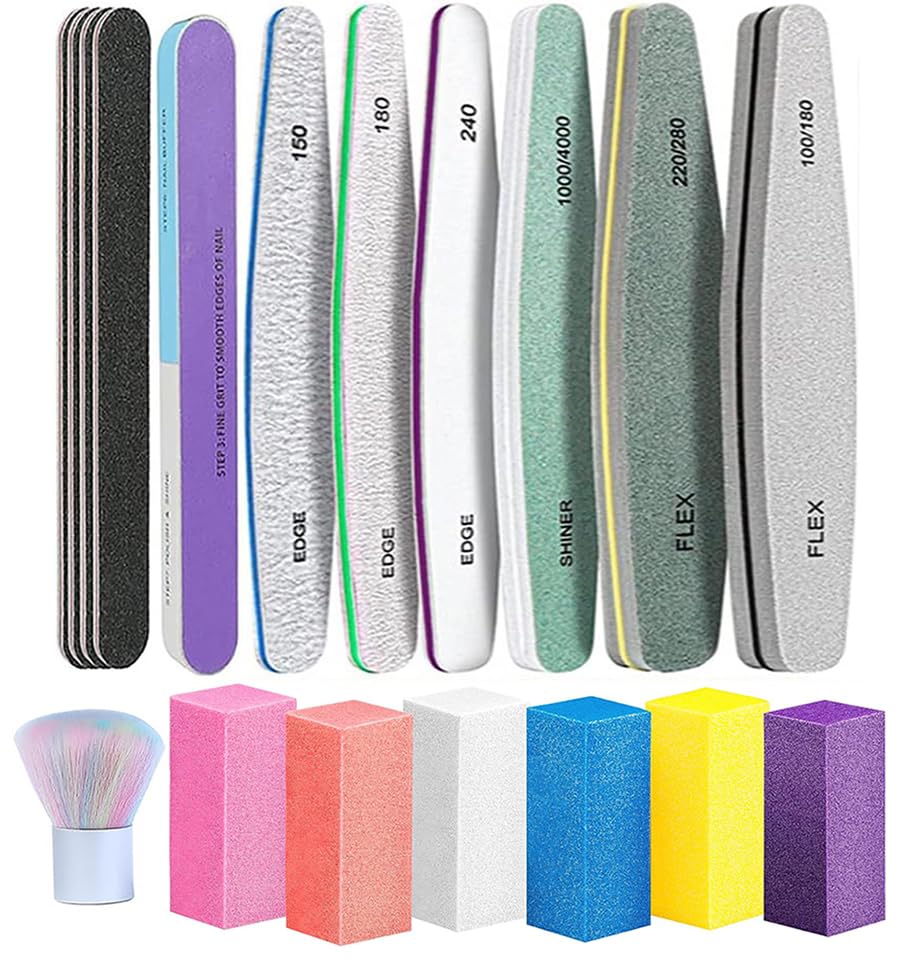
We recommend this kit if you want a full, affordable set for home manicures and pedicures that covers shaping, smoothing, and polishing.
Pros
- Lots of pieces for the price
- Covers many grits and shapes
- Washable and travel friendly
Cons
- Coarse grits can feel rough on thin nails
- Some pieces wear faster with heavy use
- Not as long-lasting as metal tools
We used this set for a few at-home sessions and found it very handy. The half-moon files fit along nail curves well, and the straight files made quick work of thick toenails. The sponge buffers smoothed ridges and left nails with a decent shine.
The grit range worked for removing gel tips and shaping acrylics, though we had to be gentle on natural nails. A couple of the emery pieces showed wear after repeated use, but replacement cost is low given the pack size.
This kit shines for families or beginners who want options without spending much. Toss a few in a bag for travel and you’ll have tools for most nail tasks.
Fandamei Nail File Kit

We recommend this kit if you want a full set of files and buffers for home nail care at a low price.
Pros
- Lots of different tools so you can handle natural nails, press-ons, and acrylics.
- Good value—you get many pieces for the cost.
- Buffers polish smoothly when used gently.
Cons
- Some pieces wear out after a few uses.
- The 7-way buffer felt flimsy and not as useful as the others.
- Random colors mean you can’t pick a matching set.
We used this kit across several nail jobs and liked the range. The rectangular sponge blocks are soft but firm enough to smooth edges, and they washed clean after use.
The 100/180 emery files cut and shape nails fast. They remove gel and shorten tips easily, though they show wear faster than pricier files.
The green cushioned boards and the fine polishing sides left nails smooth and shiny. The numbered 7-way tool looked handy, but it felt light and didn’t last long in our kit.
Overall, this set fits a home nail routine. It gave us options and saved money, but expect some pieces to be disposable after multiple uses.
SEACRET Nail Buffer Block (Pack of 2)

We recommend this if you want a quick, polish-free shine that holds up over weeks and travel.
Pros
- Smooths ridges and gives a real glass-like shine fast.
- Durable; feels like it lasts longer than cheap buffers.
- Small, travel-ready and gentle on nails.
Cons
- One block can feel slightly bulky in small cosmetic bags.
- Edges on some pads can lift after months of heavy use.
- Not a substitute for nail care when nails are very damaged.
We used the three-step block exactly as labeled and got a mirror-like shine in seconds. The blue side evened out small ridges without feeling harsh. Our nails looked clean and polished without any product.
The grey step refined the nail plate; it smoothed the surface so polish went on more evenly. The white side brought a bright shine that lasted days. We noticed toes and fingers both benefited from the same block.
The pack of two felt smart for travel and home. One stayed in our travel kit while the other lived by the vanity. Overall, it’s an easy tool for quick touch-ups and low-maintenance shine.
HomeyEra 100/180 Nail Files (12 Pack)

We recommend this pack if you want sturdy, long-lasting emery boards that handle both thick and natural nails well.
Pros
- Sturdy feel that holds shape under pressure
- Dual 100/180 grit covers shaping and smoothing
- Long 7.1″ square shape gives good control
Cons
- A bit coarse for very thin, fragile nails
- Sandpaper surface can shed slightly after heavy use
- Not cushioned like foam buffers for high polish shine
We used these for a mix of acrylics and natural nails. The coarse side shaves length fast and the finer side cleans up edges without over-thinning. The length and square shape made holding them comfortable for both big toes and small fingernails.
The grit lasts through several uses before softening. They feel denser than drugstore emery boards, so we didn’t worry about bending mid-file. Cleaning the surface is easy; a quick rinse and dry got them ready again.
For at-home mani work, they give salon-style control at a low price. If you need a glossy buffer finish, add a foam or buffer block, but for shaping and smoothing, these do the job well.
Buying Guide
We look for the right grit for the job. Lower grit (80–100) shapes nails fast but can be rough. Medium grit (180–240) is best for natural nails. Higher grit (300+) smooths and polishes.
We check material and build. Emery boards are cheap and disposable. Glass, ceramic, or metal files last longer and are easier to clean. Buffers often have multi-sided blocks; each side serves a purpose.
We consider file shape and length. Curved or straight files fit different nail shapes. Longer files give more control. Pick a size that matches your nail length and hand comfort.
We think about finish and durability. Look for even grit that won’t fray or flake. Sealed or coated edges resist wear. For hygiene, choose files that can be sanitized or are single-use.
We pay attention to ergonomics and grip. A non-slip handle gives better control and reduces slips. Lightweight tools are easier to use daily. Comfortable grips matter when shaping many nails.
We weigh value and versatility. Multi-piece kits can cover shaping, smoothing, and shining. But single-purpose tools often perform better for a specific task. Balance cost with how often we will use the tool.
We inspect safety features. Rounded tips and gentle grits help avoid splitting. Avoid overly coarse files on thin or weak nails. Always follow gentle strokes and work from the outer edge toward the center.
Editor’s Choice
We picked a small set of nail files and buffers that balance performance, durability, and value. Each choice met our test standards for smooth shaping, gentle buffing, and long life.
Top pick — Glass file
We chose a tempered glass file for precision and gentleness. It files evenly, resists wear, and is easy to clean.
Best budget — Emery boards (multi-pack)
We recommend a multi-pack of emery boards for quick trims and travel. They work well for soft and natural nails and replace easily.
Best buffer — 4-way block
Our preferred buffer is a 4-way foam block that smooths ridges and adds shine without thinning the nail. The grit stages are clear and last through many uses.
We also value hygiene and safety. Replace disposable files often and sanitize reusable tools after each use.
Quick tips we follow: file nails in one direction, avoid aggressive buffing, and pick grit based on nail strength. These choices keep nails healthy while giving a polished look.
Conclusion
We chose files and buffers that balance nail health, ease of use, and value. Our picks cover foam, glass, ceramic, and traditional emery tools so you can match the tool to your nails and routine.
We recommend starting with a medium-grit file and a multi-step buffer for most people. Use gentler tools for weak or thin nails and stronger files for thick nails or quick shaping.
We tested durability, feel, and finish. Our selections aim to reduce splitting, smooth ridges, and give a clean shape without over-filing.
Keep a few simple habits: file in one direction, avoid aggressive back-and-forth sawing, and use a light hand with buffers. Replace worn files and sanitize reusable tools to cut infection risk.
If you want a single versatile kit, choose one with at least two grits and a 3- or 4-step buffer. For travel, a compact glass or crystal file works well because it lasts and fits in a small case.
We stand by tools that protect nail health while giving a tidy finish. Pick what suits your nails and follow gentle technique for the best results.
FAQS
How often should we replace a nail file or buffer?
We replace disposable emery boards after a few uses or when they fray. For glass or metal files, we replace them if they chip or lose grit. Buffers wear down faster and often need replacing every few months.
Can we use one file for natural and artificial nails?
We avoid using the same coarse file on natural and artificial nails. Cross-use can damage natural nails. We keep separate files or use finer grits for natural nails.
What grit should we choose for shaping and smoothing?
Lower grits (80–100) suit heavy shaping of acrylics. Medium grits (180–240) work for shaping natural nails. High grits (240–400) are best for smoothing and finishing.
Are glass files better than emery boards?
Glass files last longer and are gentler on nails. They clean easily and stay smooth. Emery boards are cheap and disposable, which some find convenient.
How do we sanitize files and buffers?
We clean non-porous tools with soap and water, then disinfect with alcohol or a hospital-grade solution. For porous tools, we prefer single use or replacement between clients. Always follow product instructions.
Can buffing damage nails?
Excessive buffing can thin nail plates. We limit buffing and avoid aggressive grit on weak nails. We recommend gentle, light strokes and stopping if nails feel thin.

