
Best Nail Files for Acrylic Nails: Top-Rated Files for Shaping, Filing, and Long-Lasting Results

Acrylic nails give a long-lasting, polished look that many people prefer over natural nails. They need regular shaping and smoothing to stay neat, and the right nail file makes that work quicker and safer. We focus on files made for acrylics—coarse grits for shaping, finer grits for smoothing, and durable materials that hold up to repeated use.
The most important things to watch for are grit level, file shape and durability, and whether the file dusts or clogs easily. A file with the right grit and a sturdy edge helps you shape acrylics without tearing or overheating the nail, so you get a smooth result with less risk of damage. We tested a range of popular files and compared how well they shape, how long they last, and how comfortable they feel to use, to help you pick the best option for your routine.
Best Nail Files for Acrylic Nails
Below is our full list of the best nail files for acrylic nails. We tested and compared grit, durability, and ease of use to find tools that shape acrylics without chipping or splitting. Use our picks to get smooth edges, precise shapes, and long-lasting results.
HomeyEra 100/180 Emery Boards (12 Pack)

We recommend this pack if you want sturdy, long emery boards that handle acrylic shaping and finishing without falling apart.
Pros
- Thick, durable feel that resists bending.
- Dual 100/180 grit works for shaping and smoothing.
- Long, square shape gives better control.
Cons
- Grit can wear faster with heavy use.
- Not cushioned like foam files for very gentle buffing.
- Texture may feel rough on natural nails if used carelessly.
We used these for a few full acrylic sets and liked how quickly the 100-grit shaved length and edge. The files hold up through several nails and don’t flop in your hand.
Shaping felt precise because the boards are long and square — that gave us a steady grip. The 180 side polished ridges well, so top coat laid on smoother.
For regular home use or salon touch-ups, the pack is convenient and cost-effective. Expect them to outlast cheap drugstore boards, but replace sooner if you file acrylics daily.
HeeYaa 100/180 Double‑Sided Nail Files

We recommend this set if you want sturdy, reusable 100/180 grit files that work well on acrylics at a low price.
Pros
- Durable feel and holds up during shaping.
- Double‑sided grits let us shape and smooth with one tool.
- Washable and reusable so we can use them many times.
Cons
- Grit wears down faster with heavy use.
- Not as fine for super-smooth finishes.
- Pack is basic—no storage case.
We used these on fresh acrylic sets and during at-home touch-ups. The 100 side removes length and bulk fast, while the 180 side tidies edges without chewing into the nail. They felt solid in hand and didn’t bend when filing thick tips.
After several washes the abrasive still worked, though the coarse side showed wear sooner than the fine side. For daily salon traffic they may need replacing sooner, but for home use they last a good while.
We liked the price and the simple design. If you want quick shaping and a reliable file without paying salon prices, this set fits well.
Cliganic Nail Files 12-Pack
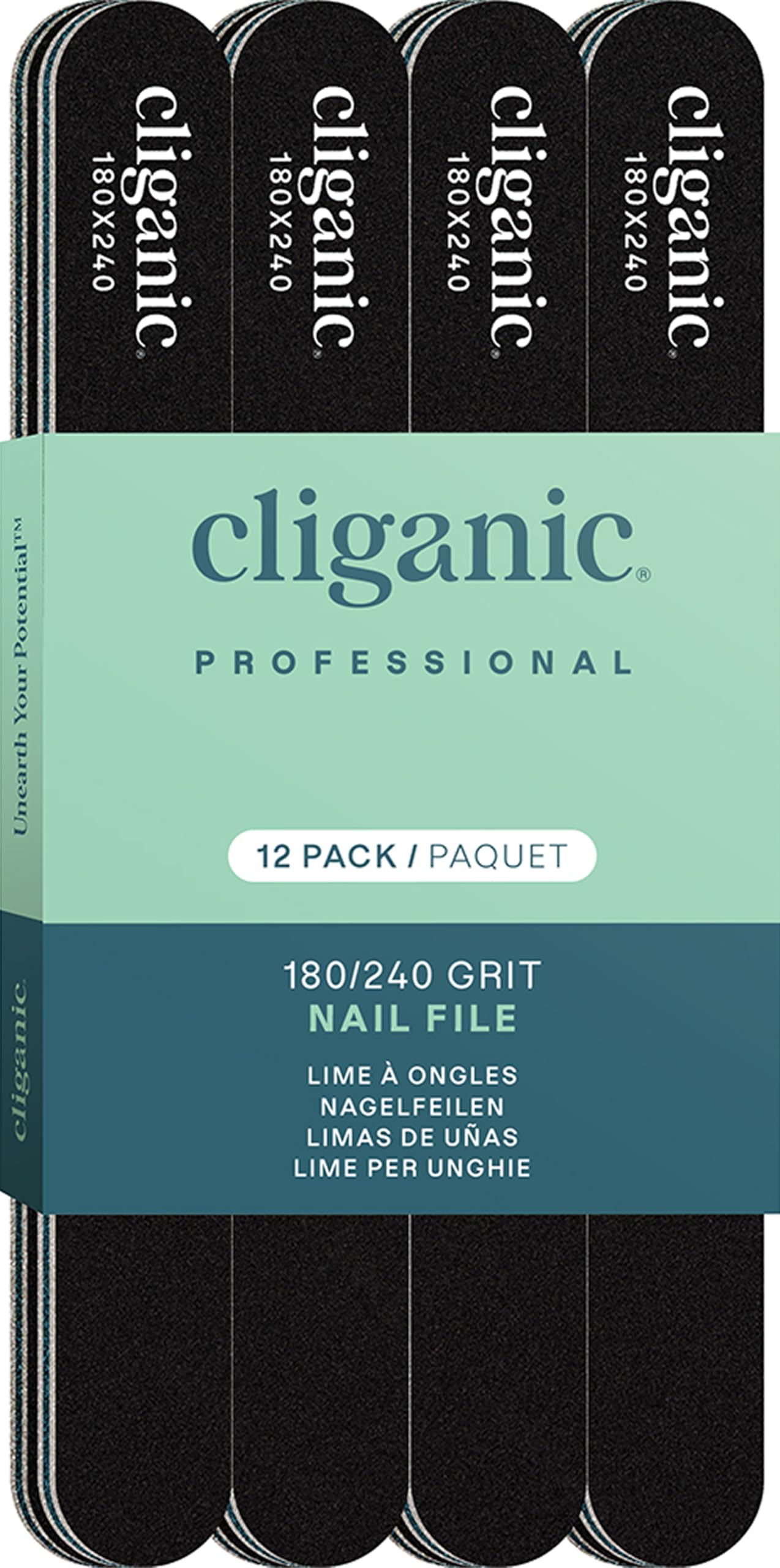
We recommend this set when you want durable, easy-to-clean emery boards that handle acrylic shaping and finishing.
Pros
- Durable grit that lasts through multiple uses
- Double-sided 180/240 covers shaping and finishing
- Good value with 12 full-size files
Cons
- 180 side can feel coarse on natural nails
- Not as sturdy as a metal file for heavy shortening
- Some boards need a quick smoothing afterward
We used these files on fresh acrylic and on finished tips. The 180 grit took down length fast without chipping the acrylic. Switching to 240 smoothed edges cleanly for a neat finish.
The boards fit our hand well and did not bend much while filing. They rinsed easily after use, which made cleanup quick between client sets.
When we used them on natural nails, the coarser side felt rough, so we avoided heavy pressure. Overall, the pack gives consistent results and saves trips to the store.
Makartt Zebra Nail Files (100/180) — 10-Pack
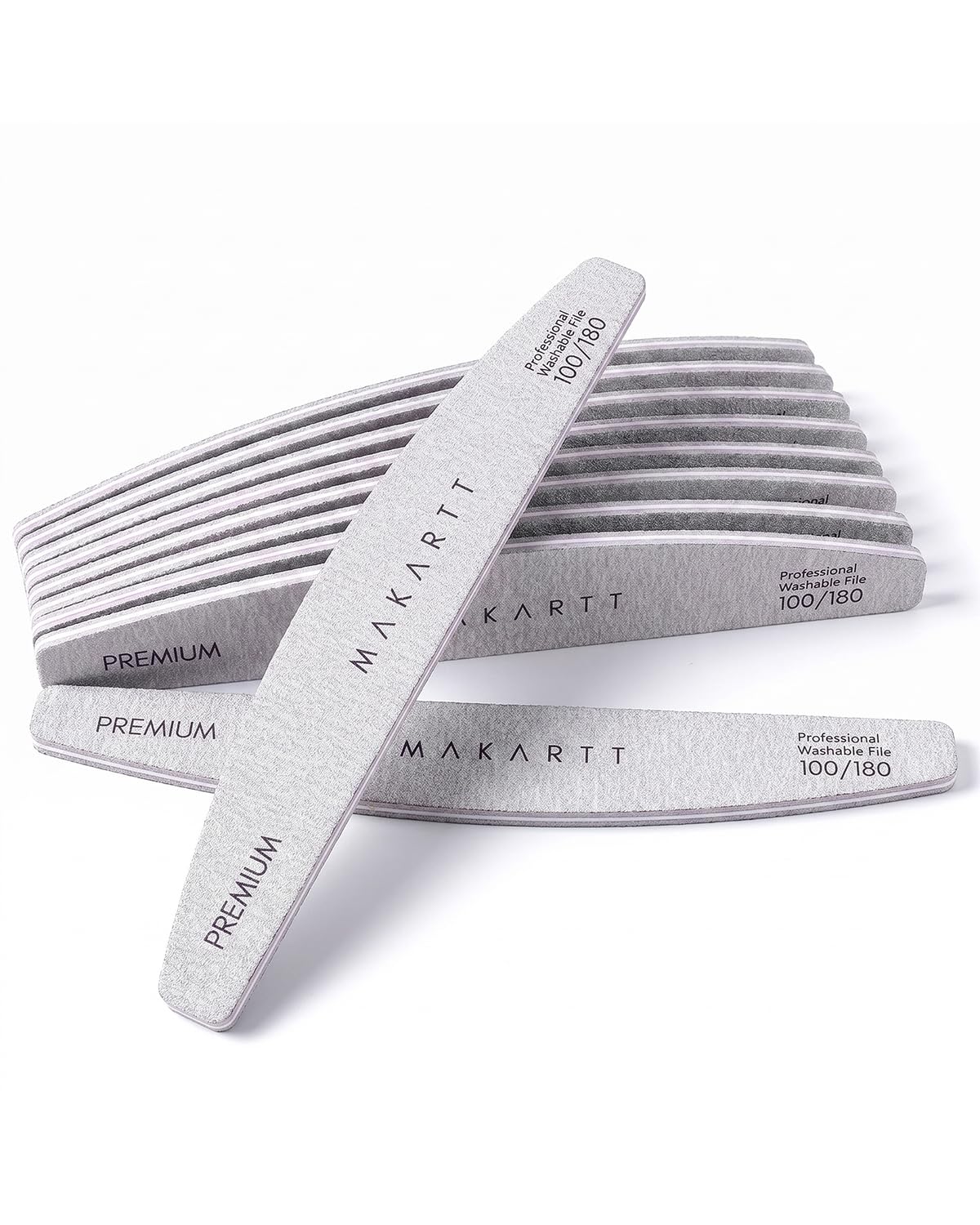
We recommend this set if you want a sturdy, dual-grit file that shapes acrylics fast and finishes cleanly.
Pros
- Files acrylic and gel quickly with the coarse side.
- 180-grit gives a smooth edge for a salon look.
- Pre-buffed edges reduce irritation around cuticles.
Cons
- Coarse side removes material fast, so you must be careful.
- Not as long-lasting as a metal or glass file for heavy daily salon use.
- Zebra finish shows wear after many washes.
We used these Makartt emery boards on acrylic sets and at-home fills. The 100 grit chews through length and extension tips without bending. It felt solid in the hand and didn’t crumble like cheap boards.
The 180 side refines the shape and cleans up the free edge nicely. We liked how the half-moon curve followed the nail line for smoother corner work and less catching near cuticles.
Ten files in the pack make them handy for travel, clients, or backups. They hold up for multiple uses, though we noticed the zebra surface looks worn after repeated washing and heavy filing.
Overall, these felt professional enough for DIY salon work while still being easy for beginners to control. If you file acrylic often, the coarse grit speeds work, but watch your pressure to avoid over-thinning.
Treamlyn 10-Pack Nail Files

We recommend this pack if you want strong, affordable files that shape acrylics fast and give you enough spares for regular use.
Pros
- Strong, doesn’t bend under pressure.
- Two grits (100/180) handle heavy shaping and smoothing.
- Ten files in the pack stretch your value for money.
Cons
- Grit wears down after repeated use.
- Not long-lasting for heavy salon traffic.
- Surface can shed small dust when filing.
We used these on fresh acrylic sets and found the 100 grit takes bulk off quickly. It felt solid under our hand and cut down filing time compared with finer-only boards.
Smoothing with the 180 grit gave cleaner edges and a nicer curve before buffing. The files are easy to control, so you avoid over-filing the nail bed.
After multiple uses some files lost grit faster than higher-end salon boards. Still, for at-home use or for keeping extras in a kit, these deliver good performance at a low price.
Get them here: Treamlyn 10-Pack Nail Files
Teenitor Nail File Set

We recommend this set if you want a full at-home routine with coarse files, buffers, and a shine block at a low price.
Pros
- Lots of grits so we can shape, smooth, and polish without buying extras.
- Washable and sturdy — held up after several uses.
- Good value for a multi-step kit.
Cons
- Some lower grits felt too rough or unnecessary for our nails.
- Shape and size might not fit every fingertip perfectly.
- Foam blocks wear down faster than the emery boards.
We used the Teenitor kit for a few at-home manicures and liked the step-by-step feel. The coarse 150/180 files quickly trimmed acrylic tips, while the 240 grit smoothed edges without wobbling. Handling felt solid and controlled.
The buffer blocks helped remove ridges and evened the surface before shining. The 1000/4000 sides did give a noticeable gloss after a few passes, though the foam softened after repeated rinses. We found the finer grits best for finishing rather than major shaping.
This set works well for beginners and DIYers who want a complete routine. Expect to replace the foam blocks sooner than the emery files if you use them often.
HomeyEra 100/180 Nail Files (24 Pack)

We recommend these if you want a sturdy, reusable emery board that handles acrylics and home gel work without breaking the bank.
Pros
- Durable grit that shapes acrylic quickly.
- Dual 100/180 sides for coarse shaping and light buffing.
- Large square shape gives a steady grip and reach.
Cons
- 100 grit can be too rough for thin or fragile natural nails.
- Not cushioned—can feel stiff during long sessions.
- Gray emery surface shows wear after heavy use.
We used these files across a few full sets of acrylics and they handled the hard edges well. The coarse side removes length fast and the finer side smooths without killing the nail curve. They stay flat so you get consistent results when shaping tips.
The size and square shape made filing longer nails easier; the length keeps our hand away from polish while we shape. They felt firm in the hand, which helped with control, though that same firmness can feel harsh on delicate natural nails.
We liked that a pack of 24 lasted through many fills and at-home sessions. They washed up okay and kept grit longer than cheaper boards we’ve tried, making them a reliable, budget-friendly option for DIY or salon backup.
Canvalite Half-Moon Nail Files (10 Pack)

We recommend these if you want durable, double-sided emery boards that shape acrylics well without costing much.
Pros
- Lasts a long time for regular at-home use.
- Dual grit (100/180) handles heavy shaping and smoothing.
- Comfortable half-moon shape gives good control.
Cons
- Grit may be too coarse for very fine finishing.
- Size is on the larger side for tiny nail tips.
- Pack has the same grit only, so no ultra-fine option included.
We used these on full sets of acrylics and they held up. The 100 side quickly takes down length and bulk, and the 180 side refines edges without shredding the acrylic.
The curved half-moon shape fit our hand naturally. That made shaping side walls and free edges easier than straight files we’ve tried.
After several uses the abrasive stayed bonded and didn’t flake away. They aren’t as gentle as a glass file, but they feel sturdy and cut down filing time.
For those who want salon-style results at home, these work well as the main file. Keep a finer buffer or glass file on hand for final smoothing if you want a super-polished finish.
AhaTopia Nail File & 4-Way Buffer Set

We recommend this set if you want an affordable, all-in-one kit that handles shaping and shine for acrylic and natural nails.
Pros
- Lots of files and two 4-way buffers for long-term use.
- Coarse 100 grit shapes acrylics quickly; buffer gives a decent shine.
- Lightweight and travel-ready, easy to stash in a kit.
Cons
- Buffers are a bit gentler than salon-grade blocks.
- Emery boards wear down faster with heavy use.
- Not ideal if you need a very rough grit for heavy shortening.
We used this set for several at-home acrylic touch-ups and liked how quickly the 100-grit side took down length. The files held up over a few sessions and made shaping simple without digging into the nail. We could see the difference when swapping to the finer side for smoothing.
The 4-way buffer gave a pleasant natural shine after just one glide. It smoothed ridges well and left nails looking neat without polish. On thicker acrylic tips we wished the buffing surfaces were firmer and slightly more abrasive.
This kit felt practical for travel and practice. We found the files washable and reusable for when we misplace one. Overall, it’s a solid value for DIY users, learners, and anyone who needs extra files on hand.
GigaGround 80/80 Nail Files

We recommend this if you need a fast, coarse file for removing acrylic or thick gels.
Pros
- Removes product quickly.
- Sturdy, does not bend easily.
- Reusable and washable.
Cons
- Very coarse—needs finer follow-up.
- Can feel rough on natural nails.
- Not for light buffing or finish work.
We used these on both full-set acrylics and leftover gel. The grit chewed through product fast and saved time compared with finer files.
Holding the wide rectangle felt solid in our hand. It stayed rigid while we filed, so we could control pressure without the board flexing.
After heavy use the surface stayed gritty and effective. We did follow with a finer file to smooth edges; skipping that left the nails too rough.
For travel or a kit, the 7.1-inch size fit well in our bag and felt comfortable for longer sessions. The coarse grit makes these best as a first-step tool, not a final polish.
Buying Guide
We look for the right grit for acrylic shaping. Coarse grits (80–100) remove bulk fast. Medium grits (150–180) shape and refine. Fine grits (240+) smooth without damaging.
We check file type and durability. Emery boards wear fast; glass and metal last longer. A rigid file gives control for tips, while a slightly flexible file helps natural curves.
We consider the file length and handle grip. Longer files give more reach and steadier strokes. A non-slip handle reduces slips and errors during filing.
We pay attention to edge finish and dust control. Rounded edges prevent catching on skin. Files that minimize debris help keep work areas cleaner.
We value safety and sanitation. Look for files you can clean or sanitize between uses. Reusable files should resist water and not delaminate.
We weigh price against use frequency. Cheap files may be fine for occasional touch-ups. Professionals should invest in durable, easy-to-sanitize tools to save time and money.
We use a simple checklist when choosing:
- Grit range needed for the task
- File material and longevity
- Handle comfort and length
- Cleanability and sanitation options
- Edge design and debris control
We test before committing. Try a file on a practice nail if possible. That helps confirm grip, grit feel, and overall control.
Editor’s Choice
We picked the EmoryPro 4-way buffer as our Editor’s Choice. It balances grit, control, and durability for acrylic nails, and it works well for both shaping and smoothing.
We liked the medium-grit side for shortening and the fine side for evening the surface. The cushioned core helps prevent digging into the acrylic while still giving precise control.
Build quality matters to us. This buffer resists wear and keeps a consistent edge, so you replace files less often.
Key features we focused on:
- Grit range: Medium to fine for shaping and finishing.
- Comfort: CUSHIONED core reduces slips and pressure.
- Durability: Holds grit longer than cheap emery boards.
We tested it on different acrylic thicknesses and nail shapes. It handled hard tips and overlay nails without causing micro-fractures.
For maintenance, we recommend wiping with a soft brush after use and replacing when grit thins. That keeps results consistent and safe for the natural nail underneath.
Conclusion
We chose files that protect acrylics and make shaping quick. Good grit balance and solid construction matter most for long-lasting results.
We prefer a mix of metal, glass, and high-quality emery boards for different jobs. Coarse grit speeds removal, while fine grit smooths and refines the edge.
We recommend keeping at least two files: one for shaping and one for finishing. Replace disposable files often and sanitize reusable ones after each use.
We tested durability, ease of use, and nail safety. These picks help us work faster and reduce lifting or damage when used correctly.
We suggest matching file type to the task and to skill level. Start with gentler grits if you’re new, and move to coarser tools only when needed.
FAQS
Q: How often should we file acrylic nails?
We file touch-ups every 1–2 weeks to keep shape and stop lifting. More frequent filing can thin the acrylic.
Q: What grit file works best?
We use 100–180 grit for shaping acrylics and 240+ grit for smoothing. Coarse grits shape faster; fine grits finish gently.
Q: Can we use a metal file?
We avoid metal files for acrylics because they can be too harsh and cause chipping. Use an emery board or a glass/crystal file instead.
Q: Should we file wet or dry nails?
We file acrylics dry. Filing wet softens the product and gives uneven results. Natural nails are often filed dry too.
Q: How do we prevent splitting or lifting?
We lift gently at the cuticle and avoid over-filing the nail plate. Keep nails clean and follow proper prep and application.
Q: Which file shape is best?
We prefer a straight or slightly curved file for control. Pointed files help detail work, while rounded files match natural curves.
Maintenance tips:
- Clean files after use with a brush and soap.
- Replace disposable files often.
- Sanitize reusable tools between clients.

