
Best Nail Files for Brittle Nails: Expert Picks for Gentle, Durable Nail Care

Nail files help shape and smooth nails, and the right one can make a big difference for people with brittle nails. Brittle nails chip and split easily because they are thin, dry, or layered, so a gentle, precise file prevents further damage while giving a clean edge. We focus on tools that remove less material, reduce snagging, and finish edges smoothly so nails stay stronger after filing.
When choosing a file for brittle nails, pay attention to grit, material, and edge type. Fine grits (240 and up) and glass or ceramic files are usually gentler than coarse emery boards, and rounded or buffer-style edges lower the chance of peeling. We tested a range of grit types and materials to find files that shape nails without causing splits or thinning. This guide explains which files worked best for us and why, so you can pick one that protects fragile nails.
Best Nail Files for Brittle Nails
Below is our full list of the best nail files for brittle nails. We picked gentle, durable options that help reshape and smooth weak nails without causing splits or peeling. Use our list to find a file that protects nail health and fits your budget.
Soft Touch Nail File – 280/320 Grit (5-Pack)

We recommend this set if you want a gentle, reliable file for thin or brittle natural nails.
Pros
- Gentle grit that smooths without tearing
- Washable and holds up through several uses
- Long 7″ size gives good control
Cons
- Not for heavy shaping or very thick nails
- Each file wears down after a few uses
- Color and feel are basic, not premium
We used these for a few home manicures and found them nicely balanced. The 280/320 dual side felt fine on fragile edges and did not split or snag our nails like coarser files can.
Handling felt familiar and easy. The length gives a good grip so we could file with light, steady strokes. The washable surface made it simple to keep clean between uses.
It did wear out after several manicures, so expect to replace files more often than with metal tools. Still, for everyday care of brittle nails, these hit the right mix of gentle and effective.
Bona Fide Glass Nail File
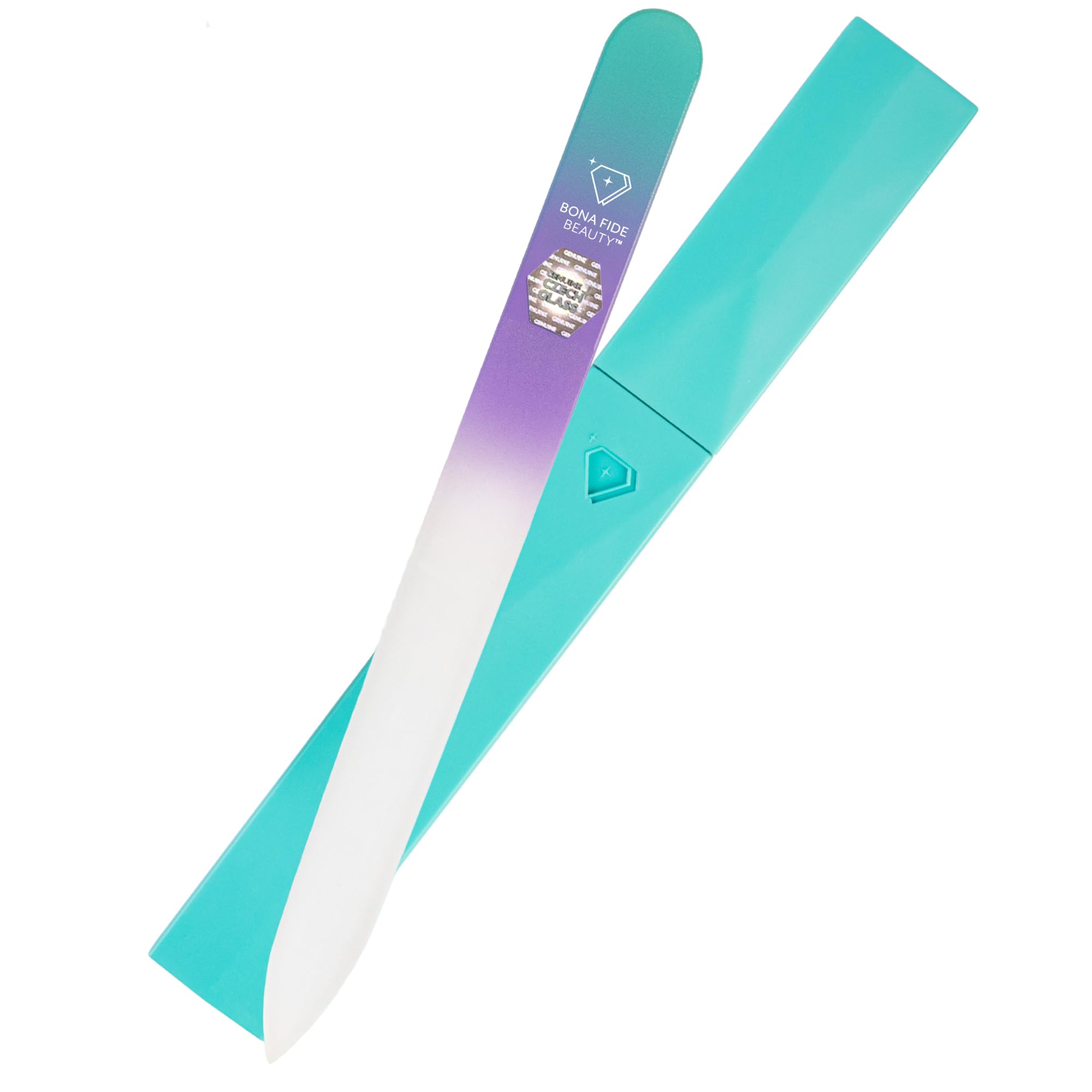
We recommend this file if you want a gentle, long-lasting tool that helps brittle nails stop splitting and peeling.
Pros
- Smooth, fine grit that seals nail edges without tearing.
- Feels sturdy and comfortable in hand.
- Comes with a protective hard case for travel.
Cons
- Glass can break if dropped or hit hard.
- Slight learning curve for pressure and stroke.
- Pricier than disposable emery boards.
We used this file on thin, weak nails and saw the edges become much smoother after the first gentle session. The glass felt cool and precise, and filing both directions made shaping faster than with paper files.
Cleaning was simple — a quick rinse kept it ready for the next use. The case kept the file safe in our bag, though we still treated it like a fragile glass item.
After a few weeks of regular use our nails showed fewer snags and less peeling. The file’s fine surface felt kinder to the nail plate, but we learned to start light and increase pressure only if needed.
Teenitor Nail File Set

We recommend this kit if you want an affordable, full-step set that shapes, smooths, and shines brittle nails without being too harsh.
Pros
- Wide range of grits for shaping, smoothing, and shining.
- Feels sturdy and easy to rinse clean after use.
- Good value for a complete at-home routine.
Cons
- Coarser grits can feel rough if you press too hard.
- Some lower-grit pieces seemed less effective for us.
- Shapes aren’t as ergonomic as fancier files.
We used this set across several sessions and liked that it covers every step. The coarse files cut and shape quickly, while the finer buffers smooth edges without splintering thin nails.
The buffer and shiner actually left a visible gloss on our natural nails, which held for a few days. We found the 1000/4000 sides useful for finishing, and the 100/180 pieces removed ridges cleanly when used gently.
Handling felt light and manageable, though the rhombus shape is basic. We would press more lightly on brittle nails and skip the roughest grit to avoid weakening them further.
Drei Schwerter Sapphire Nail Files & Buffer

We recommend this set if you want durable metal files that shape brittle nails without tearing and last for years.
Pros
- Lasts a very long time compared to emery boards
- Feels secure in hand and files both fingers and toes easily
- Dual grit lets us shape then smooth without switching tools
Cons
- Metal surface can feel stiff at first on very thin nails
- Higher up-front cost than disposable files
- Buffer included is small and takes time to get used to
We used these over several weeks on brittle nails and found the sapphire coating files to be precise. The coarse side shaped nails fast while the fine side left edges smooth, which cut down on snags and splitting.
The slim metal file sits well in our grip and the black comfort strip helps when we need control. It felt sturdier than typical disposable files and held its grit after multiple uses.
Maintenance is simple: rinse and dry after use. We liked that it did not wear down quickly, though very thin nails need a light touch to avoid removing too much at once.
Overall, this trio feels like a small investment that pays off if you want a reliable, long-lasting tool for brittle nails.
Diodiva Glass Nail Files (3-Pack)

We recommend this set if you want gentle, long-lasting files for brittle nails that pack easily for travel.
Pros
- Smooth, gentle filing that seals edges without tearing.
- Comes in three colors with small protective cases for easy carrying.
- Feels durable and washable, so it should last longer than emery boards.
Cons
- Grit is finer than some glass files, so it takes longer to shorten nails.
- Plastic cases can feel flimsy and may break with heavy use.
- Some users report the grit wears down faster than expected.
We used these on thin, splitting nails and liked how they smoothed edges without roughing up the nail. The glass surface sealed the keratin and reduced snags right away.
Filing took more light strokes than with coarser files, so we spent a bit more time shaping longer nails. For touch-ups and keeping brittle nails tidy, they worked well.
The cases are handy for a purse or travel kit, but one felt loose in its sleeve. We would keep the files and replace cases with small pouches if you travel a lot.
Overall, these are a solid, gentle option for fragile nails if you want reusable tools that clean easily and last.
MR.GREEN Steel File
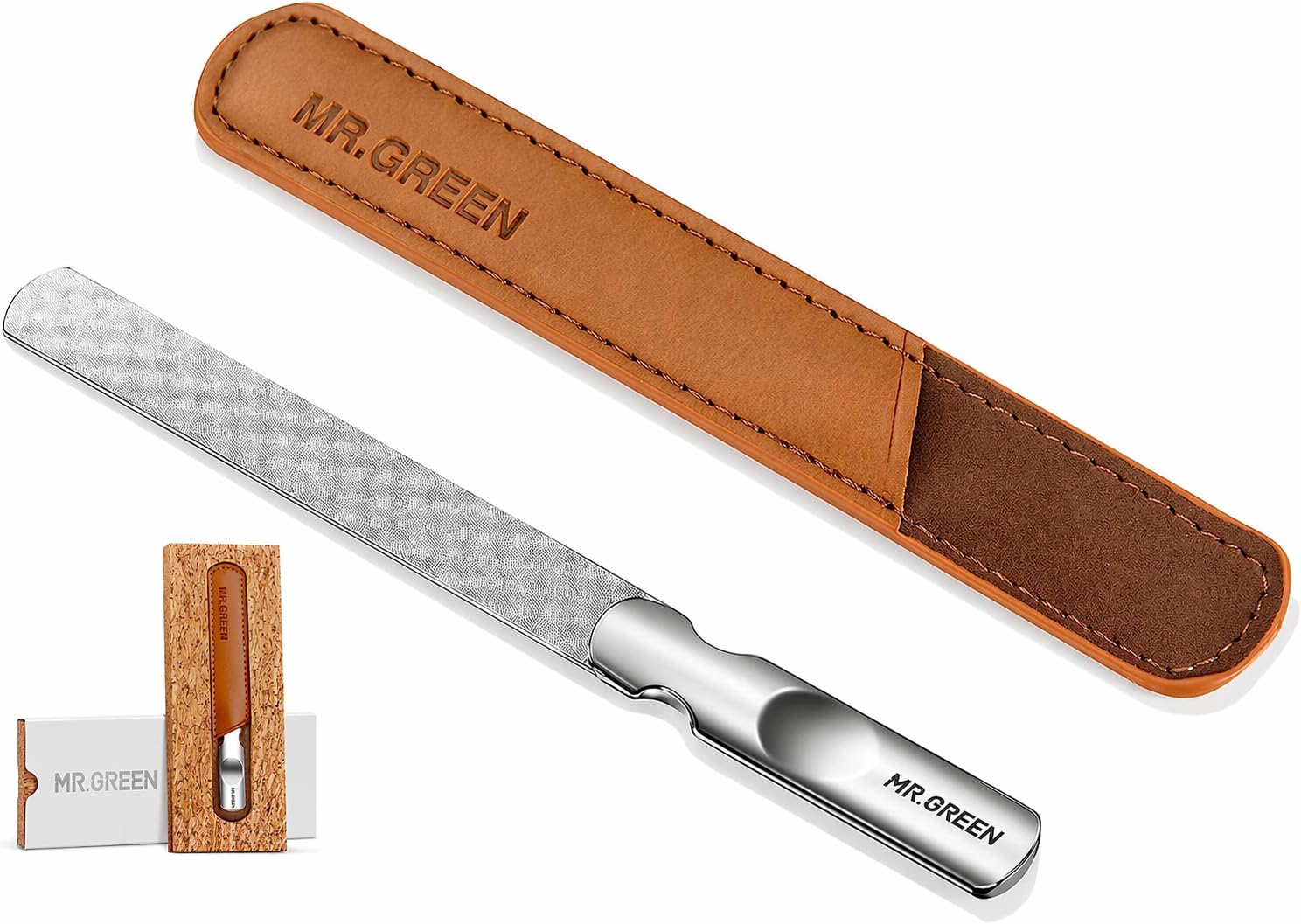
We recommend this if you want a long-lasting metal file that shapes and smooths brittle nails without needing frequent replacement.
Pros
- Durable stainless steel lasts longer than emery boards.
- Two textures let us shape then gently smooth edges.
- Small size and leather case make it easy to carry.
Cons
- Metal can feel too aggressive on very thin nails.
- Sharp edge risks small nicks if we rush.
- Not cushioned like some buffers, so it takes care with technique.
We used this file for several weeks on both fingernails and toenails. The fine side gives a smooth finish fast, while the coarser side shapes nails without shredding. It surprised us by removing small snags cleanly.
The metal body feels solid in the hand and the anti-slip handle helps control strokes. The leather case kept the file safe in my travel kit. Rinsing the file after use was quick and simple.
When nails are brittle, we found lighter pressure worked best to avoid splitting. For very thin nails, we preferred just the fine side and gentle strokes. Overall, it felt professional and lasted longer than disposable files.
Mont Bleu Glass Nail Files (Set of 3)

We recommend this set if you want gentle, long‑lasting files that reduce splitting and feel smooth on natural nails.
Pros
- Gentle on nail edges and stops fraying.
- Durable glass that cleans easily and lasts a long time.
- Comes in three sizes so you have a tool for different nails.
Cons
- Can break if dropped; handle with care.
- Sides are thicker than paper files, so tight corners are harder to reach.
- Some users find the grit finer than expected for heavy shaping.
We used these files for a few weeks and liked how smoothly they moved across the nail. They never tore or roughened my nail layers, and the finish looked clean without jagged edges.
The three sizes proved handy. The smallest shape worked for quick touchups and the largest gave good control for a neat finish. They sit nicely in the pouch, so we could travel with them without worrying about scratches.
Cleaning took just seconds with soap and water, which kept them hygienic. We found them gentler than emery boards, though you must be careful not to drop them because glass can chip.
Overall, the Mont Bleu set feels like an upgrade for anyone with brittle nails who wants to reduce splitting while keeping nails tidy.
Fandamei Nail Kit

We recommend this kit if you want a full, affordable set that handles brittle nails and basic nail prep at home.
Pros
- Very complete kit with files, buffer, and metal tools.
- Files work well on edges and for removing gel.
- Tools feel sturdy for the price.
Cons
- Some tools have a plastic smell at first.
- Coarse 100/180 grit can be too rough if you file aggressively.
- Small pouch feels basic for travel use.
We used this kit for several at-home mani sessions. The two-sided 100/180 files made shaping quick, and the buffer smoothed rough tips without flaking. We liked that the metal cuticle nippers cut cleanly and the lifter helped with stubborn corners.
When we worked on brittle nails, we took care to use light strokes with the coarse file and finished with the buffer. That approach removed snags without splintering the nail layers. The small brush cleared dust well after filing.
Overall, the set felt salon-level for routine use and prep before polish. Expect to air it out first to reduce the new-plastic smell, and be gentle with the coarse grit on fragile nails.
Malva Belle Crystal Glass File (Pastel Pink)
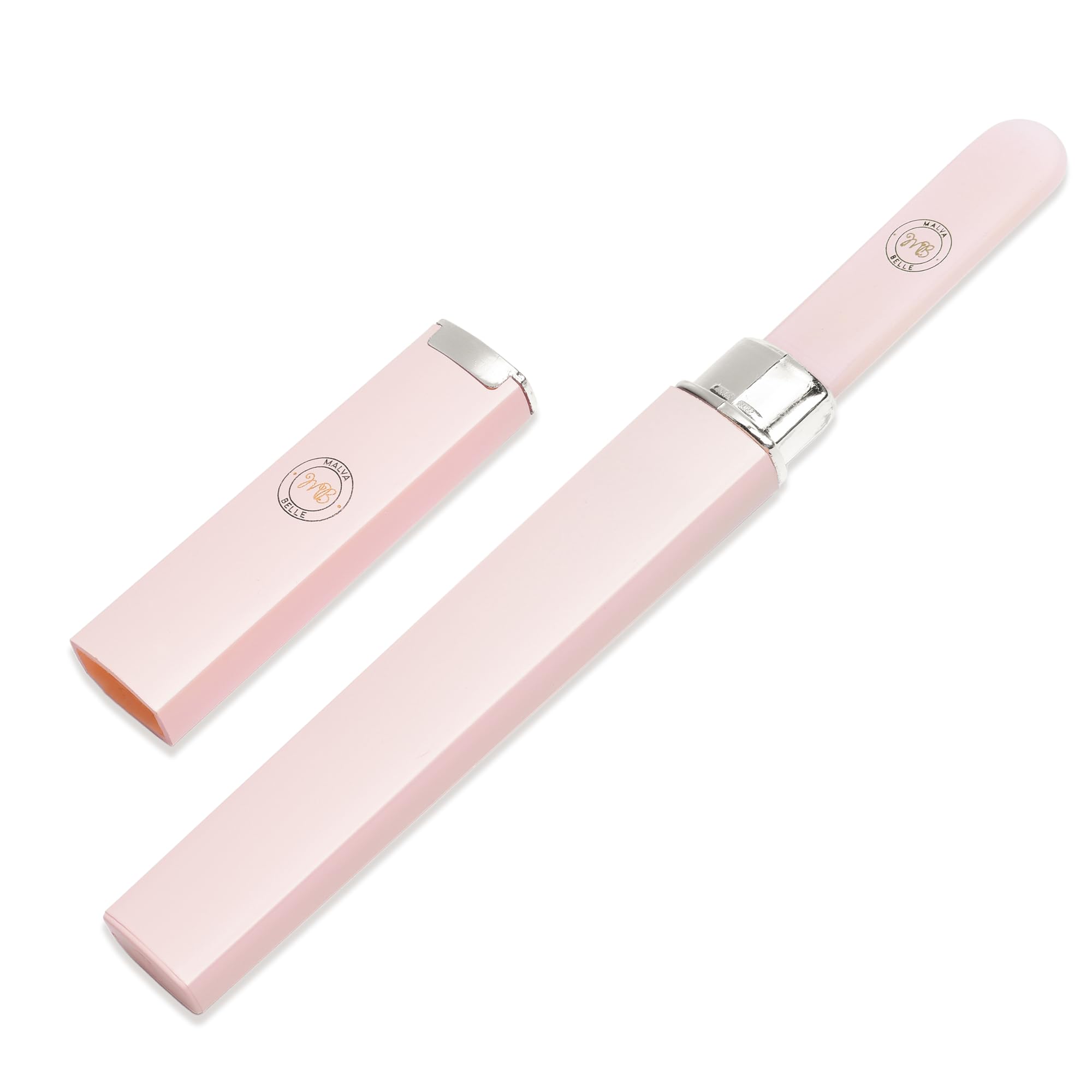
We recommend this if you want a reusable glass file that smooths brittle nails without shredding them.
Pros
- Gentle on fragile nails and leaves a clean edge.
- Never dulls — keeps working for years with basic cleaning.
- Lightweight and comes with a hard travel case.
Cons
- Case feels flimsy and can be hard to open.
- Breakable if dropped; handle with care.
- Shorter length than some glass files, so it can feel small for wide hands.
We used this file for several weeks and liked how smoothly it worked. Filing felt controlled and slow, which helped avoid splitting brittle tips. The glass surface never tugged or created rough layers like emery boards do.
The polish and finish look nice and the pastel color is pleasant in a kit. We found the file’s grit fine enough to shape without thinning nails too fast, and it kept a clean edge after repeated uses. Rinsing it under water removed filings easily.
The travel case protects the file, though we sometimes wrestled with the lid and worried about drops. One of us dropped a crystal file years ago and learned the hard way that glass can break, so we treated this one gently.
If you prefer a compact, long-lasting nail tool that protects brittle nails, this file performs well and feels salon-grade at home. For heavy-duty shaping or larger hands, consider a longer glass file instead.
Mont Bleu Glass Nail File

We recommend this file if you want a gentle, long-lasting option that reduces splitting on brittle nails.
Pros
- Gentle, smooth filing that stops snags and peeling.
- Feels sturdy and thin—easy to control around nail edges.
- Lifetime warranty gives confidence in long-term use.
Cons
- Glass can break if dropped on hard floors.
- Takes a bit more care than disposable files to keep clean.
- Some angles feel scratchy until you get used to the motion.
We used the Mont Bleu on weak, peeling nails and noticed it files evenly without forcing layers apart. The fine surface left a neat edge and cut down on chips after a few uses.
The file’s slim profile made it simple to shape corners and smooth ridges without over-filing. It felt nicer on fingers than rough emery boards and kept a steady bite without tearing.
We handled it like a daily tool and liked that it stayed effective. Still, we treated it carefully—one slip on tile could crack it—so we kept it in its sleeve between uses.
Buying Guide
We look for gentle surfaces first. For brittle nails, pick files with fine grits (240+) to avoid splitting. Coarse files can tear delicate nails.
We check file material next. Glass, crystal, and fine-grit emery are usually kinder than metal. Choose a smooth edge that won’t fray nail tips.
We pay attention to shape and size. Straight or slightly curved files give control for short nails. A narrow tip helps reach corners without forcing the nail.
We consider grit progression. Files with multiple grits let us shape and then smooth. That reduces layers being pulled off and helps prevent cracking.
We think about handle and grip. Non-slip or cushioned handles reduce pressure and mistakes. Good grip helps us file in steady, single-direction strokes.
We value ease of cleaning and longevity. Washable files resist bacteria and last longer. Reusable options save money compared with disposable emery boards.
We weigh speed versus care. Faster-cutting tools can damage brittle nails. Slower, finer tools take more time but protect nail health.
We also consider accessories. A soft buffer and a cuticle pusher can support nail strength when used gently. We avoid harsh tools and aggressive buffing that thin the nail plate.
We recommend testing a small area first. If we notice peeling or pain, we stop and switch to a finer file or seek professional advice.
Editor’s Choice
We chose the glass-file set from CrystalEdge as our Editor’s Choice. It files gently and seals nail edges, which reduces splitting and peeling for brittle nails.
We like the medium grit for shaping and the fine grit for finishing. The glass surface lasts longer than emery boards and cleans easily with soap and water.
Features we value:
- Gentle on nails — less bending and tearing.
- Durable — won’t wear down fast.
- Hygienic — nonporous, simple to sanitize.
We recommend using light, single-direction strokes and finishing with the fine side. Pair the file with a strengthening base coat to help nails recover.
We tested performance, ease of use, and care. The CrystalEdge set scored high across all areas and felt reliable for daily grooming.
Conclusion
We can protect brittle nails by choosing the right file and using gentle technique. A fine-grit glass or crystal file helps reduce splitting, while a soft emery board can work for quick touch-ups.
We recommend filing in one direction and avoiding a sawing motion. This lowers the chance of cracks and keeps nail edges smooth.
We suggest pairing a good file with routine care: keep nails short, use a nail strengthener if needed, and moisturize cuticles. These small steps support long-term nail health.
Here are quick takeaways:
- Choose a glass/crystal file or fine-grit emery board.
- File once directionally; avoid back-and-forth sawing.
- Keep nails short and moisturized; consider a strengthener.
We trust this helps you pick and use the best tools for brittle nails.
FAQS
What grit file should we use for brittle nails?
We recommend a finer grit like 180–240 for brittle nails. Coarse files can cause splits, so start gentle and only use higher grit for shaping.
How often should we file our nails?
File nails every 1–2 weeks depending on growth and condition. Frequent, light filing prevents snags and reduces breakage.
Can we use glass files on weak nails?
Yes. Glass files are smooth and seal the nail edge, which helps prevent peeling. They are also easy to clean and last a long time.
Do nail buffers help brittle nails?
Buffers can smooth ridges, but use them sparingly. Over-buffing thins nails, so limit to once a month and use a very fine buffer.
Should we file wet or dry nails?
File dry nails for better control and cleaner shaping. Wet nails are softer and prone to tearing.
How do we avoid splitting while filing?
File in one direction with light strokes and avoid sawing back and forth. Use a rounded or oval shape to reduce stress at the corners.
Any must-have tools for brittle nails?
We suggest a fine-grit file, a glass file, cuticle oil, and a gentle buffer. Regular moisturizing and a protective base coat also help.

