
Best Nail Files for Fake Nails: Expert Picks for Acrylic, Gel, and Tips

Fake nails let you change shape, length, and color fast without long-term commitment. They include acrylics, gels, and press-ons, and each type needs a file that shapes without chipping or tearing. The right nail file smooths edges, refines the tip, and helps blend the fake nail into the natural nail for a cleaner look.
The key things to watch for are grit, material, and shape: lower grit (80–100) removes bulk, medium grit (180–240) refines edges, and higher grit (240+) finishes; glass, crystal, and fine metal files are gentle on press-ons, while coarse emery boards work for acrylic and gel but can damage softer tips. We tested a range of files on acrylic, gel, and press-on nails to find the ones that shape quickly without causing splits, lifting, or uneven surfaces. Our picks and buying tips follow.
Best Nail Files for Fake Nails
Below is our full list of the best nail files for fake nails. We tested options for durability, grit, and ease of shaping to help you pick the right tool for acrylics, gels, and press-ons. Use our picks to get smooth edges and long-lasting results.
Treamlyn 10-Pack Rough Nail Files

We recommend this pack if you want strong, affordable files that shape acrylics fast and give a smooth edge with the finer grit.
Pros
- Tough, doesn’t bend when we press hard.
- Two grits (100/180) handle bulk removal and finishing.
- Ten files give good value for home or salon use.
Cons
- Grit can wear down after heavy use.
- Not washable—dust buildup shortens life.
- Edges feel coarse for very thin natural nails.
We used these on acrylic tips and natural nails. The 100-grit side chewed through length quickly, so we saved time on shaping. Switching to 180 made the edges look neat and ready for polish.
The files feel rigid and don’t flop like cheaper emery boards. That firm feel helps keep a steady line while filing. They are light enough to tuck in a kit but solid enough for repeated use.
After a few heavy sessions the grit smoothed out slightly, so we kept extras on hand. Cleaning with a brush helped, but they showed wear sooner than pricier salon files. Still, ten pieces gave us plenty for practice and backups.
HomeyEra Square 100/180 Nail Files (12 Pack)

We recommend this pack if you want durable, easy-to-hold emery boards for shaping acrylics and smoothing natural nails.
Pros
- Feels sturdy and long-lasting in use.
- Dual 100/180 grit covers shaping and finishing.
- Large square shape gives better control.
Cons
- Not as gentle for very thin natural nails.
- Grit will wear after heavy frequent use.
- Bulk pack can be more than casual users need.
We used these on both acrylic tips and natural nails and liked how solid they felt. The length and square profile made filing steady and less likely to slip from our grip.
The coarse 100 side quickly reduced length and shape on thick fake nails without bending. The 180 side smoothed edges well, leaving a clean finish before buffing or polish.
For the price, getting a dozen is handy for rotation and travel. Expect to replace them sooner if you file daily, but they hold up better than thin drugstore emery boards.
HeeYaa Nail Files (12-pack)

We recommend this set if you want sturdy, reusable 100/180 grit files that handle acrylic and gel nails without breaking the bank.
Pros
- Durable double-sided grit for shaping and smoothing.
- Washable and holds up to multiple uses.
- Good size and grip for salon or home use.
Cons
- Grit feels a bit coarse for very thin natural nails.
- The edges can wear before the center does with heavy use.
- Not cushioned—may feel stiff during long sessions.
We used these on acrylics and Gel-X and they shaped fast. The coarse 100 side takes length down quickly, and the 180 smooths edges without too much fuss.
They feel solid in hand and don’t bend when we push against tips. Cleaning under water worked fine after a few uses, and the grit stayed usable longer than cheaper files we tried.
For gentle natural nails we were careful because the 100 side can be aggressive. Still, for fake nails and salon touch-ups, this pack gives good value and reliable performance.
Cliganic 12-Pack Nail Files
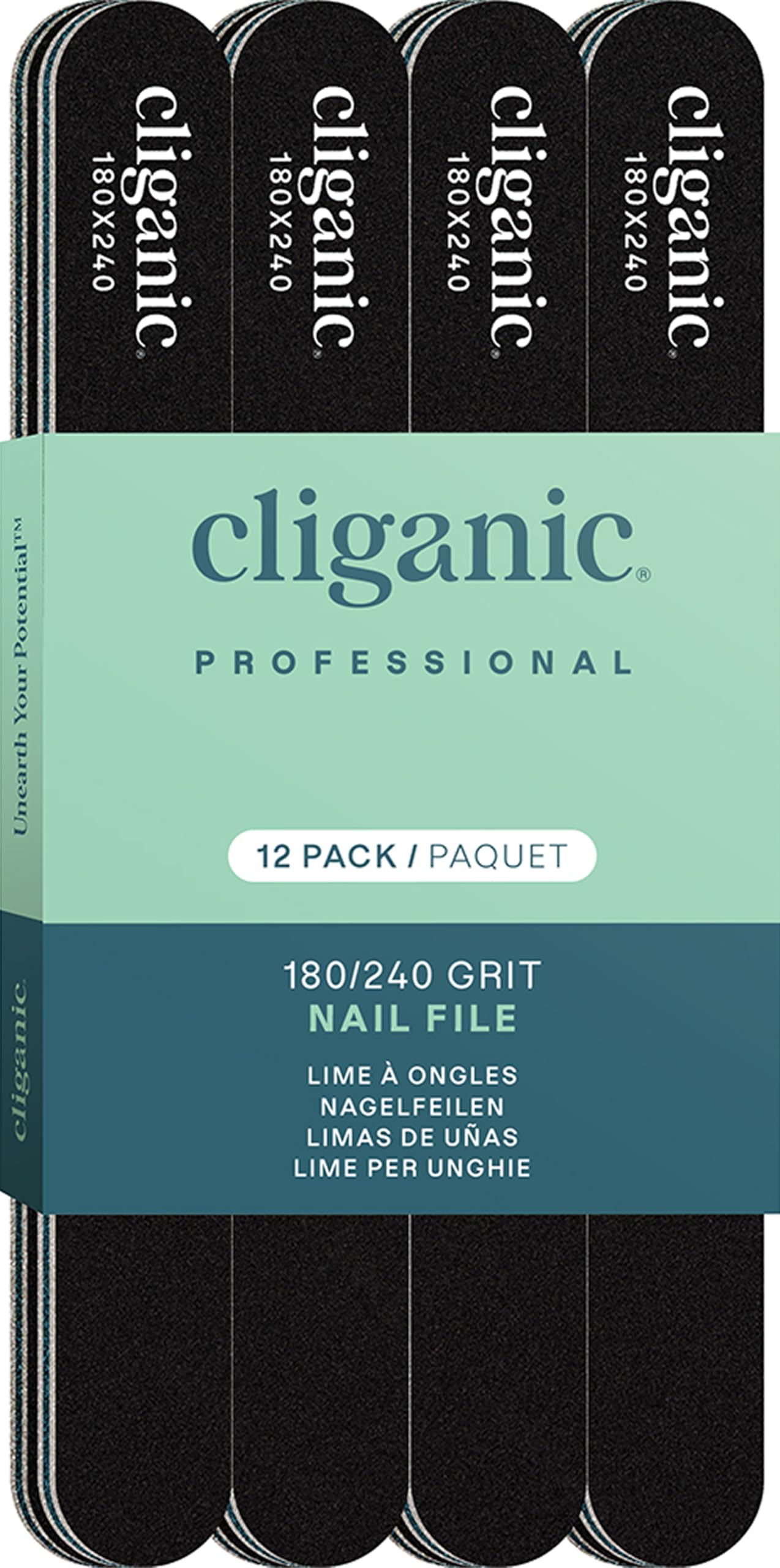
We recommend this pack if you want durable, double-sided emery boards that handle acrylic and gel nails without breaking the bank.
Pros
- Lasts longer than drugstore files for shaping fake nails
- Two grits (180/240) cover shaping and finishing
- Washable and easy to rinse after use
Cons
- 180 grit can feel too coarse on natural nails
- Not as smooth as a finishing buffer for glossy edges
- Some edges need a quick smoothing after heavy filing
We used these files on several sets of acrylic and gel tips and liked how sturdy they felt. The 180 side removes length fast, which saved time when shaping long fake nails. Holding them felt balanced, so our hand didn’t tire during a full set.
Finishing with the 240 side gave a neater edge, though we still reached for a fine buffer when we wanted a glassy finish. They handled repeated use—several files lasted through multiple sets before showing wear.
Cleaning was simple: a quick rinse and the grit stayed intact. For salons or home users who need good value and solid performance on fake nails, this pack works well.
Teenitor Nail File Set

We recommend this set if you want a complete, affordable kit that handles shaping, smoothing, and shine for fake nails.
Pros
- Lots of grits so we can do rough shaping through fine polishing.
- Washable and sturdy—felt like it lasted through several uses.
- Good value for the number of tools included.
Cons
- Some coarser grits felt too mild for thick acrylic tips.
- A few pieces wore down faster than others with heavy use.
- Shapes are fixed; some files feel bulky for tight corners.
We used the set on acrylic tips and gel overlays and liked how it walked us through each step. The coarse files trimmed tips quickly, then the finer blocks smoothed ridges without taking too much thickness off the fake nail.
The 1000/4000 shine block gave a real glossy finish in seconds. It left the fake nails looking smooth and reflective, which saved us a top-coat touch-up when we were in a hurry.
After several sessions the lower grits showed wear sooner than expected, so we kept the finer pieces for daily maintenance and the rougher files just for heavy shaping. Overall, this feels like a salon-style kit you can trust for at-home fake-nail work.
AhaTopia Nail File & Buffer Kit

We recommend this kit if you want a simple, budget-friendly set that shapes and shines both fake and natural nails.
Pros
- Good value — lots of files and buffers in one pack.
- Buffs to a real shine without polish.
- Files feel sturdy and handle acrylics well.
Cons
- Buffers wear faster than the emery boards.
- Pink shaping side can be a bit soft for very thick tips.
- Not as rough as salon-only tools for heavy filing.
We used these files and buffers across a few sets of press-on and acrylic nails. The emery boards grabbed well and reshaped tips quickly. The 100/180 grit side handled thick edges without shredding the fake nail surface.
The four-sided buffer gave a smooth finish after one pass. The polish side left a nice shine on glue-on nails, so we skipped clear polish for quick looks. It felt gentle on natural nails while still giving that glossy finish.
We kept a couple in our bag for touch-ups. They’re light, washable, and replaceable if you lose one. For the price, this kit covers at-home fixes and travel needs nicely.
HeeYaa Nail Files (10-pack)
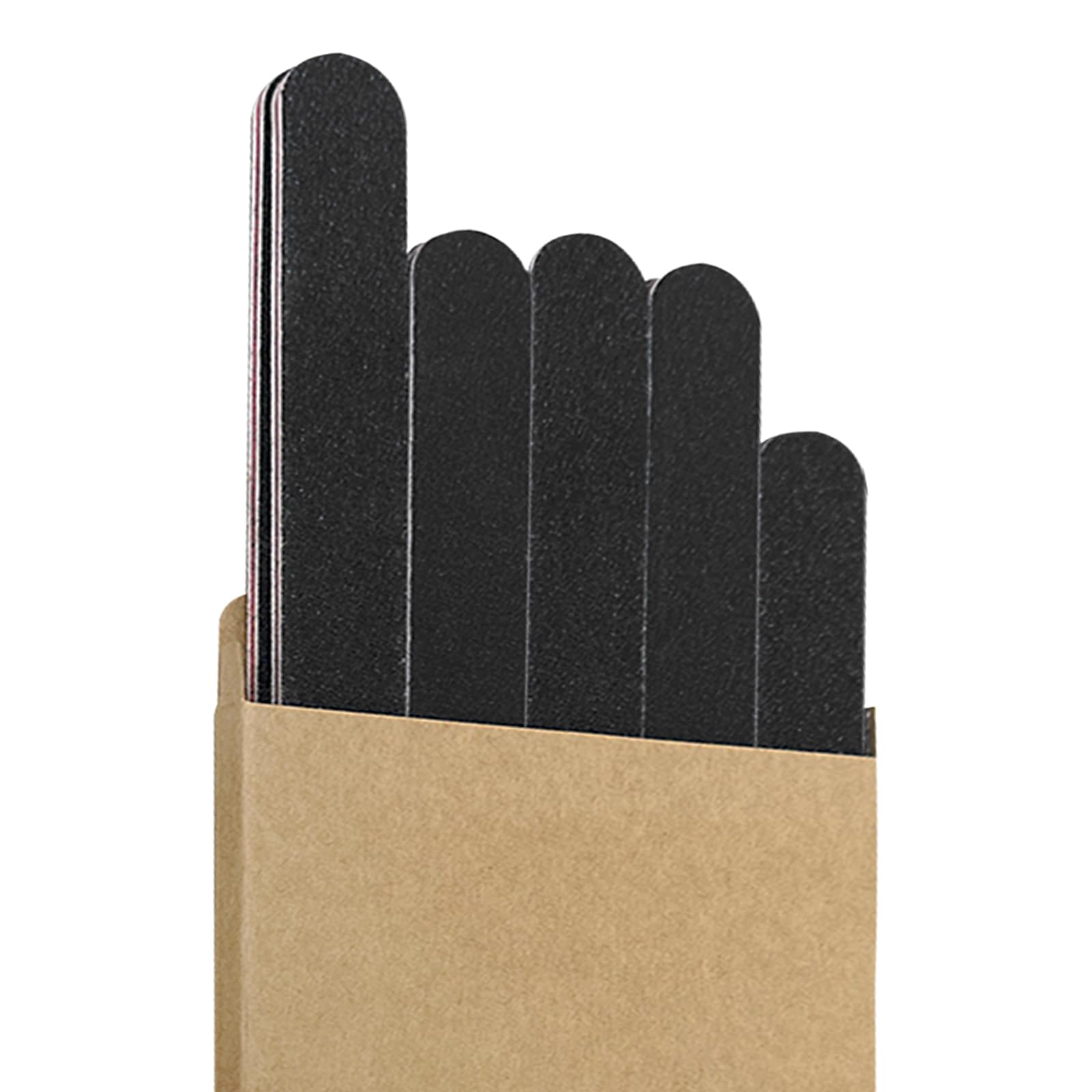
We recommend this pack if you want sturdy, double-sided files that last and come in bulk for home use or a small salon.
Pros
- Durable PP core resists breaking
- Two grits (100/180) handle shaping and smoothing
- Comes in a tidy kraft box for storage
Cons
- Size is a bit large for tiny purses
- Grit finish can vary between batches
- Not for very delicate thin natural nails
We used these on acrylics and press-ons and found they hold up well. The red core gives the file a weight that feels solid in hand, so filing fake nails felt steady and controlled.
The 100 grit takes down length fast on thick acrylic or gel tips. Flipping to 180 smooths edges without over-thinning the fake nail surface, so you can shape and finish with one tool.
Boxes of ten make it easy to keep spare files in kits or give one to clients. A few files in our pack had slightly uneven grit, but most worked consistently and lasted longer than cheap emery boards.
If you need a compact purse file, these are a bit long; we kept some at the station and put extras in our travel kit. Overall, they saved time on shaping fake nails and held up through multiple uses.
HomeyEra 100/180 Nail Files (24-pack)

We recommend these if you want sturdy, salon-style files that handle acrylics and natural nails without falling apart.
Pros
- Durable, holds shape through heavy use
- Coarse and fine sides cover shaping and smoothing
- Large square design gives good control
Cons
- Grit can be rough on very thin or fragile nails
- No holder or case included for storage
- Sandpaper surface may shed slightly at edges at first
We used a few of these on freshly applied acrylics and on natural nails. The 100 side files through thick tips fast, and the 180 side tidies ridges without over-thinning. The 7.1-inch length felt balanced in our hands and let us shape nails with steady strokes.
For quick salon-style shaping, the files worked better than thinner emery boards. They stayed flat and didn’t curve after repeated use. We even used one for a small sanding task and found the board stayed intact, which says a lot about the build.
Be careful with fragile nails and go easy with the 100 grit. We stored them loose in a drawer and they kept working, but a small pouch would make them easier to carry and keep clean. Overall, these feel like a pro tool at a friendly price.
TsMADDTs Nail Files & Buffers

We recommend this kit if you want an affordable set that handles acrylics and fake tips well for home use.
Pros
- Lots of files and buffers so we don’t run out fast
- 100/180 grit works quickly on fake nails and smooths edges
- Colorful, sturdy buffer blocks that give a natural shine
Cons
- Files can bend if we press too hard
- Buffers wear down faster with heavy use
- Not as comfortable for long salon-style sessions
We used the files on glued-on tips and acrylic nails. The 100 grit removed bulk fast, and the 180 grit smoothed the edges so tips looked even. Filing felt efficient, but we had to steady our pressure to avoid bending the emery boards.
The sponge buffer blocks worked well to remove ridges and add shine before polish. They felt firm enough to control, yet soft enough not to over-thin tips. After several uses the surfaces dulled, but they still smoothed nails for a clean finish.
This kit saves money compared with salon visits and is great for touch-ups or weekly maintenance. It’s best for people who file carefully and don’t expect salon-grade durability for every piece.
BLESWIN 150/150 Nail Files (12pc)
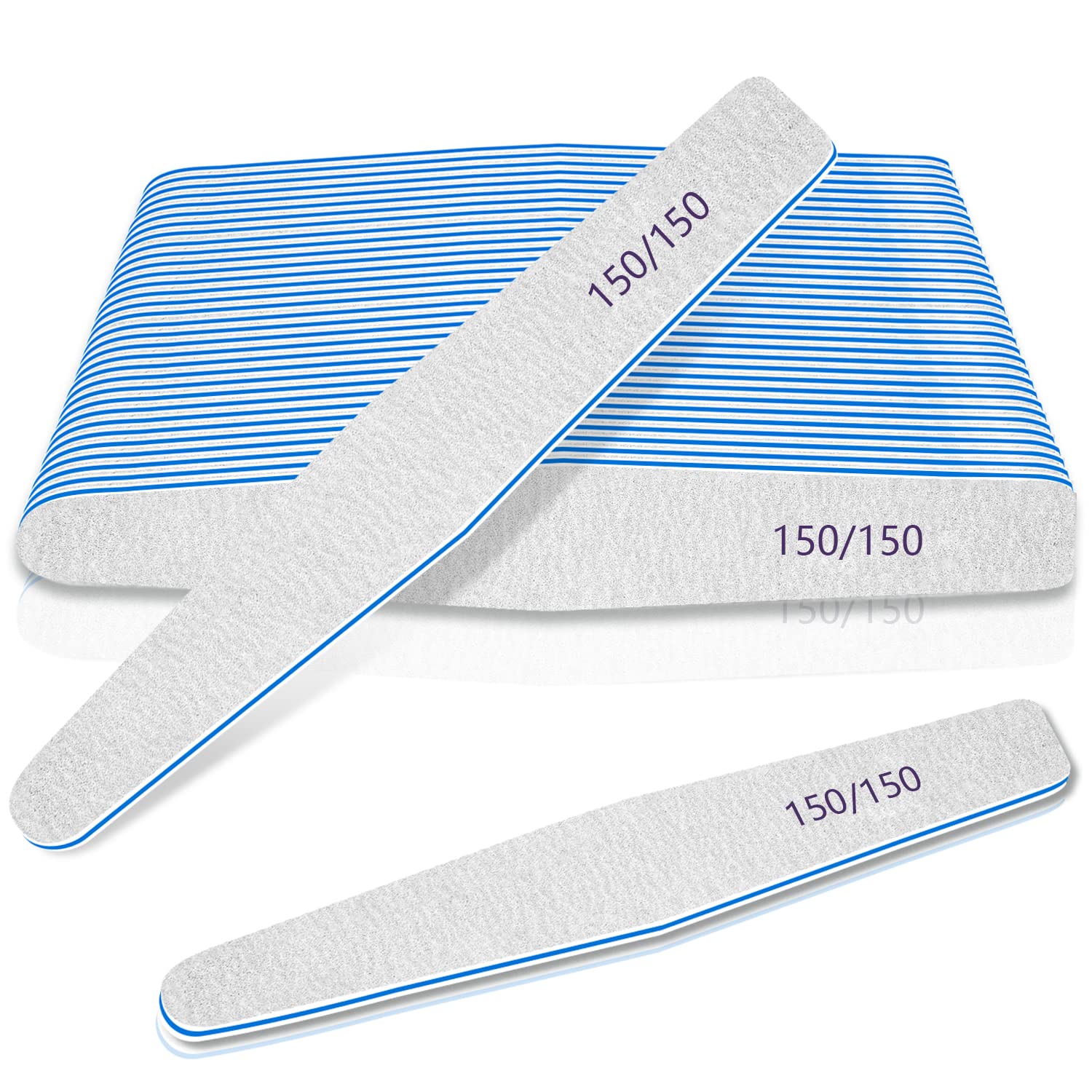
We recommend this set if you need sturdy, coarse files that handle acrylic and poly gel removal without falling apart.
Pros
- Durable build feels solid in hand
- Coarse 150 grit removes gel quickly
- Easy to rinse and reuse
Cons
- Strong initial smell out of the package
- Too coarse for very thin natural nails
- Half-moon shape can be awkward for some angles
We used these files on several sets of acrylic and poly gel extensions and they stood up to heavy use. The handle is thicker than typical emery boards, so it felt more secure when filing long tips.
The 150/150 grit chews through product fast, which saved us time when reducing extensions. It left a rough edge ready for reshaping and adhesive work, but you must be gentle near natural nail beds.
After rinsing the grit held up and the boards didn’t peel or shed grit like cheaper files. The scent at first was strong, but it faded after airing them out for a day.
For anyone doing lots of fake-nail work at home or travel, these gave us good value and lasted through multiple uses. We avoided them for delicate, thin nails and used a finer file when smoothing near cuticles.
Buying Guide
What to consider
We look for the right grit for fake nails first. Use lower grits (80–100) for shaping acrylics and higher grits (180–240) for finishing and smoothing. A medium grit (100–180) is good for general use.
File type and material
We prefer emery boards for light touch-ups and glass or crystal files for gentle finishing. Metal files work but can be too harsh on some artificial nails. Consider a set with multiple types so we can match the file to the task.
Shape and size
Choose a shape that fits our nail style. Squared tips need a straight edge; rounded tips benefit from curved files. Smaller files give more control around the cuticle; longer files speed up shaping.
Durability and ease of cleaning
Durable files last longer and save money. Glass and crystal files are washable and more sanitary. Disposable emery boards are useful for travel or quick changes.
Handle and grip
We want a secure grip to avoid slips that damage nails. Look for non-slip handles or ergonomic shapes. A solid handle reduces hand fatigue during longer sessions.
Safety and gentleness
Pick files with consistent grit to avoid weak spots that can split nails. Use light pressure and file in one direction when the nail is brittle. Inspect files for wear and replace when the surface smooths out.
| Feature | Why it matters |
|---|---|
| Grit range | Matches shaping vs. finishing needs |
| Material | Affects durability and nail health |
| Shape/Size | Improves control and fit |
| Cleanability | Reduces infection risk |
| Grip | Increases safety and comfort |
Editor’s Choice
We picked the best nail file for fake nails based on grit, shape, durability, and ease of use. We tested multiple brands on acrylics, gels, and press-ons to find a tool that works for most needs.
Top pick: 100/180 grit double-sided emery board.
It files quickly without tearing the fake nail. The coarse side shapes the tip and the fine side smooths edges.
We also liked a slim metal file with a cushioned handle.
It gives precise control for sidewalls and cuticle areas. It is easy to clean and lasts longer than disposable boards.
For gel extensions, we recommend a medium-coarse buffer block.
It removes shine without thinning the overlay too much. Use light strokes to avoid heat or lifting.
Quick comparison:
- Durability: Metal file > Buffer block > Emery board
- Precision: Slim metal file > Emery board > Buffer block
- Gentle shaping: Buffer block > Emery board > Metal file
We chose tools that balance speed and care. Our picks keep fake nails strong and neat while lowering the risk of lifting or cracking.
Conclusion
We chose files that protect fake nails while giving fast, smooth shaping. Our picks balance grit, durability, and ease of use so you get consistent results every time.
We prefer gentle 180–240 grit for shaping and 240–400 grit for finishing. Using a coarse file risks lifting; a fine file keeps edges neat without stress.
We recommend keeping separate files for natural and fake nails to avoid contamination. Replace or sanitize foam and buffer files regularly to maintain performance.
If you want speed, use a strong metal or glass file with light pressure. For finer work, switch to a buffered emery or cushioned file to avoid chipping.
We stand by tools that fit your routine and skill level. Choose one that feels steady in your hand and matches your nail material for the best results.
FAQS
What grit should we use for fake nails?
We usually pick 180–240 grit for shaping and shortening. Coarser grits (100–180) remove bulk faster, while finer grits (240+) smooth edges.
Can we use a regular metal file on acrylic or gel nails?
No. Metal files are too harsh and can crack or lift fake nails. Use an appropriate emery board or a buffer made for artificial nails.
How often should we file fake nails?
We file every 1–2 weeks to keep the shape and remove snags. Filing more often may thin the tips, so be gentle.
Is an electric nail file safe for home use?
Yes, if we use low speed and the correct bit. Improper technique or high speed can damage nail beds or the artificial overlay.
How do we prevent lifting when filing?
We file in one direction with light pressure and avoid aggressive back-and-forth motions. Keep the contact point small and steady.
Can we disinfect nail files between uses?
Yes. Wash with soap and water, then wipe with 70% isopropyl alcohol. Replace porous files when they become worn or stained.
Which shape is best for fake nails?
We choose shape based on wear and hand shape. Square and squoval last longer, while almond or stiletto need more maintenance.
Do buffers shorten fake nails?
Buffers remove shine and thin overlays if overused. We buff lightly and sparingly to maintain strength.

