
Best Nail Files for Healthy Nails: Expert Picks for Gentle, Long-Lasting Care

Nail files help shape and smooth nails so they grow stronger and look healthier. They come in many types — emery boards, glass files, metal files, and buffers — and each type changes the nail edge in a different way. We use files to remove rough edges, prevent splits, and even out the nail surface before polish.
Choosing the right file matters more than you might think. The grit, material, and how you file (one direction vs. sawing back and forth) are the biggest factors that affect nail health. We tested a range of files to find ones that shape nails cleanly while minimizing splitting and thinning, and we’ll explain which works best for different nail types and routines.
Best Nail Files for Healthy Nails
Below is our full list of the best nail files that help keep nails strong and smooth. We selected options that are gentle, durable, and easy to use so you can maintain healthy nails at home.
Teenitor Nail File & Buffer Set

We recommend this set if you want a full, affordable at-home nail routine with files and buffers that feel durable and work for natural and gel nails.
Pros
- Wide grit range covers shaping, smoothing, and shine.
- Feels sturdy and washable for repeated use.
- Good value for the number of tools included.
Cons
- Coarser grits can feel too rough for fragile nails.
- Some lower-grit pieces seem less effective.
- Shape may be bulky for precise cuticle work.
We used the Teenitor set across a few nail sessions and liked how the set guides a step-by-step routine. The coarse files quickly shape acrylics and gels, while the finer grits leave a smooth edge on natural nails.
The buffers did a solid job evening ridges and creating a quick shine with the 1000/4000 sides. The shine lasted several days on our natural nails, though it’s not a substitute for a proper top coat.
Handling felt good — the emery and EVA construction is firm and easy to grip. Cleaning was simple: a quick rinse with soap removed dust and kept the pieces usable between clients or family members.
We noticed a couple of pieces that seemed less useful for our natural nails, so we skipped those during some sessions. Still, the range makes the kit flexible for different nail types and keeps the set worth the price.
Overall, this feels like a practical, salon-style starter kit for anyone who trims, smooths, and polishes nails at home.
Bona Fide Glass File (Pastel)
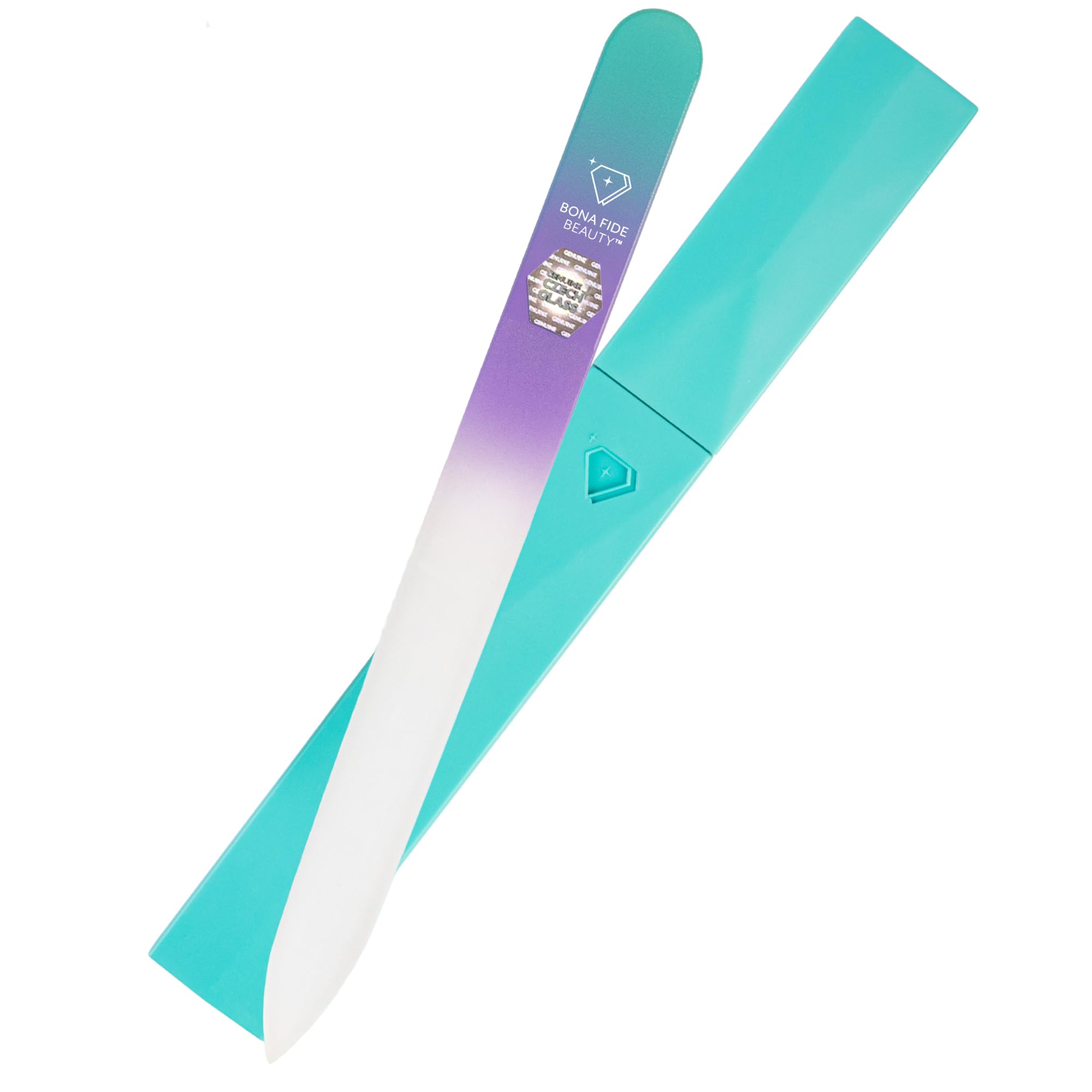
We recommend this file if you want a gentle, long-lasting tool that helps reduce splits and gives smooth nail edges.
Pros
- Feels smooth and gentle on natural nails.
- Durable grit that doesn’t wear off.
- Comes with a protective hard case for travel.
Cons
- Fragile if dropped on hard surfaces.
- Slower shaping than coarse files for very thick nails.
- Small size can feel short for larger hands.
We tried this Czech glass file on our own nails and liked how it glides without snagging. Light pressure sealed the edges and left a smooth finish that lasted longer than emery boards.
The pastel finish looks nice and the tempered glass feels solid in hand, though we handled it carefully. Filing in both directions worked well and cut down on filing time without rough layers.
Cleaning the file was easy; warm water and a quick scrub restored the surface. The included hard case keeps it safe in a bag, but we still avoid tossing it into crowded purses.
Overall, this file felt salon-level at home and helped our nails look healthier after a few uses.
Cliganic Nail File 12-Pack
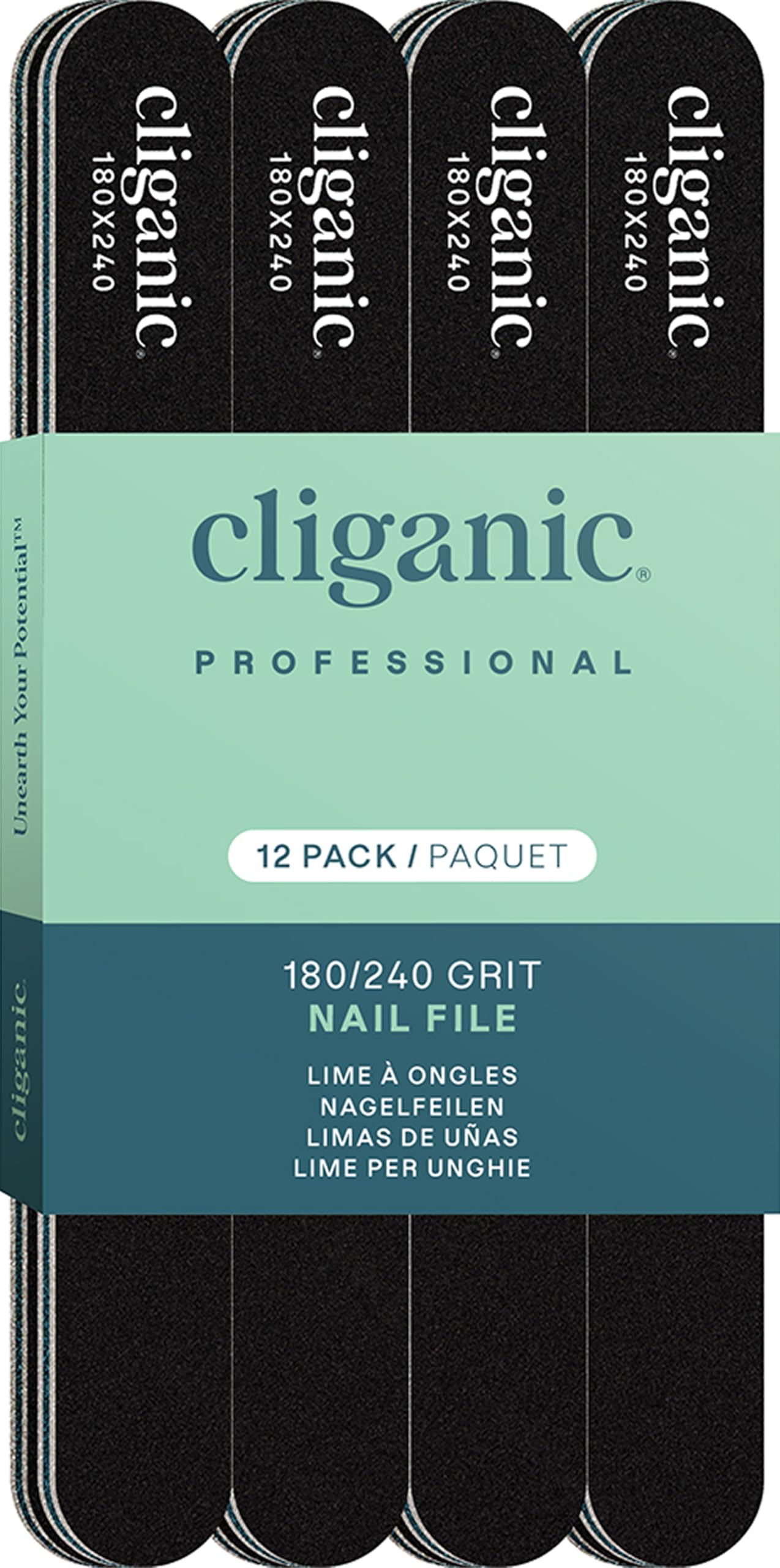
We recommend this set if you want a simple, durable emery board that handles natural and acrylic nails without costing much.
Pros
- Two grits on one file for shaping and finishing.
- Sturdy feel and lasts longer than drugstore boards.
- Washable surface cleans easily after use.
Cons
- Medium grit can feel too rough on fragile natural nails.
- Boards are thin; they bend if pressed hard.
- Finish sometimes needs a softer buffer for smooth edges.
We used a few of these for both our natural nails and acrylic tips. The 180 side quickly takes length down while the 240 side smooths the edge. Filing felt controlled and predictable, not scratchy.
Cleaning was easy—soap and water removed dust without damaging the grit. They held up over multiple uses, so the 12-pack felt like good value for regular at-home maintenance.
For very soft or split nails we finished with a gentler buffer after using these. Overall, they perform like a solid emery board set for everyday nail care and salon-style touch-ups.
AhaTopia Nail File & Buffer Set

We recommend this set if you want an affordable, travel-ready kit that shapes and buffs natural or artificial nails well.
Pros
- Good value with many files and two 4-way buffers.
- Buffers give an easy, natural shine without polish.
- Files are reusable and washable for home use.
Cons
- Buffer sides can feel a bit gentle for heavy ridges.
- Files are basic—not salon-grade for long-term pro use.
- Some may want a rougher grit on the buffers.
We used this kit at home and liked how complete it felt. The ten emery boards handle shaping for both acrylics and natural nails. They grab the nail without tearing and wash up easily after use.
The 4-way blocks surprised us with their polish power. One gentle pass left a glossy finish that lasted several days. We did notice the buff that smooths deep ridges could be a touch firmer.
Packing and travel were simple thanks to the slim design. We tossed a few files in a small pouch for a weekend trip and still had backup pieces. For anyone wanting a solid, low-cost kit to keep nails neat and shiny, this set does the job.
HomeyEra 100/180 Nail Files (12-Pack)

We recommend this pack if you want sturdy, reusable emery boards that handle both shaping and smoothing.
Pros
- Durable feel that lasts through several uses
- Dual 100/180 grit covers shaping and finishing
- Long, square shape gives good control
Cons
- Coarse side can be aggressive on very thin nails
- Bulk pack may be more than casual users need
- Not cushioned like foam buffers
We used these files straight away and liked the weight and grip. The 7.1-inch length made it easy to hold steady while shaping, and the square edge helped get clean corners on short nails.
The rough 100-grit side cuts through acrylic or thick toenails fast. We moved to the 180 side to smooth edges and remove ridges. It did a good job without shredding the nail surface when we used light pressure.
Cleaning felt simple since the files are washable. On thin natural nails we used gentler strokes to avoid over-filing. For home use or stocking a small salon, these give reliable, professional-feeling results.
Treamlyn 10-Pack Nail Files

We recommend this if you want a sturdy, cheap pack of dual-grit files for home or salon use.
Pros
- Sturdy feel that resists bending.
- Useful 100/180 double grit for shaping then smoothing.
- Ten pieces give good value for frequent use.
Cons
- Grit wears down faster with heavy acrylic use.
- Not as long-lasting as metal or glass files.
- Sandpaper edges can shed grit after heavy use.
We used these files on both natural nails and acrylics. The 100‑grit side removes length and bulk quickly, which saved time when reshaping tips. Switching to 180 grit gave a smooth edge ready for polish.
The boards felt solid in our hands and did not flop while filing. They are light and easy to control for both finger and toenail work. Ten in a pack means we could keep spares in different kits or share with friends.
After repeated heavy use on hard acrylics the coarse side dulled faster than we expected. For regular salon clients who need long-lasting tools, a glass or metal file might be better. For most at-home users, these hit a good balance of price and performance.
Buy Treamlyn 10-Pack Nail Files
HeeYaa 10 Pack Nail File
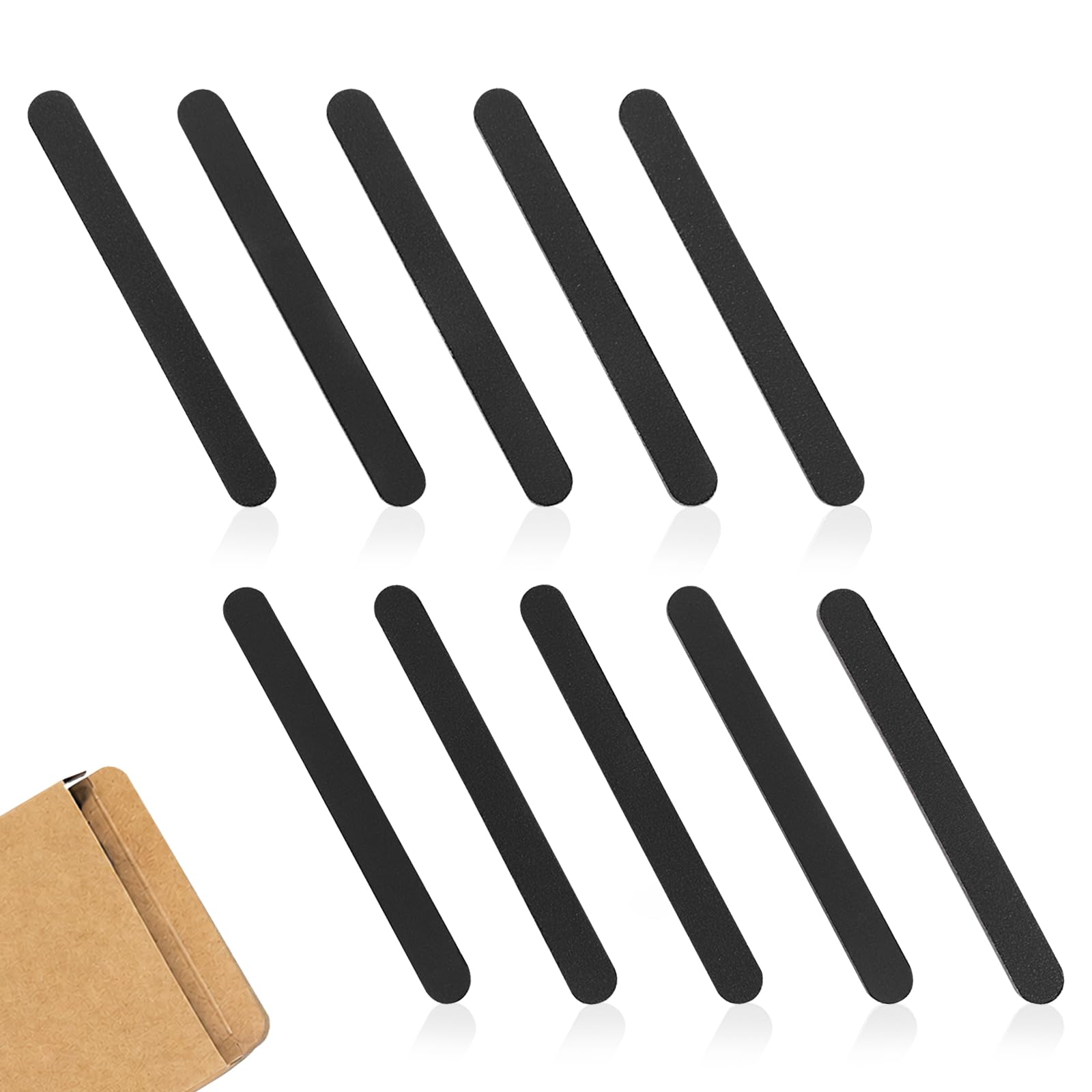
We recommend these if you want strong, reusable emery files at a low price for home or salon use.
Pros
- Durable red PP core holds up to repeated use.
- Double-sided 100/180 grit covers shaping and smoothing.
- Comes in a neat kraft box and includes ten files.
Cons
- Files are a bit long for small purses.
- Coarse side can feel rough if used too aggressively.
- Quality can vary between packs.
We used these files for several at-home mani sessions and liked how solid they felt in hand. The grip stayed comfortable and the grit stayed consistent across multiple nails.
Shaping toenails and thick nails went faster on the 100 grit side, while the 180 grit smoothed edges nicely without shredding. The files didn’t bend or break like thinner boards we’ve tried.
Boxed packaging keeps extras tidy and makes the set easy to store or gift. If you need a portable, pocket-sized option, these are a bit long, but for home and salon work they’re a reliable, good-value pick.
3 Swords Sapphire Nail File Set

We recommend this set if you want long-lasting, German-made files that shape and finish nails without shredding.
Pros
- Lasts for years with regular use
- Dual grit handles both shaping and smoothing
- Comfortable grip and sturdy build
Cons
- Slightly pricier than disposable emery boards
- Metal surface can feel abrasive at first
- Buffer included is basic compared to dedicated buffers
We used these files for a few weeks and liked how quickly they shaped edges. The coarse side removes length fast, while the fine side smooths without splitting. It felt solid in our hand and did not bend under pressure.
The sapphire coating stays rough longer than paper files we’ve tried. A few of us noticed it takes a little patience at first to find the right angle, but once we did, cuts and snags stopped. The black grip made holding the file easier during longer sessions.
The small three-way buffer works for quick finishing but won’t replace a full buffer if you want high shine. Overall, the set feels built to last and saved us money compared with replacing flimsy files every month.
Bona Fide Beauty Glass Nail Files — Serenity 5‑Pack
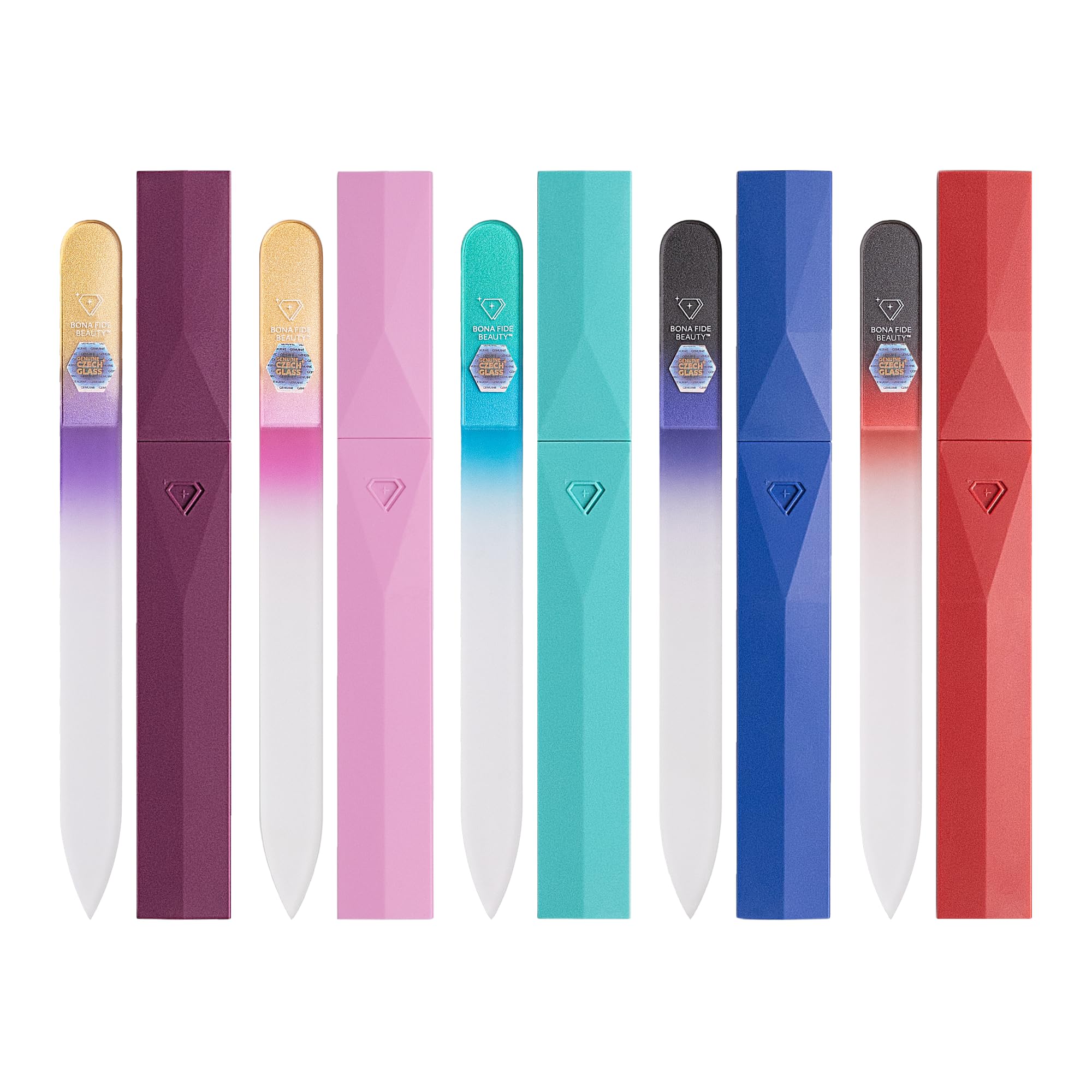
We recommend this set if you want a gentle, long‑lasting way to shape nails that cuts snags and seals edges without metal file damage.
Pros
- Smooth, gentle filing that leaves no jagged edges.
- Reusable and easy to clean — feels like it lasts a long time.
- Comes with individual hard cases for travel and storage.
Cons
- Glass can break if dropped or handled roughly.
- Cases feel a bit cheap compared to the files.
- Takes care when filing thicker nails to avoid chipping.
We used these Czech glass files on our own nails and noticed the edges felt smooth after just a few strokes. Filing in either direction felt natural and didn’t produce that harsh scraping you get from metal files.
We liked how lightweight each file is and how the grit stays consistent after rinsing. The protective cases made it easy to carry one in a purse, though a couple of cases looked flimsier than the files themselves.
We did handle one file with extra care after a small chip appeared when dropped. Overall, the set felt professional, lasted through many uses, and gave nails a cleaner, healthier finish than disposable emery boards.
Revlon Emeryl File
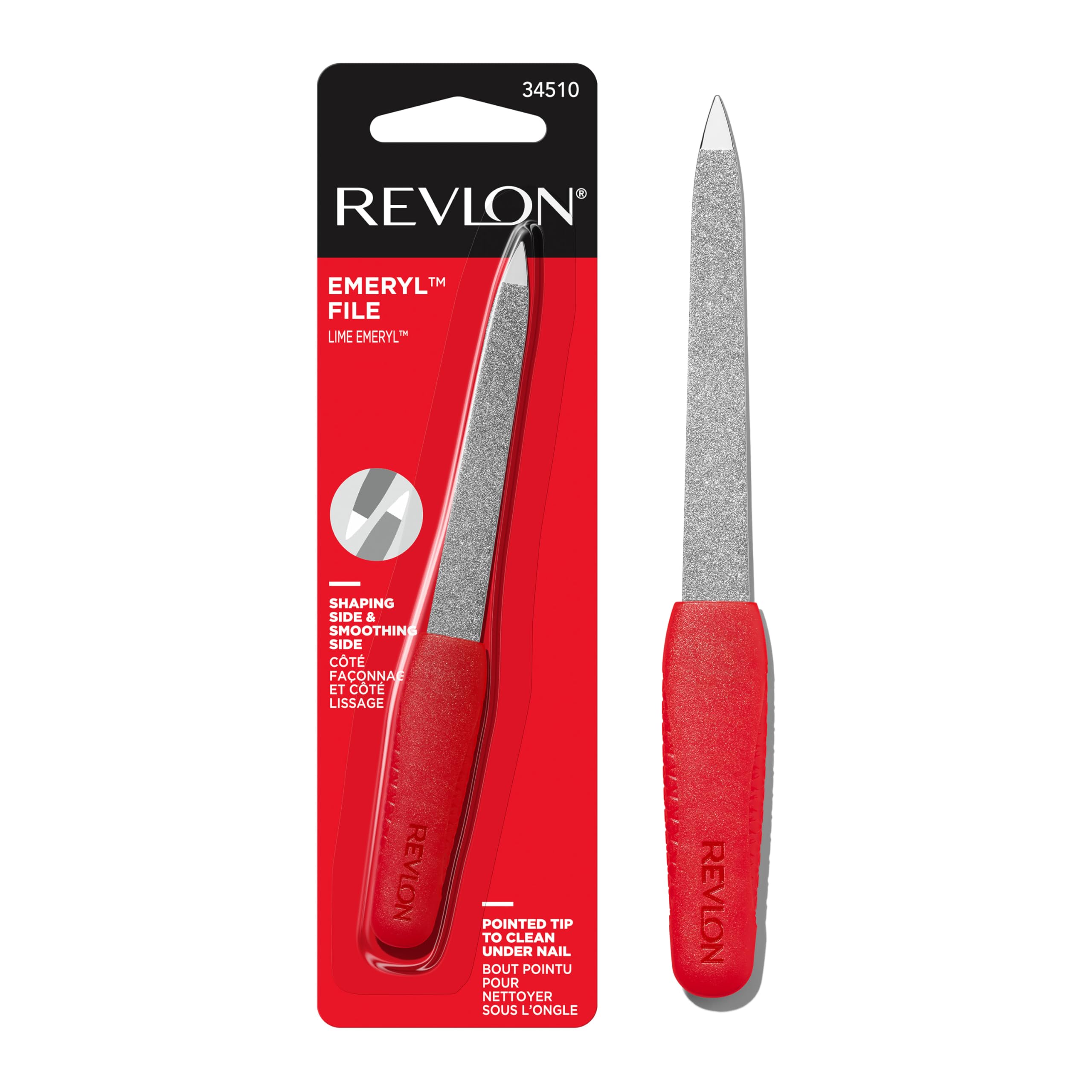
We recommend this file when you want a tough, no-fuss tool that shapes and smooths nails without wearing out quickly.
Pros
- Durable metal lasts far longer than cardboard files
- Double-sided design lets us shape and then smooth with one tool
- Pointed tip cleans under nails and helps with detail work
Cons
- Metal grit is fine but can feel aggressive if used too roughly
- Heavier than disposable emery boards for travel
- Not cushioned — can scratch a soft nail edge if over-filed
We used this Revlon file for weekly nail maintenance and liked the solid feel right away. The easy-grip handle gives us good control, so precise shaping takes less effort than with flimsy boards.
Filing with the shaping side removes length fast without shredding the nail layers. The smoothing side leaves a clean edge that resists splitting better than cheap disposable files we tried.
The pointed tip was handy for clearing debris and tidying around the cuticle. It’s a simple tool that performs consistently, but we took care to file gently to avoid thinning nails.
Buying Guide
We look for nail files that protect nail health while shaping efficiently. Focus on grit, material, and handle design to get the best results for your nail type.
We prefer finer grits for natural nails and coarser grits for artificial nails. Aim for a grit range: 180–240 for natural nails and 80–150 for artificial enhancements.
We check material next. Glass, crystal, ceramic, and emery boards each wear differently and affect nail edges. Glass files tend to be gentle and long-lasting, while emery boards are inexpensive and replaceable.
We inspect file shape and handle comfort. A straight, curved, or paddle shape can change control and access to nail corners. Look for a non-slip grip and balanced weight so filing feels steady.
We evaluate durability and maintenance. Reusable files that clean easily save money and lower infection risk. Check whether the file is washable or needs replacement after wear.
We consider safety and finish. A smooth, sealed edge reduces splitting. Files that leave a slightly rounded tip help prevent peeling and snagging.
We weigh cost versus lifespan. Higher upfront cost can be worth it if the file lasts and keeps nails healthy. Budget options work if we replace them often.
We read labels for intended use and grit info. Match the file to our nail type and filing technique to get predictable, healthy results.
Editor’s Choice
We picked one nail file that balances gentleness and effectiveness for most people. It files quickly without causing splits or rough edges, and it lasts longer than cheap emery boards.
We like a dual-grit glass file because it smooths and seals the nail edge. The fine side polishes, while the coarse side shapes—so one tool covers both steps.
Features we value:
- Material: Tempered glass resists wear and is easy to sanitize.
- Grit: 180/240 equivalent works well for natural nails.
- Design: A slim, ergonomic shape offers control when filing.
We tested for breakage, smudging, and how the nail felt afterward. The chosen file kept nail layers intact and left a clean, slightly glossy edge that reduced splitting.
Care is simple: rinse, dry, and store in a case to protect the surface. A glass file costs more upfront, but it stays usable far longer than disposable files.
We recommend replacing only if the surface chips or feels uneven. That keeps nails healthy while avoiding unnecessary waste.
Conclusion
We picked files that protect nail health and make maintenance easier. Choosing the right grit and material helps prevent splits and thinning. We recommend gentle, single-direction filing for natural nails.
We prefer glass or ceramic files for smooth edges and long life. Emery boards work well for most people and are inexpensive. Buffer blocks help finish and add shine without harsh scraping.
Use a consistent routine. File nails when dry, and stop at the natural shape that fits your fingers. Replace disposable files regularly to avoid bacteria and wear.
Here are quick tips to remember:
- Grit: 240–400 for natural nails; lower grit for acrylics.
- Motion: File in one direction, not back and forth.
- Care: Clean glass files and sanitize emery boards when needed.
We encourage testing one or two types to see what fits your nails and habits. Small changes in technique and tools make nails stronger and more attractive over time.
FAQS
Q: How often should we file our nails?
We recommend filing every 1–2 weeks for regular maintenance. If nails chip or split, file sooner to prevent further damage.
Q: Which grit should we use for natural nails?
Use 180–240 grit for shaping natural nails and 240–400 grit for smoothing. Coarse grits (below 180) can weaken nails and should be avoided.
Q: How do we file without causing splits?
File in one direction with light, even strokes. Avoid sawing back and forth and don’t press hard.
Q: Can we use glass files on wet nails?
Yes. Glass files are gentle and safe on wet or dry nails, and they last a long time. Clean them after use to prevent bacteria buildup.
Q: Are metal files safe?
Metal files are best for artificial nails, not natural ones. They can be too abrasive and may thin natural nails over time.
Q: How do we care for files between uses?
Rinse or brush off debris and let tools air dry. For glass and stainless files, sanitize with rubbing alcohol occasionally.
Q: Do different nail shapes need different files?
Yes. Round and oval shapes work well with finer grits, while square edges may need a slightly firmer file to keep crisp lines. Match the file to the look we want.
Q: When should we replace a file?
Replace files when they lose grit, bend, or show rust. A worn file can tear the nail instead of smoothing it.

