
Best Nail Files for Real Nails: Top Picks and Expert Buying Guide

Nail files are basic tools for keeping real nails healthy and shaped. They come in many types—glass, emery, metal, and buffer blocks—and each works differently on natural nails. We look for files that smooth without causing splits, remove length cleanly, and last through repeated use.
The most important things to check when buying a file are the grit, the material, and the shape for your nail type and technique. Coarse grits remove length fast but can chip natural nails; finer grits shape and finish without damage. We tested a range of files to find ones that protect natural nails while still shaping them efficiently, so readers can pick a file that fits their nail strength and filing style.
Best Nail Files for Real Nails
Below is our full list of the best nail files for real nails. We chose durable, gentle files that shape natural nails without thinning them. Use our picks to keep nails healthy, smooth, and strong.
3 Swords Germany Sapphire Nail Files & Buffer

We recommend this set if you want a long-lasting metal file that shapes and finishes real nails without tearing.
Pros
- Lasts a long time and keeps grit after many uses
- Dual-sided grit lets us shape then smooth without switching tools
- Comfortable grip and sturdy feel while filing
Cons
- Metal file can feel aggressive if you press too hard
- Slightly heavier than emery boards in a pocket
- Buffer included is small and basic
We used these files for several weeks and liked how quickly they took down edges. The coarse side shapes thick nails fast, and the fine side leaves a clean finish. Filing felt controlled because the grip keeps the file steady.
The metal grit never wore down on us, even after repeated use on toes and fingers. It handled tougher nails that paper files struggle with. We did notice the file feels harsh if you overwork one spot, so light strokes work best.
The little three-way buffer does its job for shine touch-ups but isn’t a salon-level buffer. Overall, the set feels well-made and durable. If you want a reliable, no-nonsense tool for natural nails, this German-made set is worth trying.
Cliganic 12-Pack Nail Files
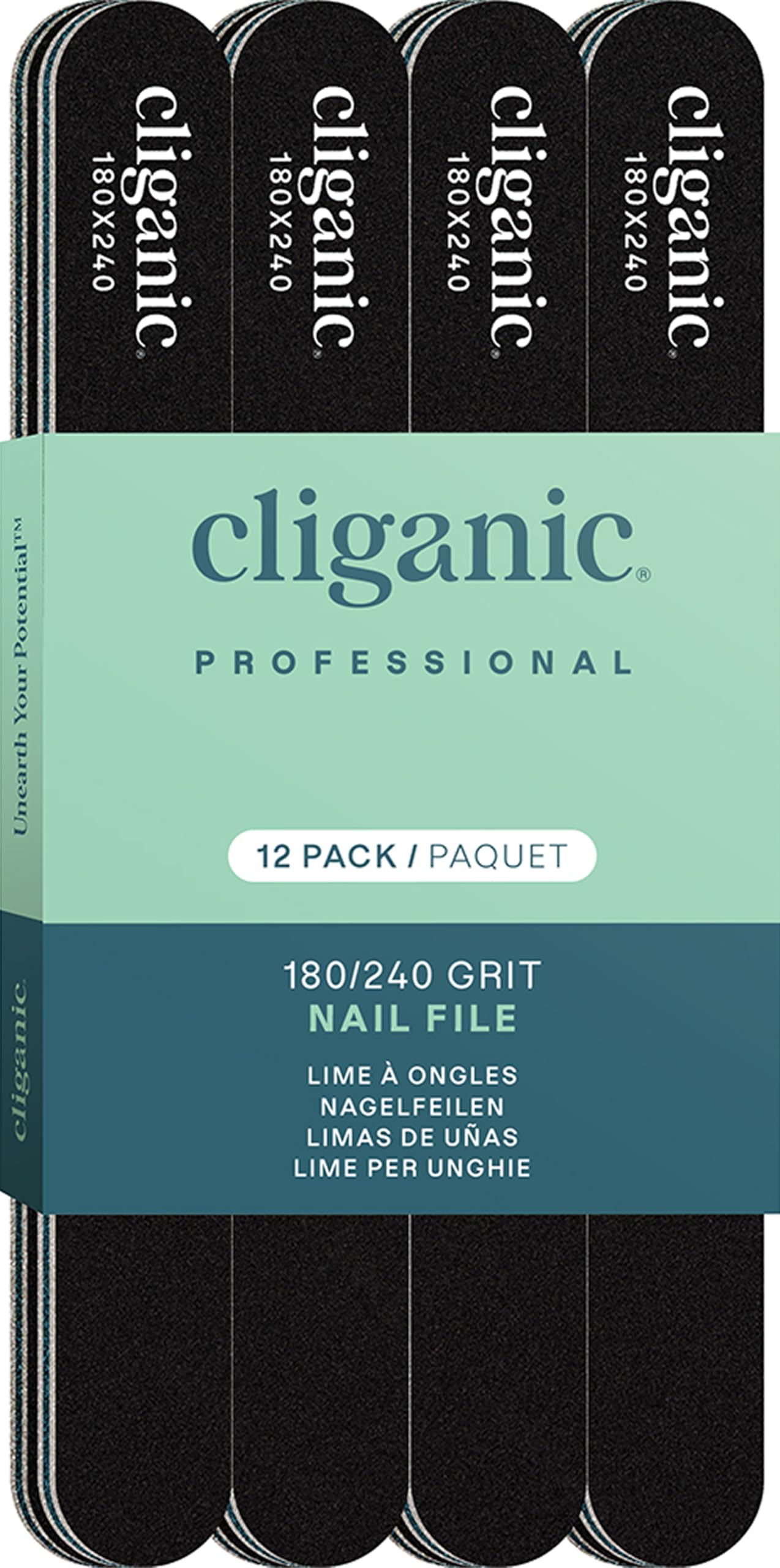
We recommend this set if you want a reliable, budget-friendly emery board that handles real nails and light acrylic work.
Pros
- Good two-sided grit for shaping and smoothing.
- Durable for multiple uses and easy to rinse clean.
- Large 12-pack gives solid value.
Cons
- 180 grit can feel coarse on very soft natural nails.
- Edges may need a light finishing file for a smoother edge.
- Emery boards wear faster than glass or metal files long-term.
We used these for several weeks and found them predictable and sturdy. The double-sided 180/240 grit lets us shape the nail edge with the coarser side, then refine with the finer side without switching tools.
On thicker nails or light acrylics, the 180 side cut through quickly and saved time. For very thin or weak natural nails, we moved more gently because the coarse grit can remove too much if you press hard.
Cleaning proved easy—soap and water removed dust and debris. The pack size means we kept extras in the bag and at the bathroom, which made maintenance simple and kept tools sanitary.
Bona Fide Glass Nail File (Clear)
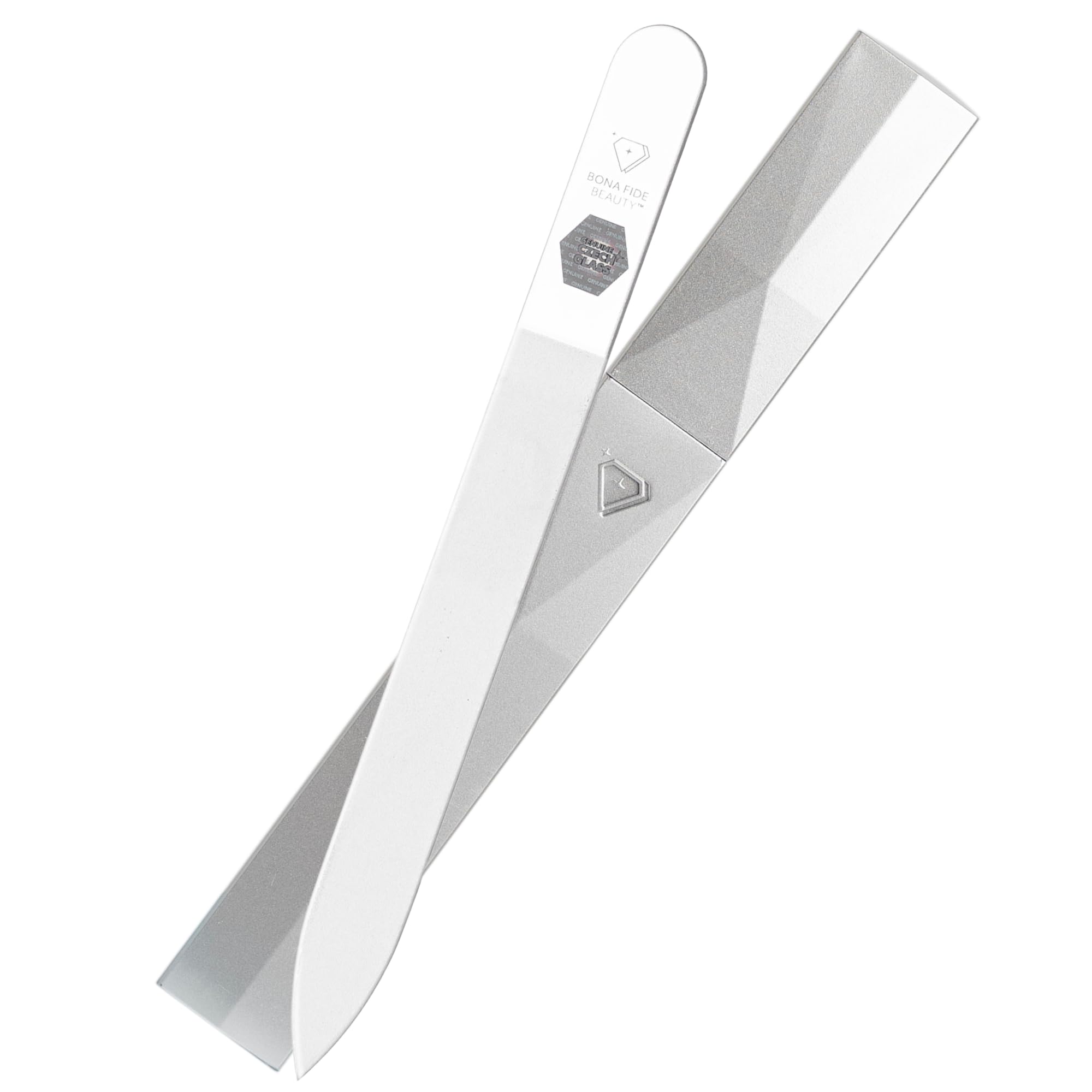
We recommend this file if you want a gentle, long-lasting tool that smooths natural nails without chipping.
Pros
- Feels smooth and precise on natural nails.
- Lasts a long time because the grit is part of the glass.
- Comes with a protective hard case for travel.
Cons
- Can break if dropped or hit against hard surfaces.
- Feels fragile compared with metal files.
- Needs careful cleaning to keep it hygienic.
We used this file for everyday shaping and noticed a very even finish. The glass glides and seals the nail edge so nails felt less prone to peeling. Filing both directions made quick work of shaping without the ragged edges we saw with emery boards.
Handling felt luxe and balanced in our hand, and the small hard case saved it from scratches in our bag. The fine grit keeps nails smooth but means it takes a bit longer to shorten thicker nails than a coarse file would.
After weeks of regular use the edge stayed sharp and our natural nails looked healthier. Treat it with care—drop it once on tile and you might need a replacement—but for routine at-home care this file gave salon-like results.
Teenitor Nail File Set

We recommend this set if you want a full at-home system for shaping, smoothing, and shining natural nails without spending much money.
Pros
- Lots of grit options for every step of a nail routine.
- Feels sturdy and washable compared to cheap emery boards.
- Buffers and shiner give a quick glossy finish.
Cons
- Coarser grits can feel rough if you push too hard.
- Some lower-grit files seemed unnecessary for our natural nails.
- Rhombus shape may not fit every fingertip angle comfortably.
We used this set over a few weeks and liked having several grits on hand. The 150/180 pieces reshape nails fast, and the 240 and higher grits smooth without tearing the edge. Files stayed intact through multiple uses.
Buffing blocks worked well to remove ridges and lightly polish the nail surface. The 1000/4000 piece gave a noticeable shine in seconds, though the mirror finish fades after several days if you use your hands a lot.
We found the set best for people who do full at-home mani steps. Beginners will appreciate the clear progression from shaping to shine, while experienced users will enjoy the grit variety and the affordable replacement pack.
HeeYaa 10 Pack Nail Files
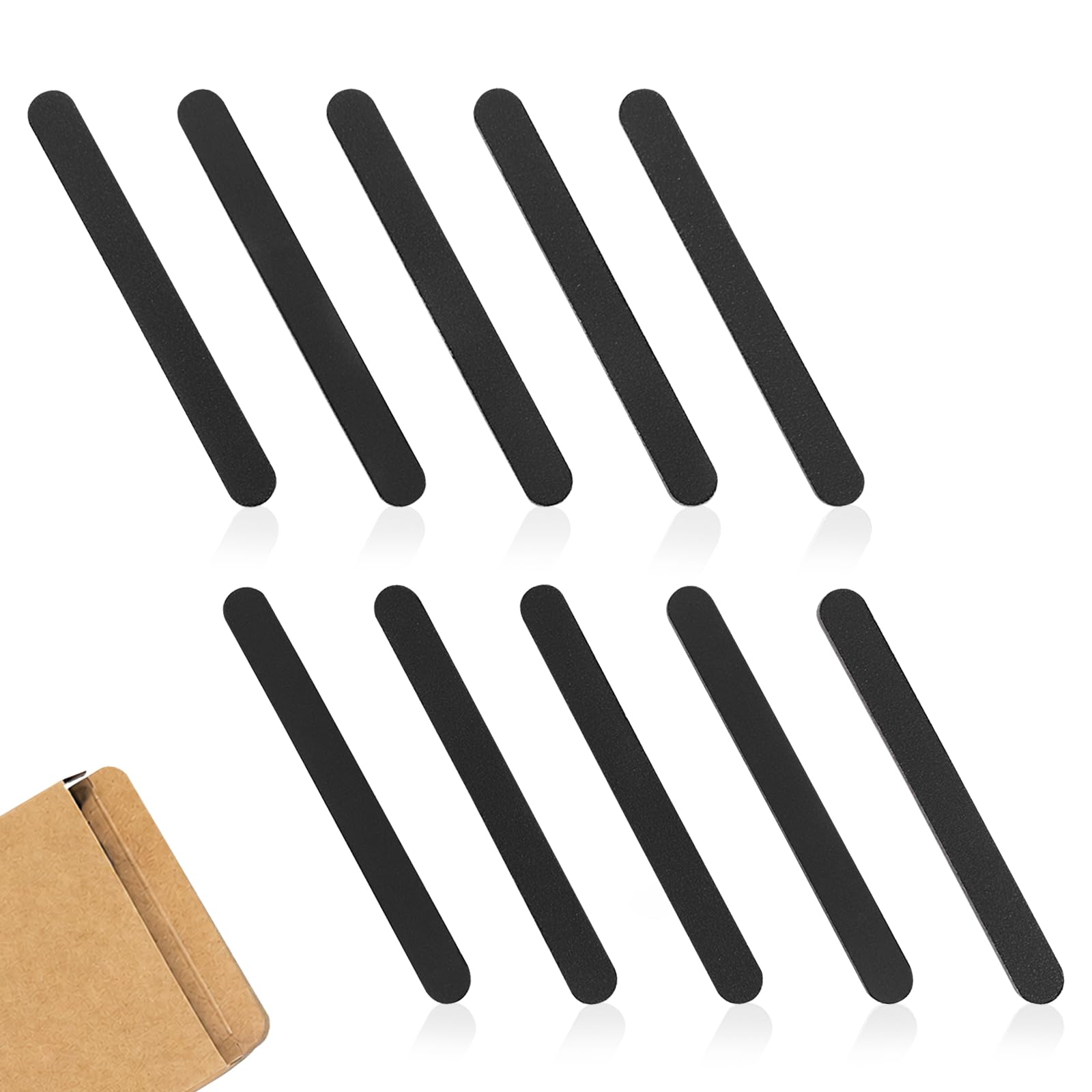
We recommend this set if you want sturdy, reusable emery files that work well for home manicures and last through many uses.
Pros
- Durable PP core that resists breaking
- Double-sided 100/180 grit covers shaping and smoothing
- Comes in a neat kraft box and holds ten files
Cons
- Files are a bit large for tight purses
- Grit consistency can vary between pieces
- One pack may include a defective or uneven surface
We used these files across several weeks and found they hold up far better than cheap emery boards. The red PP core makes them feel solid in hand, and they didn’t bend or flake after repeated use.
Shaping with the coarse 100 grit moved length quickly, while the 180 grit smoothed edges without over-thinning the nail. The rounded tips helped avoid accidental snagging on cuticles.
Storage in the kraft box keeps them tidy and ready for the next session. A few files in our set had slightly uneven grit, so check each piece before use. Overall, they’re a practical buy for home nail care.
AhaTopia Nail File & Buffer Set

We recommend this set if you want a complete, low-cost kit for shaping and shining natural nails at home.
Pros
- Good range of files and a four-side buffer for polish-free shine.
- Durable, washable emery boards that travel well.
- Simple to use; gives quick, visible results.
Cons
- Buffer polish side can feel too gentle for deep ridges.
- Files are basic—don’t replace a professional tool for heavy-duty work.
- Two buffers may wear faster than the ten files with regular use.
We used this kit for several at-home manicures and found it handy and affordable. The emery boards grip well and shape nails fast. They cut through length and rough edges without digging into the nail.
The four-way buffer makes nails look smoother and brighter after one pass. The polish side gives a soft shine that lasts a few days if you avoid harsh chores. For deeper ridges we still prefer a finer salon buffer, but this one does a solid job for everyday use.
This set shines for travel and quick touch-ups. We liked that the pieces are light and easy to pack. If you want a budget-friendly starter kit to keep nails neat without polish, this one works well.
Makartt Zebra 100/180 Nail Files
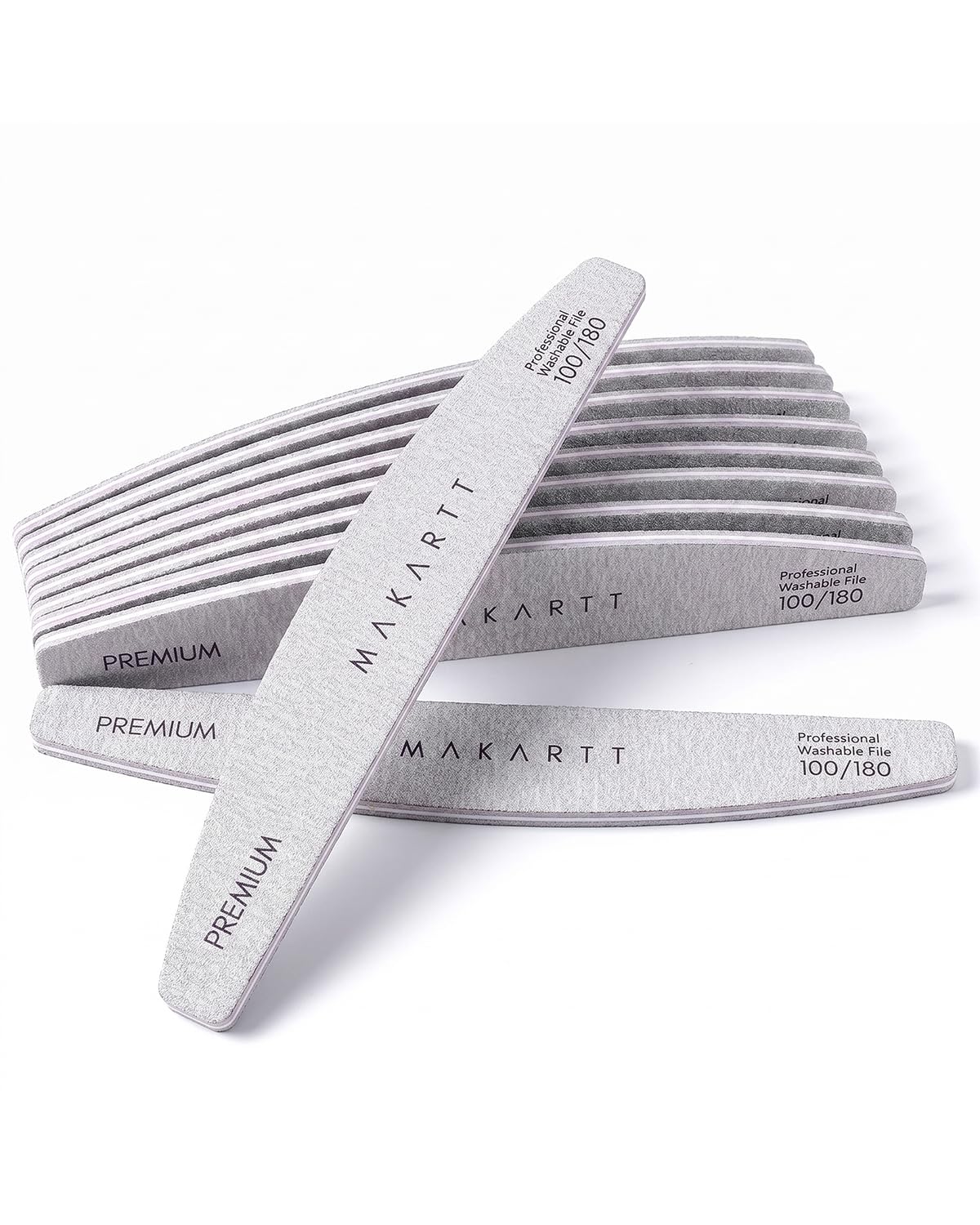
We recommend these if you want a sturdy, dual-grit file that works on both thick and natural nails.
Pros
- Dual 100/180 grit covers heavy shaping and smoothing.
- Sturdy feel — doesn’t bend or shed grit easily.
- Pre-buffed edge is gentle around cuticles.
Cons
- 100 grit can feel aggressive on very thin nails.
- Shape may not fit every nail curve perfectly.
- Ten-pack means extra files you might not use right away.
We used these Makartt files for several at-home sessions and found they hold up. The 100 side quickly shortens acrylic or thick nails, and the 180 side refines the edge to a clean finish without much fuss.
Filing felt controlled because the board is rigid and has good grip. The half-moon curve followed corners well, though on small nails we had to angle the file more to avoid touching the skin.
After washing the files a few times they stayed intact and abrasive. If you prep nails often, the set gives backups and saves trips to the store.
Buy link: Makartt Zebra 100/180 Nail Files
HomeyEra 100/180 Nail Files (12 Pack)

We recommend this pack if you want sturdy, long files that handle both shaping and smoothing without falling apart.
Pros
- Durable, feels solid in hand
- Dual 100/180 grit covers shaping and finishing
- Good length and square shape for control
Cons
- Bulk pack may be more than casual users need
- Coarse side can feel aggressive on very thin nails
- Not cushioned like foam buffers
We used these files for several manicures and they held up better than drugstore emery boards. The grit stayed consistent through multiple nails and the square shape made it easy to file straight edges.
The coarse 100 side removes length fast, which we liked for thick or acrylic nails. The 180 side leaves a smooth edge without over-thinning natural nails when used gently.
These files feel slightly rigid, so they give good control but can be too rough if you press hard on fragile nails. Overall, the pack gives strong value and reliable performance for at-home or salon touch-ups.
HomeyEra 100/180 Nail Files (12 Pack)
MR.GREEN Stainless Steel Nail File
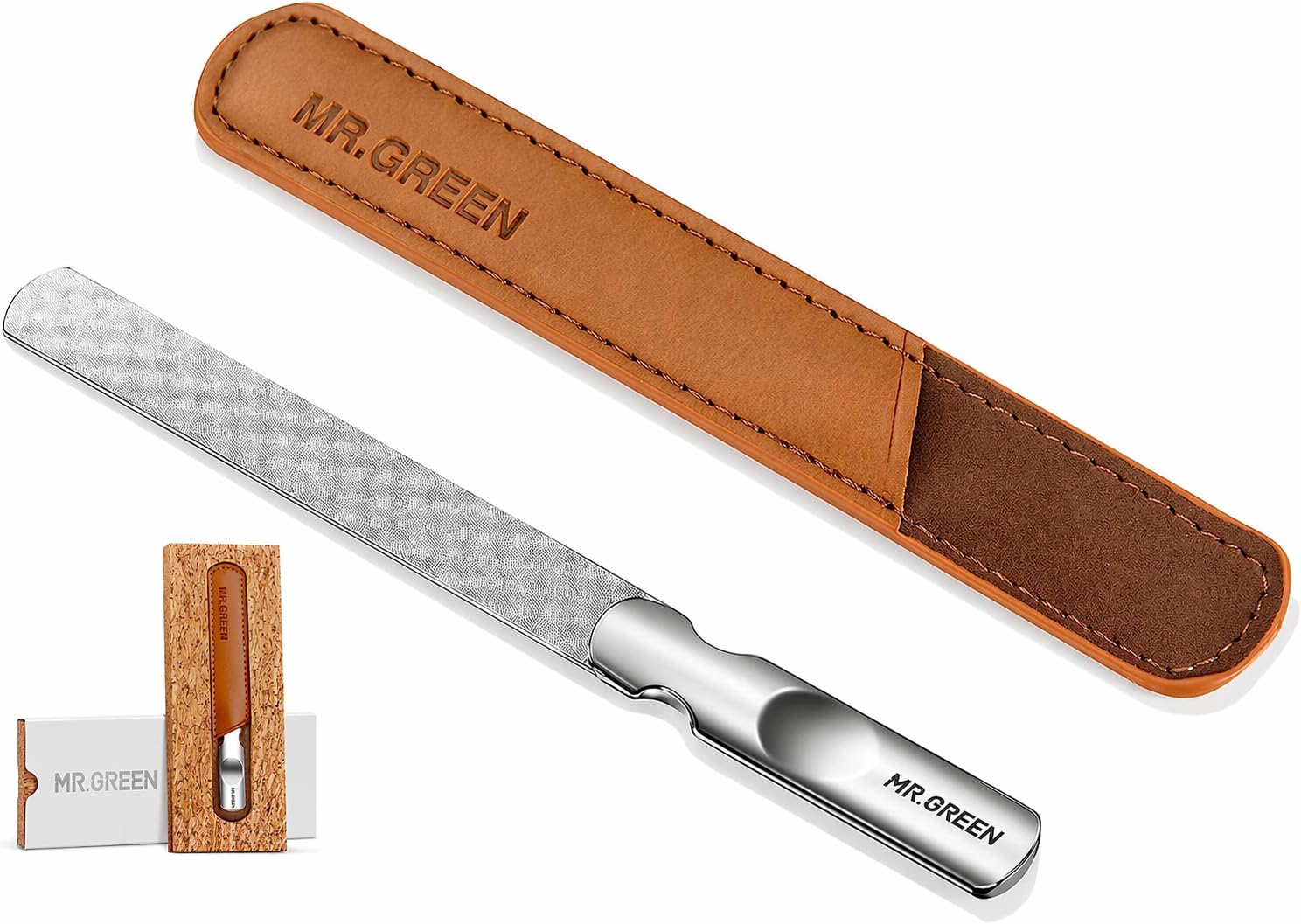
We recommend this file if you want a durable, washable metal file that shapes and smooths natural nails quickly.
Pros
- Lasts a long time and rinses clean easily
- Two textures: one for shaping, one for smoothing
- Comes with a leather case and feels solid in hand
Cons
- Metal edges can feel sharp if you press too hard
- Heavier than emery boards—less travel-friendly for tiny pockets
- Fine grit may be slow on very thick nails
We used this file for several weekly manis and liked how fast the coarse side shaped nails. It cuts through length with little effort and the fine side leaves a neat, soft edge. The anti-slip handle kept the file steady when we worked on both hands.
Cleaning proved simple; a quick rinse removed dust and it dried fast. The leather case keeps the file protected and looks nicer than a plastic sleeve. The weight gives a confident feel, but it might be too bulky if you want something featherlight in a small purse.
Take care around the nail beds because the metal edge can catch if you push too hard or use a sawing motion. For regular home use or for someone who prefers a reusable tool over disposables, this file performs very well.
Mont Bleu Glass Nail File Set

We recommend this set if you want long‑lasting, gentle files that give a smooth finish and are easy to clean.
Pros
- Lasts far longer than emery boards.
- Smooth finish that reduces splitting.
- Comes in three handy sizes with protective pouches.
Cons
- Can break if dropped; handle with care.
- Thicker edges make tight corners harder to reach.
- Grit feels fine—less aggressive for fast reshaping.
We used these Mont Bleu crystal files for several weeks. They felt solid in the hand and carved a clean, glassy edge without shredding the nail layers. The three sizes made it simple to switch from shaping to finishing.
Cleaning was quick: soap, warm water, and they looked new. The fine etched surface gave a velvety finish that cut down on snags and split nails. We liked that the pouch kept each file safe in our bag.
A caution: they will break if dropped on hard floors. Also, the thicker sides made it a bit tricky to file right under very short nails. For routine home care and nail health, these perform very well.
Buying Guide
We look for nail files that protect natural nails while shaping them smoothly. Choose a file with the right grit for your nails: lower grit numbers remove material faster, higher numbers are gentler. For real nails, aim for medium to fine grit to avoid splitting.
We check the file material next. Glass, ceramic, and fine emery board finishes are gentle and last longer. Metal files can be harsh; avoid them for thin or damaged nails.
We consider the shape and size of the file. Straight or slightly rounded edges work well for shaping and smoothing. A compact file fits in a bag, while a longer one gives more control during filing.
We pay attention to durability and hygiene. Washable or sanitizable files reduce bacteria and last longer. Replace disposable files once they wear down to keep edges smooth.
We value ease of use and safety features. A comfortable handle helps steady our hand and reduce slips. Look for edges that won’t fray, and files that state they’re safe for natural nails.
We compare these features before buying. Use the table below to weigh options quickly.
| Feature | Why it matters |
|---|---|
| Grit (100–400+) | Controls aggression; choose medium–fine for natural nails |
| Material | Affects smoothness and lifespan |
| Shape/size | Impacts control and fit for nail curve |
| Washability | Improves hygiene and longevity |
| Handle/comfort | Reduces slips and improves precision |
Editor’s Choice
We picked the EmeryCraft Glass File as our top pick for real nails. It files gently, lasts a long time, and does not split or fray natural nail edges.
We like how the fine grit creates a smooth finish without thinning nails. The tempered glass surface is easy to clean and resists wear, so it keeps working like new.
We also value its size and shape. The slim profile reaches the sides and under the free edge, and the slightly rounded tip helps keep natural shape when needed.
Key features at a glance:
- Material: Tempered glass
- Grit feel: Fine, gentle on natural nails
- Durability: Long-lasting, washable
- Best for: Natural nails, thin or brittle nails
We tested it alongside metal and emery boards and found fewer splits and less peeling. For home use or travel, it performs reliably and needs less frequent replacement than paper files.
Conclusion
We chose files that protect natural nails and give neat results. Our picks balance gentleness, control, and durability so you can shape nails safely at home or in the salon.
For delicate or brittle nails, we recommend fine-grit glass or crystal files. They smooth edges without peeling, and we find they last longer than many emery boards.
When we need quick shaping, a medium-grit emery board or a 180/240 combo works well. It removes length fast but still lets us refine the shape with a finer side.
We keep a buffer or soft file on hand for final smoothing and shine. That step reduces snags and helps polish adhere evenly.
Practical care extends the life of any file. Clean files after use, store them dry, and replace them when they wear down to keep our nails healthy.
If you want a simple starting set, we suggest:
- One glass/crystal file (fine)
- One 180/240 combo board
- One soft buffer
We stand by tools that respect natural nail structure and make maintenance easy. Choose what fits your nail type and routine, and treat tools well for the best results.
FAQS
What grit should we use for real nails?
We recommend 240–400 grit for natural nails. These grits smooth and shape without causing thinness or splitting.
How often should we file our nails?
File every 1–2 weeks to keep nails tidy. More often can weaken them if we over-file.
Which file shape is best?
A rounded or oval shape reduces snags and splits. Square tips need careful corner filing to avoid breaks.
Are glass files better than emery boards?
Glass files last longer and are gentler on nails. Emery boards are cheap and portable but wear down faster.
Can we use the same file on artificial and real nails?
Avoid that when possible. Artificial nails are thicker and can cross-contaminate or damage a file meant for natural nails.
How should we clean nail files?
Rinse glass files with soap and water, then dry. For emery boards, brush off debris and replace when worn.
Do we need to file wet nails?
Never file nails when they are wet; they are softer and more prone to tearing. Wait until nails are dry for the cleanest edge.
What angles should we use when filing?
File from the outer edge toward the center with one gentle stroke. Back-and-forth sawing can cause splits and rough edges.
Which brands do we trust?
We prefer brands known for consistent grit and durable materials. Check user reviews and choose files labeled for natural nails.

