Best Nail Files for Smooth, Long-Lasting Manicures

Nail files are simple tools that shape and smooth the edge of natural and artificial nails. They come in many forms — emery boards, glass files, metal files, and electric buffers — and each type affects how quickly you can shape nails and how much surface they remove. We focus on files that create a clean edge without causing splits, chips, or excessive thinning.
Choosing the right file depends on grit, material, and intended use: lower grits remove more material fast, while higher grits refine and smooth; glass and ceramic files last longer and are gentler on natural nails, while metal and coarse emery boards work better for thick acrylics. The most important thing to watch for is grit and file material, because those determine how safe and effective a file will be for your nails. We tested a range of files and size options to find ones that balance speed, control, and nail health.
Best Nail Files
We tested many nail files to find the ones that shape nails well, last a long time, and feel safe to use. Below is our list of the best nail files to suit different needs and budgets.
Teenitor Nail File Set

We recommend this set if you want a full at-home nail routine with multiple grits and a good shine for a low price.
Pros
- Lots of grit options for shaping, smoothing, and shining
- Washable and sturdy enough for repeated use
- Good value for a complete three-step routine
Cons
- Coarser grits felt harsh on some nails
- Some pieces wear faster with heavy use
- Shape may feel bulky for precise cuticle work
We used the Teenitor kit across several manicures and liked how it covered every step. The rough files cut down acrylic quickly, the medium grits shaped natural nails without tearing, and the fine buffers left a clear shine fast.
The buffer’s 1000/4000 sides really polish well. We rinsed them after use and they held up, though the roughest emery boards lost grit sooner when used heavy-handedly.
For quick at-home maintenance this set saves time and money. It won’t replace pro salon tools for frequent gel work, but it gives a neat, glossy finish and a sensible range of files for most users.
Cliganic 12-Pack Nail Files
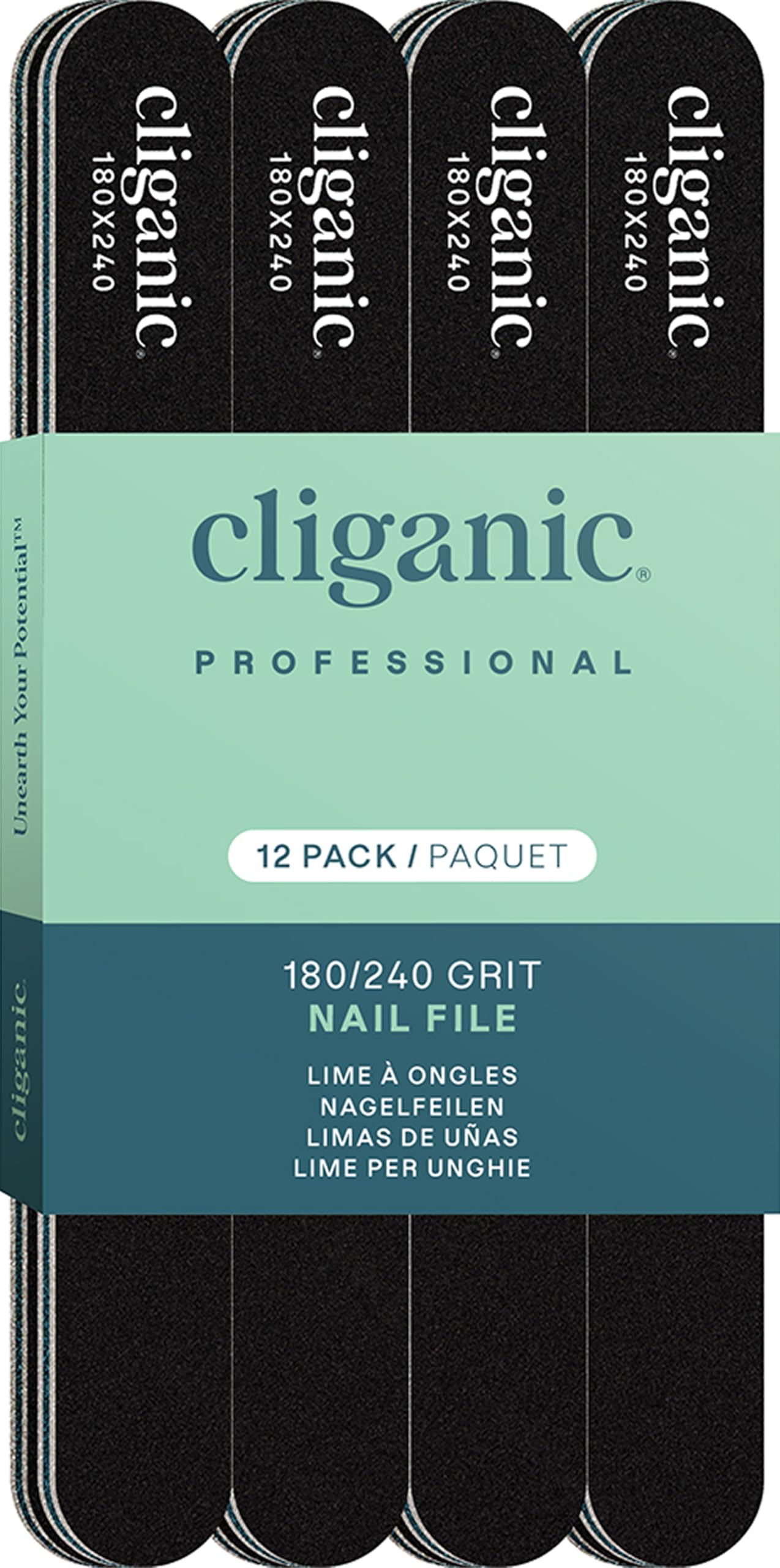
We recommend this set if you want simple, durable emery boards for home nail care and small projects.
Pros
- Long-lasting grit on both sides
- Good value with 12 files
- Washable and easy to rinse
Cons
- 180 side can feel rough on natural nails
- Not as cushioned as foam files
- Edges may need a light smoothing after use
We used these files for a few weeks on both natural nails and acrylic tips. The double-sided 180/240 grit makes quick shaping easy and the finer side cleans up the edge nicely. They held their texture longer than the cheap drugstore boards we tried.
Handling the boards felt familiar and sturdy. They are thin and rigid, so you get precise control when shaping. The 180 grit moved material fast, which helped with thick tips but required a gentle hand on softer nails.
Cleaning took seconds — soap and water removed dust and kept them usable. We liked having a dozen so we could keep spares for toes and craft work without wiping them out between uses.
Drei Schwerter Sapphire Nail File Set

We recommend this set for people who want a long-lasting, precise metal file with both coarse and fine sides for shaping and finishing.
Pros
- Feels sturdy and lasts a long time
- Dual grit lets us shape then smooth without switching tools
- Comfortable black grip for steady control
Cons
- Metal files can feel stiff for very soft nails
- Slight learning curve to avoid over-filing on thin nails
- Buffer included is basic compared to separate specialty buffers
We used these files for both fingernails and toenails over a few weeks and liked the control. The sapphire-coated surface files quickly and doesn’t wear down like emery boards. It handles edges cleanly and gives a smooth finish on the fine side.
Holding the file felt secure thanks to the ergonomic black grip. That made it easier to keep a steady angle and avoid jagged edges. The metal is thin but solid, so it flexes a little without bending out of shape.
The small three-way buffer did a decent job evening shine, but we preferred a separate cushion buffer for a glossy finish. Overall, this set felt like a durable, no-nonsense option that works well for regular at-home nail care.
Buy it on Amazon: Drei Schwerter Sapphire Nail File Set
Tweezerman Professional Nail Files (3-pack)

We recommend these if you want sturdy, reliable emery boards that shape nails cleanly without shredding them.
Pros
- Durable — they last longer than cheap files.
- Dual grit — one side shapes, the other smooths.
- Gentle on thin nails when used correctly.
Cons
- Slower than coarser files for very thick nails.
- Paper can wear after months of regular use.
- Not ideal if you prefer foam or glass files.
We used these files for several weeks and liked how they held up. The 180/240 grits made it easy to shape edges and then refine the tip without switching tools. Filing in one direction felt smoother and reduced snags.
The texture felt balanced — not so rough it splintered, but coarse enough to shape acrylics if you take your time. We noticed they take a bit longer on very thick nails, but they finish cleanly with less breakage.
These are a good grab-and-go option for home and travel. They fit in a small kit and we felt confident giving them to friends who need a dependable file.
Bona Fide Glass Nail File
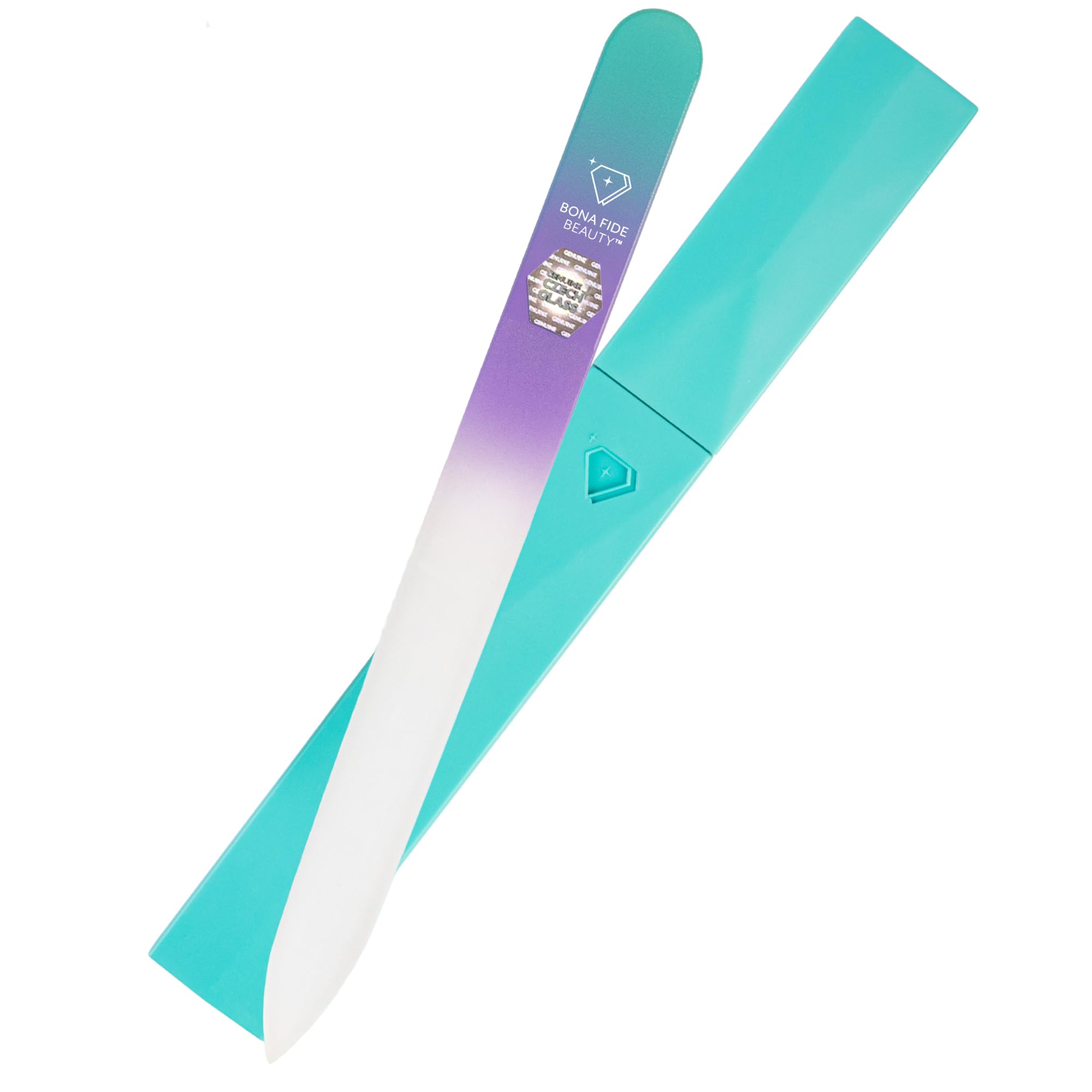
We recommend this glass nail file if you want a gentle, long-lasting tool that smooths natural nails without shredding.
Pros
- Files smoothly and seals nail edges.
- Feels sturdy and comfortable in hand.
- Comes with a protective hard case for travel.
Cons
- Can break if dropped on hard surfaces.
- Needs gentle pressure at first; not for aggressive shaping.
- Slightly pricier than disposable emery boards.
We used this file for several weeks and liked how it left nail edges smooth and even. It felt nicer than the cheap boards we used before and didn’t leave rough snags. Filing both directions made shaping faster and kinder to our nails.
The pastel color and hard case made it easy to toss in a travel bag without worrying about scratches. At-home manicures felt more like a salon session, and the grit stayed effective after repeated use.
Handle it with care — it’s glass, so it can chip if you drop it. Still, for regular nail care, this file gave us gentler results and lasted longer than disposable options.
HomeyEra 100/180 Nail Files (12 Pack)

We recommend this pack if you want sturdy, reusable emery boards that handle both natural and acrylic nails well.
Pros
- Thick, durable feel that lasts through several uses
- Two grits (100/180) cover shaping and smoothing
- Long, square shape gives good control and reach
Cons
- Coarse side can be aggressive on very thin nails
- Not cushioned like foam files for gentle buffing
- Pack feels basic—no storage case included
We used these files for a few at-home manicures and found them easy to hold and precise. The length and square edge made shaping quick, especially on toes and longer nails.
The rough 100 grit shaves down acrylic and thick nails fast, while the 180 grit smooths edges without leaving snags. We noticed the coarse side wears slower than typical drugstore emery boards.
For people who file often, these feel like a step up from thin disposable files. They aren’t soft for delicate finishes, but they’re reliable, affordable, and good for both salon-style shaping and quick touch-ups.
HeeYaa 10-Pack Nail Files
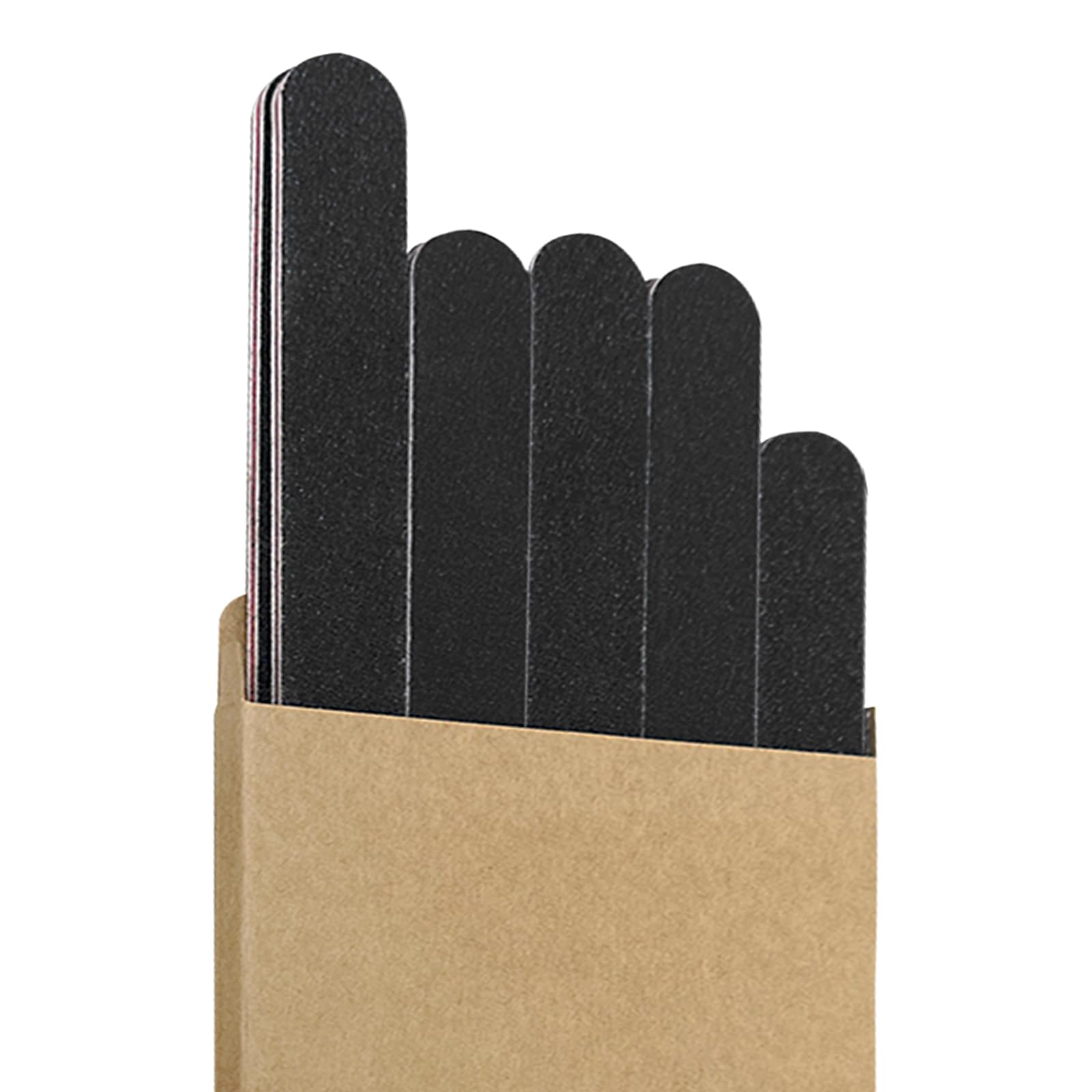
We recommend these if you want a sturdy, budget-friendly pack for home and salon use.
Pros
- Durable core holds shape across many uses
- Two grits (100/180) in one file for shaping and smoothing
- Comes in neat kraft box — good for storage or gifts
Cons
- Files are a bit large for small purses
- Surface quality can vary between packs
- Coarser 100 grit can feel rough on thin nails
We used a set for several weeks and liked how solid the files felt. The red PP core makes them thicker than regular emery boards, so they don’t bend or break while filing toes or thicker nails.
The double-sided grit proved handy. We used the 100 side to shorten and shape, then flipped to 180 to smooth edges. It cut down time and kept nails from splitting when we took it slow.
The kraft box keeps the files tidy and looks nicer than a loose pack. A few files in our set had inconsistent grit, so inspect yours when they arrive. Overall, these work well for everyday at-home mani and pedis and offer good value for the price.
Makartt Zebra Nail Files (10-pack)
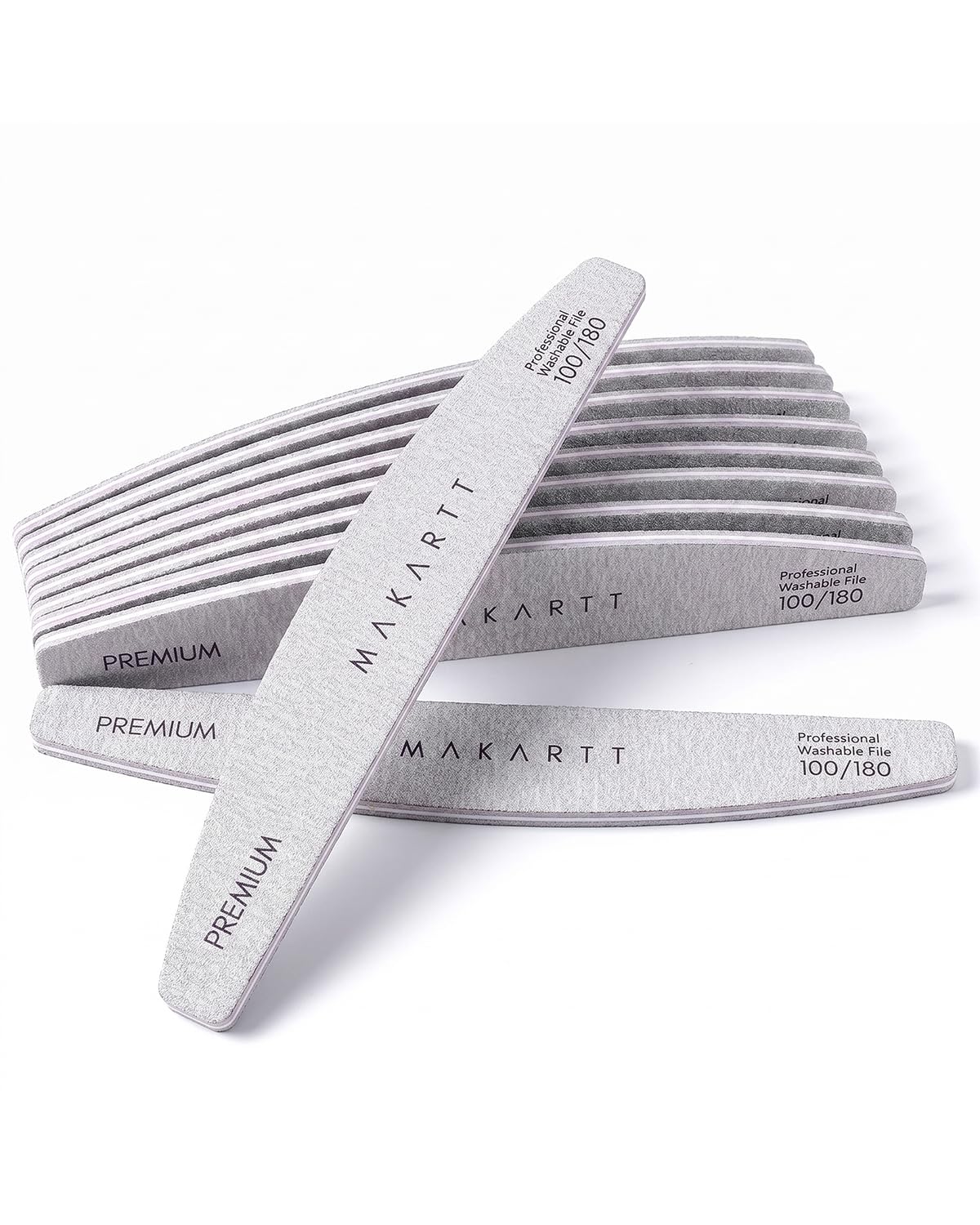
We recommend this if you want sturdy, dual-grit files for both acrylic work and everyday nail shaping.
Pros
- Sturdy feel that holds up when filing thick nails.
- Dual 100/180 grit covers heavy shaping and refining.
- Pre-buffed edges reduce irritation around cuticles.
Cons
- Not as compact as slim disposable emery boards.
- Grit can wear after heavy, repeated use.
- Edges may lift if scrubbed aggressively when washing.
We used these for a few weeks on natural nails, gel, and acrylic tips. The 100 grit chews through extensions fast, then the 180 side smooths without leaving jagged edges. They felt solid in hand and didn’t bend while I shaped nails.
On toenails and thick nails the coarse side saved time. It made quick work of length and shape. Switching to the finer side gave a cleaner finish ready for polish.
Cleaning is easy but gentle care helps. We rinsed them briefly and patted dry; long scrubbing loosened the paper coating on one file. For the price, the pack of ten gives backups and travel spares that we found handy.
Canvalite Nail Files (10-Pack)

We recommend this pack if you want sturdy, reusable emery boards that handle natural and acrylic nails well.
Pros
- Durable double-sided grit for shaping and smoothing.
- Half-moon shape fits the hand and contours nails.
- Long-lasting — many users get lots of use from one file.
Cons
- Grit may be too coarse for very fine finishing.
- Size can feel large if you prefer a tiny precision file.
- Not waterproof; wear increases with heavy use.
We used these files for several home manicures and a few pedicures. The half-moon shape gave us good control along the nail edge and the 100/180 surfaces did the job quickly. They felt firm in hand and did not flake apart after repeated uses.
When working on gel or dip nails, the coarser side removed layers fast and the finer side smoothed edges well. For natural nails the 180 grit finished nails neatly, though we reached for a finer buffer for a polished look.
These are useful to keep in a kit or share with family because the pack covers multiple sessions. If you need a tiny file or ultra-fine grit for a glossy finish, add a fine buffer to your kit.
Bona Fide Glass Files — 5-Pack (Serenity)
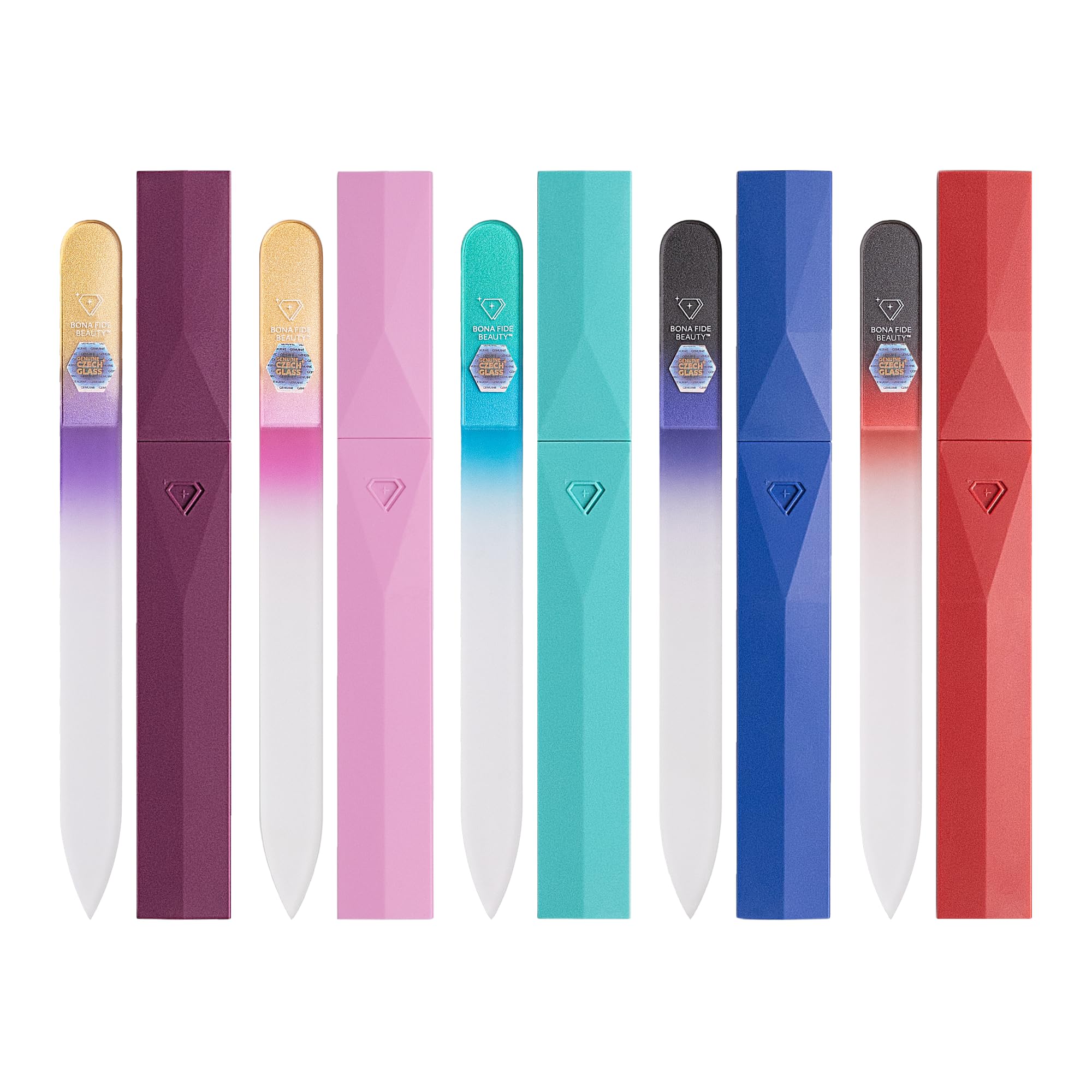
We recommend these if you want long-lasting, gentle filing that keeps natural nails smooth and snag-free.
Pros
- Lasts far longer than emery boards.
- Files smoothly both directions with little scratching.
- Comes with handy hard cases for each file.
Cons
- Glass can break if dropped or banged.
- Cases feel a bit flimsy for travel.
- Medium grit may be slow for heavy reshaping.
We used these for several weeks and liked how the files sealed the nail edge. Filing felt gentle and predictable, unlike rough metal files that can peel layers off the nail.
Having five files meant we left them around the house and in bags. Each file stayed sharp after rinsing under water, and the cases kept them clean, though one case looked cheaper than the rest.
They did chip when handled roughly, so we treated them like glass — careful, not tossed in a purse. Overall, they made our nails look smoother with less snagging and lasted longer than single-use files.
Buying Guide
We focus on the features that matter most when choosing a nail file. We want a tool that works well for our nail type, lasts a long time, and feels safe to use.
We look at grit first. Coarse grit (80–100) shapes thick nails. Medium grit (180–240) smooths and refines. Fine grit (240+) buffs and cleans edges without damage.
We check material and build. Glass or crystal files are gentle and last long. Emery boards are inexpensive but wear out faster. Metal files remove more nail quickly but can split nails if used wrong.
We consider shape and size. A rounded or tapered tip lets us reach corners. A longer file gives more control. Portability matters if we travel.
We weigh durability and maintenance. Washable files resist bacteria and stay sanitary. Replaceable or double-sided files can save money. Look for rust-resistant or sealed cores.
We value comfort and grip. A handle with textured grip reduces slips. Lightweight files reduce hand fatigue during use.
We balance cost and value. Cheaper files may work short-term. Higher-priced options can last longer and protect nails better. Choose what fits our budget and how often we file.
We judge safety features. Smooth edges prevent accidental cuts. Avoid overly aggressive files for weak or thin nails. Use gentle strokes and the right grit for our nails.
Quick checklist
| Feature | What to look for |
|---|---|
| Grit | Match grit to nail thickness |
| Material | Glass/crystal for gentle, emery for budget |
| Shape | Tip and length for control |
| Durability | Washable and rust-resistant |
| Comfort | Non-slip grip |
| Safety | Smooth edges, appropriate grit |
Editor’s Choice
We picked a nail file that balances durability, gentleness, and value. It works for natural and artificial nails without causing splits or thin spots.
The file has a fine and medium grit on opposite sides. We like this because it lets us shape nails quickly with the medium side and smooth edges with the fine side.
Its build feels sturdy and comfortable in hand. A cushioned core reduces pressure on the nail bed, which helps prevent over-filing.
We recommend using light strokes and filing from the outside edge toward the center. Avoid sawing back and forth; that can weaken nails over time.
Key features:
- Dual grit: medium + fine for shaping and finishing
- Cushioned core: gentle on nails and cuticles
- Long-lasting: maintains grit after repeated use
We tested it on different nail types and found consistent, even results. The price is reasonable for the quality, which makes it a practical pick for most users.
Conclusion
We picked nail files that match different needs and budgets. We focused on safety, ease of use, and lasting performance so you can pick a file that fits your routine.
For daily touch-ups, glass or fine-grit files work well. For shaping or removing length, coarser emery or metal files are better.
We recommend keeping at least two files: one gentle file for natural nails and one stronger file for artificial nails. Clean and store files correctly to avoid damage and infection.
Our top choices balance value and durability. If you want one quick tip: choose a file grit that matches your nail type and stick with it.
If you need a compact option for travel or a workstation tool for regular salon use, we included options for both. We stand by practical tools that make nail care safer and faster for everyone.
FAQS
What grit should we use for natural nails?
We recommend 180–240 grit for shaping natural nails. This range files gently and reduces splitting.
How often should we replace a nail file?
Replace it when it feels dull or frays. For daily users, that might be every 1–3 months; occasional users can keep one longer.
Are glass files better than emery boards?
Glass files last longer and are gentler when used correctly. Emery boards cost less and are disposable.
Can we file wet nails?
Avoid filing soaked nails; they are softer and tear easily. File when nails are dry for cleaner edges.
How do we sanitize nail files?
For metal and glass files, wash with soap and hot water, then disinfect with alcohol. Disposable files should be thrown away after use.
Which file shape should we pick?
Choose the shape that fits your nail tips: square for straight edges, oval for rounded ends, and almond for tapered styles. Comfort and control matter most.
Can filing make nails stronger?
Filing alone won’t strengthen nails, but proper shaping prevents snags and breaks. Use a gentle grit and avoid aggressive sawing motions.
Do we need different files for artificial nails?
Yes. Coarse grits (80–100) suit acrylics and gels, while finer grits finish the surface. Use separate files to avoid cross-contamination.
How do we avoid splitting?
File in one direction with light strokes and keep nails moisturized. Trim regularly and avoid digging into the free edge.