
Thin nails chip, split, and wear down more easily than thicker nails, so the right file can make a big difference in how healthy and tidy your nails look. Nail files smooth edges, shape nails, and reduce the chance of peeling by using gentler abrasives and careful angles. For thin nails, tools like fine-grit glass files, cushioned emery boards, and flexible ceramic files tend to work best because they remove less material while still refining the edge.
When choosing a file, pay close attention to grit level, material, and shape—those factors determine how much nail is removed and how gentle the action feels. A fine-grit (240+), nonporous material like glass or a cushioned file that flexes with the nail is usually the safest pick for thin nails because it smooths without causing splits. We tested and compared common types to find files that reshape nails cleanly while minimizing damage, so the next section shows the best options we recommend.
Best Nail Files for Thin Nails
We tested and compared nail files that protect delicate edges and give smooth shaping without splitting. Below is our full list of the best nail files for thin nails.
Drei Schwerter Sapphire Nail File Set

We recommend this set if you want durable, gentle files that shape thin nails without shredding.
Pros
- Lasts a long time compared with disposable files
- Two grits cover shaping and smoothing well
- Comfortable grip helps steady delicate nails
Cons
- Coarse side can feel aggressive if used at the wrong angle
- Metal file needs care to avoid bending or rusting
- Buffer feels basic compared to the files
We used these files for several weeks on both finger and toe nails. The sapphire surface files smoothly and does not tear thin nail edges the way cheap emery boards do.
Handling feels secure thanks to the soft black grip. That made it easier for us to control pressure and keep the motion gentle, which matters with fragile nails.
The dual grit helped: coarse for quick shaping and fine for finishing. The buffer worked for shine, but it’s not as robust as the metal files.
We noticed the files hold up far longer than paper or crystal files. Still, we treated them gently and dried them after use to keep them in top shape.
If you need a reliable set that won’t ruin thin nails and will last, this feels like a solid buy.
Cliganic 12-Pack Nail Files
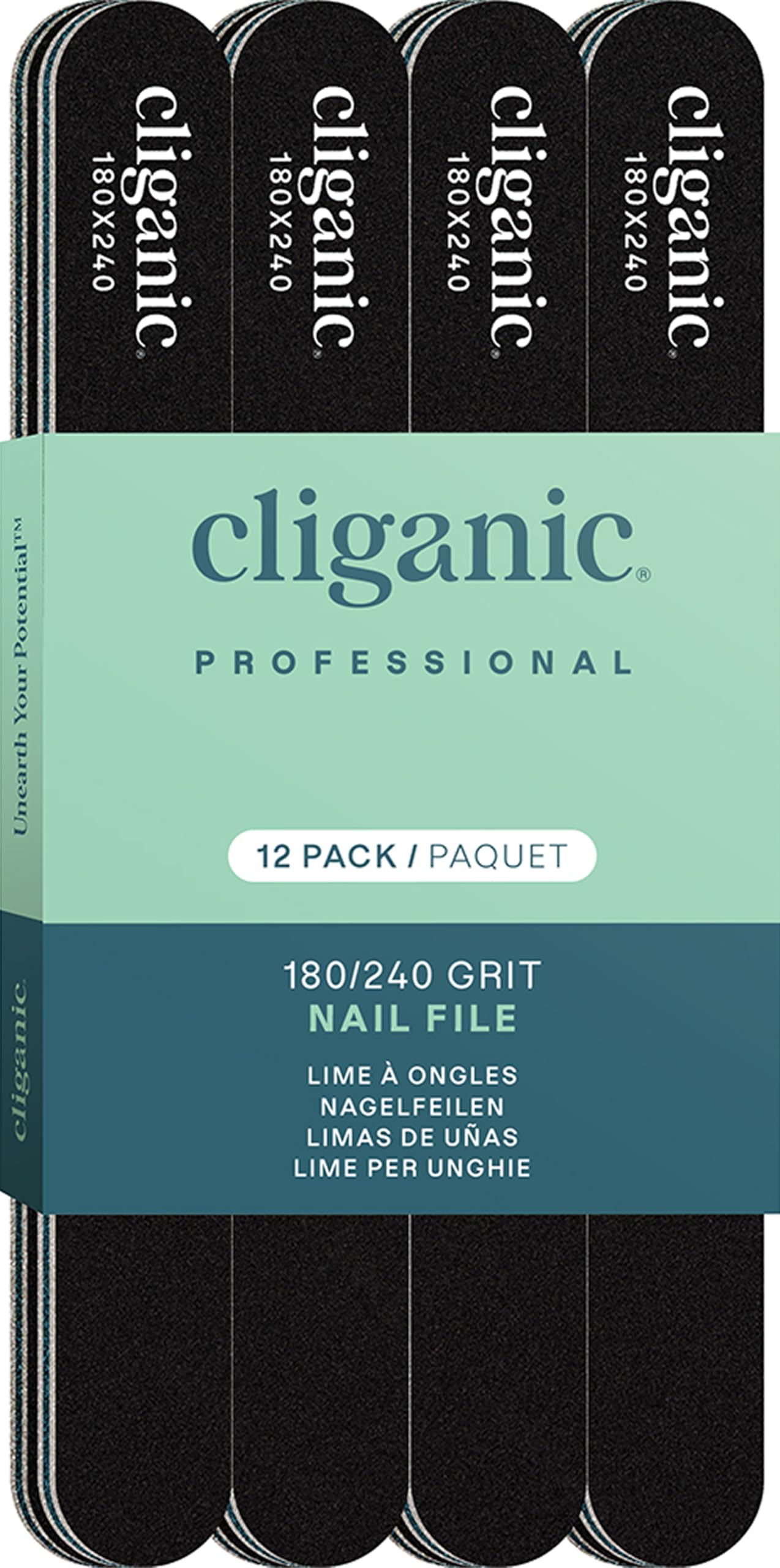
We recommend this set if you want sturdy, multi-use emery boards that hold up for thin nails and give consistent edges.
Pros
- Durable grit that lasts through many files
- Double-sided (180/240) for shaping and smoothing
- Washable and easy to clean
Cons
- 180 grit can feel rough on very thin nails
- Boards are a single straight shape that limits contouring
- Some edges need a gentle finish for a silky look
We used these Cliganic boards on thin, brittle nails and liked how predictable they were. The 240 side gives a gentle finish that stopped splitting when we filed lightly. Holding the board felt stable, so we avoided bending and over-filing.
The 180 side removes length fast, which helps when nails are thick from polish or tips, but it can be too aggressive on very fragile nails. We switched to light strokes and finished with the fine grit to prevent thin nails from peeling.
Packing twelve boards felt like good value for regular home care. They rinse clean after a manicure and keep grit longer than drugstore emery boards we tried. Overall, this set works best if we use the fine side for thin nails and save the coarser side for tougher jobs.
Bona Fide Glass File — Pastel Green Violet
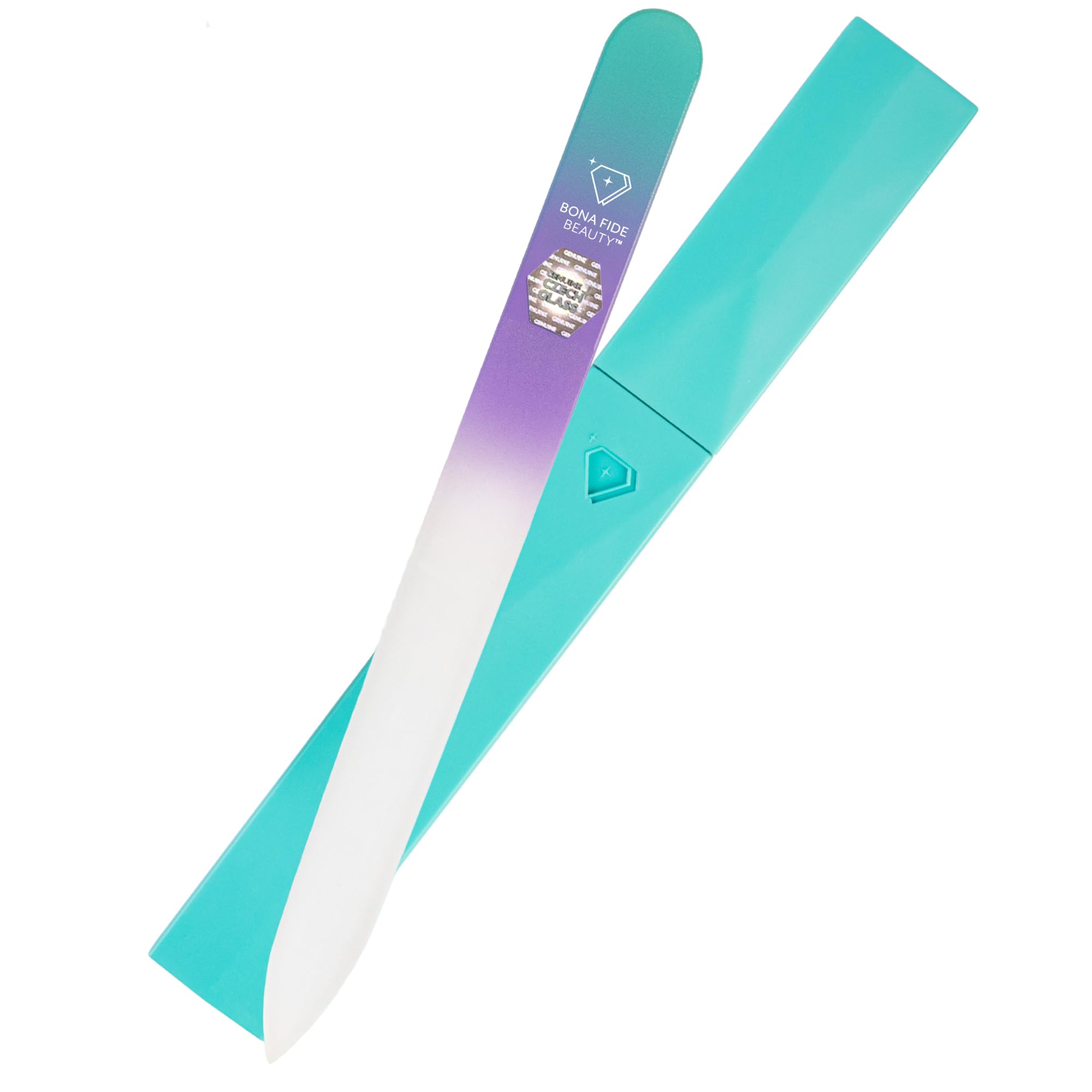
We recommend this glass file if you want a gentle, long-lasting tool that helps thin nails stop splitting and feel smoother.
Pros
- Gentle on thin nails and seals edges without tearing.
- Feels lightweight and balanced in hand for precise shaping.
- Hardcase keeps it safe for travel and storage.
Cons
- Glass can break if dropped, so handle carefully.
- Takes a little practice to judge pressure and angle.
- Not ideal if you prefer fast, aggressive filing.
We used this Czech glass file for several weeks and liked how it smoothed fragile edges. Filing felt almost effortless once we learned to use light strokes. The high-grit surface left a sealed edge that reduced snagging and split nails.
The pastel finish looked nice and the file fits comfortably between thumb and finger. We appreciated that you can file both directions; it made shaping quick and tidy. The included hardcase kept the file protected in our bag.
A small hiccup: we accidentally dropped ours once and it cracked, so we keep it on a soft surface now. Still, the fine grit and ergonomic feel made it our go-to for gentle maintenance of thin nails.
HomeyEra 100/180 Nail Files (12 Pack)

We recommend this pack if you want strong, long nail files that handle thin natural nails without shredding them.
Pros
- Durable, doesn’t bend while filing
- Two grits let us shape and then smooth
- Long size gives better control
Cons
- Coarse side can be too rough if used aggressively
- Bulk pack may be more than casual users need
- Not cushioned like foam buffers
We used these for a few weeks and liked how they felt in hand. The length and square shape gave us better grip than small drugstore boards. That helped when shaping thin nails without forcing too much pressure.
The 100 grit took down length fast on thicker edges, but on fragile nails we moved gently and switched to 180 to avoid thinning the nail plate. The fine side leaves a clean edge and reduces snags.
They hold up well across several uses and wash easily if they get nail dust on them. If you prefer gentle, cushioned files you might want a softer option, but for steady shaping and smoothing these worked reliably for our thin nails.
Canvalite Emery Boards (12-pack)

We recommend this pack if you want affordable, long emery boards that file thin natural nails without harsh scratching.
Pros
- Lots of boards for the price
- 7″ length gives good control
- 180 grit is gentle on thin nails
Cons
- Boards are firm with little flex
- One grit only, no finer finishing side
- Can wear out after repeated use
We used these on thin, brittle nails and liked that the 180 grit files quickly shaped the nail without chipping. The longer length made it easier to hold steady and avoid over-filing the edge.
The boards felt stiffer than disposable emery strips, so they gave precise strokes but lacked a softer touch for delicate nails. We found them best for shaping rather than final smoothing.
Cleaning under water brought back some life to the boards, and the pack size meant we kept spares in the purse and bathroom. If you want a cheap, reliable file set for regular upkeep, this works well; just expect to replace boards when they start to thin.
Maryton Thin Emery Boards
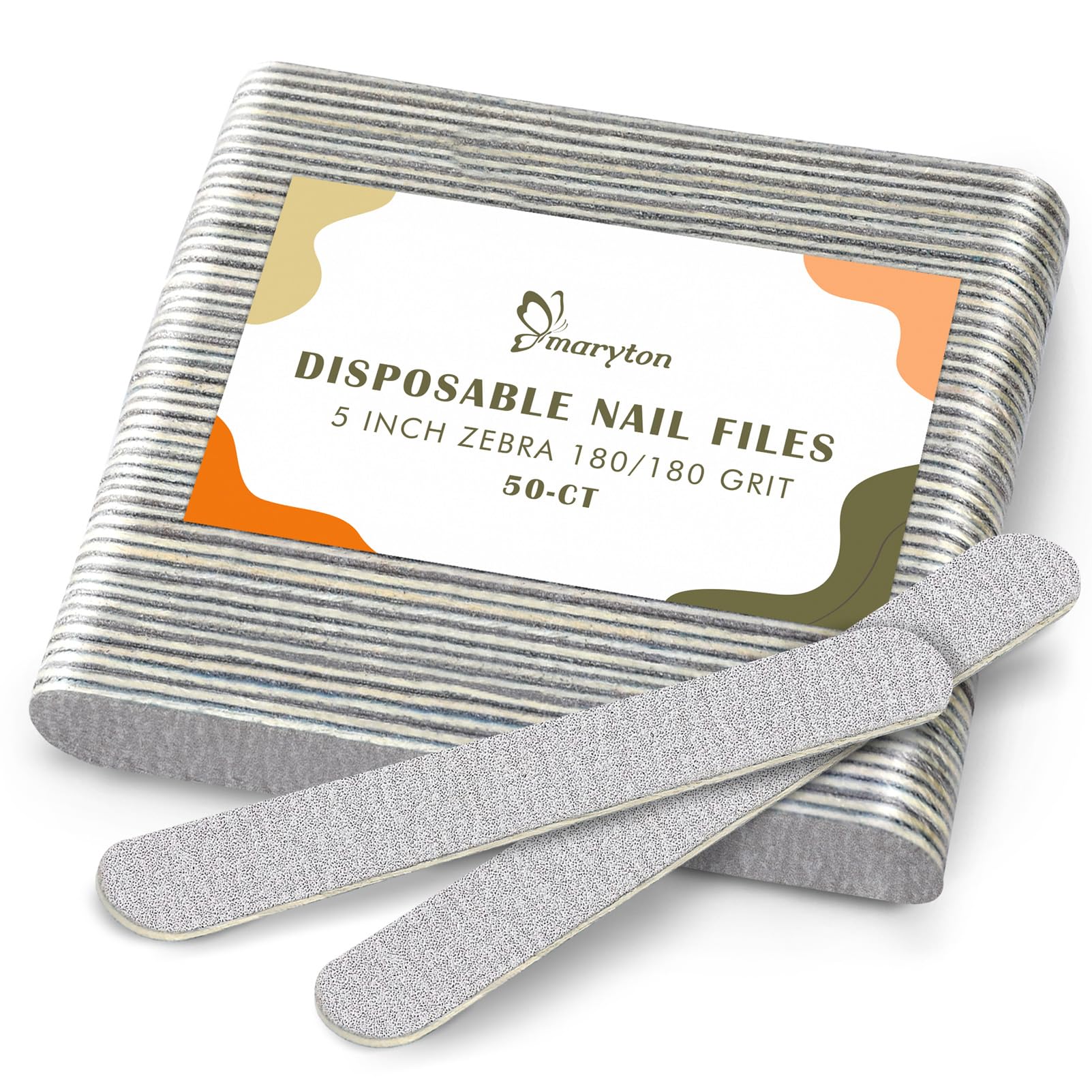
We recommend this pack if you want a gentle, low-cost file that handles natural thin nails without digging in.
Pros
- Comfortable 180 grit that smooths without splitting.
- Lightweight and small—easy to stash in a purse or kit.
- Plenty of files in a single pack so you can replace them often.
Cons
- Feels thin and can bend if you press too hard.
- Same grit on both sides limits versatility.
- Not as long-lasting as some firmer salon files.
We used these on our own thin nails and liked how they gave a soft, even edge. The medium grit files remove length without rough scraping. They felt safe on fragile nails when we used light strokes.
Carrying a few in a travel bag proved handy. The boards bend if you lean on them, so we learned to hold the nail steady and file with short, controlled passes. That kept the shape tidy and prevented splitting.
For quick touch-ups and salon-style single-use service, these work well. They don’t replace a heavy-duty file for thick or artificial nails, but for natural, thin nails they do the job cleanly and affordably.
HeeYaa Nail Files (10 Pack)
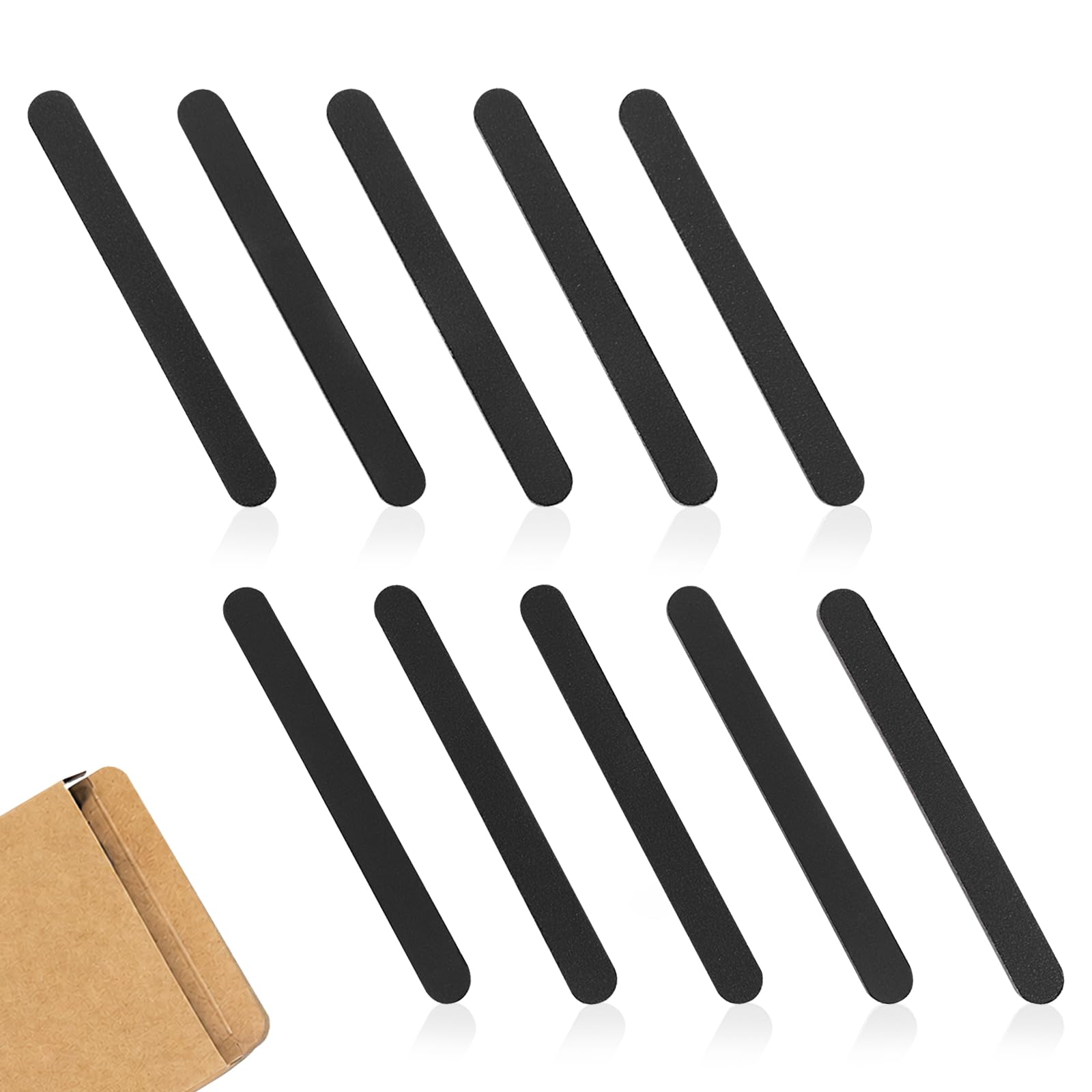
We recommend this pack if you want strong, reusable files that handle thin nails without tearing them up.
Pros
- Durable PP core holds shape and resists breakage.
- Double-sided 100/180 grit covers shaping and smoothing.
- Large 10-pack in neat box — good value for home use.
Cons
- Files feel a bit bulky for tiny purses.
- Coarse side can be aggressive if used roughly.
- One batch may have inconsistent grit quality.
We used these for several at-home manicures and found the stiff red core gives a steady hand feel. The files don’t bend while shaping thin nails, so we could remove length without over-filing the edges.
The 100 grit quickly shortens nails and the 180 side smooths the ridges. We had to go gently with the coarse side on fragile nails to avoid thinning them too much.
Storage in the kraft box keeps our set tidy and travel-ready, though some of us noted they take more space than slim emery boards. Overall, they lasted through many uses and held up better than disposable files we tried.
AhaTopia Metal Nail Files (6-Pack)

We recommend these if you want thin, sturdy metal files that give a smooth finish without bending or shredding fragile nails.
Pros
- Very durable stainless steel that cleans easily
- Thin and precise for shaping delicate nail edges
- Sharp tip helps clean under nails
Cons
- Grit can feel a bit coarse for very soft nails
- Metal may feel stiff compared with glass files
- Pack can be overkill if you only need one
We used these files on natural and weak nails and liked how stable they felt in hand. The 5.5-inch length made small moves easy, so we didn’t press hard and still got a neat edge.
Filing left a smooth finish that didn’t catch on fabric. The double-sided fine grit worked for light shaping and a quick polish step afterward.
The pointed tip reached under the nail well, but on very thin nails the grit sometimes felt a touch strong. Overall, they lasted through repeated use and washed clean without rust.
NOVO OVO Thin Nail File (10 pcs)
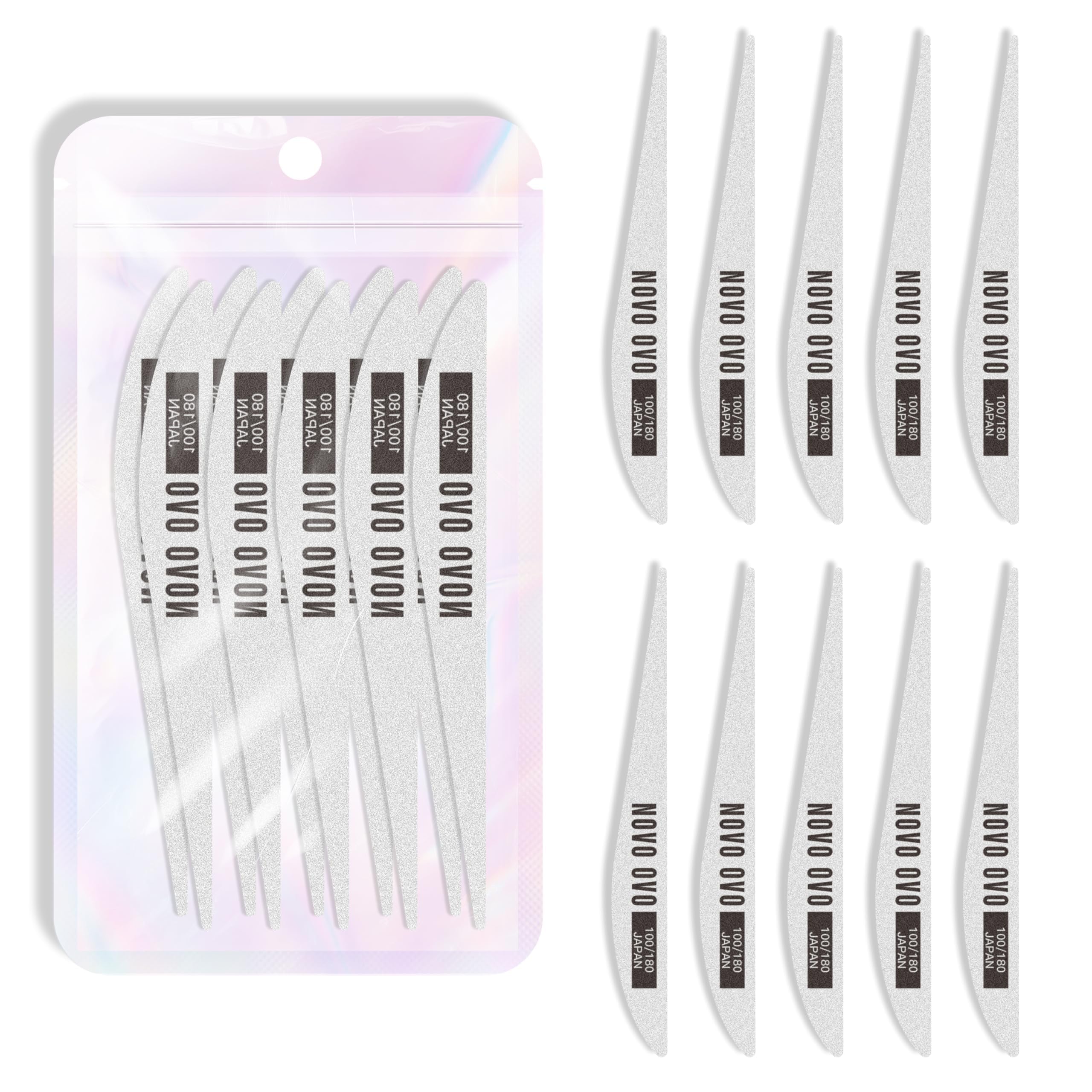
We recommend this set if you want thin, double-sided files that shape nails fast without breaking them.
Pros
- Thin, easy-to-handle shape for tricky areas.
- Two grits (100/180) let us remove and refine without swapping tools.
- Ten-pack gives good value and lasts through many uses.
Cons
- Shorter length than traditional files can feel small for some hands.
- Coarse side can be aggressive on very fragile nails if used too hard.
- Some pieces arrive as stickers only, which confused us at first.
We used these on natural nails and nail tips. The slim profile made it simple to reach the moon curve and sidewalls. Filing felt controlled and precise.
The 100 grit removed gel and rough edges quickly. Switching to 180 smoothed the ridge and left a neat edge. We stayed careful on thin nails to avoid over-filing.
Packaging was handy since each file is packed, but size surprised us—these are shorter than full-size emery boards. They work best for people who prefer compact tools or travel kits.
We found the files durable and easy to clean after use. For thin nails, go light with the coarse side and finish gently with the 180 grit to avoid weakening the nail.
Canvalite Half-Moon Nail Files (10 PCS)

We recommend this pack if you want reliable, sturdy emery boards that shape thin nails without tearing.
Pros
- Fits the hand well and gives good control
- Two grits (100/180) for shaping and smoothing
- Durable — files feel like they last a long time
Cons
- 100 grit is coarse for very fragile nails
- Half-moon size may be large for tiny nail beds
- Not the finest finish if you want ultra-smooth edges
We used these files for both natural and gel-dipped nails and found the shape very easy to grip. The half-moon curve helped when rounding the free edge, and the 180 side smoothed roughness quickly.
When nails were thin, we treated them gently with the 180 grit only. The 100 grit worked well for removing gel or shaping thicker areas, but it felt too rough on fragile nail plates.
The pack of ten makes these convenient to keep a clean file for each person or purpose. They feel thicker than cheap emery boards and held up after several uses, though people with very delicate nails may prefer a finer grit.
Buying Guide
We look for nail files that protect thin nails while shaping them. Thin nails split and peel easily, so choose a gentle grit and smooth edge.
We prefer files with fine to medium grit (240–400). Finer grit reduces splitting. Medium grit helps shape without roughing the nail too much.
We check file material and flexibility. Glass or crystal files are smooth and long-lasting. Emery boards are cheap but can be too rough if low grit.
We value the handle and shape for control. A comfortable grip helps prevent slips that can damage nails. Curved or rounded tips follow the nail edge better than straight, sharp tips.
We consider durability and maintenance. Washable files resist bacteria and last longer. Reusable options often cost more but save money over time.
We pay attention to safety features. Rounded edges and sealed surfaces reduce fraying. Avoid files that fray or shed grit.
We weigh price against quality and intended use. For daily use, choose higher-quality files that are gentle and durable. For occasional use, a basic fine-grit file may suffice.
We look for these key features:
- Grit: 240–400 for thin nails
- Material: glass/crystal or fine emery
- Flexibility: slight flex to follow the nail
- Grip: non-slip handle for control
- Maintenance: washable or easy to sanitize
We test files gently, filing in one direction. This reduces stress on thin nails and extends their strength.
Editor’s Choice
We picked a thin-nail file that balances gentleness and control. It shapes nails without causing chips or splitting, and it lasts longer than basic emery boards.
The file has a fine grit side for smoothing and a slightly coarser side for shaping. We like that it works on natural nails and thin acrylics without heavy pressure.
Features we value:
- Gentle abrasive to reduce layering and peeling.
- Slim, flexible design for curved nail edges.
- Durable material that keeps its texture through many uses.
We tested ease of use and safety. The handle gives a secure grip, so we don’t press too hard by accident.
Care is simple: wash with warm water and mild soap, then let it air dry. Store it flat to keep the edges aligned and effective.
Conclusion
We focused on nail files that protect thin nails while shaping them precisely. Choosing the right grit and material helps prevent splitting and keeps nails strong.
We recommend starting with a fine-grit file and a buffer to smooth edges. Diamond or glass files work well because they reduce tearing and last longer.
We prefer gentle, steady strokes instead of sawing back and forth. That method lowers stress on thin nails and reduces peeling.
We suggest testing a new file on one nail first. If it feels rough or causes flaking, stop and try a softer option.
Quick checklist:
- Use fine grits (240+).
- Choose glass or diamond for durability.
- Avoid metal files and aggressive sawing.
- Finish with a buffer and nail oil.
We want your nails to stay healthy and look neat. With the right tools and simple technique, thin nails can remain strong and tidy.
FAQS
What grit file should we use for thin nails?
We recommend a fine grit between 240 and 400. This grit shapes gently and reduces splitting.
How often should we file thin nails?
File as needed to keep edges smooth, usually every 1–2 weeks. Avoid over-filing; too much weakens nails.
Are glass files better than emery boards for thin nails?
Yes, glass files give a smoother edge and cause less peeling. They last longer and are easy to sanitize.
Can we use a buffer on thin nails?
Use a soft buffer sparingly. Buffing too much thins the nail plate and can cause damage.
Should we file wet or dry nails?
File dry nails for the best control and shape. Wet nails are softer and can tear more easily.
How do we prevent nails from splitting after filing?
File in one direction with light strokes. Apply a strengthening oil or light base coat to protect edges.
What file shape works best for thin nails?
A rounded or oval shape reduces catching and breakage. Straight edges can snag and cause splits.
How do we clean and care for our files?
Rinse glass files with soap and water, then dry. Replace emery boards when worn or frayed.
Is a nail strengthener necessary?
A mild strengthener helps if nails bend or peel. Avoid harsh chemicals and follow label instructions.
