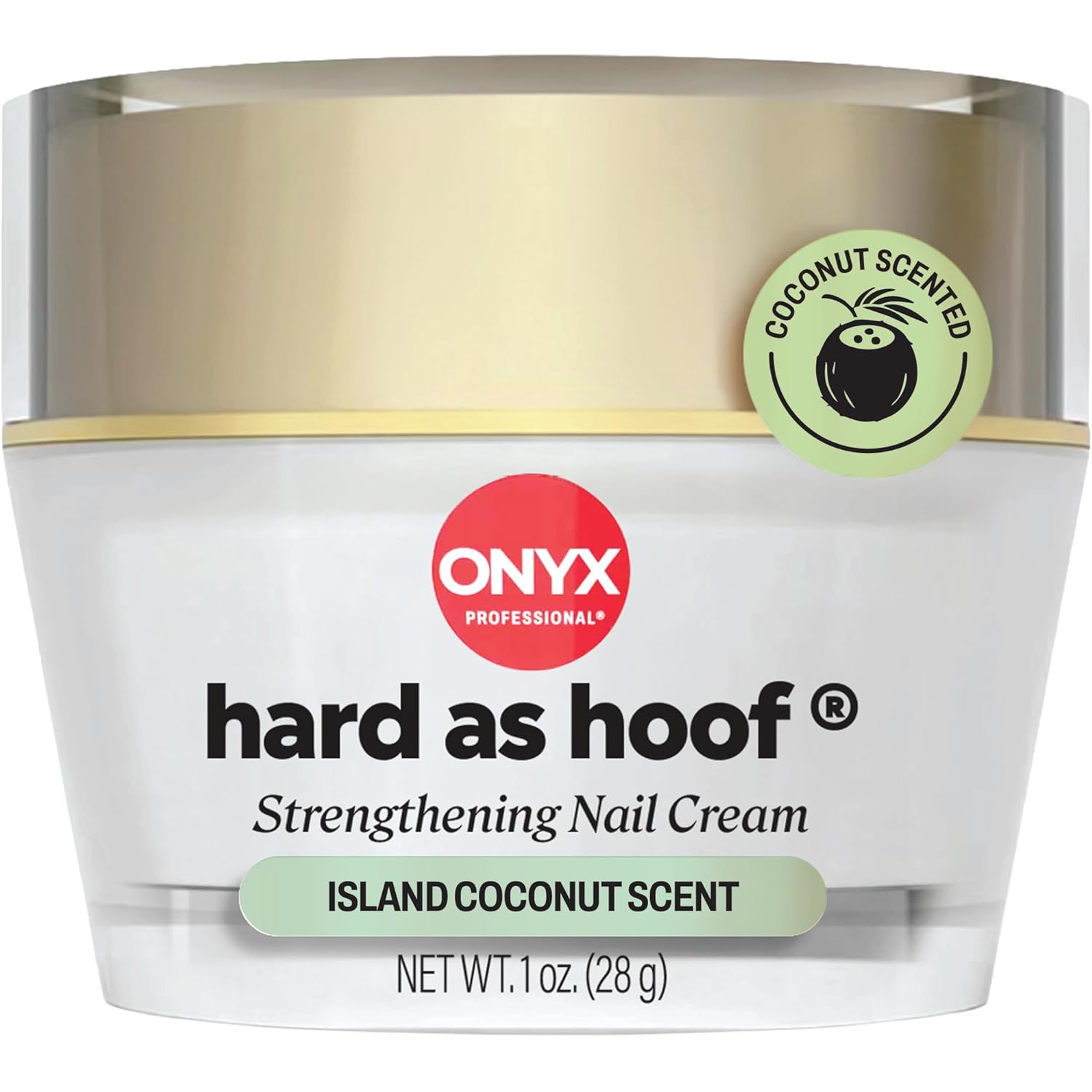
Gentle nail health focuses on consistent hydration, avoiding harsh chemicals, proper filing techniques, and protecting nails with gloves. Nourishing from within through diet and seeking professional advice when needed are also key.
Achieving strong, healthy nails doesn’t require harsh treatments or complicated routines. Gentle care is the key to nurturing your nails, encouraging growth, and preventing damage. This guide offers practical, easy-to-follow tips to enhance your nail health naturally.
- Hydration: Moisturize nails and cuticles daily with oils or creams to prevent dryness and breakage.
- Gentle Handling: Avoid harsh chemicals, aggressive filing, and using nails as tools to prevent damage.
- Internal Nutrition: Support nail strength by consuming a balanced diet rich in biotin, iron, and protein.
- Protection: Wear gloves during household chores to shield nails from water and chemicals.
- Professional Care: Seek hygienic salons and consult experts for persistent nail concerns or infections.
Gentle Nail Health Tips for Stronger, Healthier Nails in 2026
In 2026, the focus on holistic well-being extends to our nails. Moving beyond quick fixes, we’re embracing gentle practices that promote lasting nail strength and vitality. This approach respects the natural structure of your nails and supports their inherent ability to stay healthy and resilient.
Understanding Your Nails: The Foundation of Gentle Care
Before diving into care routines, it’s helpful to understand the basic anatomy of your nails. Knowing these parts helps you appreciate why certain gentle practices are so effective.
The Nail Plate: More Than Just a Hard Surface
The visible part of your nail, the nail plate, is made of keratin. It’s surprisingly porous and can be affected by what it comes into contact with. Gentle handling prevents chipping and breakage.
The Nail Matrix: Where Growth Begins
Located beneath the cuticle, the nail matrix is where new nail cells are produced. Protecting this area is crucial for healthy nail growth. Avoid harsh scraping or pushing back the cuticle too aggressively.
The Cuticle: Your Natural Protective Barrier
The cuticle is a thin layer of skin that seals the area between your nail plate and your finger. It prevents moisture and germs from entering the nail bed. Gentle treatment preserves this vital barrier.
Always be gentle around your cuticles; they are your nails’ first line of defense against infection.
The Nail Bed: Supporting Healthy Growth
The nail bed is the skin beneath the nail plate. It provides nourishment and support for healthy nail growth. Keeping it moisturized and protected contributes to overall nail health.
Essential Gentle Practices for Daily Nail Care
Incorporating gentle habits into your daily routine can make a significant difference in the strength and appearance of your nails.
Hydration is Key: Moisturizing Techniques for Supple Nails
Dryness is a common enemy of healthy nails, leading to brittleness and breakage. Regular moisturizing keeps the nail plate and surrounding skin hydrated and flexible.
Apply a rich hand cream or cuticle oil frequently throughout the day, especially after washing your hands. Massage the product into your nails and cuticles to ensure maximum absorption.
Consider using essential oils known for their moisturizing properties, diluted with a carrier oil, for an extra boost of hydration.
Apply cuticle oil or hand cream at least twice a day, and especially before bed.
Immediately moisturize after washing hands to rehydrate nails and skin.
Gentle Cleansing: Avoiding Harsh Soaps and Chemicals
Many everyday soaps and cleaning products contain harsh chemicals that can strip nails of their natural moisture. This leads to dryness and increased susceptibility to damage.
Opt for mild, hydrating soaps for hand washing. When doing household chores, always wear gloves to protect your nails from these harsh substances.
Avoid using your nails as tools to pry open packages or scrape surfaces, as this can cause them to break or split.
The Art of Filing: Choosing the Right Tools and Techniques
How you file your nails significantly impacts their health. Using the wrong file or technique can create micro-tears, leading to breakage.
Choose a fine-grit file, preferably glass or crystal, which is less abrasive. File your nails in one direction only, from the side to the center, to prevent weakening the nail edge.
Avoid sawing back and forth, as this can cause the nail layers to separate. Ensure nails are dry when filing for best results.
The Power of Protection: Gloves for Household Chores
Your hands and nails are constantly exposed to environmental stressors. Water, detergents, and cleaning chemicals can weaken nails over time.
Wearing rubber or vinyl gloves during dishwashing, cleaning, or gardening creates a protective barrier. This simple step prevents excessive moisture loss and chemical exposure.
Make it a habit to keep a pair of gloves by every sink for easy access when doing chores.
Nourishing Your Nails from Within: Diet and Supplements
Nail health is also influenced by your internal nutrition. A balanced diet provides the building blocks for strong, healthy nails.
Key Nutrients for Nail Strength: Biotin, Iron, and Protein
Certain nutrients play a vital role in keratin production and overall nail health. Biotin, a B vitamin, is particularly well-known for its benefits.
Iron is essential for preventing brittle nails, while protein provides the fundamental building blocks for keratin. Ensure your diet is rich in these key components.
Biotin deficiency is rare, but supplementing may help some individuals with brittle nails. Always consult a healthcare provider before starting new supplements.
Dietary Habits to Boost Nail Health
Focus on incorporating a variety of nutrient-dense foods into your meals. Lean proteins, leafy greens, nuts, seeds, and whole grains are excellent choices.
Foods rich in biotin include eggs, nuts, and sweet potatoes. Iron can be found in red meat, spinach, and lentils. Protein is abundant in chicken, fish, beans, and tofu.
- Include lean proteins like chicken, fish, beans, and tofu.
- Eat leafy greens such as spinach and kale for iron.
- Incorporate nuts and seeds for biotin and healthy fats.
When to Consider Nail Supplements: A Balanced Approach
While a balanced diet should be your primary focus, supplements can be considered if you have deficiencies or persistent nail issues. Biotin supplements are commonly used for nail strength.
However, it’s important to approach supplements with caution. Over-supplementation can sometimes have unintended effects. Always consult with a healthcare professional or a registered dietitian before starting any new supplement regimen.
If you suspect a nutrient deficiency or are considering supplements for nail health, consult your doctor or a dietitian for personalized advice.
Avoiding Common Nail Health Pitfalls: What Not To Do
Certain habits, though common, can be detrimental to your nail health. Being aware of these pitfalls allows you to avoid them.
The Dangers of Nail Biting and Picking
Nail biting and cuticle picking are not only cosmetic concerns but also pose health risks. These habits can damage the nail bed, introduce bacteria, and lead to infections.
Breaking these habits requires conscious effort and sometimes the use of deterrents. Keeping nails neatly trimmed and moisturized can also help reduce the urge.
Nail biting and cuticle picking
Fix
Keep nails short and filed. Use bitter-tasting polish or fidget toys. Seek professional advice if the habit is severe.
Over-Filing and Buffing: Stripping Away Natural Protection
Excessive filing or aggressive buffing can thin the nail plate, making it weak and prone to peeling. This removes the natural protective layers of the nail.
Limit buffing to occasional use for smoothing ridges, and always use a fine-grit buffer. Gentle filing in one direction is key.
The Impact of Gel and Acrylic Overlays: Proper Application and Removal
While gel and acrylic nails can offer a beautiful, durable finish, improper application or removal can cause significant damage to the natural nail.
Always ensure these services are performed by a qualified technician. For removal, avoid forcefully peeling or prying them off. Gentle soaking or professional removal is crucial to prevent weakening the natural nail beneath.
If you are looking for alternatives, consider breathable nail polishes that allow more air and moisture to reach the nail plate.
Never force the removal of gel or acrylic nails. If you are unsure how to remove them safely, seek professional assistance to avoid damaging your natural nails.
Ignoring Early Signs of Nail Issues
Changes in nail color, texture, or shape can be indicators of underlying health issues or damage. Ignoring these signs can lead to more significant problems.
Pay attention to any persistent discoloration, thickening, thinning, or unusual textures. Early detection allows for timely intervention.
If you notice persistent changes like green discoloration, severe thickening, or pain, consult a dermatologist or healthcare professional to rule out any underlying conditions.
The Role of Professional Nail Care: When to Seek Expert Help
While at-home care is essential, professional nail services can also contribute to healthy nails when done correctly.
Choosing a Reputable Nail Technician in 2026: What to Look For
In 2026, prioritize technicians who demonstrate a commitment to hygiene and client education. Look for clean workstations, properly sterilized tools, and technicians who discuss your nail health concerns.
A good technician will also advise on appropriate aftercare and be transparent about the products they use.
How can I ensure a nail salon is hygienic?
Look for technicians who wash their hands before service, use individual, sanitized tools (or disposable ones), and have a clean, organized workspace. Don’t hesitate to ask about their sterilization procedures.
Recognizing Unsanitary Practices and Potential Risks
Be aware of practices that could compromise your nail health. Double-dipping in polish bottles, using the same files on multiple clients, or visible signs of infection are red flags.
These practices increase the risk of spreading bacteria and fungal infections. Trust your instincts; if a salon doesn’t feel clean, it’s best to find another.
Never allow a nail technician to cut your living cuticle tissue. This protective barrier should only be gently pushed back, never cut.
When to See a Dermatologist: Warning Signs of Underlying Conditions
Nails can sometimes reflect systemic health issues. Persistent problems that don’t resolve with gentle care may require medical attention.
Consult a dermatologist if you notice significant changes such as dark streaks, pitting, severe discoloration, or if you suspect a fungal infection that isn’t improving. Early diagnosis is key for effective treatment.
For persistent nail pain, swelling, bleeding, or signs of infection, seek immediate advice from a dermatologist or healthcare provider.
Innovative Gentle Nail Treatments and Products for 2026
The beauty industry is constantly evolving, offering new and improved gentle options for nail care.
Advanced Hydration Formulas: New Moisturizing Technologies
Look for moisturizers and cuticle oils formulated with advanced hydrating ingredients. Hyaluronic acid, ceramides, and plant-derived oils are excellent for deep, lasting moisture.
These formulations are designed to penetrate the nail plate and surrounding skin more effectively, providing superior hydration and promoting flexibility.
Breathable Nail Polishes: Allowing Nails to “Breathe”
Traditional nail polishes can sometimes seal the nail, preventing air and moisture exchange. Breathable polishes, also known as “water-permeable” or “oxygen-permeable” polishes, allow for this exchange.
These are often formulated with specialized polymers that create a porous film. They can be a great option for those who experience nail dryness or brittleness with regular polish use.
When using breathable polishes, you might notice they require slightly different application techniques. Follow product instructions carefully.
Gentle Nail Strengtheners: Science-Backed Formulations
Modern nail strengtheners are formulated to nourish and fortify nails without harsh chemicals like formaldehyde or toluene, which can cause damage.
Look for strengtheners enriched with proteins, vitamins, and natural extracts. These products work to improve the nail’s resilience and reduce breakage over time.
Recap: Your Roadmap to Consistently Strong and Healthy Nails
Embracing gentle nail health tips is a long-term strategy for beautiful, strong nails. By understanding your nails, practicing mindful daily care, nourishing from within, and avoiding harmful habits, you pave the way for optimal nail vitality.
Remember that consistency is key. Small, gentle actions performed regularly will yield the best results, ensuring your nails remain healthy and resilient for years to come.
- Hydration: Moisturize nails and cuticles daily with oils or creams.
- Gentle Handling: Avoid harsh chemicals, aggressive filing, and using nails as tools.
- Internal Nutrition: Eat a balanced diet rich in biotin, iron, and protein.
- Protection: Wear gloves for household chores to shield nails from damage.
- Professional Care: Choose hygienic salons and consult experts for persistent issues.
Frequently Asked Questions
Key gentle practices include regular hydration with cuticle oil or hand cream, using mild soaps, and filing nails in one direction with a fine-grit file. Always protect your nails by wearing gloves for household chores.
Essential nutrients for nail strength include biotin, which supports keratin production, iron to prevent brittleness, and protein as a fundamental building block for nails. Ensure your diet is rich in these components.
Avoid nail biting and cuticle picking, as these can damage the nail bed and introduce infections. Also, steer clear of over-filing, aggressive buffing, and forceful removal of gel or acrylic overlays, which can weaken natural nails.
Look for a salon where technicians wash their hands, use sanitized or disposable tools, and maintain a clean workspace. Don’t hesitate to ask about their sterilization procedures. A reputable technician will also prioritize client education.
Consult a dermatologist if you notice persistent changes like dark streaks, pitting, severe discoloration, or if you suspect a fungal infection that isn’t improving. Early diagnosis is crucial for effective treatment.
Yes, 2026 offers advanced hydration formulas with ingredients like hyaluronic acid, breathable nail polishes that allow air and moisture exchange, and gentle nail strengtheners free from harsh chemicals like formaldehyde.