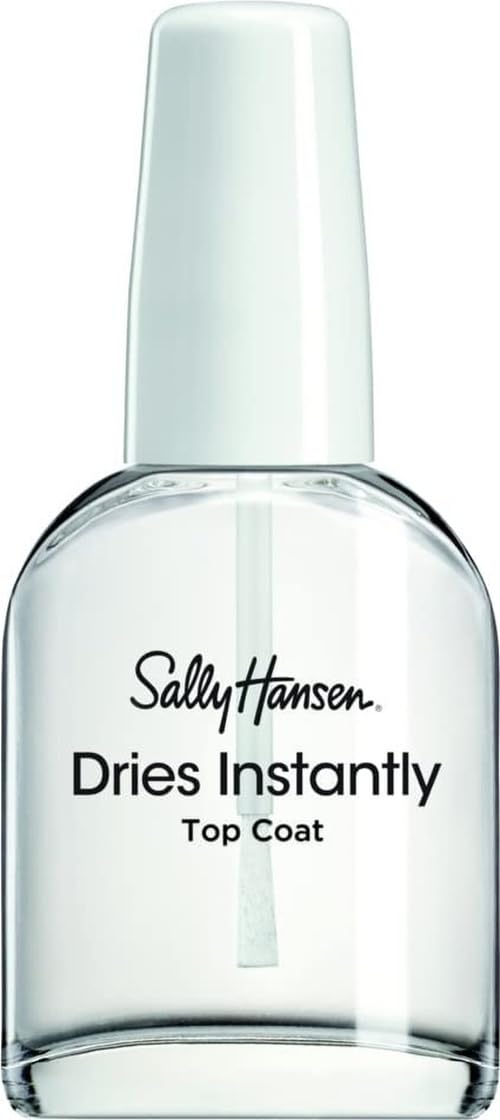
Is Nail Dehydrator Safe for Natural Nails?

Quick Answer
Nail dehydrator can be suitable for healthy natural nails when used exactly as directed, but it isn’t risk-free. The formula, your nail condition, and skin contact matter; follow the guidance on safe nail-product use and stop if irritation develops.
What matters most
- Healthy nails: Skip application over sore, damaged nails or broken surrounding skin.
- Correct product: A dehydrator and an acid primer are different products.
- Minimal application: Use the directed amount without flooding the skin.
- No daily use: Treat it as manicure preparation, not routine nail care.
I’d judge a nail dehydrator by its ingredients and instructions before trusting claims about longer wear. A bottle that improves adhesion doesn’t automatically improve nail health.
This guide explains when dehydrator makes sense, what can go wrong, and how to protect your natural nails. It also separates temporary surface drying from damage caused elsewhere in a manicure.
In This Guide
- What does nail dehydrator do?
- Can nail dehydrator damage natural nails?
- How does dehydrator compare with primer and cleanser?
- Who should skip nail dehydrator?
- How do you use nail dehydrator carefully?
- How often should you use it?
- What symptoms mean you should stop?
- How can you protect nails between manicures?
- Frequently asked questions
- Your next manicure: a simple safety check
What does nail dehydrator do?
Nail dehydrator is a preparation liquid that temporarily removes surface moisture and oils from the nail plate. The nail plate is the hard, visible part of your nail.
Its purpose is to prepare that surface for a compatible coating or enhancement. It doesn’t strengthen the nail or repair peeling layers.
Why do manicure systems include it?
Surface contamination can interfere with adhesion, meaning how well a product sticks. Dehydrator helps prepare the surface when a manicure system calls for it.
- Gel systems: Some specify dehydrator before their base coat or bonding product.
- Acrylic systems: Preparation may include separate dehydrating and priming steps.
- Press-on systems: Follow the adhesive manufacturer’s cleaning instructions.
- Regular polish: A separate dehydrator may be unnecessary.
Does it remove all the moisture inside a nail?
No: temporary surface preparation isn’t the same as permanently drying the entire nail. However, repeated solvent exposure can leave nails and surrounding skin feeling dry.
Many formulas use fast-evaporating solvents, such as alcohol or acetone. Ingredients vary, so the product name alone doesn’t tell you what’s inside.
Practical distinction: A prepared surface may help a coating adhere, but that doesn’t prove the nail underneath is healthier.
Can nail dehydrator damage natural nails?
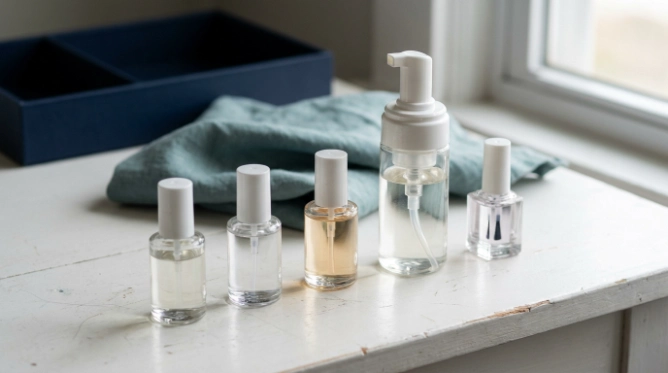
Nail dehydrator can contribute to dryness or irritation, particularly with repeated exposure or skin contact. Correct application reduces avoidable exposure but cannot guarantee that everyone will tolerate every formula.
“Safe for natural nails” should therefore be read as conditional. Healthy nails, clear instructions, and careful handling all matter.
Temporary dryness versus physical damage
A solvent preparation step differs from sanding away nail layers. Still, several stressful steps can occur during the same manicure.
- Solvent exposure: May leave the nail surface or nearby skin dry.
- Heavy filing: Can remove part of the natural nail plate.
- Picking off coatings: Can pull away surface layers.
- Repeated removal: Adds another exposure that deserves attention.
If nails feel thin after removal, blaming the dehydrator alone may miss the cause. Review the whole process before changing one bottle.
Does better adhesion mean less damage?
Not automatically. A coating that stays attached longer still requires suitable application and careful removal.
I’d ask two separate questions: “Will this help the product adhere?” and “Does my nail need this step?” That distinction keeps wear time from becoming the only goal.
- Don’t add extra coats simply because a previous manicure lifted.
- Don’t use stronger preparation to compensate for damaged nails.
- Don’t treat pain as proof that a product is working.
Dermatologist note: Ask a clinician about ongoing nail tenderness, peeling, or changes that don’t settle after stopping cosmetic treatments.
How does dehydrator compare with primer and cleanser?
A dehydrator prepares the surface, while a primer promotes bonding through its particular formulation. A cleanser can serve different purposes depending on its label.
Names overlap between brands. Check the directions before deciding that two bottles do the same job.
| Product | Main purpose | Important distinction |
|---|---|---|
| Nail dehydrator | Temporarily remove surface moisture and oils | Usually evaporates; doesn’t strengthen nails |
| Acid primer | Promote adhesion in specified systems | May contain methacrylic acid; requires particular care |
| Acid-free primer | Create a bonding interface | “Acid-free” doesn’t mean allergy-free |
| Nail cleanser | Clean the surface or remove specified residue | Not every cleanser is intended for bare-nail preparation |
| Base coat | Form the first coating layer | Remains on the nail; drying or curing depends on the system |
Why the primer distinction matters
Methacrylic acid primers have different hazards from simple solvent dehydrators. Don’t substitute one for the other because both appear in preparation kits.
Likewise, a product labeled “bonder” might require lamp curing or might air-dry. Read that bottle’s instructions rather than borrowing directions from another brand.
Shopping check: Choose a clearly labeled product with accessible directions and ingredient information, not just an attractive kit.
Who should skip nail dehydrator?
Skip cosmetic preparation when nails are painful, visibly damaged, or surrounded by broken or inflamed skin. A dehydrator isn’t a treatment for those problems.
For example, a nail that feels sore after aggressive filing needs a pause. Adding preparation products won’t replace the missing nail layers.
- Split or peeling nails: Avoid adding unnecessary chemical preparation while assessing the damage.
- Cracked skin: Keep nail-preparation liquids away from cuts and sore nail folds.
- Previous reactions: Get advice before trying another product with unknown ingredients.
- Nail separation: Don’t cover a lifting natural nail without finding out why it has separated.
What if you have eczema or a known allergy?
Your individual triggers matter more than claims such as “gentle” or “professional.” Keep the ingredient list available for your clinician.
Don’t deliberately test a suspected nail allergen on your skin at home. A dermatologist can decide whether formal allergy testing is appropriate.
What if your nails are naturally thin?
Thin nails aren’t an automatic diagnosis, but tenderness or new thinning deserves attention. Avoid assuming that every natural nail can tolerate the same preparation routine.
Dermatologist note: If you have eczema, a diagnosed nail condition, or previous cosmetic reactions, ask for advice tailored to your situation.
How do you use nail dehydrator carefully?
Use only a product intended for your manicure system, in the amount its manufacturer specifies. Keep application on the nail plate and avoid surrounding skin.
Set everything out first. Reaching for supplies after preparation makes it easier to touch the cleaned surface accidentally.
- Inspect bare nails. Stop if you notice soreness, broken skin, or unexplained changes.
- Read every relevant label. Confirm the preparation order, application method, and drying requirements.
- Prepare your workspace. Provide ventilation and keep solvent products away from flames and heat.
- Clean as directed. Remove old coating and dust without scraping or aggressive buffing.
- Apply the specified amount. For brush-on formulas, avoid a dripping brush or pooled liquid.
- Allow the directed drying time. Don’t touch the surface to check whether it feels dry.
- Continue with the compatible next step. Add primer only if the system requires it.
- Close the bottle. Store it securely and keep it out of children’s reach.
How many coats should you apply?
Follow the label instead of choosing an arbitrary number. If it specifies one application, adding two more is unnecessary exposure.
Brush-on dehydrators and wipe-on preparation liquids may have different methods. A universal “one quick swipe” rule won’t suit every formula.
Should you cure dehydrator under a lamp?
Simple solvent dehydrators normally air-dry through evaporation. Don’t assume a combination preparation or bonding product follows the same rule.
- Use the drying method stated on the bottle.
- Don’t invent a universal 30-second drying time.
- Don’t add oil between dehydration and coating application unless the system directs it.
Useful habit: Photograph the directions before starting, so you can check them without handling the bottle repeatedly.
How often should you use it?
Use dehydrator only when a manicure’s instructions call for it. It isn’t a daily maintenance product, and there’s no universal safe weekly application count.
The condition of your nails matters more than a fixed calendar. Repeating a manicure over sore nails isn’t made sensible by waiting a particular number of days.
Do you need it for regular nail polish?
Not always. Check whether your polish or base-coat system asks for a separate preparation product.
- Polish already wears well: There may be no practical reason to add another step.
- Polish chips quickly: Review application and daily wear before adding stronger preparation.
- Nails feel dry: Reconsider unnecessary solvent steps.
What if your gel keeps lifting?
Lifting has several possible causes, so extra dehydrator isn’t a complete troubleshooting plan. Review the system’s instructions from preparation through removal.
- Check whether products are intended to work together.
- Check layer thickness and skin contact.
- Confirm the specified lamp and curing instructions.
- Ask a trained nail professional to assess repeated failures.
A helpful example is a manicure that lifts mainly where gel touched the skin. More dehydrator doesn’t correct that placement problem.
What symptoms mean you should stop?
Stop applying products if you develop burning, itching, redness, swelling, or blisters. These symptoms don’t confirm which ingredient caused the problem.
DermNet’s nail cosmetics allergy guidance explains that reactions can affect nearby skin or areas touched by the hands, including eyelids. A reaction needn’t stay around the nails.
Dryness, irritation, and allergy aren’t interchangeable
- Dryness: Skin may feel tight or look flaky.
- Irritation: Direct exposure may cause stinging or inflammation.
- Allergic contact dermatitis: An immune reaction may cause an itchy rash after exposure.
Symptoms can overlap. Don’t diagnose the cause from a photograph or the timing alone.
What should you do next?
Stop the service and follow the label’s first-aid directions for accidental exposure. Don’t cover irritated tissue with another coating.
- Save the bottle and ingredient list.
- Record when symptoms started and which products were used.
- Seek medical advice for persistent symptoms, nail separation, or worsening pain.
- Get urgent help for breathing difficulty or facial swelling.
Dermatologist note: A clinician can assess whether symptoms reflect irritation, allergy, infection, or another nail problem.
How can you protect nails between manicures?
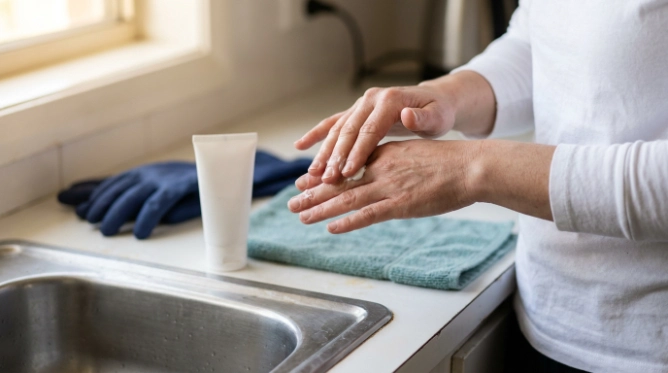
Keep aftercare simple and focus on avoiding further stress. Dehydrator doesn’t belong in a nail-recovery routine.
The American Academy of Dermatology’s healthy-nail tips recommend moisturizing after handwashing and wearing gloves for wet cleaning tasks. They also advise against removing cuticles or using nails as tools.
- Moisturize regularly: Apply a comfortable hand cream after washing.
- Protect from chores: Wear suitable gloves when washing dishes or cleaning.
- Reduce snags: Keep rough edges gently filed.
- Avoid picking: Follow the coating’s removal instructions.
Can cuticle oil reverse dehydrator damage?
Oil may help dry surrounding skin feel more comfortable, but it won’t rebuild nail layers lost through filing or peeling. Don’t mistake a smoother appearance for structural repair.
If symptoms keep returning, reconsider the manicure routine instead of adding more aftercare products. Comfort matters more than keeping a coating on.
Dermatologist note: Seek an assessment if nail changes persist despite gentler care or if swelling and pain develop.
Frequently asked questions
Is nail dehydrator safe on bare natural nails?
Nail dehydrator is intended for bare-nail preparation in compatible manicure systems. Use it only as directed on healthy nails, and avoid surrounding skin; applying it simply to keep unpolished nails dry offers no useful nail-care benefit.
Does nail dehydrator make nails thinner?
Dehydrator doesn’t mechanically file away the nail plate, but it can contribute to dryness or irritation. If nails seem thinner after a manicure, review buffing, picking, and removal as well as the preparation products used.
Can I use rubbing alcohol instead of nail dehydrator?
Some manicure systems allow a specified alcohol preparation, while others require their own product. Follow those instructions because concentration and additives vary; hand sanitizer and fragranced rubbing alcohol aren’t automatically suitable substitutes for nail preparation.
Is acetone-free nail dehydrator safer?
Acetone-free describes one missing ingredient, not the safety of the entire formula. Other solvents or ingredients may still irritate skin, so compare the full label and avoid any ingredient you know has caused a reaction.
Should nail dehydrator burn when applied?
No: don’t treat burning as an expected sign of effective preparation. Stop application, follow the product’s exposure instructions, and seek advice if symptoms persist; damaged skin or another product in the routine may be involved.
Does nail dehydrator prevent nail fungus?
Don’t use ordinary nail dehydrator as an antifungal treatment or assume it sterilizes nails. Surface preparation doesn’t replace hygiene, and unexplained discoloration, thickening, or separation needs assessment instead of another layer of cosmetic product.
Your next manicure: a simple safety check
For a 2026 manicure routine, check the current bottle’s directions even if you recognize the product name. Formulas and application instructions can change.
- Are your nails and surrounding skin comfortable and intact?
- Does your chosen system require this preparation step?
- Can you apply it without flooding the skin?
If those answers are yes, follow the label and keep preparation minimal. If your nails hurt or react, pause the manicure and address the cause.