Long Lasting Manicure Care Tips For Perfect Nails

Achieve a durable manicure by focusing on proper nail preparation, thin polish application with a sealed free edge, and consistent daily protection. Understanding nail health and avoiding common damaging habits are key to extending your manicure’s life for weeks.
Achieving a flawless manicure that lasts is the dream for many. Whether you opt for a classic polish, gel, or dip powder, seeing chips and dullness appear too soon can be frustrating. This ultimate guide dives into the secrets of long-lasting manicure care, from understanding the science behind polish adhesion to mastering application techniques and adopting smart daily habits. Get ready to extend the life of your beautiful nails and keep them looking salon-perfect for as long as possible.
- Preparation is Key: Clean, oil-free nails and a quality base coat are essential for polish adhesion.
- Application Matters: Apply thin, even coats and always ‘cap’ the free edge with polish and top.
- Daily Protection: Wear gloves for chores and moisturize to keep nails flexible and prevent damage.
- Avoid Nail Abuse: Never use your nails as tools, and minimize prolonged water exposure.
- Choose Wisely: Consider gel or dip powder for maximum longevity, and reapply top coat regularly.
Long Lasting Manicure Care Tips For Perfect Nails in 2026: The Ultimate Guide
Understanding the Science Behind a Durable Manicure
A manicure’s longevity isn’t just about the polish; it’s a complex interplay of nail health, preparation, and environmental factors. Understanding these elements can help you make informed choices for a more durable finish.
The Nail Plate’s Role in Polish Adhesion
Your natural nail plate is the foundation for any polish. Its surface texture and natural oils can significantly impact how well polish adheres. A smooth, clean nail surface allows for better bonding.
The nail plate is made of keratin, the same protein found in hair and skin. Its condition directly affects how well products adhere to it.
Environmental Factors Affecting Polish Longevity
External elements play a huge role. Exposure to water, harsh chemicals, and even extreme temperature changes can break down the polish’s bond with the nail.
Activities like prolonged dishwashing or cleaning without gloves can soften the nail plate, leading to lifting or chipping. Even typing on a keyboard can cause wear and tear over time.
The Impact of Nail Health on Manicure Wear
Healthy, strong nails are more resilient. Brittle or damaged nails are prone to breaking, which directly affects the manicure’s integrity. Underlying nail conditions can also compromise polish adhesion.
Issues like dryness or thinning can make nails more flexible, potentially causing polish to crack or peel. Prioritizing nail health is key to a lasting manicure.
Pre-Manicure Preparation: The Foundation for Lasting Beauty
The steps you take before applying any polish are critical for ensuring it stays put. Proper preparation prevents common issues like lifting and peeling.
The Crucial Step: Proper Nail Cleansing and Dehydration
Before anything else, your nails must be clean and free of oils. Even natural oils from your fingertips can prevent polish from adhering properly.
Use a nail cleanser or rubbing alcohol on a cotton pad to wipe down each nail. This removes any residue, dust, or oils, creating a clean canvas for your manicure.
Ensure your nails are completely dry after cleansing. Any moisture can interfere with the base coat’s adhesion.
Buffing Techniques for Optimal Surface Adhesion (And When to Avoid It)
A light buffing can create a slightly rougher surface, which helps polish grip. Use a fine-grit buffer and be gentle.
However, over-buffing can thin and weaken the nail plate. Avoid buffing if your nails are already thin, brittle, or damaged. Focus on the surface, not the edges.
For gel and dip powder manicures, a very light buffing is often recommended by professionals to create a better bond. Always follow the specific product or salon’s guidelines.
The Importance of a High-Quality Base Coat: Beyond the Basics
A good base coat is more than just a protective layer; it’s an adhesion promoter. It creates a sticky surface for the color to cling to.
Look for base coats that are specifically designed for long-wear or improved adhesion. Some formulas also help to strengthen the nail or fill in ridges.
Apply a thin, even layer of a high-quality base coat to each nail, extending the polish to the free edge.
Application Techniques for Maximum Manicure Endurance
How you apply the polish is just as important as the products you use. Mastering these techniques can significantly extend your manicure’s life.
Layering Perfection: The Art of Thin, Even Coats
Thick coats of polish are more prone to smudging, bubbling, and chipping. The key to a durable manicure is applying multiple thin layers.
Each layer should be thin enough that it dries relatively quickly. This allows for better bonding between layers and a smoother finish.
Apply the first thin coat of color, leaving a tiny gap at the cuticle and side walls. Cap the free edge by swiping the brush horizontally across the tip.
Apply a second thin coat, ensuring even coverage and sealing the free edge again. Allow adequate drying time between coats.
Curing Techniques for Gel and Dip Powder Manicures
Gel and dip powder manicures rely on curing to harden and create a durable finish. Proper curing is essential for longevity.
For gel polish, ensure each layer is cured under a UV or LED lamp for the recommended time. For dip powder, follow the specific activation steps, usually involving an activator liquid.
Using an under-powered lamp or not curing for long enough can lead to a manicure that peels or chips prematurely. Always follow product instructions carefully.
Sealing the Deal: The Power of a Superior Top Coat
A high-quality top coat is your manicure’s best friend for longevity. It seals in the color, adds shine, and protects against chips and wear.
Choose a top coat known for its durability and quick-drying properties. Gel-like or long-wear top coats can offer superior protection and shine.
Apply one final thin layer of top coat. Crucially, ‘cap’ the free edge of the nail by swiping the brush across the tip to seal the polish.
Reapply top coat every 2-3 days to refresh the shine and add an extra layer of protection.
Daily Habits for Extending Your Manicure’s Life
Your daily routine can make or break your manicure. Adopting a few protective habits can dramatically increase how long your polish looks fresh.
Protective Gear: Your First Line of Defense Against Chipping
Anything that involves prolonged contact with water or harsh chemicals can weaken your manicure. Gloves are your best friend.
Wear rubber gloves when doing dishes, cleaning the house, or gardening. This simple step protects your nails from moisture and abrasive substances.
Keep a pair of gloves by your kitchen sink and bathroom. Making them easily accessible encourages their use.
Hydration Heroes: Moisturizing Cuticles and Nails for Flexibility
Dry nails are brittle nails. Keeping your nails and cuticles hydrated helps maintain their flexibility, making them less prone to cracking and chipping.
Apply cuticle oil regularly, especially after washing your hands or removing polish. Massage it into the nail and surrounding skin.
Apply cuticle oil daily, or multiple times a day if your nails feel dry. Massage it into the cuticles and nail bed.
Avoiding “Nail Abuse”: Common Mistakes That Sabotage Your Polish
We often unknowingly use our nails as tools, which is a major cause of damage and chipping. Being mindful of how you use your hands is crucial.
The “Tool” Nails: Why Keys and Lighters Are Not Your Friends
Using your nails to open cans, scrape labels, or pry things apart puts immense pressure on the polish and the nail itself.
This can cause immediate chips, breaks, or even lift the polish from the nail bed. Always reach for the appropriate tool instead of your nails.
Treat your nails with care. Using them as tools is a common mistake that leads to premature manicure failure.
Waterlogged Woes: The Detrimental Effects of Prolonged Soaking
Extended exposure to water softens the nail plate and the polish. This makes them more susceptible to damage and can lead to the polish lifting away from the nail.
This is why wearing gloves for household chores is so important. Even a long bath or swimming can impact your manicure’s lifespan.
Advanced Long Lasting Manicure Care Strategies
For those seeking maximum durability, several advanced strategies can further enhance your manicure’s resilience and appearance.
The Role of Nail Strengtheners and Treatments
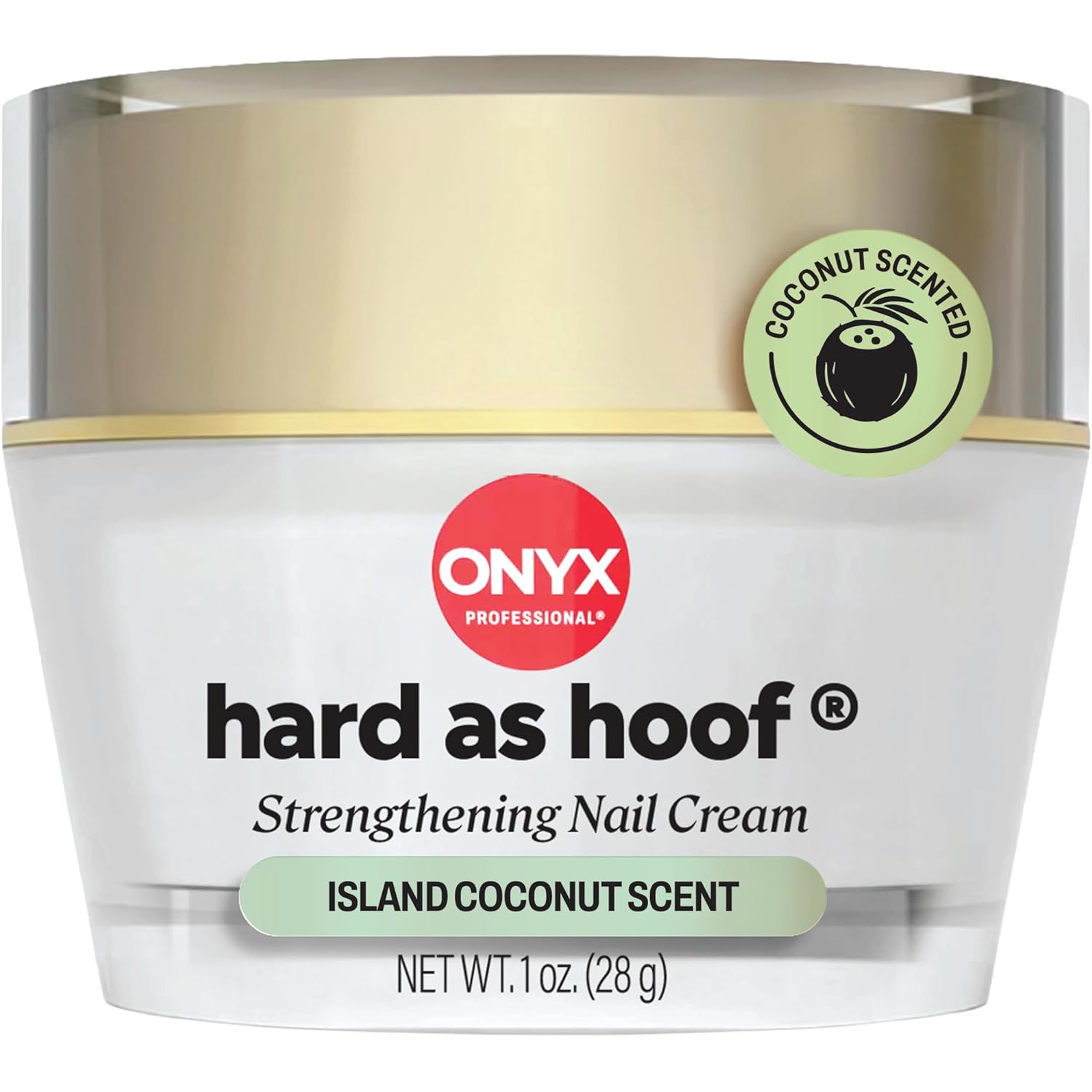
Nail strengtheners can be beneficial for nails that are prone to breaking or peeling. They help to fortify the nail plate, making it more resistant to damage.
Some treatments also help to smooth the nail surface, improving polish adhesion. Choose a strengthener appropriate for your nail type, and use it according to instructions.
Be cautious with strengtheners. Overuse can sometimes make nails too rigid and prone to snapping. Follow product guidelines and listen to your nails.
Exploring Innovative Long-Wear Polish Technologies (2026 Trends)
The beauty industry is constantly evolving. By 2026, expect advancements in polish formulas offering even greater chip resistance and extended wear times.
Look for polishes with advanced polymer technology or hybrid formulas that combine the benefits of traditional polish with gel-like durability. Innovations in top coats also continue to push the boundaries of shine and longevity.
Professional vs. At-Home: Choosing the Right Long-Lasting Manicure Type
Both professional and at-home options offer long-lasting manicures, but they differ in application, durability, and removal. Gel manicures and dip powder systems are popular choices for extended wear.
Gel polish, when applied correctly and cured under a lamp, can last 2-3 weeks. Dip powder manicures can last even longer, often 3-4 weeks, offering exceptional durability.
| Manicure Type | Typical Longevity | Removal | Best For |
|---|---|---|---|
| Traditional Polish | 3-7 days | Standard nail polish remover | Quick changes, less commitment |
| Gel Polish | 2-3 weeks | Acetone soak or professional removal | Long-lasting color, high shine |
| Dip Powder | 3-4 weeks | Acetone soak or professional removal | Extreme durability, strong nails |
Troubleshooting Common Long-Lasting Manicure Issues
Even with the best care, occasional issues can arise. Knowing how to address them quickly can save your manicure.
Dealing with Lifting and Peeling: Early Intervention is Key
Lifting or peeling often starts at the free edge or cuticle. If you notice a small edge lifting, try to gently file it smooth rather than picking at it.
For minor lifting, a bit of top coat applied carefully to the lifted edge can sometimes seal it down. However, if a large section is peeling, it’s often best to remove and reapply.
Polish is lifting or peeling at the edges.
Fix
Gently file the lifted edge smooth. If it’s a small area, carefully apply a thin layer of top coat to re-seal. For larger areas, consider removal and reapplication.
Addressing Dullness and Loss of Shine
Over time, the shine can diminish due to wear and tear. Reapplying a layer of top coat every few days can help maintain that glossy finish.
If the dullness is significant, a gentle buff with a fine-grit buffer followed by a new top coat can restore the shine. Ensure your nails are clean before reapplying top coat.
Manicure has lost its shine.
Fix
Reapply a thin layer of top coat. For more significant dullness, try gently buffing the surface and reapplying top coat.
When to Seek Professional Nail Tech Help: Red Flags to Watch For
While minor issues can often be managed at home, some signs indicate it’s time to consult a professional nail technician or even a dermatologist.
Persistent lifting, discomfort, or changes in the nail’s appearance like discoloration or thickening could signal an underlying issue that requires expert attention.
If you experience persistent pain, swelling, redness around the nail, or notice green discoloration, consult a dermatologist or healthcare professional. These could be signs of infection or other issues.
Recap: Your Blueprint for a Flawless, Long-Lasting Manicure
Achieving a long-lasting manicure is a combination of smart preparation, precise application, and consistent daily care. By understanding your nails and protecting them from damage, you can significantly extend the life of your polish.
Remember to cleanse thoroughly, use high-quality base and top coats, apply thin layers, and protect your hands. With these tips, you’ll be well on your way to enjoying beautiful, chip-free nails for weeks to come.
- Proper nail preparation, including cleansing and light buffing, is crucial for polish adhesion.
- Applying thin, even coats of polish and sealing the free edge with a quality top coat are key application techniques for durability.
- Daily habits like wearing gloves for chores and moisturizing cuticles help protect your manicure from damage and dryness.
- Avoid using your nails as tools and minimize prolonged exposure to water to prevent chipping and lifting.
- Advanced strategies like nail strengtheners and choosing durable manicure types like gel or dip powder can further enhance longevity.
Frequently Asked Questions
To make regular polish last longer, start with clean, oil-free nails and a good base coat. Apply thin, even coats of color and always seal the free edge with a durable top coat. Reapply top coat every 2-3 days and wear gloves for household chores.
Gel polish typically lasts 2-3 weeks with proper application and care. Dip powder manicures are known for even greater durability, often lasting 3-4 weeks, making them a top choice for extended wear.
Yes, using a nail strengthener can improve durability. Look for formulas that fortify the nail plate without making it overly rigid. Regular application of cuticle oil also keeps nails flexible and less prone to breakage, which helps polish adhere better.
Capping the free edge, which means swiping your polish and top coat horizontally across the tip of the nail, is crucial. It creates a seal that prevents polish from chipping or lifting from the vulnerable edge.
Common mistakes include using nails as tools (like opening cans), prolonged exposure to water without gloves, and applying thick coats of polish. Neglecting to properly prep the nail surface or skipping the top coat also significantly reduces longevity.
You should see a professional nail technician or dermatologist if you experience persistent lifting, pain, swelling, redness, or any discoloration of the nail. These could indicate an infection or a more serious underlying nail condition.