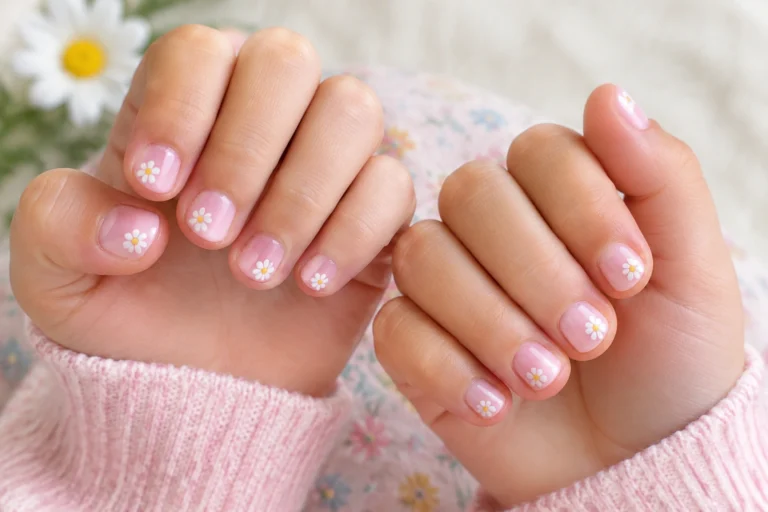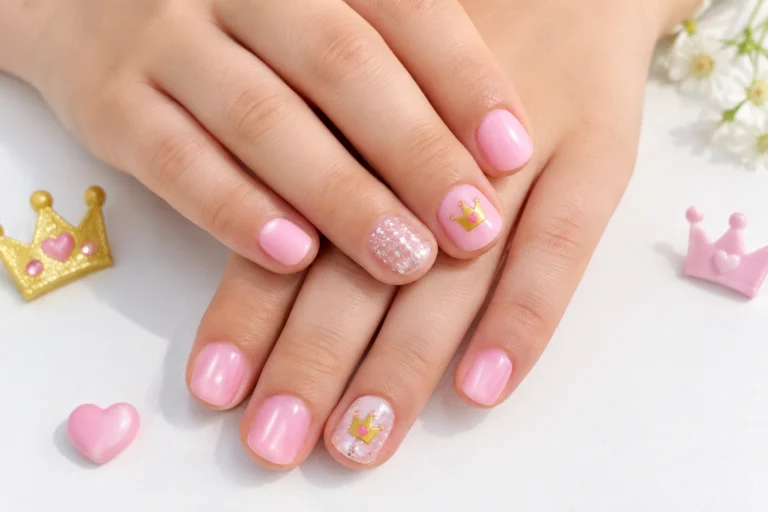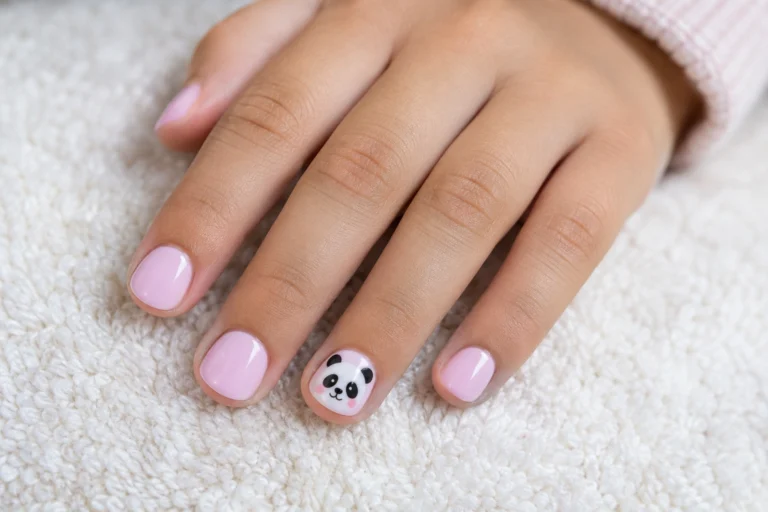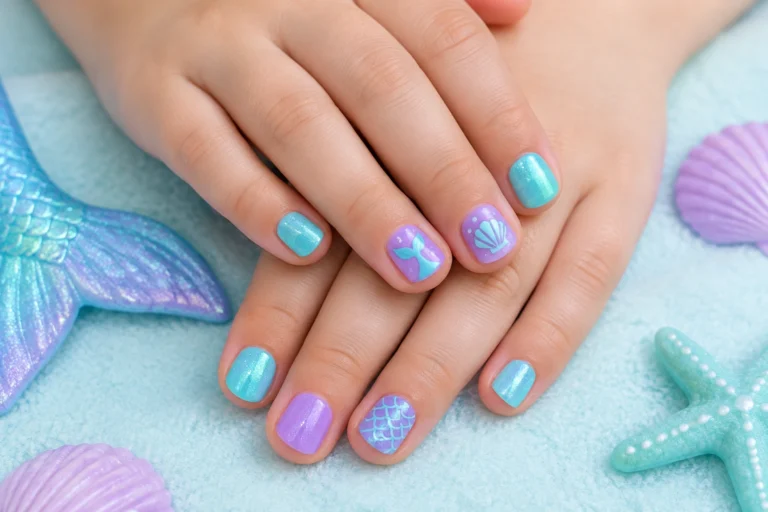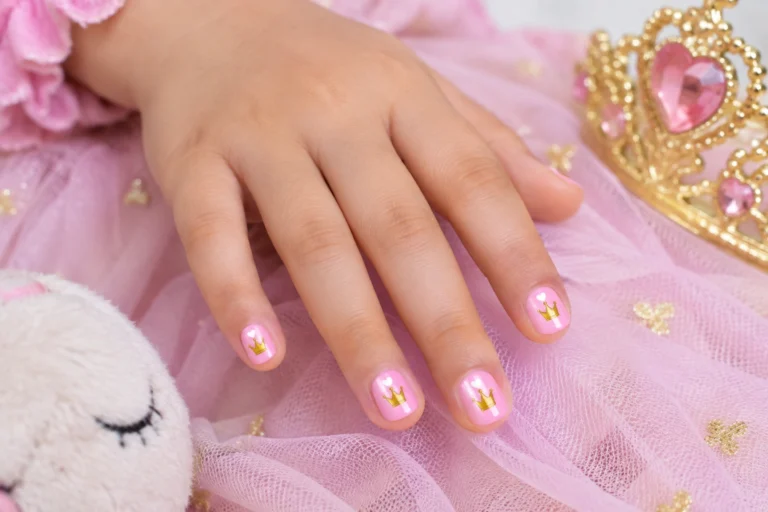

Natural nails can be a great fit for teens who want something neat, age-appropriate, and easy to live with. In this guide, I’m focusing on the practical side: how to keep nails looking clean and polished without leaning on acrylics, gels, or other high-commitment enhancements.
If you’re a parent, caregiver, or teen, the goal is usually the same: healthy nails that don’t snag, split, or turn into a weekly project. That usually means finding a shape and routine that works with school, sports, typing, instruments, and everyday life.
What Natural Nails Mean for Teens
“Natural nails” simply means the teen’s own nails, kept in a way that looks tidy and feels manageable. That might be bare nails, or nails with a clear coat, sheer pink polish, or a subtle design.
For teens, natural nails usually work best when they are:
- kept at a length that doesn’t snag easily
- filed smooth instead of shaped aggressively
- moisturized enough to avoid dryness and peeling
- styled in a way that fits school rules and family preferences
This is different from acrylics, gel extensions, or other salon enhancements, which can look fun but usually add more upkeep. For younger teens especially, that extra upkeep can be a lot to maintain consistently.
If you’re comparing options, think less about “most dramatic” and more about “most realistic.” A look that lasts through class, sports, and homework is often the one that ends up feeling the best.
For a deeper look at how salon services compare, see how long salon nails last and what to know before fixing a broken natural nail.
How to Choose the Right Natural Nail Length and Shape
The safest and easiest choice for most teens is a short, rounded, or squoval natural nail. Shorter nails are less likely to catch on clothing, break during sports, or get in the way while writing or typing. Shape matters too, but it works best when it matches the teen’s nail strength and daily routine.
Here’s a simple decision framework:
Choose shorter nails if the teen:
- plays sports or uses hands a lot
- types a lot for school
- bites or picks at nails
- has nails that bend, peel, or split often
- wants the lowest-maintenance option
Consider a slightly longer natural nail if the teen:
- can keep up with regular filing
- doesn’t mind more careful daily use
- wants a more styled look for events
- has nails that are already fairly strong
Shape matters too. Rounded, oval, squoval, and short square shapes are usually easier to live with because the edges are less likely to snag. A short almond shape can also work if the nail is strong enough and the teen is gentle with it. Sharper or more dramatic shapes may look stylish, but they often need more maintenance and can be less practical for everyday school use.
A helpful rule: if the nail shape makes it harder to text, write, play an instrument, or open a backpack zipper, it may be too much for daily wear.
Simple Teen Nail Care Routine for Healthy Natural Nails
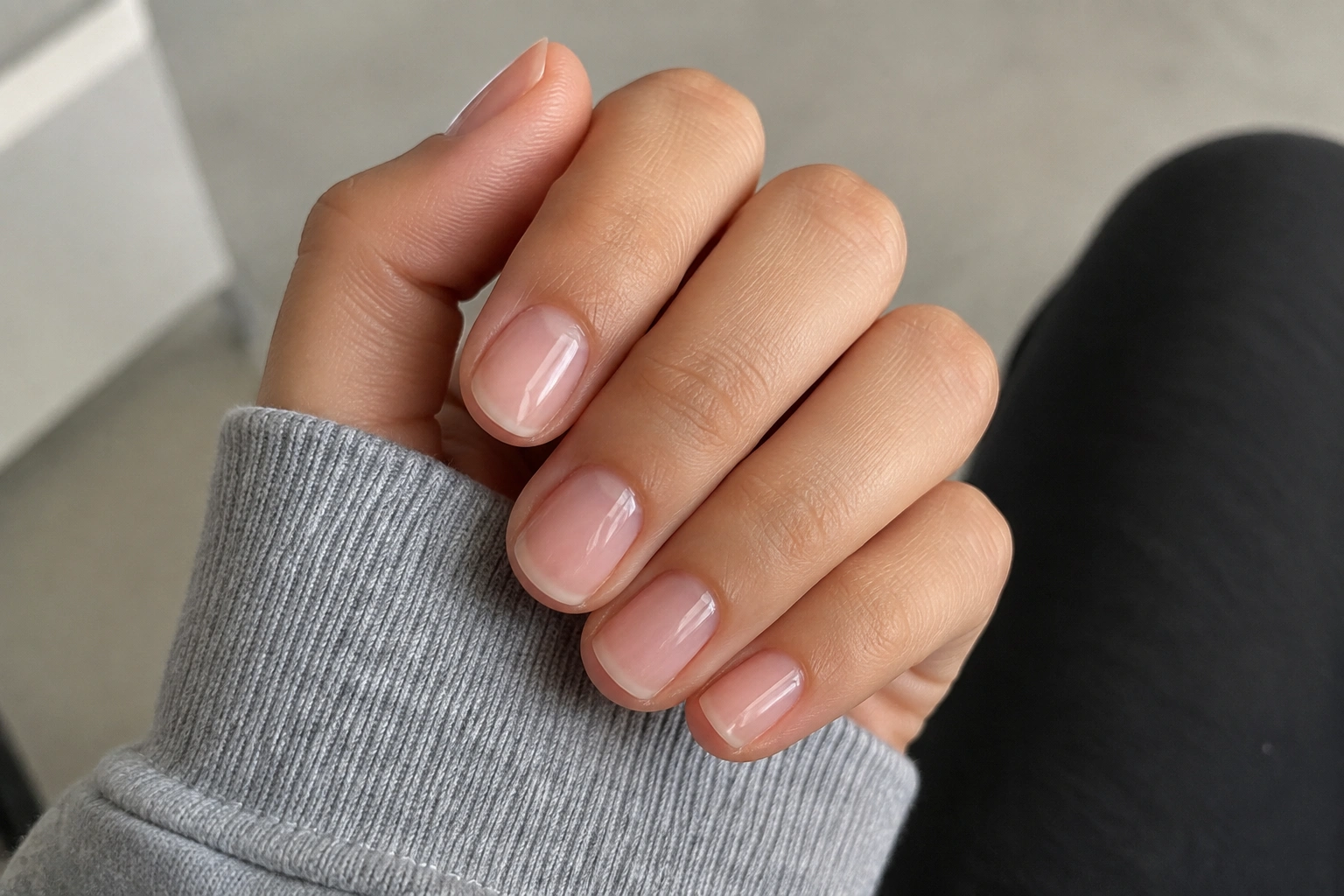
A good teen routine does not need to be complicated. In fact, the most useful routines are usually the ones that can be repeated without much effort.
A basic weekly routine
- Trim when needed. Keep nails at a length that feels comfortable and doesn’t catch.
- File in one direction. Use a fine or medium file and smooth the edges rather than sawing back and forth aggressively.
- Wash and dry well. Clean under the nails gently with soap and water.
- Moisturize hands and nails. Use hand lotion after washing, then add cuticle oil or a thicker cream if the skin feels dry.
- Check for snags. If a nail edge feels rough, file it right away instead of waiting for it to split.
For most teens, this is enough to keep nails looking neat. The biggest difference usually comes from consistency, not expensive products.
If polish is part of the routine, a base coat can help create a smoother surface, and a top coat can help the manicure look cleaner for longer. But if polish becomes a hassle to remove or maintain, bare nails are perfectly fine.
How to Keep Natural Nails Strong and Prevent Breakage
Peeling, splitting, and breakage usually happen when nails are dry, over-filed, or exposed to repeated stress. Teens who wash their hands often, play sports, or use nail polish remover frequently may notice more dryness.
A few practical ways to reduce damage:
- Keep nails short during busy seasons. Shorter nails usually flex less and snag less.
- Don’t peel off polish. Pulling polish off can take surface layers with it.
- Use gloves for chores when possible. Water and cleaning products can dry nails and skin.
- Choose gentle filing habits. Rough filing can make the free edge fray.
- Moisturize after handwashing. This sounds small, but it helps more than many teens expect.
If nails keep breaking at the same spot, that’s often a sign the length is too long for the teen’s routine. Trimming a little shorter for a few weeks is often more effective than trying to “strengthen” a nail that keeps getting bent.
Biotin is sometimes discussed for nail support, but supplements are not a quick fix, and teens should only use them with parent or clinician guidance.
Cuticle and Hand Care That Is Safe for Teens
Cuticles are easy to overdo. The safest teen-friendly rule is simple: care for the skin around the nail, but don’t cut or dig at it.
That means:
– don’t cut cuticles deeply
– don’t push them back aggressively
– don’t pick at hangnails
– don’t use sharp tools on dry skin
Instead, soften the area with warm water and moisturizer, then gently smooth only loose skin if needed. A bit of cuticle oil or hand cream can make the whole nail area look healthier without any dramatic salon steps.
This matters because the skin around the nail is part of the barrier that helps keep the area protected. When it gets irritated, teens may notice redness, soreness, or more picking. And once that habit starts, it can become a cycle.
If the skin around the nail is cracking often, a thicker hand cream at night can help more than a fancy product used once in a while.
How to Stop Nail Biting, Picking, and Other Habits That Damage Nails
Nail biting and picking are common, especially during stress, boredom, or while studying. The goal is not perfection. The goal is to make the habit less automatic.
A few low-pressure strategies work well:
Make the nails less tempting
- keep them trimmed short
- smooth rough edges right away
- use clear polish or a top coat if it helps create a barrier
Replace the habit
- keep a fidget item nearby
- chew gum if that’s allowed and appropriate
- use a hand lotion routine when the urge shows up
Notice the trigger
A teen might bite nails during homework, while watching videos, or before a game. Once the pattern is clear, it’s easier to interrupt it.
Use progress, not perfection
Even moving from “constant biting” to “mostly on weekends” is progress. That’s the kind of realistic win that actually sticks.

If the skin around the nails is bleeding, painful, or repeatedly infected-looking, that’s no longer just a cosmetic issue.
Safe Polish, Remover, and Nail Product Choices
For teens, the gentlest choices are usually the ones that keep the nail and skin from drying out too much.
Non-acetone remover vs acetone remover
- Non-acetone remover is often gentler on skin and nails, but it may take longer to remove polish.
- Acetone works faster, but it can be more drying, especially with frequent use.
If a teen removes polish often, gentler remover plus good hand lotion is usually the more comfortable route. If polish is rare and needs to come off quickly, acetone may be used more selectively. Either way, moisturize afterward.
What to look for in teen-friendly polish use
- base coat for a smoother surface
- top coat for shine and protection
- fragrance-free or sensitive-skin-friendly products if irritation is a concern
- formulas that don’t sting or cause redness on application
For sensitive skin or younger teens, it’s smart to avoid strongly fragranced products or anything that causes itching, burning, or redness. If a polish, remover, glue, or nail treatment irritates the skin, stop using it and let a parent or caregiver know.
Polish can be safe for regular use for many teens, but it does not need to stay on forever. Removing polish every so often lets the nails and surrounding skin recover, especially if the teen notices dryness, staining, or brittleness. If polish is being reapplied constantly, give the nails a break now and then and keep up with moisturizer.
For families wanting a broader safety lens on cosmetic products, the FDA’s cosmetics information is a useful place to start, and the American Academy of Dermatology has practical skin-care guidance that can help parents think through irritation and sensitivity.
Easy Natural-Looking Nail Style Ideas for Teens
Natural nails do not have to mean boring nails. The best teen-friendly looks are usually subtle, clean, and easy to maintain.
A few ideas that work well for school and everyday wear:
- Bare, buffed nails for a clean, polished look
- Clear gloss for shine without color
- Sheer pink or nude polish for a soft, neat effect
- Tiny accent dots or a micro line on one nail
- Soft shimmer top coat for special occasions
- Short French-style tips if the school dress code allows it
The trade-off is simple: the more decoration you add, the more attention the manicure needs. A sheer shade or clear coat is easier to maintain than detailed nail art, especially if the teen is active.
Natural Nails vs Acrylics, Gels, and Press-Ons
Here’s a simple comparison to help families weigh the options.
| Option | Maintenance | Everyday practicality | Removal/cleanup | Best for |
|---|---|---|---|---|
| Natural nails | Lowest | Very high for school, typing, sports | Simple trimming, filing, and polish removal if used | Teens who want easy upkeep |
| Acrylics | Higher | Can feel less practical for active routines | Needs salon removal or careful professional help | Special occasions or older teens with a strong routine |
| Gel polish | Moderate | Can look neat longer, but needs proper removal | Removal matters; rough removal can be drying | Teens who want longer-lasting polish |
| Press-ons | Moderate | Good for short events, but not always ideal for daily wear | Must be removed carefully; peeling is a bad idea | Occasional looks or events |
Gel polish and press-ons can be okay for some teens if they’re used carefully, with parent approval, and with proper removal. They’re not automatically unsafe, but they do add more steps and more chances for irritation if they’re rushed or peeled off.
Acrylics are the most likely to create problems if they’re used too often or removed badly, since they usually involve stronger products and more filing. If a family chooses any enhancement, proper removal matters just as much as the application.
For younger teens, natural nails are often the easiest place to start because they’re simpler to manage and easier to adjust if the teen’s routine changes.
Press-ons can be a nice short-term option for birthdays or dances, but they still need careful application and removal. They’re not automatically “no-maintenance.”
If a family is considering salon enhancements, it can help to read how much acrylic nails cost at a nail salon before deciding whether the upkeep makes sense.
Signs Your Nails Need More Than Basic Care
Some nail issues are just cosmetic. Others deserve a closer look.
Usually cosmetic or routine-related
- mild dryness
- a rough edge from snagging
- one broken nail
- temporary staining from polish
Worth a parent’s attention
- pain, swelling, or redness around the nail
- nail lifting from the nail bed
- yellow, green, or dark discoloration that doesn’t go away
- repeated splitting or peeling in the same area
- thickened, crumbly, or changing nails
If a nail looks infected, hurts, or keeps changing, basic home care may not be enough.
When to See a Pediatrician or Dermatologist
This is the section where I always tell parents to trust their instincts. If a teen has persistent nail changes, pain, swelling, or skin irritation around the nails, it’s worth checking with a pediatrician or dermatologist rather than trying to solve it only with nail products.
That’s especially true if:
– there is bleeding or pus
– the nail is separating from the nail bed
– the skin around the nail is very red or tender
– the teen has eczema, allergies, or very sensitive skin
– the problem keeps coming back
The National Institutes of Health has broad health information that can help families understand when a symptom deserves medical attention, but a clinician should make the call for ongoing nail problems.
FAQ: Teen Natural Nails and Nail Polish Safety
What counts as natural nails for teens?
Natural nails are the teen’s own nails, kept without acrylic extensions or other added tips. They can be bare or lightly polished, as long as the nail itself is not being extended with salon enhancements.
How often should teens trim or file their nails?
Most teens can trim and file as needed, often about once a week or whenever the edges start catching. If a teen is active, bites nails, or notices frequent snagging, shorter and more regular upkeep is usually easier.
Is nail polish safe for regular use?
For many teens, yes, as long as the polish doesn’t irritate the skin and the nails get occasional breaks from repeated remover use. If polish causes dryness, burning, or redness, it’s better to stop and choose gentler products.
A Simple Bottom Line for Teens and Parents
Natural nails for teens work best when they fit real life. If the teen is busy, active, or still learning good nail habits, short and simple usually wins. A neat shape, gentle filing, regular moisturizing, and careful product choices can go a long way without making nail care complicated.
One concrete takeaway: keep teen nails short enough that they don’t snag during daily activities, then file them smooth once a week.