
What Quick Dry Nail Polish Is and How to Use It Well

If you’ve ever painted your nails and then spent the next hour afraid to touch anything, quick dry polish can feel like a small miracle. It is made for people who want a faster manicure with less waiting around and fewer smudges.
In simple terms, quick dry nail polish is a polish formula designed to become dry to the touch faster than regular nail polish. That does not always mean it is fully hardened right away. The surface may feel ready sooner, while the layers underneath can still be soft for a little while longer.
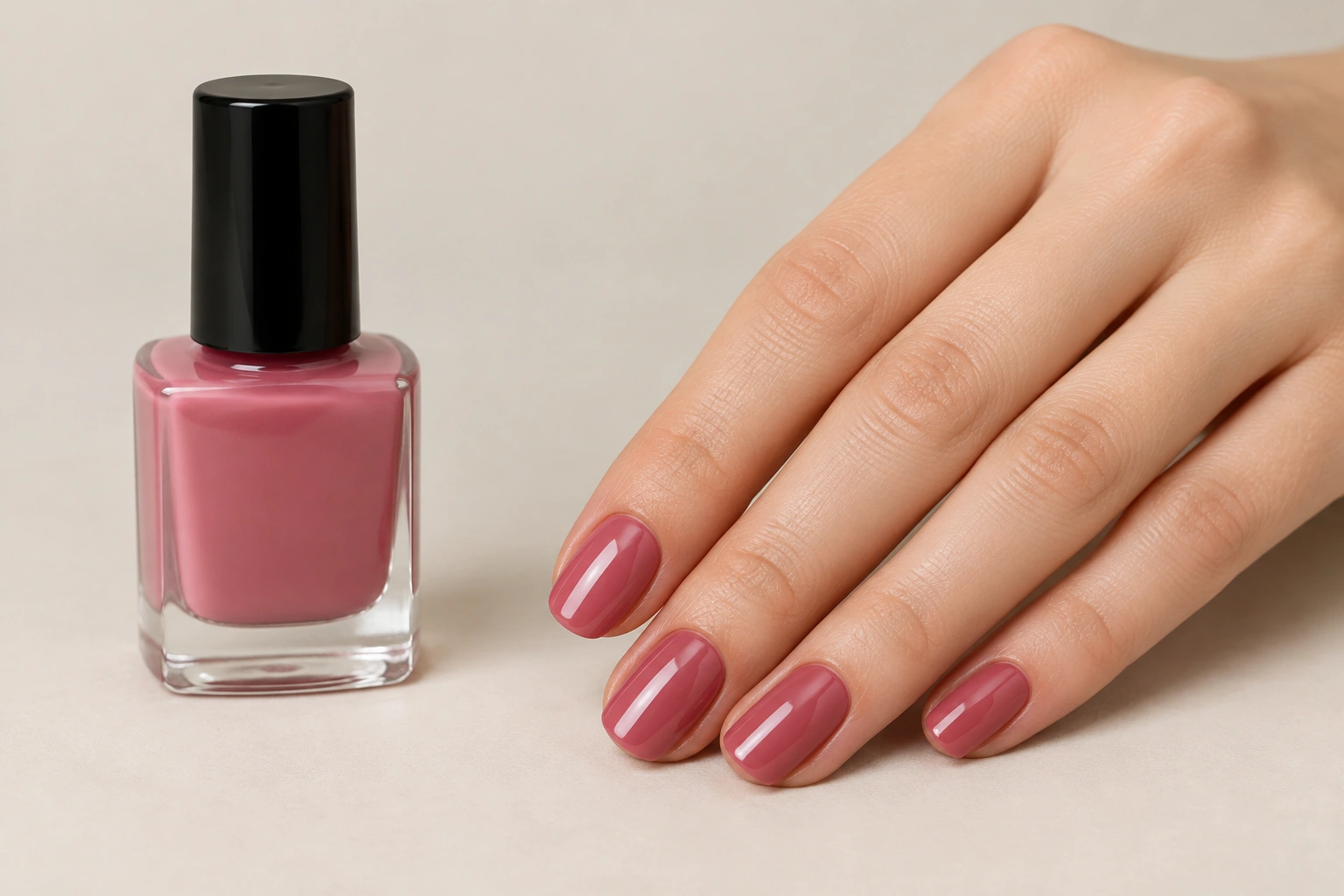
For beginners, that difference matters. A polish can seem dry, then still dent if you press on it too soon. Understanding that gap helps you avoid the most common manicure mistake: assuming “dry” and “fully set” mean the same thing.
What Quick Dry Nail Polish Is
Quick dry nail polish is just nail polish made to speed up the drying process. People usually choose it when they want a faster at-home manicure, need their nails ready sooner, or simply do not want to sit still for long.
You will often see it marketed as a time-saver. That part is true in a practical sense: it is meant to help the top layer dry faster so you can get back to normal tasks sooner. But it is still nail polish, so it works best when applied carefully.
The easiest way to think about it is this: regular polish is built for color and finish first, while quick dry polish tries to balance color, finish, and speed. If you are new to polish, that trade-off is usually the main reason to try it.
How Quick Dry Nail Polish Works
Quick dry formulas are designed to let the liquid parts of the polish evaporate more quickly and may form a faster-setting film at the surface. In everyday terms, that means the polish stops feeling wet sooner.
That faster surface drying can make the manicure easier to manage. Still, the polish beneath the surface may need more time to fully harden.
This is why beginners sometimes get frustrated. The nails feel fine, but then a blanket, zipper, or hair tie leaves a mark. Quick dry polish helps, but it does not make nails instantly bulletproof.
If you want a broader explanation of why polish sometimes stays tacky or soft, our guide on why nail polish takes so long to dry can help.
How Fast It Dries in Real Life
Marketing can make quick dry polish sound almost instant. Real life is usually less dramatic.
The best way to judge drying is to separate two stages:
- Dry to the touch: the surface no longer feels wet
- Fully cured or fully set: the polish has hardened enough to resist dents and pressure better
Quick dry polish usually helps with the first stage most. In real life, that often means the surface may feel dry in about 5 to 15 minutes, while fuller set time can take longer, especially with thicker coats or slower formulas. Some brands may be faster or slower, so this is only a broad beginner-friendly range.
Drying time also changes based on how you apply it. Thick coats, too much product on the brush, or rushing between layers can all slow things down. A thin, even application gives quick dry formulas a better chance to work the way they are meant to.
If your polish seems to stay sticky longer than expected, our article on how to make sticky nail polish dry may be useful.
Quick Dry Nail Polish vs Regular Nail Polish
Here is the simplest comparison for beginners:
| Feature | Quick Dry Nail Polish | Regular Nail Polish |
|---|---|---|
| Drying speed | Faster surface drying | Slower surface drying |
| Convenience | Better for busy schedules | Better if you do not mind waiting |
| Finish | May vary by formula | Often more familiar and predictable |
| Wear time | Can be similar or sometimes shorter depending on formula | Can be similar or sometimes longer depending on formula |
| Best for | Quick at-home manicures | Relaxed manicures and more color options |
The main advantage of quick dry polish is convenience. If you want to paint your nails before leaving the house or between errands, the faster drying time can make a real difference.
The trade-off is that some quick dry formulas may feel a little different to apply or wear. A beginner may notice that one formula seems thinner, sets faster on the brush, or needs a steadier hand. That is not a problem, just something to expect.
Regular polish still makes sense if you enjoy taking your time or prefer a wider range of formulas and finishes. Quick dry is not “better” in every situation; it is mainly better when speed matters.
Quick Dry Nail Polish vs Quick Dry Top Coat
This is a common decision, and it is worth keeping simple.
A quick dry nail polish is the color formula itself. You buy the shade in a fast-drying version.
A quick dry top coat goes over regular nail polish and helps the whole manicure dry faster on top. This can be a smart choice if you already like your regular colors and do not want to replace them.
Here is the practical difference:
- Choose quick dry nail polish if you want the color and the faster-drying formula in one product.
- Choose quick dry top coat if you already own polishes you love and just want them to set faster.
For beginners, a quick dry top coat can be the easier first step. It lets you keep your current polish collection and still cut down on waiting time.
If you are trying to decide whether a fast-drying top layer is enough, our guide on does quick dry nail polish really dry faster may help you think through the trade-offs.
Pros and Cons for Beginners
Quick dry polish has some very beginner-friendly benefits, but it is not perfect for every manicure.
Pros
- Faster drying on the surface
- Less time spent worrying about smudges
- Helpful for quick touch-ups or last-minute plans
- Easy to understand and use once you learn to apply thin coats
Cons
- The polish may still need time to fully harden
- Thick coats can defeat the purpose
- Some formulas may feel less forgiving during application
- Removal and wear can vary by brand and formula
The biggest beginner win is confidence. If you often ruin a manicure by bumping it too soon, quick dry polish can make the process less stressful. The biggest downside is expectation management. If you treat it like an instant-dry product, you may still end up with dents.
How to Apply It So It Dries Faster
If you want quick dry polish to work well, the application matters more than people think.
Use thin coats
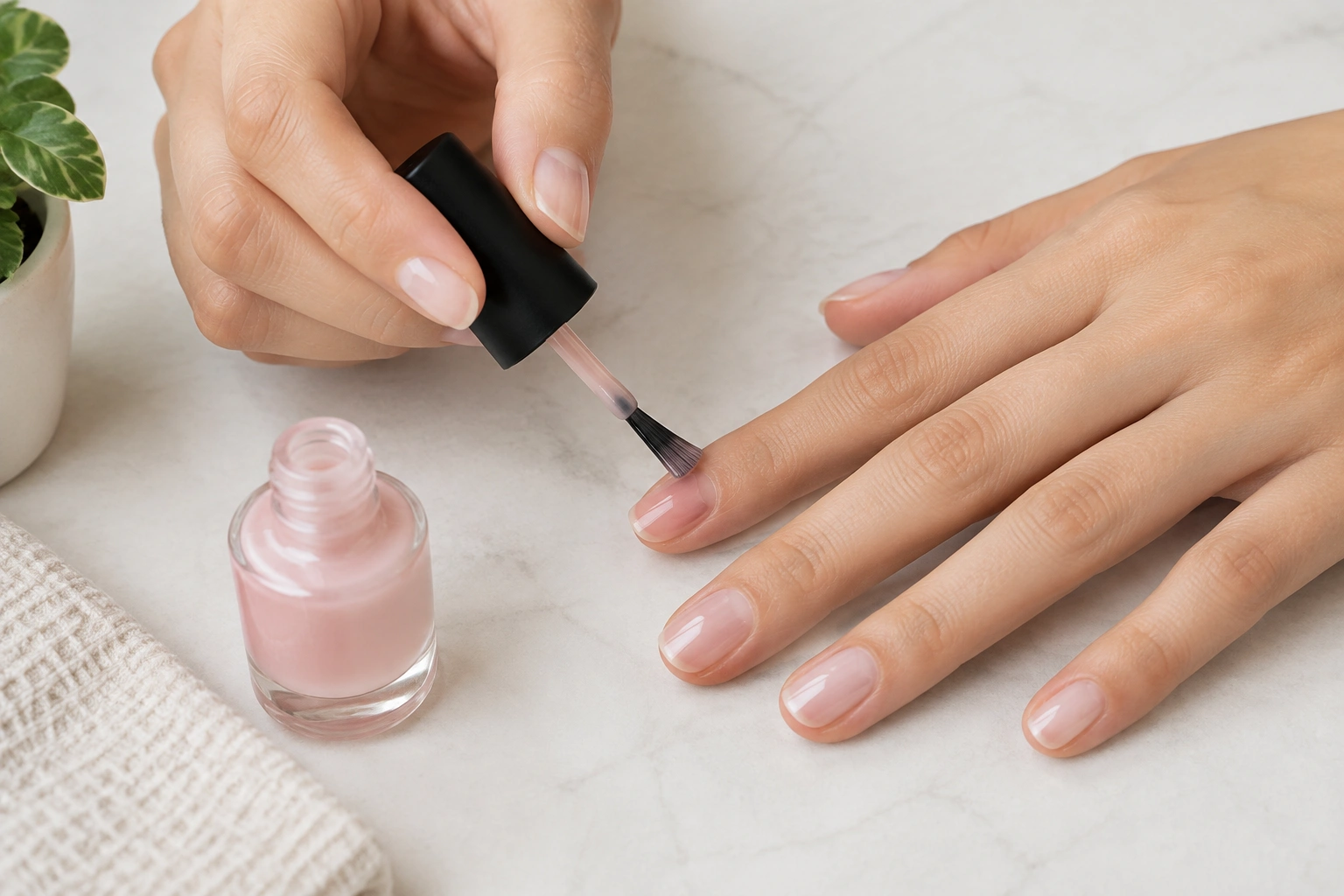
Thin coats dry faster than heavy ones. A thick layer may look smooth at first, but it usually slows drying and increases the chance of smudges. For most beginners, two thin color coats are ideal.
Let each coat settle
Give each layer about 1 to 2 minutes before adding the next if the formula allows it. You do not need to wait forever, but rushing coat after coat can trap wet polish underneath.
Keep the brush controlled
Try to load the brush with enough polish for one nail, not a big blob. That helps you spread the color evenly without overapplying.
Avoid “fixing” the nail too much
If you keep brushing over the same spot again and again, you can make the layer heavier and messier. One or two smooth passes are usually better than repeated touch-ups.
Keep your hands still after painting
This sounds obvious, but it matters. Even quick dry polish can dent if you immediately pick up your phone, dig through a bag, or press your nails into fabric.
If your polish tends to drag or stay gummy, our article on how to dry nail polish that won’t dry covers the basics in more detail.
Do You Need a Base Coat or Top Coat?
In many cases, yes, but the simplest setup depends on your goal.
A base coat helps create a smoother surface and can make polish application easier. It may also help reduce staining from darker shades. If you are new to polish, a base coat is usually worth using because it gives you a cleaner starting point.
A top coat helps seal the color and can improve shine or wear. If you are using quick dry polish, a compatible top coat may still be helpful unless the polish already has the finish you want.
Here is the easy beginner rule:
- If you want the simplest fast manicure, use base coat + quick dry polish
- If you want extra protection or shine, add a top coat
- If you already use regular polish, a quick dry top coat may be the most convenient upgrade
Not every manicure needs every layer, but skipping all support products can make the polish harder to apply and less polished-looking.
How to Remove Quick Dry Nail Polish
Most quick dry polish removes like regular nail polish, but the remover you choose affects how easy the process feels. Removal can vary by brand and formula, so be patient if a particular polish is more stubborn than expected.
Acetone remover: simple step-by-step
- Soak a cotton pad or cotton ball with acetone remover.
- Press it onto the nail and hold it there for about 10 to 20 seconds.
- Wipe the polish off in one or two gentle passes.
- Repeat with a fresh pad if needed.
- Wash your hands and apply hand cream or cuticle oil if your skin feels dry.
Non-acetone remover: simple step-by-step
- Soak a cotton pad or cotton ball with non-acetone remover.
- Hold it on the nail a little longer, about 20 to 30 seconds, if the polish is resistant.
- Wipe gently, using a fresh pad as needed.
- Repeat until the polish lifts off.
- Wash your hands and moisturize afterward.
For beginners, the decision is simple:
- Choose acetone if you want faster removal and do not mind the extra dryness
- Choose non-acetone if you want a gentler removal and can be patient
Either way, avoid scraping aggressively. Let the remover do the work. If polish is clinging stubbornly, our guide on how to fix nail polish that won’t dry can help you avoid making the situation worse.
For general nail care and cosmetic product guidance, the FDA’s cosmetics information is a useful place to start.
Is Quick Dry Nail Polish Worth Buying?
If you value speed, yes, it often is.
Quick dry polish makes the most sense when you want a manicure that fits into a busy day, you tend to smudge regular polish, or you simply prefer less waiting. It is especially practical for beginners who want a more forgiving routine.
If you love taking your time, enjoy very glossy or specialized finishes, or already do well with regular polish, you may not need it. In that case, a quick dry top coat could be the better purchase because it gives you speed without replacing all your colors.
A good decision rule is this:
Buy quick dry polish if faster drying is your main goal. Buy a quick dry top coat if you already like your polish collection and only want the speed upgrade.
For more nail-care basics and product guidance, essie’s manicure tips can also be a helpful reference point.
When to See a Nail Technician or Dermatologist
See a nail technician or dermatologist if your nails are repeatedly peeling, painful, discolored, or reacting badly to polish or remover. Quick dry polish itself is not a treatment for nail problems, and it should not be used to cover up changes that need attention.
If you are unsure whether a product is right for your nails, a professional can help you choose a safer routine for your situation.
FAQ
Is quick dry nail polish the same as fast-drying nail polish?
Usually, yes. Brands may use different wording, but the idea is generally the same: a formula made to dry faster on the surface.
Does quick dry nail polish fully dry in minutes?
Not always. It may feel dry sooner, but the layers underneath can still be soft for a while.
Can I use a base coat with quick dry polish?
Yes. A base coat is often helpful, especially if you want smoother application or less staining.
Can I use a regular top coat over quick dry polish?
Usually yes, but make sure the products are compatible and apply them in thin layers.
Is quick dry nail polish bad for nails?
It is generally used as a normal cosmetic product, but any polish routine can be rough on nails if you apply thick layers, pick at the finish, or remove it aggressively.
What is the easiest remover to use?
Acetone usually removes polish faster. Non-acetone is usually gentler but slower.
What if my quick dry polish still smudges?
The most common fix is to apply thinner coats and give the manicure more time before using your hands normally.
Should beginners buy quick dry polish or a quick dry top coat?
If you already own colors you like, a quick dry top coat is often the easiest first buy. If you want the whole formula to dry faster, choose quick dry polish.

