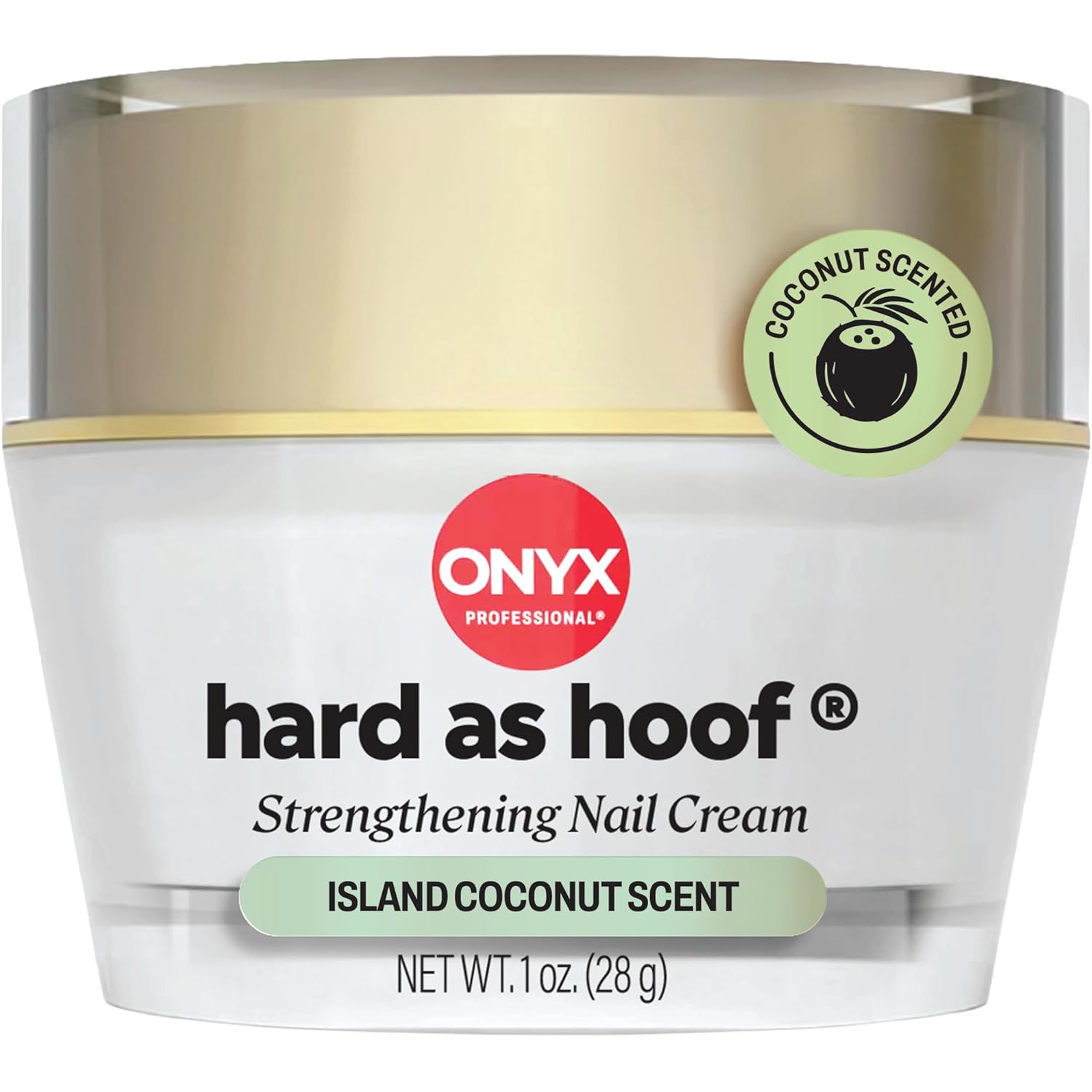
Beginner nail growth tips work best when you focus on protecting nails from breakage, keeping them moisturized, and using a simple routine consistently. Stronger, longer nails usually come from small daily habits, not fast fixes.
If you want longer, stronger nails, the best place to start is not with a miracle product, but with a few simple habits you can repeat every day. These beginner nail growth tips focus on reducing breakage, protecting the nail plate, and giving your nails a better environment to grow.
- Protect first: Fewer breaks matter more than chasing fast growth.
- Moisturize daily: Cuticle oil and hand cream help reduce dryness and peeling.
- Use gloves: Cleaning, washing, and cold weather can weaken nails.
- Keep it simple: A short, repeatable routine works better than a complicated one.
Beginner Nail Growth Tips: What Actually Helps Nails Grow Stronger in 2026
Nails grow slowly, so the biggest wins usually come from preventing damage rather than chasing fast growth. In practice, that means keeping nails moisturized, handling them gently, and trimming habits that cause splits before they start.
It also helps to think of nail growth as a routine, not a one-time fix. A few consistent steps can make a bigger difference than switching products every week.
Why Nails Break Before They Grow: The Most Common Beginner Mistakes
Many people assume their nails “won’t grow,” when the real issue is that they are breaking, peeling, or getting weakened faster than new nail can replace them. That is why a beginner routine should focus on protection first.
Over-filing, picking, and using nails as tools
Over-filing can thin the free edge and make nails more likely to bend or tear. Picking at polish, lifting labels, or opening cans with your nails can also create tiny cracks that spread later.
If you want to build length, treat nails like a delicate surface, not a tool. A gentle approach now usually means fewer breaks later.
Skipping cuticle care and hand protection
Dry cuticles and rough skin can make the whole nail area look neglected, but they can also lead to picking and peeling. Hands that are constantly exposed to water, soap, or cleaning products may lose moisture quickly.
Protecting the skin around the nail matters because healthy-looking nails usually start with a healthier nail area overall. For a basic overview of nail care essentials, you can also read NailPrime’s complete beginner guide.
Expecting fast results without a routine
Nail growth is gradual, and consistency matters more than intensity. If you only apply oil once in a while or protect your hands occasionally, results may be slower and less noticeable.
A simple routine done most days is usually more effective than an elaborate routine you cannot maintain.
Daily Nail Growth Habits That Make the Biggest Difference
Beginner nail growth tips work best when they fit into real life. The good news is that the most helpful habits are usually simple, affordable, and easy to repeat.
Moisturizing nails and cuticles the right way
Cuticle oil and hand cream help reduce dryness, which can lower the chance of peeling and snapping. The best time to apply them is after washing your hands and before bed, when you are less likely to wash the moisture away right away.
Focus on the nail plate, cuticle area, and the skin around the fingertips. That small step can make nails feel more flexible and less brittle over time. If you are shopping for oils, NailPrime’s guide to cuticle oil for growth and strength may help you compare options.
Apply cuticle oil to clean nails at least once a day, then seal it in with hand cream if your hands are very dry.
Using gloves for cleaning, washing, and cold weather
Water, detergents, and cold air can all dry out nails and make them more prone to splitting. Gloves are one of the easiest ways to protect your manicure and your natural nails at the same time.
Use rubber or nitrile gloves for cleaning and dishwashing, and wear warm gloves outdoors in cold weather. Small changes like this can help nails stay smoother and stronger.
Keeping nails short while they strengthen
Shorter nails usually break less often because there is less leverage on the tip. If your nails are weak right now, keeping them slightly shorter can help them grow out safely.
Once your nails are less brittle, you can gradually let them grow longer. Many beginners find this easier than trying to maintain length immediately.
Best Nail Care Products for Beginners: What’s Worth Buying vs Skipping
You do not need a huge collection of products to support nail growth. A few basics are usually enough, especially if your nails are starting from a dry or damaged place.
Cuticle oil, hand cream, and strengthening base coats
Cuticle oil and hand cream are usually the most useful starter products because they support flexibility and reduce dryness. A strengthening base coat can also help some people, especially if their nails feel soft or peel easily.
That said, not every strengthener is a good fit for every nail type. Some formulas may feel too hard or drying for already fragile nails, so it is worth checking the ingredient list and using them as directed.
Product results can vary by nail condition, formula, and how often you use them. A simple routine often matters more than buying the most expensive item.
Gentle nail files and non-drying removers
A fine-grit file is usually better for beginners than a rough one, because it helps shape the nail without causing extra fraying. Filing in one direction is often gentler than sawing back and forth.
If you wear polish, a non-drying remover may be easier on your nails and skin than harsh formulas used too often. For readers who want to compare oil options, NailPrime also covers natural oils for nail growth.
Budget-friendly routine versus salon-level add-ons
A budget-friendly routine can be very effective if you stay consistent with oil, cream, a file, and basic protection. Salon-level add-ons may feel nice, but they are not always necessary for healthy growth.
If you enjoy salon visits, ask what your tech recommends for your current nail condition rather than assuming every add-on is needed. The best choice depends on your nails, lifestyle, and budget.
Nutrition, Hydration, and Lifestyle Factors That Support Nail Growth
Topical care helps, but nails are also influenced by what is happening inside the body. If your diet or daily habits are off, your nails may show it through dryness, softness, or slow growth.
Protein, iron, biotin, and overall diet basics
Nails are made of keratin, so protein matters. Iron and other nutrients also play a role in overall nail health, and a varied diet is usually a better foundation than relying on one supplement alone.
Biotin gets a lot of attention, but it is not a one-size-fits-all solution. If you are considering supplements, it is smart to check with a healthcare professional first, especially if you have health conditions or take medication.
Water intake, sleep, and stress effects on nail health
Hydration supports the skin and nail area, while poor sleep and high stress can make it harder to stay consistent with care. Stress can also lead to habits like picking, biting, or over-grooming, which can damage nails.
Think of these as support factors, not instant fixes. Better sleep, more water, and less nail picking can quietly improve the outcome of your routine over time.
Simple At-Home Nail Growth Routine for Beginners
When beginners ask for a realistic nail growth routine, the best answer is usually something short enough to repeat every week. Simplicity helps you stay consistent, and consistency helps nails stay intact long enough to grow.
Weekly shaping and maintenance steps
Once a week, check for snags, gently file rough edges, and keep the shape even. This helps stop tiny chips from turning into full breaks.
If you are unsure which shape works best, a soft square or rounded shape is often easier to maintain on short nails than a sharp edge. For shape inspiration, you may also like NailPrime’s beginner-friendly nail ideas for simple styles that are easy to wear while growing out nails.
How to protect nails between manicures
Between manicures, avoid peeling off polish or gel, and do not use your nails to pry things open. If a manicure starts lifting, it is better to remove it properly than to pick at it.
Keeping a small nail file in your bag can help you smooth a snag before it becomes a tear. That tiny habit can save a lot of length.
Practical example of a 7-day beginner routine
Day 1: File any rough edges, apply cuticle oil, and use hand cream. Day 2 and 3: Reapply moisturizer after handwashing and wear gloves for chores.
Day 4 and 5: Check for chips or lifting, then gently maintain the shape. Day 6 and 7: Repeat oil and cream, trim only if needed, and keep nails protected from water and cleaning products.
Wash hands gently, dry well, and apply hand cream if your skin feels tight.
Use cuticle oil or lotion to replace moisture lost from soap and water.
Apply oil to nails and cuticles, then let it absorb overnight.
When to See a Nail Tech or Medical Professional for Nail Problems
Most beginner nail growth issues are caused by dryness, breakage, or habits that can be improved at home. But some signs should not be ignored, especially if the nail looks infected or painful.
Signs of infection, severe splitting, discoloration, or pain
Watch for swelling, bleeding, green or dark discoloration, strong odor, pus, or pain that does not improve. These may point to an infection, injury, or another issue that needs professional attention.
If a nail is splitting deeply or repeatedly breaking in the same spot, a licensed nail tech or dermatologist may help you figure out whether the problem is cosmetic, structural, or medical.
Contact a licensed nail technician, dermatologist, or healthcare professional if you notice pain, swelling, bleeding, infection signs, or nail changes that keep getting worse.
When salon care is enough and when it is not
Salon care may be enough for dry nails, minor shaping help, or a manicure that needs gentler technique. A skilled nail tech can often suggest safer lengths, shapes, and product choices for your routine.
But salon care is not a substitute for medical care when there is infection, severe damage, or a reaction to a product. If the nail area is bleeding, swollen, painful, infected, or reacting badly to a product, wait before booking a service.
Avoid salon services if the nail area is bleeding, swollen, painful, infected, or reacting badly to a product.
How Long Nail Growth Takes and What Results to Expect
It is normal to want quick results, but nail growth is usually measured in weeks and months, not days. The first thing many people notice is less breakage, not dramatic length overnight.
Realistic timeline for visible improvement
With consistent care, nails may start to feel less dry and less prone to splitting within a few weeks. Visible length improvements often take longer because the nail has to grow out while staying intact.
Your timeline may vary based on your nail condition, daily habits, polish use, and whether you are protecting your hands regularly. Progress is often subtle at first, then more obvious once breakage slows down.
Final recap: the simplest beginner nail growth tips that work
The most effective beginner nail growth tips are also the most practical: keep nails moisturized, wear gloves for chores, avoid picking and over-filing, and maintain a simple routine you can repeat.
If you stay consistent, your nails have a much better chance of growing longer without constant splitting. For many beginners, that is the real secret to stronger nails.
Frequently Asked Questions
The best starting point is protecting nails from breakage. Keep them moisturized, file gently, and avoid using them as tools.
Cuticle oil does not make nails grow instantly, but it can help reduce dryness and breakage. That makes it easier for nails to keep their length as they grow.
Most beginners can file once a week or whenever they notice a snag. Use a gentle file and avoid aggressive back-and-forth filing.
See a dermatologist if you notice pain, swelling, bleeding, strong discoloration, pus, or a nail change that keeps getting worse. These can be signs of infection or another medical issue.
Check whether the formula is meant for your nail type and avoid anything that seems too harsh for already dry nails. If your nails are brittle, a gentler product may be a better fit.
You can say you want to grow your nails longer and ask what shape, length, and products they recommend. A good nail tech can suggest options based on your nail condition and routine.