
Simple Nails for School: Cute, Neat, and Easy Ideas for Kids and Teens

When parents and teens ask me for simple nails for school, I usually give the same first piece of advice: think neat, low-key, and easy to live with. School nails should look polished without getting in the way of writing, typing, sports, instruments, or strict dress codes.
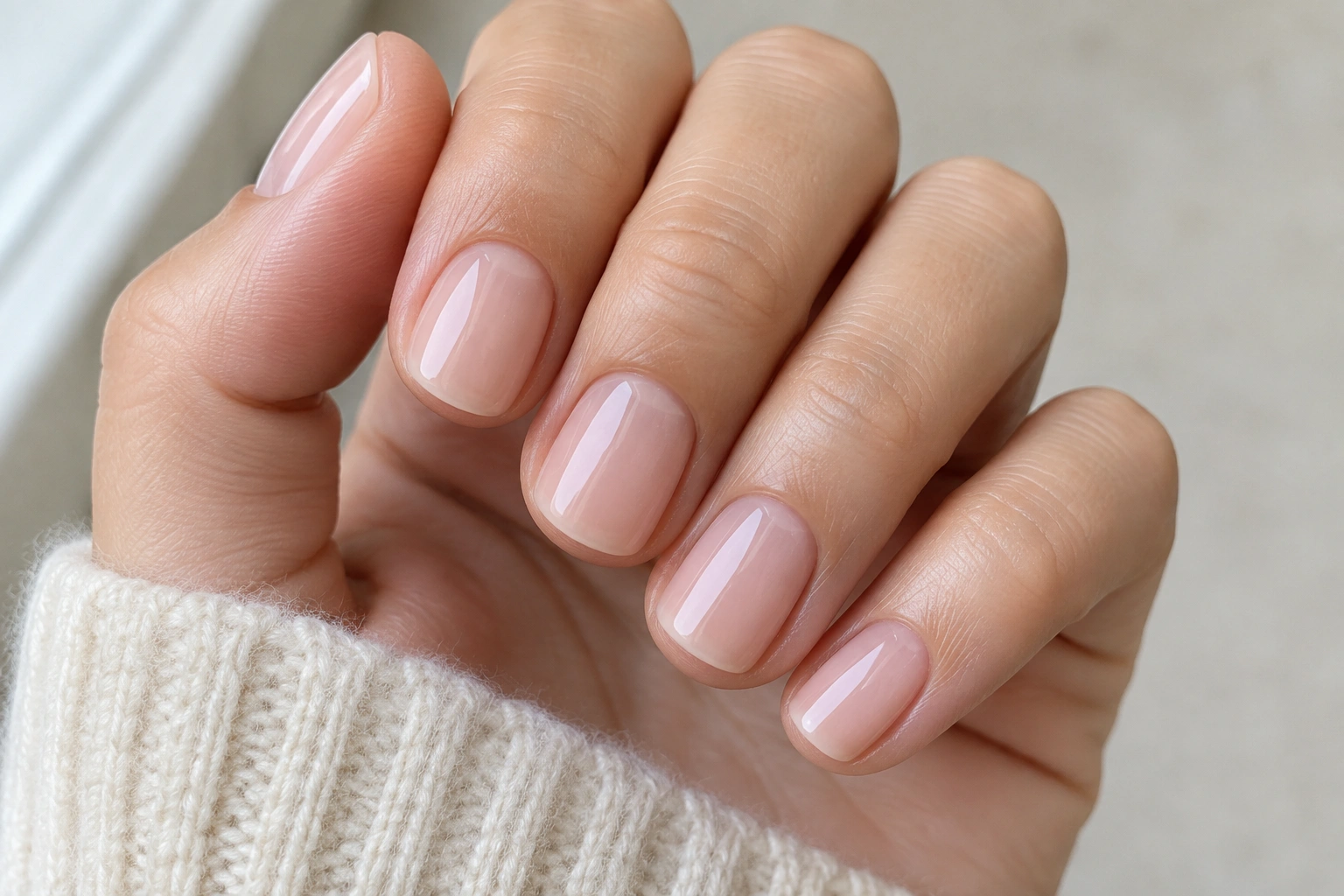
That does not mean boring. It just means choosing a style that looks intentional and stays tidy through a busy week. In my chair, the best school-friendly nails are usually short, softly shaped, and finished in colors or designs that don’t shout for attention.
If you’re trying to decide what counts as “school-friendly,” this guide will help you narrow it down fast. I’ll walk through length, shape, color, design, and product choice, plus how to make a manicure last without turning it into a high-maintenance project.
What Makes a Nail Style School-Friendly?
A school-friendly nail style usually checks three boxes:
- It looks neat
- It stays practical
- It fits the school’s rules
That last point matters more than people think. One school may allow light polish and short press-ons, while another may prefer bare nails or very subtle colors. If your school has a student handbook, that’s the best place to check first. Dress codes can vary a lot, so I never assume one school’s rules apply to another.
Some schools are very specific about what they do not allow. For example, a dress code may prohibit:
– artificial nails or press-ons
– nail tips or extensions
– very long nails
– sharp shapes like stilettos or coffins
– bright colors, glitter, or chrome
– visible embellishments like rhinestones, charms, or large decals
A simple school nail is usually one that:
– keeps the nail edge short enough for daily tasks
– avoids sharp points or bulky decorations
– uses soft, clean colors
– doesn’t make handwashing, sports, or instruments harder
For younger kids, “school-friendly” often means easy to maintain and unlikely to break. For teens, it may also mean subtle enough to feel stylish without crossing a dress code line.
Best Nail Lengths and Shapes for School
If I had to choose one rule for school nails, it would be this: shorter is usually easier.
Short nails are less likely to snag on backpacks, break during PE, or make typing and handwriting awkward. They’re also simpler to keep clean, which matters for students who are always washing hands or using art supplies, sports gear, or musical instruments.
Short vs. slightly longer nails
- Short nails: Best for active students, younger kids, and stricter dress codes. They’re the lowest-maintenance option.
- Slightly longer nails: Can look a little more styled, but they need more care and are easier to chip or break.
If a student is in sports, plays guitar or violin, or types a lot, I usually lean short.
Shapes that work well
Two shapes tend to work best for school:
- Round: Soft, natural, and very practical
- Squoval: A square shape with rounded corners, which gives a clean look without sharp edges
These shapes are easier to wear than pointed styles because they’re less likely to catch on clothing or scratch skin.
Quick decision rule
- If the school is strict or the student is very active: short round nails
- If the student wants a little more polish without losing practicality: short squoval nails
- If the student wants a slightly more styled look: keep the length modest and the edge soft
Here’s the trade-off: longer nails can feel more “done,” but they usually need more upkeep. Short nails may feel simpler, but they’re often the smartest choice for everyday school life.
Simple Nail Color Ideas That Look Clean and Cute
Color is where simple nails can still feel personal. The safest school-friendly choices are usually soft, sheer, and close to the natural nail.
Easy color families that work well
- Sheer pinks: Clean, fresh, and natural-looking
- Nudes: Great for a polished look that doesn’t stand out
- Beige or taupe tones: Subtle and tidy
- Soft pastels: Light lavender, baby blue, pale peach, or mint can feel cheerful without being loud
- Clear polish: Best if you want shine only
Pinterest and beauty boards often show school-friendly looks in barely-there nudes, tiny French tips, and soft aura-style finishes, which matches what many students ask for: something cute, but not distracting.
What to avoid if the school is strict
- very dark or neon shades
- chunky glitter
- heavy chrome effects
- bold decals across every nail
That doesn’t mean these are “bad” choices. It just means they’re less likely to fit a conservative dress code.
A good middle ground
If you want color but still want to keep things simple, choose:
– one soft shade on all nails, or
– one accent nail with a tiny detail
That gives a little personality without making the whole manicure feel busy.
Easy School-Appropriate Nail Design Ideas
The best school nail art is usually tiny, neat, and easy to repeat.
BTArtbox notes that simple school designs often include polka dots, stripes, or tiny heart patterns, and that’s a solid starting point. Those details stay cute without looking overdone.
Simple designs that work
1. Tiny French tips
A thin white line on short nails looks clean and classic. This is one of the easiest ways to make a manicure look intentional without using bold art.
2. One accent nail
Paint most nails a neutral shade, then add one tiny heart, dot, star, or butterfly on one finger. This keeps the design subtle.
3. Soft polka dots
A few tiny dots near the base or tip can make a manicure feel playful without getting loud.
4. Micro stripes
One thin stripe on a nude or pastel base looks neat and modern.
5. Barely-there shimmer
A sheer polish with a hint of sparkle can look pretty while still staying low-key.
6. School color accents
A simple back-to-school idea can be wearing school colors on a manicure if the school allows it and the colors are not too bold for the dress code.
What makes these designs “simple”
A design stays school-friendly when:
– the art is small
– the base color is soft
– the overall look is balanced
– each nail doesn’t need a lot of detailed work
If a design would take a lot of touching up during the week, it probably isn’t the best school choice.
Regular Polish vs Gel vs Press-Ons for School
Each option has a different balance of convenience, wear time, and upkeep.
| Option | Best for | Pros | Trade-offs |
|---|---|---|---|
| Regular polish | Easy DIY manicures, changing colors often | Simple to apply, easy to remove, flexible for school rules | Chips sooner and may need more touch-ups |
| Gel polish | Students who want longer wear | Usually lasts longer than regular polish and stays glossy | Needs proper removal and more commitment |
| Press-ons | Short-term events or quick style changes | Fast, cute, and easy to remove when used correctly | May lift or pop off during active days |
My practical take
- Regular polish is best if the student wants something simple and low-commitment.
- Gel polish makes sense if the goal is longer wear and the school allows it, but removal should be done carefully.
- Press-ons are useful for a special event or weekend look, but they’re not always the easiest choice for a full school week, especially for younger or very active students.
Best choice by scenario
- Strict school dress code: bare nails or clear/neutral regular polish
- Younger students: regular polish or bare nails
- Active students: short nails with regular polish or clear top coat
- Teens who want longer wear: gel polish if the school allows it
- Quick event look: press-ons, if permitted and worn short
If you want a deeper breakdown of wear time and upkeep, this guide on how long salon nails last can help you compare options more clearly.
How to Do a Simple At-Home School Manicure
A clean school manicure doesn’t need a big kit. A few basics go a long way.
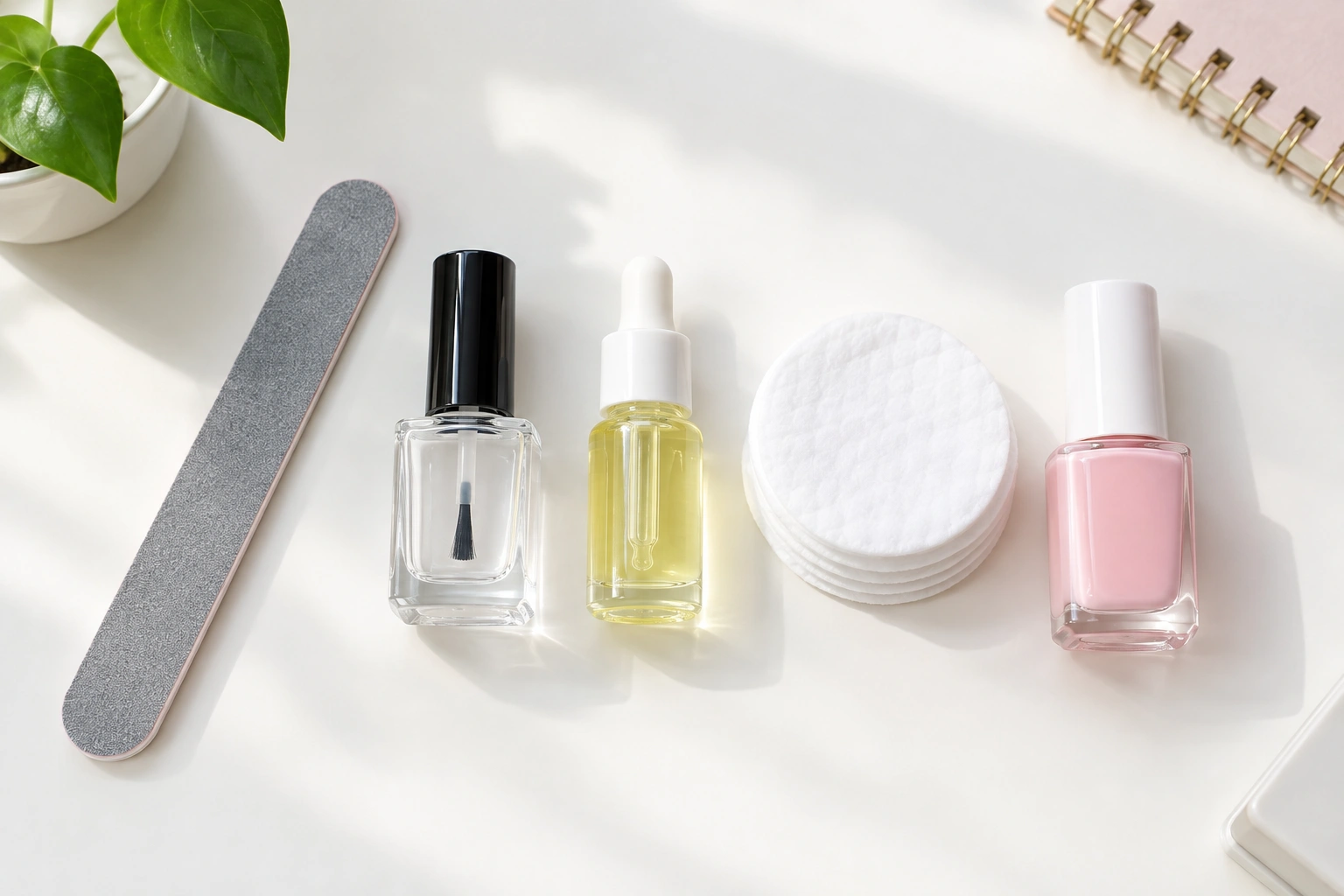
What you need
- nail file
- nail polish or clear top coat
- cuticle oil
- remover and cotton or pads
- hand soap and a towel
A simple routine
- Wash and dry hands well.
- File nails into a short round or squoval shape.
- Gently push back cuticles if needed, but don’t force them.
- Apply one thin coat of polish.
- Add a second thin coat if the color needs it.
- Finish with a top coat for shine and extra protection.
- Once dry, apply a little cuticle oil around the nail.
Thin coats matter because thick polish is more likely to smudge or peel. If you’re new to doing nails at home, this step-by-step guide on how to paint nails properly walks through the basics in a beginner-friendly way.
A smart shortcut
If the school has a strict dress code, skip the color and use a clear top coat. You still get a neat, finished look without risking a rule issue.
How to Keep School Nails Neat All Week
Even a simple manicure needs a little upkeep.
Easy ways to prevent chips and breakage
- Keep nails short enough that they don’t catch on things
- Use a ridge-filling or smoothing base coat before polish to help create an even surface
- Seal the free edge with top coat so the tip is less likely to chip
- Apply a top coat every few days if the polish starts looking dull
- Apply cuticle oil regularly to keep the nail area looking tidy
- Wear gloves for chores that involve lots of water or cleaning products
- Don’t use nails to open cans, peel stickers, or scrape things
- Avoid long soak times after application, since extended water exposure can weaken fresh polish
Handwashing is part of school life, so polish will naturally wear over time. The goal isn’t perfection; it’s keeping nails looking clean and cared for.
For sports and active students
If a student has PE, dance, cheer, music practice, or a hands-on hobby, I’d keep the nails shorter and skip anything bulky. That reduces the chance of breakage and makes daily life easier.
For kids
Younger children usually do best with:
– clear polish
– very light pink
– short, rounded nails
– minimal decoration
That keeps things age-appropriate and easy for adults to maintain.
School Rules, Age, and Activity: How to Choose the Right Option
Here’s the easiest way to decide.
Choose bare nails if:
- the school has a very strict dress code
- the student plays contact sports
- the child is very young
- you want the lowest-maintenance option
Choose a simple polish manicure if:
- the school allows color
- the student wants something cute but subtle
- you want an easy at-home option
- you’re okay with occasional touch-ups
Choose gel or press-ons if:
- the school allows them
- the student wants longer wear
- the student can handle the extra upkeep
- the removal process will be done carefully
A parent-friendly decision check
Ask these four questions:
1. Does the school allow nail polish or press-ons?
2. How active is the student during the week?
3. How much upkeep is realistic?
4. Does the look need to be very subtle or just neat?
If the answer to any of those points leans strict, keep the nails shorter and simpler.
Quick takeaway box
- Strict dress codes: choose bare nails, clear polish, or very short neutral nails
- Active students: choose short round or squoval nails with regular polish or clear top coat
- Younger kids: choose bare nails or a simple sheer pink/clear polish
- Teens: choose short, subtle polish, or gel if the school allows longer wear
When to See a Pediatrician or Dermatologist
If a child or teen has nail pain, swelling, redness, or repeated nail damage, it’s worth checking with a medical professional. Also, if a nail reaction happens after polish, glue, remover, or press-ons, stop using the product and get guidance before trying again.
For general skin and nail health questions, the American Academy of Dermatology and the American Academy of Pediatrics are helpful places to start. If you’re wondering about product safety or ingredients, the FDA is another reliable source for consumer guidance.
A Simple Final Rule for School Nails
The best school nails are the ones that fit the student’s real life and the school’s actual rules. Start with the strictest requirement, then choose the shortest practical length, the softest shape, and the lowest-maintenance product that still feels good to wear. If you want a little style, add it in the smallest possible way.
That approach keeps the decision simple: when in doubt, go shorter, softer, and more neutral.

