
Why Is the Side of My Toenail Painful? Common Causes and Safe Next Steps

A sore spot along the side of a toenail can turn an ordinary day into an uncomfortable one. Shoes may suddenly feel too tight, a light touch can sting, and a pedicure can become something you would rather avoid. If you are asking, “Why is the side of my toenail painful?” the most common explanation is an ingrown toenail, but pressure, minor injury, infection, or a thickened nail can also be involved.
The important part is not to keep cutting, digging, or filing at the painful corner until you know what you are dealing with. Below, you will learn what common causes look like, what you can safely try at home, how nail files fit into the picture, and when the pain needs professional attention.
Quick Answer
Pain along the side of a toenail is often caused by an ingrown nail, tight-shoe pressure, minor trauma, or irritation around the nail fold. Redness, swelling, drainage, or worsening pain can point to infection. Avoid digging into the corner, wear roomy shoes, and seek medical care if symptoms are severe, spreading, or not improving.
Why the Side of a Toenail Can Hurt
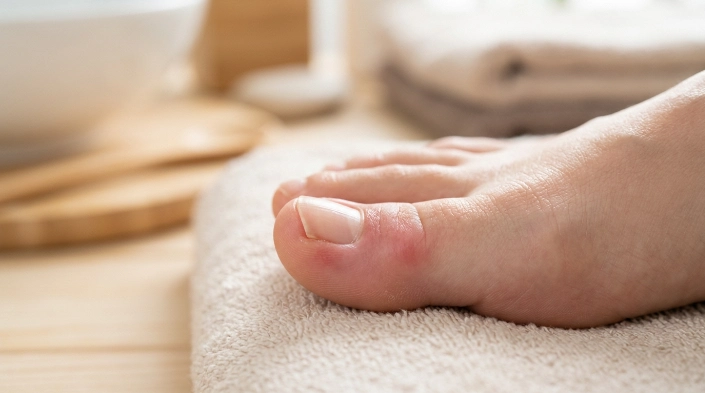
The skin that borders your nail is called the nail fold. When the edge of the nail presses into that skin, or the skin becomes irritated or infected, the area can become surprisingly tender.
An ingrown toenail is especially common on the big toe. According to Mayo Clinic’s overview of ingrown toenails, the corner or side of the nail can grow into the surrounding soft tissue and cause pain, inflammation, swelling, and sometimes infection.
Pain can also come from outside pressure. Tight shoes, repetitive impact from running, a stubbed toe, or a nail that has been trimmed too aggressively can irritate the same small area. That is why the exact location and appearance of the pain matter.
Common Causes at a Glance
| Possible cause | What you may notice | Sensible first step |
|---|---|---|
| Ingrown toenail | Tender nail edge, redness, swelling, nail curving into skin | Reduce pressure and avoid cutting into the corner |
| Tight shoes | Pain after wearing narrow or short shoes, little or no drainage | Switch to a roomier toe box |
| Minor nail injury | Tenderness after stubbing, sports, or repeated shoe impact | Rest the toe and watch for bruising or worsening pain |
| Irritated or infected nail fold | Red, warm, swollen skin; possible pus or drainage | Keep it clean and seek care if infection signs are present |
| Thick or curved nail | Nail presses into side skin or becomes difficult to trim | Use gentle grooming only; consider professional evaluation |
| Rough nail edge | Sharp corner catches or presses into skin | Smooth only the free edge gently if the skin is not broken |
This table is a guide, not a diagnosis. Toe pain can have causes that are not related to the nail itself.
1. An Ingrown Toenail Is a Common Reason
If the pain sits exactly where the nail edge meets the skin, an ingrown toenail is one of the first possibilities to consider. The nail may look as though it is disappearing into the side of the toe, and the skin can become red, puffy, or tender.
Mayo Clinic lists common contributors such as shoes that crowd the toes, cutting toenails too short, rounding the corners, nail injury, naturally curved nails, and some nail infections.
Early ingrown nails may simply feel sore when pressed. As irritation increases, walking in closed shoes may hurt. If infection develops, you may notice increasing redness, warmth, swelling, or drainage.
What Not to Do With a Painful Nail Corner
It is tempting to “fix” an ingrown edge by cutting a V into the nail, digging down the side, or using a pointed file to reach the corner. Those methods can create a wound, leave a sharp nail spike behind, or make the area more irritated.
The NHS guidance for ingrown toenails recommends avoiding picking at the toe or toenail and avoiding tight, pointy shoes while an ingrown toenail settles.
2. Your Shoes May Be Pressing on the Nail
Sometimes the nail itself is not growing into the skin. Instead, the shoe is squeezing the toe and forcing the nail edge against the nail fold.
Narrow toe boxes, shoes that are too short, high heels, or athletic footwear that lets the foot slide forward can all add pressure. Try footwear with enough room to wiggle your toes. If discomfort improves after pressure is removed and there is no spreading redness, pus, or major swelling, footwear may be contributing.
3. Minor Trauma Can Make One Side Tender
A stubbed toe is an obvious cause, but repetitive minor trauma is easier to miss. Your toe may repeatedly hit the front of a shoe during running, hiking, or downhill walking.
Nail injuries can come from sports, stubbing a toe, or poorly fitting shoes. Mild trauma may cause tenderness; more significant trauma can cause bruising, dark discoloration, lifting, or intense pain. The American Academy of Dermatology’s injured-nail guidance recommends medical attention for particularly painful injuries or significant dark discoloration.
If your nail is badly injured, avoid trying to drill, cut, or aggressively file the painful area yourself.
4. The Skin Beside the Nail May Be Inflamed or Infected
The painful spot may actually be the skin beside the nail rather than the nail plate. Small breaks in the skin from picking, aggressive trimming, an ingrown edge, or a pedicure can allow irritation or infection to develop.
Watch for:
- Increasing redness
- Warmth
- Swelling
- Throbbing pain
- Pus or cloudy drainage
- Redness that appears to be spreading
- Fever, chills, or feeling unwell
Mayo Clinic advises seeking medical care for severe toe discomfort, pus, or inflamed skin that seems to be spreading. People with diabetes or conditions that reduce blood flow to the feet should be especially cautious with foot sores or infection.
Do not file, cut, or perform a cosmetic pedicure over swollen, draining, or broken skin.
5. A Thick, Curved, or Changed Nail Can Press Into the Side
Some toenails become thicker or more curved over time. Repeated shoe trauma and nail disorders can alter the way the nail sits against the skin. A thicker nail may also be harder to trim cleanly, which can leave a corner that presses into the nail fold.
A fungal nail can become thick, discolored, or crumbly, but appearance alone does not confirm fungus. Other nail conditions can look similar, so persistent changes deserve evaluation rather than repeated thinning with a coarse file.
If the nail changes color, shape, or texture without an obvious reason, professional evaluation is sensible.
Can a Nail File Help a Painful Toenail?
Sometimes—but only in a limited way.
A nail file can smooth a rough free edge that is catching on socks or pressing against nearby skin. It is not a treatment for infection, a deeply ingrown nail, unexplained nail changes, or significant toe pain.
If the surrounding skin is calm and intact, a clean file can be used very gently on the exposed nail edge. Stop immediately if filing causes pain.
Choosing a File for Toenails
- Fine or medium emery board: Inexpensive and easy to control, but porous and harder to clean thoroughly.
- Glass or crystal file: Smooth, reusable, and easy to wash when the manufacturer allows it.
- Metal file: Durable and useful for some thicker nails, but it can feel aggressive with too much pressure.
- Very coarse file or e-file: Removes material quickly but increases the risk of over-filing or touching skin when used without enough skill.
For a painful nail, gentler is better. You are trying to remove a harmless sharp snag, not excavate the sidewall of the nail.
The American Academy of Dermatology’s nail-trimming guidance recommends cutting toenails straight across and using a nail file to smooth rough or uneven edges. It also recommends regularly cleaning nail tools.
Cost and Practical Value
Disposable emery boards are usually the lowest-cost choice but wear out quickly. Glass and quality metal files cost more initially but can last longer when kept clean and intact.
For a sore toe, control, cleanliness, and gentleness matter more than price.
How to Care for Mild Side-of-Toenail Pain at Home
Home care is reasonable when symptoms are mild and there are no signs of significant infection or injury.
1. Remove Pressure
Wear roomy shoes or sandals and avoid squeezing the painful side of the toe.
2. Keep the Toe Clean
Wash gently, dry well, and avoid poking at the nail fold.
3. Soak if an Ingrown Nail Seems Likely
Warm, soapy water soaks are among the self-care approaches described by Mayo Clinic for ingrown toenails. Do not use softened skin as an opportunity to dig underneath the nail.
4. Let the Nail Grow
If it was cut very short, let it grow forward. Avoid trimming down the tender side.
5. File Only a Safe, Exposed Rough Edge
Smooth only a visible jagged free edge when the skin is intact. Never slide the file into the nail fold.
6. Reassess Daily
If pain, swelling, pus, redness, or difficulty walking worsens, stop DIY care and seek professional advice.
Expert Tip: When a toenail corner hurts, focus first on reducing pressure and irritation. Trying to cut deeper into the corner can create a sharper edge and make the surrounding skin easier to injure.
How to Trim Toenails to Reduce Future Side Pain

Good trimming technique can reduce painful corners. Trim toenails straight across rather than rounding deeply into the sides, and avoid cutting them extremely short.
A simple routine is:
- Trim after bathing or briefly softening the nail.
- Use a clean toenail clipper.
- Cut straight across in small, controlled clips.
- Leave the corners visible rather than digging them out.
- Smooth any sharp free edge with a clean file.
- Clean and dry reusable tools before storing them.
If your nails are very thick, difficult to reach, or painful to trim, forcing the job at home may cause more harm than good.
Nail File Hygiene Matters More When a Toe Is Sore
Nail files collect dust and skin debris. Do not share them. If a disposable file contacts blood, drainage, broken skin, or a possibly infected nail, discard it.
Clean reusable tools according to the manufacturer’s directions, let them dry fully, and replace cracked, rusted, or hard-to-clean tools.
At a salon, it is reasonable to ask how reusable tools are cleaned and whether porous files are single-use. A cosmetic service should not involve filing directly over an obviously infected or open area.
Common Mistakes to Avoid
- Cutting deeply down the painful side. This can leave a sharp nail spike and injure the skin.
- Rounding toenail corners too aggressively. Straight-across trimming helps reduce ingrown-nail risk.
- Using a coarse file on tender skin. A file should touch the nail, not saw into the nail fold.
- Continuing to wear shoes that squeeze the toe. Repeated pressure can keep irritation going.
- Picking at swollen skin. This creates more trauma.
- Covering drainage with polish or enhancements. Cosmetic camouflage does not treat the cause.
- Sharing nail tools. Personal grooming tools can carry debris and microbes.
- Ignoring worsening symptoms. Increasing redness, pus, severe pain, or systemic symptoms need medical attention.
DIY Care vs. Professional Help
| Situation | DIY care may be reasonable | Better professional option |
|---|---|---|
| Mild tenderness after tight shoes | Roomier shoes and observation | Seek care if it does not improve |
| Small rough nail edge, skin intact | Gentle filing of exposed edge | Nail technician for nonmedical shaping |
| Suspected mild ingrown nail | Conservative care and pressure relief | Podiatrist or clinician if persistent |
| Pus, spreading redness, marked swelling | No | Medical clinician |
| Very thick or distorted nail | Limited gentle grooming | Podiatrist or dermatologist |
| Severe injury or dark nail after trauma | No | Medical evaluation |
| Diabetes or poor circulation with toe problem | Avoid aggressive self-treatment | Prompt medical advice |
When to See a Nail Technician or Dermatologist
A nail technician can help with cosmetic nail care when the skin is healthy and the problem is mainly shaping, roughness, or routine maintenance. A nail technician should not be expected to diagnose or treat an infection.
A dermatologist is appropriate for persistent nail pain, unexplained color or texture changes, suspected nail disease, or recurring inflammation. A podiatrist is also a strong choice for painful ingrown toenails, thick toenails, and other foot-specific nail problems.
Seek medical care promptly if you have:
- Severe or rapidly worsening pain
- Pus or drainage
- Spreading redness or warmth
- Fever or chills
- A deep wound
- Significant swelling
- A nail injury with major discoloration or severe pain
- Repeated ingrown nails
- Diabetes, poor circulation, or reduced sensation in the feet with a new toe problem
These situations go beyond normal beauty maintenance.
FAQs
Why does the side of my big toenail hurt when I press it?
An ingrown toenail is a common reason, especially if the edge looks curved into the skin or the area is red and swollen. Tight shoes or a small injury can cause similar tenderness. If pain is worsening or there is drainage, get medical advice.
Can I file down the side of an ingrown toenail?
It is safer not to dig a file down the side of a painful nail. You may gently smooth an exposed rough edge when the skin is intact, but a file should not be used to cut into the nail fold or remove a deeply ingrown corner.
Should I cut the painful corner out?
Usually, cutting deeply into the corner is not a good DIY strategy. It can leave a sharp piece of nail behind and irritate the skin further. Allow the nail to grow and seek professional care if the edge remains painful or embedded.
Why does my toenail hurt even though it does not look ingrown?
Pressure from shoes, repetitive sports trauma, an early nail-fold infection, or a thickened nail can cause pain before an obvious ingrown edge is visible. Pain that persists or worsens deserves evaluation.
Can tight shoes really make the side of my toenail hurt?
Yes. Shoes that crowd the toes can press the nail edge into the surrounding skin. Changing to footwear with a wider toe box can reduce pressure, but ongoing redness, swelling, or pus should not be blamed on footwear alone.
When is toenail pain an emergency?
Most toenail pain is not an emergency, but severe injury, rapidly spreading redness, fever, significant swelling, or serious pain may need urgent medical assessment. If you have diabetes or poor circulation, get medical advice sooner for new foot problems.
Conclusion
If you are wondering, “Why is the side of my toenail painful?” start by looking at pressure, nail shape, recent trimming, injury, and signs of inflammation. An ingrown toenail is common, but it is not the only explanation.
For mild discomfort, roomy shoes, gentle hygiene, proper straight-across trimming, and leaving the painful corner alone may be enough. A clean nail file can smooth a harmless rough edge, but it should never be used to dig into sore skin or disguise an infected or damaged nail.
Pay attention to the direction your symptoms are moving. If pain is increasing, the skin is swollen or draining, or the nail keeps causing trouble, skip the DIY fix and arrange an evaluation with a dermatologist, podiatrist, or other qualified healthcare professional.

